



HCPCS code E0198: Water pressure pad billing guide
HCPCS code E0198 is a water pad for a standard mattress HCPCS code E0198 is the ...

Last Updated: Oct 13, 2026

CCSD code 0024B is the BH4 pre compounding test, a CCSD diagnostic (pathology) code on the CCSD Schedule used to bill UK private medical insurers including Bupa, AXA, Aviva, and Vitality.
It sits in CCSD’s Diagnostic Test Schedule, in the Pathology chapter, not the Schedule of Procedures, so it is coded like a laboratory test rather than a surgical procedure.
Clean claims need the clinical indication documented, a valid pre-authorisation reference where required, and a diagnosis that shows why the test was warranted.
Practice management software like Pabau stores CCSD codes, attaches pre-auth references, and generates insurer-ready invoices to reduce rejection rates in UK private practice.
CCSD code 0024B is the BH4 pre compounding test, a diagnostic code listed in the Pathology chapter of the CCSD Schedule and used to bill UK private medical insurers. Because it is a diagnostic test code rather than a procedure code, it’s submitted and paired differently from the surgical codes most billing guides describe.
This guide covers what CCSD code 0024B is, who bills it, the step-by-step submission workflow, documentation requirements, insurer requirements, common errors, and the related CCSD diagnostic codes it sits alongside.
CCSD code 0024B is the BH4 pre compounding test, listed on the CCSD Schedule (Clinical Coding and Schedule Development), the standardised coding system used for private medical billing across the UK. The schedule is maintained by a consortium of major private medical insurers and gives the independent sector a shared language for procedures, diagnostic tests, and investigations.
0024B sits in the Pathology chapter of the schedule, among CCSD’s diagnostic test codes rather than its schedule of procedures. It is the BH4 entry in a short pre-compounding-test series, with 0025B (BH5) as the adjacent code. A pre-compounding test is ordered ahead of compounding, the preparation of a bespoke medicine or formulation for an individual patient.
Because CCSD publishes the full descriptor behind a login and revises codes periodically, verify the current definition of CCSD code 0024B against the live CCSD Technical Guide before billing.
CCSD code 0024B is billed by clinicians, pathology providers, and billing teams in UK independent practice who order or report the BH4 pre compounding test for privately insured patients. It’s relevant to billing staff, practice managers, and clinical leads overseeing revenue cycle workflows in the private sector.
CCSD codes apply specifically to the UK private sector. They are not used for NHS commissioning, SNOMED CT clinical documentation, or any US-based coding system such as CPT or ICD-10-CM. Clinicians who have recently transitioned from NHS to private practice will find more context on the practical differences in our guide on leaving the NHS for private practice.
Before billing CCSD code 0024B, confirm your insurer recognition status is current and that the specific insurer accepts this code under your contract. Recognition lapses and contract-year changes are among the most common causes of unexpected claim rejections.
Billing CCSD code 0024B follows the same core workflow as any other private medical insurance claim in the UK, with a few considerations specific to a diagnostic test around documentation and pre-authorisation. Work through these steps in order to reduce the risk of rejection:
Practices that rely on digital intake forms to capture test requests and clinical detail at the point of care reduce transcription errors and make the documentation step significantly faster. When the clinical record and the billing record are generated from the same source data, the risk of mismatch drops substantially.
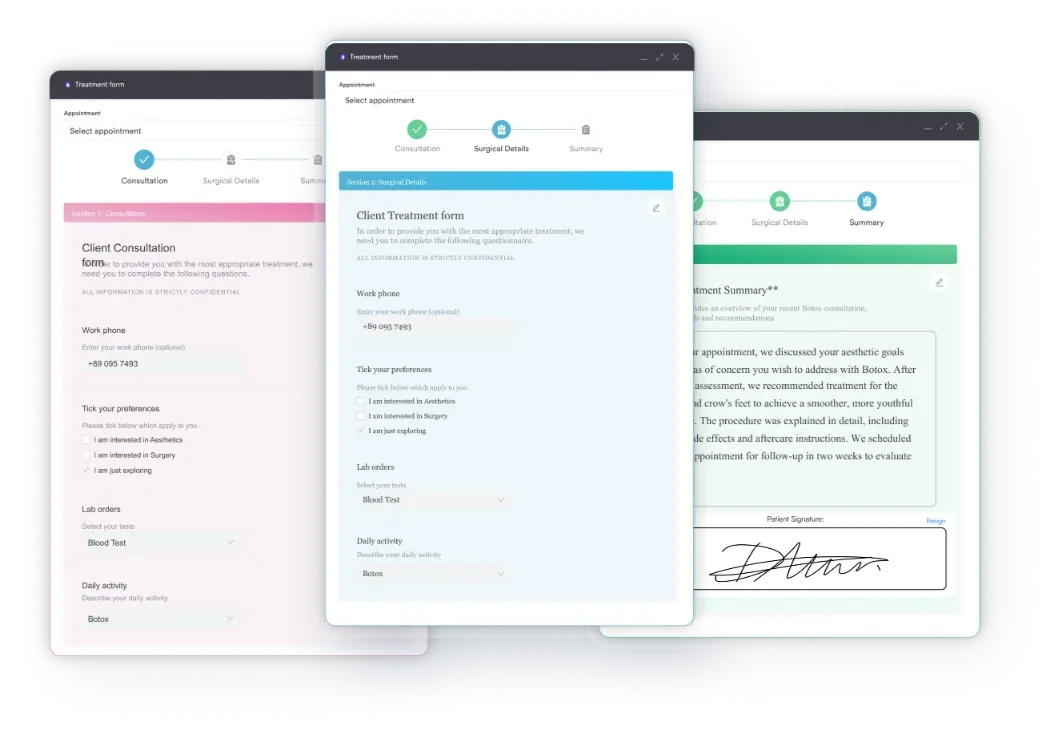

Pabau stores your CCSD codes, captures pre-auth references, and generates insurer-ready invoices in one place. See how UK private practices use Pabau to keep claims clean.

Our guide to managing a practice covers the operational side that sits behind clean CCSD billing.
CCSD code 0024B is one of many CCSD diagnostic codes where the audit risk sits in the clinical record, not the code itself. The record has to show why the BH4 pre compounding test was requested, not just that it took place, and insurers query claims where the two don’t line up.
Before submitting a claim for CCSD code 0024B, a billing team should confirm five things are in place:
Practices that attach this documentation to the patient record when the test is requested, rather than pulling it together once the invoice is raised, catch mismatches before submission instead of after a rejection. This documentation discipline matters most where bespoke compounded formulations are ordered often.
Pabau’s template library also includes documentation for other diagnostic pathways.
The major UK private medical insurers each publish their own fee schedules and recognition guidelines, all of which reference the CCSD Schedule as the shared code set. Understanding how each insurer handles CCSD code 0024B can help you set patient expectations and avoid billing surprises.
Pre-authorisation rules differ meaningfully between insurers and can also vary by individual policy type within the same insurer. Always obtain written or electronic confirmation of the authorisation reference before carrying out the test. Verbal pre-auth is rarely accepted as evidence if a claim is later disputed. For an overview of Bupa-specific CCSD billing workflows, see Pabau’s Bupa CCSD codes guide.
CCSD code 0024B sits alongside the adjacent pre-compounding-test code in the schedule’s Pathology chapter. Understanding the codes near it helps coders pick the most accurate descriptor and avoid upcoding or downcoding.
The table below lists the confirmed related code. Always verify any other adjacent codes against the current CCSD Schedule before billing.
The Diagnostic Test Schedule includes other pathology codes with the same documentation demands.
The distinction between CCSD procedure codes and CCSD diagnostic codes matters here. Procedure codes describe an intervention that was carried out, such as the deep brain stimulation surgery billed under A0980. Diagnostic codes, like 0024B, describe a test or investigation.
The schedule of procedures also carries D0330, the pinnaplasty code. An operative note supports that claim, while 0024B depends on the clinical notes behind the test.
Both can appear on a complete invoice, but they’re coded and justified differently. Filing a diagnostic test under the schedule of procedures is a common cause of claim suspension. The line is not drawn by clinical purpose alone. CCSD code A7520 bills a thoracic block that is diagnostic in purpose, yet it sits among the procedures.
AA609 shows how one clinical question lands on both schedules. A physician’s peripheral bone density reading is a procedure, while central DXA belongs to the separate Diagnostic Test Schedule.
For more on structuring UK private practice billing workflows.
Run a quarterly audit of your most frequently billed CCSD codes against the current live schedule. CCSD codes are updated periodically, and billing a retired or amended code can result in systematic rejections across multiple claims before the error is caught.
The errors below are not unique to CCSD code 0024B, but they surface frequently in this part of the schedule. Recognising them before submission is far less costly than chasing a rejected claim after the fact.
Private practices that use structured patient record management alongside their billing system are better positioned to catch these errors. When the clinical note, the diagnosis, and the test code are all generated from the same workflow, inconsistencies surface before submission rather than after rejection.
For a broader view of how technology supports compliance in private practice.
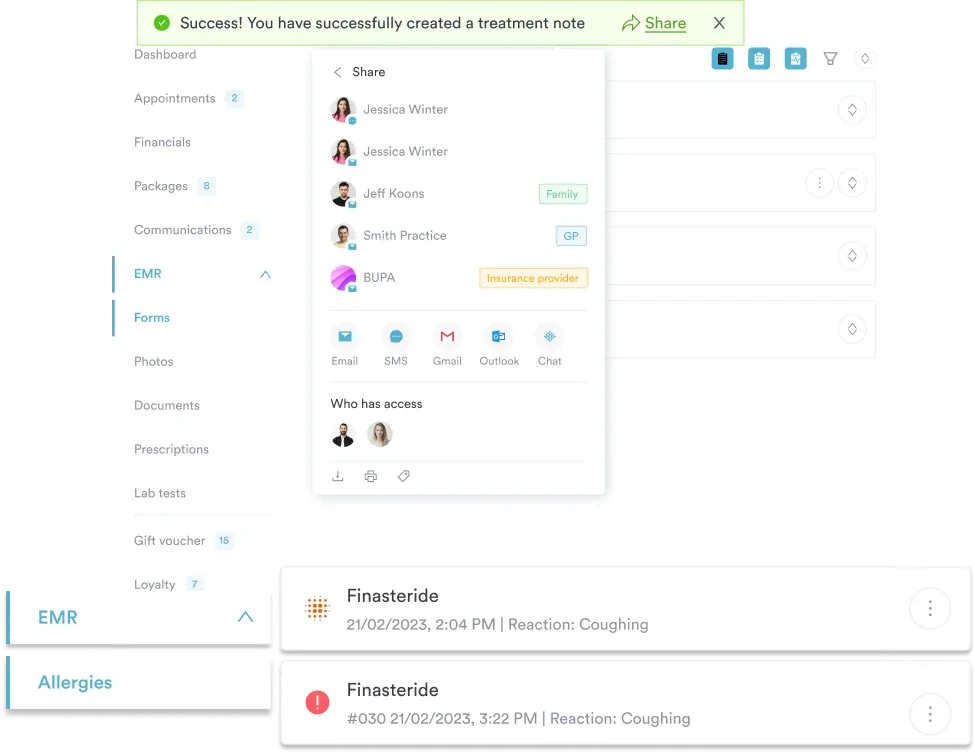
UK private practices billing CCSD codes need their software to do more than store a code list. The system has to connect the clinical record, the pre-auth reference, the invoice, and the submission workflow in one place, so nothing gets missed between them.
Pabau’s claims management software is built for exactly this workflow. Practices can configure CCSD codes against their services, attach pre-authorisation references to individual appointments, and generate insurer-formatted invoices without manual data re-entry.
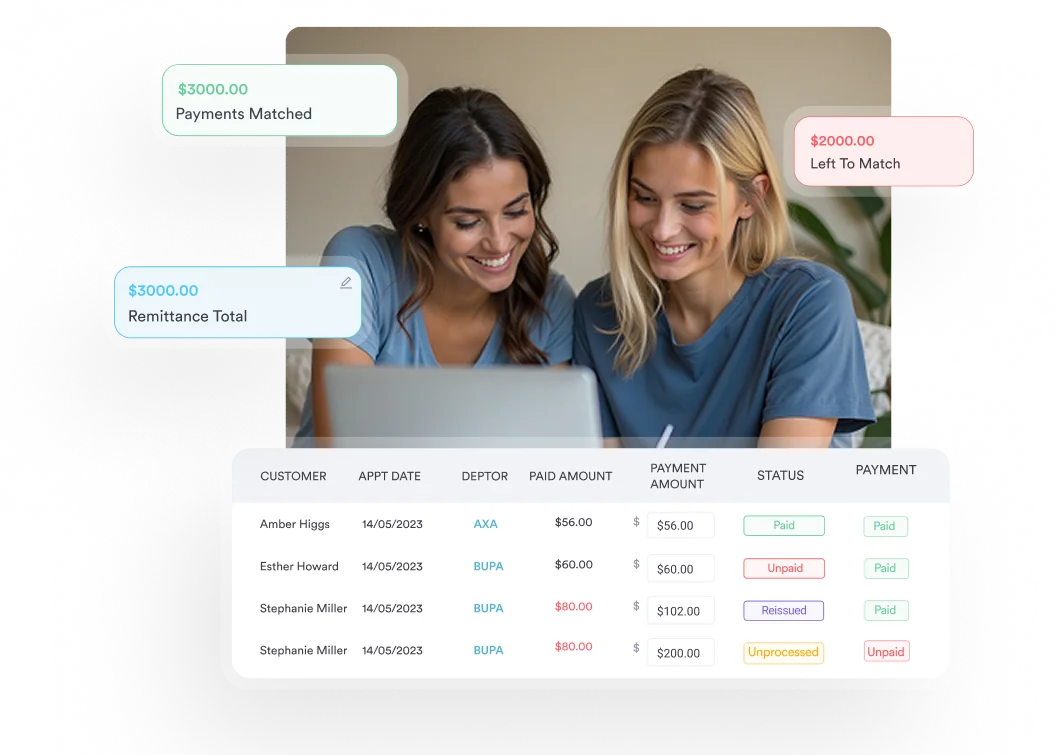
The payment processing module tracks outstanding balances per insurer, so billing administrators can see at a glance which claims are pending, queried, or settled.
Practices exploring the business case for switching from NHS to private work will find the benefits of private practice article a useful starting point for understanding the operational requirements.
CCSD code 0024B, like all private medical billing codes in the UK, is straightforward to bill correctly once the workflow is set up properly and you treat it as the diagnostic test it is.
The code itself is only one part of the picture. Pre-authorisation, a justifying diagnosis, up-to-date schedule references, and timely submission all have to work together to get a claim paid first time.
Pabau’s billing and claims management tools give UK private practices the infrastructure to handle CCSD billing without building manual workarounds. To see how it fits your practice’s workflow, book a demo and one of our team will walk you through the private practice billing setup.

Billing another CCSD pathology test alongside 0024B? 0006G covers the KRAS mutation analysis test, with its own documentation and pre-authorisation requirements.
Handling claims across more than one code system? HCPCS code C1751 guide covers billing the peripheral, central, or midline infusion catheter under Medicare’s OPPS.
Handling claims across more than one code system? J0178 is the HCPCS billing guide for aflibercept injection claims.
CCSD code 0024B is the BH4 pre compounding test, a CCSD diagnostic (pathology) code used to bill UK private medical insurers for that test. It is submitted on an insurer-formatted invoice, usually via Healthcode, alongside the diagnosis that shows why the test was clinically warranted.
A CCSD code is a standardised identifier that UK private medical insurers use to recognise a specific procedure or diagnostic test on an invoice. Using the correct code means insurers process the claim consistently and reimburse it without unnecessary delay.
CCSD stands for Clinical Coding and Schedule Development. It is the standardised private medical billing code set used across the UK independent healthcare sector, maintained by a consortium of major private medical insurers including Bupa, AXA, Aviva, and Vitality.
Pre-authorisation requirements depend on the specific insurer and policy type. Most major UK private insurers require pre-auth for diagnostic and procedural claims. Submitting without a valid authorisation reference is the most common cause of claim rejection. Always confirm pre-auth requirements with the insurer before the test takes place.
CCSD codes are used exclusively for UK private medical insurance billing. NHS billing uses different coding systems including OPCS-4 for procedures and ICD-10 for diagnoses. CCSD codes are not interchangeable with NHS codes and are not recognised by NHS commissioners.
CCSD procedure codes describe a clinical intervention that was performed. CCSD diagnostic codes describe a test, investigation, or the condition that justified care. CCSD code 0024B is a diagnostic test code, so it is coded like a laboratory test rather than a surgical procedure and must be paired with a justifying diagnosis on the invoice.
CCSD codes are issued and maintained by the CCSD consortium, a group of the major UK private medical insurers. The official schedule and technical guide are published at ccsd.org.uk and updated periodically to reflect new procedures, new diagnostic tests, and retired codes.



