



HCPCS code E0198: Water pressure pad billing guide
HCPCS code E0198 is a water pad for a standard mattress HCPCS code E0198 is the ...

Last Updated: Oct 13, 2026

CCSD code 0006G is the UK private healthcare diagnostic (pathology) code for KRAS mutation analysis, listed in Chapter 34 (Pathology) of the CCSD schedule maintained by the Clinical Coding and Schedule Development (CCSD) Group.
0006G replaces the retired code 7900T. Bill the current code, and confirm its narrative in the authenticated CCSD schedule at ccsd.org.uk or the Bupa code search portal before you submit.
Major UK insurers including Bupa, AXA Health, Aviva, Vitality, and Allianz Care recognise CCSD codes as the billing standard, but pre-authorisation rules and reimbursement rates vary by insurer.
Pabau’s claims management software supports structured documentation and audit-ready record-keeping for UK private healthcare billing workflows.
CCSD code 0006G is the code UK private medical insurers recognise for KRAS mutation analysis, a molecular pathology test that checks a tumour sample for mutations in the KRAS gene. Because KRAS status shapes targeted-treatment decisions in cancers such as colorectal and non-small cell lung cancer, the test is usually requested by an oncologist and reported by a pathology laboratory.
The code sits in Chapter 34 (Pathology) of the CCSD schedule and replaces the retired code 7900T. This guide covers how to verify the code, document it, and get it paid across the major UK insurers.
CCSD code 0006G identifies KRAS mutation analysis within the Clinical Coding and Schedule Development (CCSD) schedule, the standard code set used across UK private healthcare for consistent clinical activity coding. It is a diagnostic pathology code, not a surgical procedure code, so it belongs on the diagnostic line of an invoice rather than the procedures line.
The CCSD schedule is updated periodically, so confirm the current narrative for 0006G against the authenticated schedule before you submit. Two details matter most at the point of billing: the code covers KRAS mutation analysis on a tumour sample, and it replaces the older code 7900T, which should no longer be submitted.
0006G sits in Chapter 34 (Pathology) of the CCSD diagnostic schedule, within the molecular and genetic testing group (category 34.1). Practitioners moving from NHS to private practice often meet this diagnostic-schedule structure for the first time and misclassify the submission type as a result.
The practical implication is straightforward. KRAS mutation analysis is a diagnostic charge, so 0006G belongs under the diagnostic section of your invoice, and the fee is the pathology test itself, not a procedure fee. Submitting a pathology code under a procedures line, or billing the retired 7900T, is a common source of query letters from payer billing teams.
KRAS mutation analysis is ordered when a patient’s cancer treatment depends on the tumour’s genetic profile. In private practice, the request usually comes from a medical or clinical oncologist and the analysis is run by a molecular pathology laboratory, with the result reported back to the requesting consultant.
That referral chain is why 0006G rarely appears on an invoice in isolation. It typically follows a consultation and a tissue sample, and more than one provider may bill for the same episode of care.
Where a private GP makes the initial referral into oncology, GP software that ties the referral, the pathology order, and the invoice to one patient record keeps the episode traceable. Getting the code, the requesting clinician, and the report aligned before submission is what keeps the claim moving.
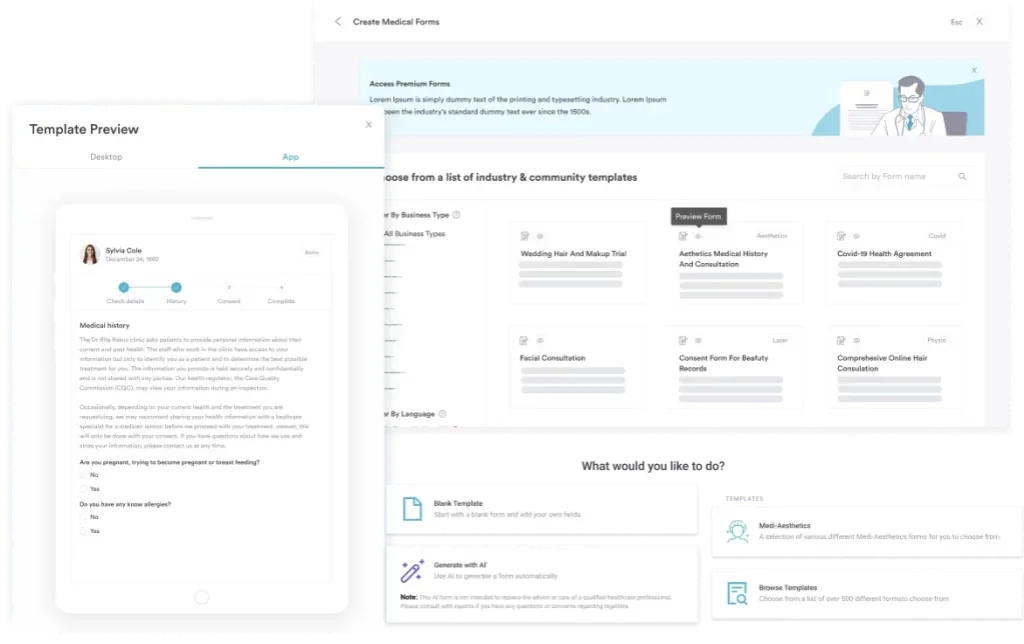
Insurers routinely audit pathology and genetic-test claims. A claim that cannot be matched to supporting clinical documentation at the point of query will either be delayed or rejected outright. Getting the documentation right before submission, not after a denial, is far more efficient.
The following records are expected for a KRAS mutation analysis claim across the major UK private medical insurers. Store these in a digital clinical forms system so they can be retrieved quickly on request:
UK private practices also have obligations under data protection law when storing and handling clinical records. A GDPR compliance checklist for healthcare settings covers the key retention and access requirements your practice needs to maintain alongside billing documentation.
Three documentation problems generate the majority of insurer audit letters for diagnostic-test claims:
Each of these can be fixed at the point of care with structured note templates rather than retrospectively.
No two insurers handle CCSD diagnostic claims identically. Fee levels, pre-authorisation thresholds, and invoice format requirements differ. The table below summarises the key policy positions that affect how you submit CCSD code 0006G claims to each major insurer. Always verify current rules directly with each payer, as fee schedules and approval thresholds are updated periodically.
For Bupa specifically, the Bupa CCSD codes guide on Pabau explains how to use the Bupa Code Search portal to confirm whether a code is covered under a patient’s policy before the appointment. This step alone prevents a significant share of post-service denials.
Bupa uses CCSD as the industry standard for clinical activity coding, and runs its own code search portal so providers can confirm which codes it recognises and at what fee level.
Before billing CCSD code 0006G to Bupa, search the code in the portal to verify it returns a recognised fee. If the code does not appear, contact the Bupa provider helpline before submitting.
AXA Health organises its codes by fee chapter. When submitting a diagnostic code, confirm which chapter your service falls into via the AXA specialist procedure codes portal. Mismatched chapter assignments are a leading cause of query letters from AXA. Your compliance management tools should flag chapter mismatches before an invoice is finalised.
Vitality Health operates a fee finder tool that lets providers look up the benefit amount Vitality will pay for a specific CCSD code under a patient’s policy. Run this check before the consultation to set correct patient expectations about any shortfall. Vitality requires pre-authorisation for most diagnostic tests, and the authorisation reference must appear on the invoice.
The Allianz Care fee schedule sets out the UK codes it recognises and the fees it pays. Confirm that 0006G is listed and covered under the patient’s plan before you submit, as coverage for molecular and genetic tests can differ from plan to plan. Where a test is not listed, contact Allianz Care before invoicing rather than assuming the fee.
Pre-authorisation is expected for diagnostic and genetic tests with the major UK private medical insurers. Submitting a claim without a valid authorisation number is the fastest route to a rejected invoice. The process varies slightly by insurer but follows the same general sequence across Bupa, AXA Health, Aviva, Vitality, and Allianz Care.
Run the code through each insurer’s portal or fee finder before every appointment, not just the first time you bill it. Insurer fee schedules are updated annually and mid-year amendments do occur. A code that was covered last quarter may carry a different fee or require additional authorisation today.
KRAS mutation analysis rarely appears in isolation on a claim. Understanding the codes that commonly accompany CCSD code 0006G prevents both under-coding, which leaves reimbursable items off the invoice, and over-coding, which bills a bundled item twice.
The CCSD Technical Guide sets out the business rules that govern code combinations, so check it for the specific codes you intend to submit together.
The same single-marker logic applies wherever a lab runs more than one biomarker from the same sample. CCSD code 0049B and CCSD code 1552B are both single-marker codes governed by that rule, so confirm each is separately reimbursable before billing them together.
A profile code such as CCSD code 0472U works differently: check whether the panel narrative already covers a marker before billing it again separately. Practices that regularly bill combinations of pathology codes.
Combination claims carry the same compliance documentation requirements as single-code invoices, including record-keeping obligations for UK private practices.
Claims for KRAS mutation analysis fail for predictable, preventable reasons. The private healthcare referral pathway adds complexity, because a single episode of care may involve an oncologist, a pathology laboratory, and separate invoices, and coordination errors compound quickly. These are the most common failure patterns.
This accounts for a disproportionate share of first-pass rejections. The fix is process-level: build a check that no invoice is finalised without a recorded authorisation number. Some practices designate a billing coordinator to confirm the reference is present before the invoice leaves the practice.
Billing a diagnostic pathology code under the procedures section, or submitting the retired 7900T instead of 0006G, is detected at insurer processing and generates a query.
Practices new to CCSD billing often hit this error on their first few diagnostic invoices. The CCSD schedule is the definitive source for the current code and its chapter.
When KRAS analysis is included in a broader molecular panel that carries its own code, billing both the panel and 0006G overstates the claim and triggers audit flags. The reverse error, splitting out a marker that should sit inside a panel, can under-code the claim. Both are avoidable by checking the CCSD business rules for the specific combination before submission.
Every insurer imposes a submission deadline measured from the date of service, most often three to six months. A claim that is clinically valid and fully documented will still be rejected if it arrives outside the window.
Tracking open invoices against their service dates and deadlines is a core function of a billing workflow. The CQC’s role in governance covers record-keeping standards that apply just as much to billing documentation as to clinical records.
A claim that passes initial processing may still be queried at audit if the supporting clinical record is thin. Insurers increasingly request documentation as part of post-payment review programmes. Maintaining a complete, contemporaneous record for every CCSD code 0006G service, stored where it can be retrieved quickly, is the most effective defence against retrospective audit challenges. Where a practice does not bill the payer directly, the patient needs an itemized statement carrying this code and its charge.
Healthcode is the primary electronic data interchange platform for UK private healthcare claims. Most major insurers, including Bupa, AXA Health, Aviva, Vitality, and Allianz Care, accept electronic submissions via Healthcode. Paper-based submission is still accepted by some insurers but increases processing times and error rates.
A standard Healthcode submission for CCSD code 0006G requires the following data fields to be complete and accurate:
Practices managing a high volume of CCSD claims benefit from integrating their practice management system with Healthcode directly. This removes manual re-keying of data between clinical records and claim submissions, which is where transcription errors most commonly occur.
Moving patient data between a practice system and Healthcode also carries its own GDPR obligations around data transfer, on top of the retention rules covered earlier in this guide.
Reconcile your Healthcode submissions against your practice management records at least monthly. Unmatched items, where a claim was submitted but no payment has arrived and no query has been raised, often indicate a submission error that was silently dropped rather than formally rejected. Catching these early avoids aged debt building up against valid claims.

Billing another single-marker pathology code? 0046B covers the Sm IgG antibody test, with its own documentation and bundling rules.
Coding a device used in the same procedure? Balloon tissue dissector billing guide covers which claim form applies and why packaging status decides payment.
Coding an endoscopic procedure on the same episode of care? 0632G covers endoscopic dilatation of the oesophagus, billed separately from pathology codes.
Handling a clotting or coagulation test? 0153B covers the kaolin clotting time test, with its own pre-authorisation requirements.
Billing a compounding-related pathology test? 0024B covers the BH4 pre-compounding test, with its own documentation requirements.

Pabau helps UK private practices submit CCSD-coded invoices accurately, track pre-authorisation status, and respond to insurer queries from one place.

Claim rejections on CCSD code 0006G are rarely caused by the clinical work being wrong. They are caused by process problems: a missing authorisation number, a diagnostic code billed as a procedure, the retired 7900T submitted by mistake, or documentation that cannot support a post-payment audit. Fix the process and the KRAS mutation analysis claim usually pays on first pass.
Pabau’s claims management software helps UK private practices track authorisation status, attach clinical documentation to each claim, and meet insurer submission deadlines without manual chasing. If your team is spending time correcting avoidable diagnostic-code denials, book a demo to see how Pabau handles the billing workflow end to end.
CCSD code 0006G is the UK private healthcare code for KRAS mutation analysis, a molecular pathology test that checks a tumour sample for mutations in the KRAS gene. It sits in Chapter 34 (Pathology) of the Clinical Coding and Schedule Development (CCSD) schedule and replaces the retired code 7900T. Confirm the current narrative in the authenticated CCSD schedule before billing, as access requires CCSD membership login and the schedule is updated periodically.
CCSD stands for Clinical Coding and Schedule Development. The CCSD Group maintains the CCSD schedule, the standard set of procedure and diagnostic codes used across UK private healthcare, and its membership includes the major private medical insurers. Providers use the CCSD codes on their invoices so insurers can identify exactly which service was delivered.
Pre-authorisation is expected for diagnostic and genetic tests with the major UK private medical insurers, including Bupa, AXA Health, Aviva, Vitality, and Allianz Care. The patient or practice must obtain an authorisation reference number from the insurer before the appointment, and this reference must appear on the submitted invoice. Claims submitted without a valid authorisation number are typically rejected at first-pass processing, so confirm the requirement with the insurer for each policy.
Log into the Bupa Code Search portal at codes.bupa.co.uk and enter 0006G in the code search field. The portal returns the recognised fee and any coverage conditions that apply to the code under a patient’s policy. If the code does not return a result, contact the Bupa provider helpline before submitting a claim, as unlisted codes submitted to Bupa are typically rejected rather than queried.
Most major UK private medical insurers set a submission deadline of three to six months from the date of service, though individual policy terms vary. Always verify the deadline in your insurer recognition agreement and track open invoices against their service dates to avoid late-submission rejections.
It can in some cases, but bundling rules apply. Where KRAS mutation analysis is part of a broader molecular panel that has its own code, bill the panel code or 0006G, not both. The CCSD Technical Guide sets out the business rules for code combinations, so check it before billing 0006G alongside other pathology codes on the same sample. Billing a bundled item twice is a common audit trigger across UK private medical insurers.



