CPT code 93503: Swan-Ganz catheter billing and modifiers
CPT code 93503: Official descriptor and procedure overview In the AMA CPT code s...

Last Updated: Oct 23, 2026

CCSD code 0022G identifies single gene C-MYC (MYC) gene testing, a molecular pathology test, within the CCSD (Clinical Coding and Schedule Development) schedule used across UK private healthcare.
It sits in the biochemistry genetic analysis section of the schedule, not the surgical procedure chapters, so it is billed as a laboratory diagnostic test rather than an operation.
Bupa, AXA Health, Vitality, and Aviva recognize CCSD codes, but genetic tests are typically reimbursed only with prior authorization and evidence of clinical need. Verify the current description at ccsd.org.uk before billing.
Practice management software like Pabau lets UK practices attach CCSD codes in the patient record and track every claim in one place, so billing stays consistent across practitioners and sites.
CCSD code 0022G identifies single gene C-MYC (MYC) gene testing, a molecular pathology test that examines the MYC gene in a patient sample. It sits in the biochemistry genetic analysis section of the CCSD (Clinical Coding and Schedule Development) schedule, the code list UK private medical insurers use to process claims.
This guide covers what the code describes, why a C-MYC test gets ordered, which insurers reimburse it, and how to submit a clean claim.
CCSD code 0022G is used for single gene C-MYC (MYC) gene testing. A single gene test looks at one named gene rather than a wider panel, so this code applies specifically to analysis of MYC.
The code sits within the CCSD schedule, the list of codes used for billing and reimbursement across UK private healthcare. The CCSD Group, a collaboration between major insurers and clinical bodies, maintains the schedule and updates it as clinical practice and test menus change.
Descriptions are drawn from the live schedule, so confirm the current wording for 0022G in the CCSD Technical Guide (October 2025) before you submit.
One practical note: CCSD is a private sector standard, not an NHS mandate. Private clinics are not legally required to use CCSD codes the way NHS trusts use OPCS-4 for operations. Adoption is driven by insurer requirements, because a recognized code is what lets a claim be processed.
MYC is a proto-oncogene, a gene that drives normal cell growth but can push cells toward cancer when it is rearranged, amplified, or overexpressed. Testing MYC helps a specialist diagnose and classify certain cancers, so the code usually appears in an oncology or hematology work-up rather than a routine screen.
The clearest example is Burkitt lymphoma, which is defined by a translocation that moves the MYC gene next to an antibody gene and switches it on. MYC rearrangements also help identify high-grade B-cell lymphomas, where MYC changes alongside BCL2 or BCL6 affect how aggressive the disease is and how it is treated.
Laboratories detect these changes using techniques such as fluorescence in situ hybridization (FISH) or gene sequencing. Treatment for these lymphomas is often billed alongside chemotherapy codes such as J9000.
For billing, the takeaway is that 0022G represents a targeted single gene test with a clear clinical trigger. That matters at the claim stage, because insurers assess genetic tests against medical need rather than treating them as standard investigations.
The CCSD schedule covers far more than surgery. It includes consultations, diagnostic tests, imaging, pathology, and genetic analysis alongside the surgical chapters. For practitioners leaving NHS for private practice, that breadth can look unfamiliar, and a genetic code like 0022G behaves quite differently from a surgical one.
Some of those diagnostic tests are performed on the patient rather than in a laboratory. CCSD code A5580 covers cerebrospinal fluid infusion studies, where saline is infused and CSF pressure recorded to measure outflow resistance. AA609 follows the same pattern, since its descriptor ties peripheral bone density measurement to the physician who takes the reading.
A surgical code bills for an operation performed by a consultant. A genetic code like 0022G bills for laboratory analysis of a sample, so the test is usually raised by the pathology or genetics laboratory and invoiced as a diagnostic.
The distinction changes who submits the claim and what evidence the insurer expects to see. The same applies to other pathology-chapter blood tests. On the surgical side, procedure code A7520 bills a thoracic sympathectomy block that a consultant performs under X-ray control.
This distinction matters most for clinicians who work across both NHS and private settings. In the NHS, genomic tests are commissioned through the National Genomic Test Directory rather than coded as operations, so a private genetic code has no clean OPCS-4 match.
Confirming private GP referral pathways back into NHS services is a related consideration for mixed-practice clinicians. Many run GP clinic software to manage that mixed list alongside private billing.
Most major UK private medical insurers recognize CCSD codes as the standard for billing. Each publishes its own fee schedule based on the CCSD schedule, but reimbursement amounts and coverage conditions vary. Genetic and molecular tests are scrutinized more closely than routine investigations, so a code appearing on the schedule does not guarantee it is covered for a given patient.
For Bupa-specific billing, our detailed Bupa CCSD billing guide covers the submission process, pre-authorization requirements, and how Bupa’s code lookup tool works.
Genetic tests are pre-authorization sensitive. Confirm the patient’s insurer has approved 0022G, and that the referral records the clinical reason for testing MYC, before the sample goes to the lab. Approval on the day of testing is much harder to secure than approval arranged in advance.
The submission workflow for UK private medical insurance claims follows a consistent pattern, using Healthcode as the primary electronic billing route. For a genetic test, the main difference is that the laboratory and the clinical justification carry more weight than they would for a routine investigation.
Review the Bupa fee schedule for current unit values and any Bupa-specific rules that apply to genetic and pathology codes.

Pabau helps UK private practices select and submit CCSD codes directly from the patient record, reducing manual entry and billing errors.

The most common coding error with genetic tests is mixing up a single gene test and a multi-gene panel. Billing 0022G when a broader panel was run, or the reverse, leads to rejection or under-reimbursement, because the insurer pays against what the schedule says the code covers.
0022G is a single gene code: it covers analysis of MYC on its own. If the laboratory ran a lymphoma panel that tests MYC alongside genes such as BCL2 and BCL6, the correct code is the panel code, not 0022G.
Read the laboratory report to see exactly what was tested before you choose the code. The same logic applies to other single gene pathology codes.
The safest approach is to use the CCSD technical guide alongside the insurer’s code lookup tool, matching the wording to the test the lab actually performed.
That applies as much to oncology genetics as to practices running functional medicine software.
Never assume a code’s meaning from its position in the schedule. Codes that look similar can describe a different gene, method, or panel. Check the official CCSD description or the relevant insurer’s lookup before attaching any genetic code to a claim, because descriptions can change with annual updates.
Managing CCSD billing by hand across multiple practitioners, insurers, and fee schedules creates administrative work that most private practices would rather not carry. Practice management software like Pabau brings coding into the same system as the patient record, and its claims management software is built for UK private practice billing.
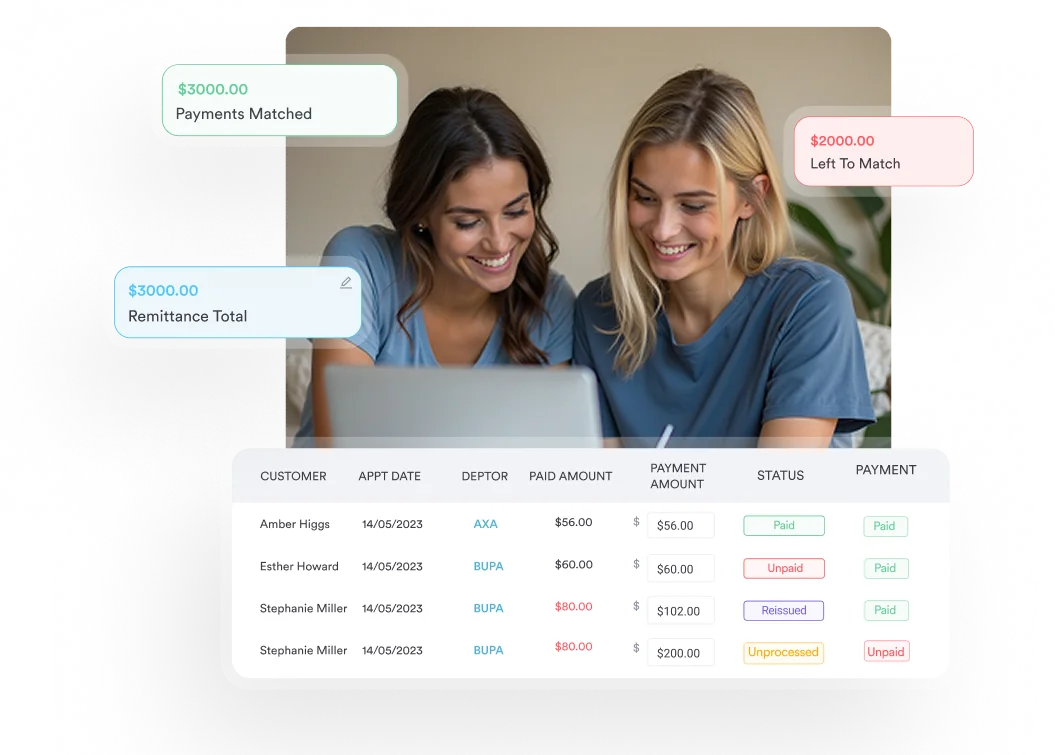
Pabau lets practitioners attach CCSD codes directly in the consultation record, instead of switching to a separate billing module after the appointment. That keeps the code tied to the documented test, so what you bill matches what the clinical note and laboratory report describe.
For group practices and clinic networks, Pabau reports on submitted CCSD codes, claim statuses, and reimbursement across multiple practitioners and locations.
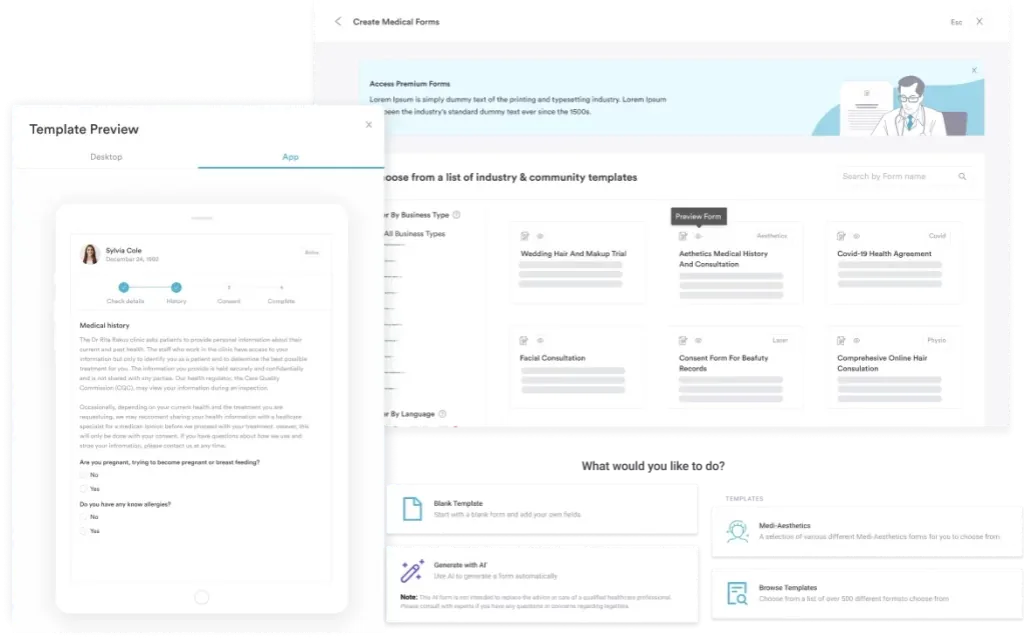
Standalone billing tools often show code-level detail but stop short of cross-practitioner or multi-site visibility, so a practice manager can see every claim in one place. There are also time-saving features beyond billing, including automated appointment workflows and digital consent capture.
Effective private practice management takes more than accurate coding. Bringing CCSD billing together with scheduling, patient records.
CCSD code 0022G covers single gene C-MYC (MYC) testing, a molecular pathology test that most often supports a lymphoma or oncology diagnosis. Billing it well comes down to three things: confirm the current description in the CCSD schedule, secure prior authorization with the clinical reason recorded, and submit electronically through Healthcode with the authorization number and laboratory report attached.
For practices handling genetic and pathology codes across Bupa, AXA Health, Vitality, and Aviva, Pabau’s claims management workflows cut manual coding steps and give practice managers visibility across every submitted claim. To see how Pabau handles CCSD billing for UK private clinics, book a demo.

Testing for Lynch syndrome? 0029B covers MLH1 promoter hypermethylation testing, a related molecular pathology code used in colorectal cancer screening pathways.
Billing chemotherapy alongside a genetic result? J9264 explains how to code paclitaxel protein-bound (Abraxane) infusions for private reimbursement.
Working with a specialist compounding pharmacy? 0024B covers the BH4 pre-compounding test and how to bill it correctly.
CCSD code 0022G is the code used for single gene C-MYC (MYC) gene testing, a molecular pathology test in the biochemistry genetic analysis section of the CCSD schedule. UK private medical insurers use it to process claims for this genetic test. Confirm the current description at ccsd.org.uk before billing.
MYC is a proto-oncogene, and changes in it help diagnose and classify certain cancers. The clearest example is Burkitt lymphoma, which is defined by a MYC translocation, and MYC testing also supports the diagnosis of high-grade B-cell lymphomas. A single gene test looks at MYC specifically rather than a wider panel.
Bupa, AXA Health, Vitality, and Aviva all recognize CCSD codes for private billing. Genetic tests are usually reimbursed only with prior authorization and evidence of clinical need, so verify coverage with the patient’s insurer before testing rather than assuming any CCSD code is paid automatically.
No. It is a pathology (genetic analysis) code for a laboratory test, not an operation. It is typically raised by the testing laboratory and billed as a diagnostic, which is why the workflow relies on the lab report and clinical justification rather than an operating consultant’s invoice.
Use the official CCSD schedule at ccsd.org.uk, or run a CCSD code search in your insurer’s provider portal: the Bupa code search, AXA Health procedure codes, the Vitality fee finder, or the Aviva fee schedule. Each lets you confirm the current description and unit value before you submit a claim.
Pabau lets UK private practitioners attach CCSD codes directly in the patient record, reducing manual dual-entry errors. It tracks claim status and reimbursement across Bupa, AXA Health, Vitality, and Aviva, giving practice managers visibility of every submitted code in one place.