








CPT Code 20700: drug delivery device billing guide (2026)
Add-on codes are where billing errors quietly accumulate. CPT Code 20700 enters ...

Last Updated: August 19, 2026


HCPCS code E0217 covers a water circulating heat pad with pump, billed to Medicare Part B as durable medical equipment.
Medicare denies E0217 as not reasonable and necessary under LCD L33784, so no diagnosis code or modifier makes it payable.
The same denial reaches the replacement pump under E0236 and the replacement pad under E0249.
E0210 is the covered heating pad, while A9273 is a nonelectric wrap that Medicare treats as noncovered.
A signed ABN before delivery, plus the GA modifier, is what makes the patient liable for the denied line.
HCPCS code E0217 covers that pad and its pump, and Local Coverage Determination L33784 calls the whole system not reasonable and necessary.
That turns the billing job on its head, as nobody is hunting for the diagnosis that unlocks coverage, because CMS never published one. Your work is the notice, the modifier, and knowing which heating pad code Medicare does pay for.
E0217 is the HCPCS Level II code for a water circulating heat pad with pump.
CMS Policy Article A52502 describes it as a flexible pad with channels running through it. An electric pump pushes water through those channels, and the water is heated in an external reservoir.
Two details in that definition catch billers out. First, the device needs certification by an Occupational Safety and Health Administration Nationally Recognized Testing Laboratory. Second, the pump, the pad, and every accessory the pad needs to work all sit inside the single code.
Some pads meet none of the coding definitions for E0210, E0215, or E0217. Those go on E1399 instead.
The Pricing, Data Analysis, and Coding contractor, known as PDAC, will confirm the correct code for a device that sits between definitions.
The table below pulls together what CMS says about this code, including its coverage status. Use it as a quick reference while the order is still on your desk.
A52502 has been in effect since October 1, 2015, with a revision effective January 1, 2020 and no retirement date.
Nothing in the current version softens the denial, so treat any older guidance that promises conditional coverage as out of date.
Medicare denies E0217 because the policy compares it to a cheaper device and finds no proven advantage.
L33784 puts it plainly. CMS has not established that a water circulating heat pad with pump is reasonable and necessary next to a standard electric heating pad.
Read the reasoning carefully, because it shapes every conversation you have with the patient. CMS is not saying heat therapy fails to help, but rather that the upgrade has never been shown to beat the basic version, so only the basic version gets paid.
Since the system is not medically necessary, the LCD also denies the replacement pump under E0236 and the replacement pad under E0249 or A9999.
E0215, the moist electric heating pad, falls on identical footing. So do heat lamps E0200 and E0205, because their safety and effectiveness at home have never been established. Hydrocollator units are noncovered institutional equipment, which our guide to E0239 works through in detail.
A standard electric heating pad, coded E0210, is covered to relieve certain types of pain or reduce inflammation. Coverage also extends to decreasing joint and soft tissue stiffness and relaxing muscles.
National Coverage Determination 280.1 is what puts heating pads in the benefit category to begin with.
One exclusion sits inside that coverage. A heating pad is not reasonable and necessary for pain due to peripheral neuropathy, including diabetic neuropathy. If that is the documented reason for the order, Medicare denies E0210 too.
E0210 also has a coding definition to meet, including electric resistive elements, a fabric cover, a timer for automatic shut-off, and OSHA laboratory certification. A cover that pulls water vapor from the air to create moisture still bills as E0210, not E0215.
A9273 describes a cold or hot fluid bottle, an ice cap or collar, or a heat and cold wrap of any type.
Nothing in that list is electric, so none of it belongs with the pads in this policy. A52502 treats a nonelectric pad or wrap as noncovered, because it fails the definition of durable medical equipment.
E0217 sits inside a Medicare benefit category and gets denied on medical necessity grounds. A9273 never reaches a benefit category at all. Different denial types carry different modifiers and different appeal rights, so mixing the two codes up costs you twice.
Comfort items in the home each answer to their own policy. A lambswool pad billed under E0189 and a heel protector under E0191 both face coverage tests of their own.
Neither one follows the heating pad rules, and neither one is a safe substitute code.
Documentation protects your right to bill the patient. Three things do that work, and a fourth keeps the claim itself clean.
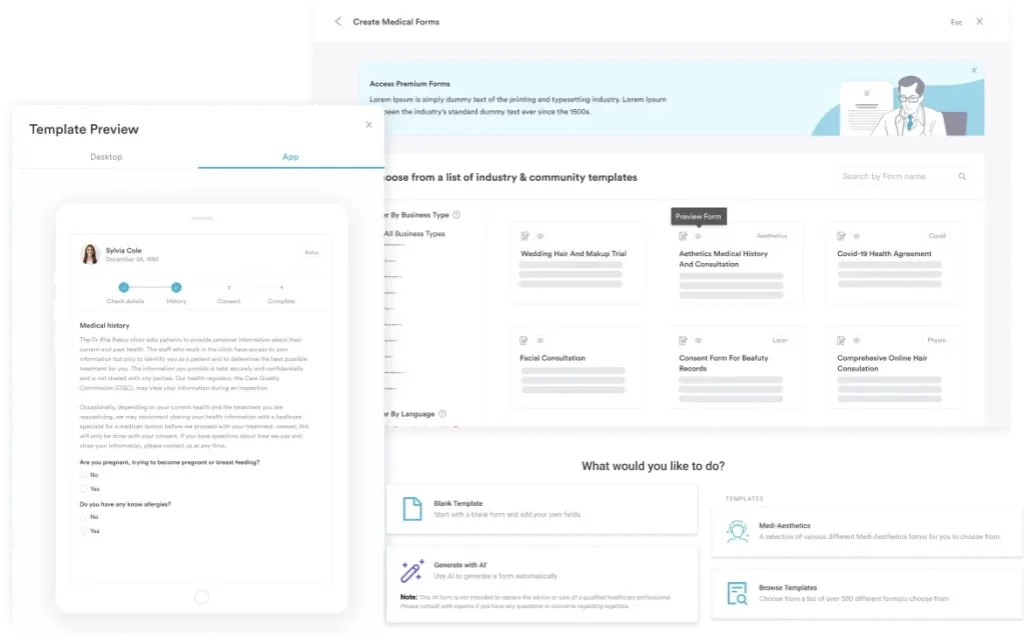
Digital forms keep the order, the signed notice, and the delivery record on the patient’s file. Nothing ends up scattered across a filing cabinet or somebody’s inbox.
KX attests that the coverage criteria in an LCD have been met. For E0217 there are no coverage criteria to meet, and the string KX appears nowhere in L33784 or A52502.
Adding it changes nothing about the outcome, and it misstates your claim.
Here is the sequence a supplier follows when the patient wants the water circulating pad anyway.
Step three is where most money leaks away. An ABN signed at the door, or worse, after the fact, does not transfer liability. Leave GA off and the same thing happens.
The GZ route ends differently. That line comes back with group code CO and reason code 50, which marks it as your responsibility. You cannot bill the patient for it, so the write-off is yours.
Build a two-line rule into your intake script for heating pads. If the order says water circulating, the answer is an ABN plus GA. If it says standard electric, the answer is E0210 and a normal claim. Deciding this at intake rather than at billing removes almost all of the rework.
There is no diagnosis that turns this code into a paid line.
A52502 lists N/A under both ICD-10 groups, the ones that support medical necessity and the ones that do not. So there is no crosswalk to build here, because CMS never published a qualifying diagnosis.
Any published list that pairs E0217 with a tidy set of pain diagnoses came from a vendor, not from CMS.
Billers moving between musculoskeletal specialties and physical therapy practice management meet those lists often. They do not survive an audit.
Diagnosis coding still matters on the E0210 claim you bill instead. The record has to show that heat is therapeutically effective for the patient’s condition.
Code to the highest specificity the chart supports, and check validity before the claim goes out.
There is no Medicare payment to look up for E0217, because the denial lands before pricing ever applies. What you can look up is the allowed amount for E0210, the code you should bill when a heating pad is genuinely needed.
Look in the right file while you are there. E0217 is priced on the CMS DMEPOS fee schedule, not the Physician Fee Schedule that covers CPT services.
Suppliers reach those amounts through their DME MAC, which is Noridian for Jurisdictions A and D, CGS for Jurisdictions B and C.
Competitive bidding is a dead letter right now, whatever older articles say. Every DMEPOS contract expired on December 31, 2023, and a temporary gap period began the next day.
No contracts are active in any of the 16 product categories, and the next contract period starts on January 1, 2028.
During the gap, any Medicare-enrolled DMEPOS supplier can furnish these items. CMS explains the current status on its competitive bidding page, and publishes quarterly amounts in the DMEPOS fee schedule files. Pull live figures rather than quoting a number from a blog.
Price the E0210 alternative before the patient leaves. If someone wants the water circulating pad anyway, show them the covered option, the upgrade price, and the ABN together. That is a far better moment to have the conversation than after a denial notice arrives in their mail.
E0217 does not sit on its own. One policy governs the whole heating pad family, and each code carries its own coverage outcome. Picking the wrong one is the most avoidable error in this group.
Two more codes sit at the edges of the family. A9999, miscellaneous DME supply or accessory, covers a replacement pad built for shorter-term use, and it is denied alongside E0249. Hydrocollator units E0225 and E0239 count as institutional equipment that does not belong in the home.
E0217 and E0218 share the same pump-and-pad build and deliver opposite temperatures.
Heated water runs through the E0217 pad, while E0218 pushes chilled fluid for cryotherapy. Swapping one for the other misrepresents the therapy on the claim and in the medical record.
They also answer to different rules. L33784 covers heating pads and heat lamps only, so E0218 falls outside it entirely.
Sports medicine practices see these cold units most often after surgery, and coverage still varies by contractor. Confirm your DME MAC’s current position before you promise a patient anything.
The practical goal with E0217 is a clean denial, one that leaves the patient liable and your books intact.
Capturing the right paperwork at the point of care makes that straightforward, which is where good medical forms earn their keep.
Most E0217 problems start with treating the code as a coverage puzzle rather than a settled denial. These are the patterns that cost suppliers the most money.
Every one of these leaves a documentation trail an auditor can request. Solid HIPAA compliance habits matter here, because patient authorization, order records, and delivery confirmation each carry their own obligations.
Code selection stays with your billing team. Practice management software like Pabau holds the paperwork that decides whether the money lands. The signed order, the ABN, the delivery note, and the claim all sit on one patient record.
Pabau’s claims management software keeps insurer details on that record and checks the required fields before anything is sent. Missing membership numbers and authorization codes surface at that point, so you are not chasing a rejection two weeks later.
One dashboard then shows what is pending, submitted, processing, paid, or sitting in error. A planned denial like E0217 stays visible until you bill the patient for it, instead of quietly aging out of the ledger.
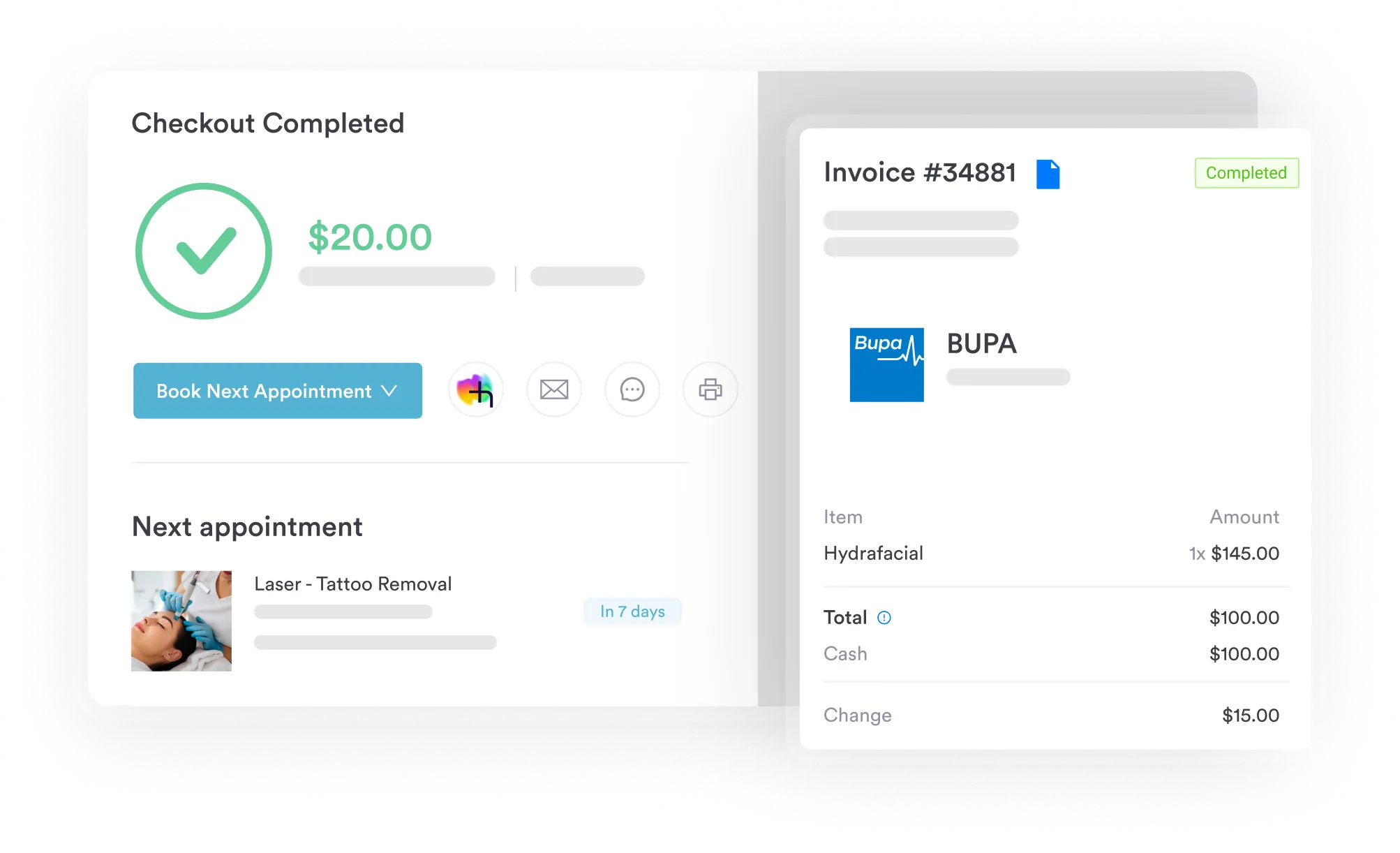
Storing clinical notes beside the billing record pays off during an audit. Patient care management workflows keep the note, the order, and the delivery confirmation in one place. Answering a contractor’s request then takes minutes instead of an afternoon.
Reporting benefits too. Built-in dashboards show which codes keep getting denied, so a pattern shows up in weeks rather than at year end. EHR integration keeps that view accurate without exporting spreadsheets between systems.

Pabau holds clinical notes, signed forms, and insurance claims on the same patient record, with field checks before anything is sent. See how billing teams use it to keep documentation audit-ready.

The temptation with E0217 is to keep testing the policy, one claim at a time. That never pays off. Medicare denies the pad, denies the pump, and denies the replacement pad, and no diagnosis or modifier shifts any of it.
So treat the denial as the plan rather than the problem. Offer E0210 first, get the ABN signed before delivery, append GA, and leave KX off the line. Done consistently, the patient knows the price before the pad leaves your shelf, and the write-off never appears.
Keeping that paperwork together is where software earns its place. Pabau’s medical practice management software holds notes, forms, and claims on one record. Book a demo to see how it keeps your DME documentation ready before the claim goes out.

Billing another item from the same heating and heat lamp policy? HCPCS code E0239 covers the portable hydrocollator unit and why Medicare treats it as institutional equipment.
Supplying wheelchair parts alongside home equipment? HCPCS code K0046 walks through the elevating legrest extension tube and how to bill it.
Need the paperwork payers ask for before delivery? Medical prior authorization form gives you a template to adapt for any payer that requires approval first.
Worried about what an auditor can ask your team for? HIPAA compliance checklist sets out the documentation standards that protect your practice during a payer audit.
Yes. Aquathermia pad, water circulating heat pad, and K-pad all describe the same device. The code follows the build, not the brand name on the reservoir.
A good faith estimate of what the patient will owe. CMS expects it within $100 or 25% of the actual cost, whichever is greater.
Up to one year, when it covers an extended course of treatment. If the item or the plan of care changes inside that year, issue a new ABN.
Yes. If the patient picks option 1 on the ABN, you submit the claim anyway, and the denial notice gives them formal appeal rights.
No. E0217 does not sit on Medicare’s required prior authorization list for DMEPOS, and approval would not change a denial the policy already sets.
Assume not. Medicare Advantage plans follow Medicare coverage rules, including this LCD. Some plans add supplemental benefits, so check the plan document before you promise anything.