

HCPCS code E0198: Water pressure pad billing guide
HCPCS code E0198 is a water pad for a standard mattress HCPCS code E0198 is the ...

Last Updated: Oct 13, 2026
E0191 is the HCPCS Level II code for heel or elbow protector, each.
HCPCS code E0191 pays for a heel or elbow protector, a reusable padded device that guards a bony pressure point from breaking down. On paper, it is one of the simplest codes in the DME book.
The claim behind it is not always as simple. Suppliers lose these small claims to the same handful of mistakes. A wrong unit count, a missing modifier, or a mismatched diagnosis code, any one of them can sink the claim.
Get those details right, and E0191 pays out cleanly every time.
Let Pabau's smart automation suggest the right codes, reduce claim denials, and keep your practice compliant—effortlessly.
Automate repetitive tasks and focus on what matters most—your patients.
Reduce coding errors and ensure compliance with the latest regulations.
Clean claims, fewer denials, and faster reimbursements.
Powerful insights and reporting to help your practice thrive.
HIPAA compliant SOC 2 certified GDPR-compliant Trusted by 4,000+ clinics worldwide

HCPCS code E0191 covers one heel or elbow protector, billed as a single unit of durable medical equipment.
Two protectors supplied on the same day need two claim lines, not one line with a quantity of two.
CMS assigns E0191 a coverage decision of carrier judgment, so your contractor decides each case and no dedicated LCD exists.
A dated written order, a matching ICD-10 code, and proof of delivery are what keep the claim payable.
Practice management software like Pabau keeps the order, the notes, and the delivery record inside one client file.
HCPCS code E0191 covers a heel or elbow protector, supplied one at a time. It is a Level II durable medical equipment (DME) code, and its descriptor runs four words long.
That brevity is where the trouble starts. “Each” means one protector, so a patient who goes home with a heel protector and an elbow protector generates two lines, not one.
Payers watch this category closely, and the reason is money. Hospital-acquired pressure injuries cost the US health system more than $26.8 billion a year, according to a 2019 study in the International Wound Journal.
A low-cost protective device therefore draws the same order, diagnosis, and delivery scrutiny that a wheelchair does.
The table below covers the fields you will be asked for.
That last row does most of the damage in practice. Billing both protectors on one line with a quantity of two will often come back denied or short-paid. Split them, and the claim reads the way the fee schedule expects.
There is no single national figure to quote. E0191 sits in Medicare’s inexpensive or routinely purchased category, and allowables are published state by state in the DMEPOS fee schedule files.
Look yours up by state and code rather than working from a national average someone quoted you.
The payment category matters more than the dollar amount. It sets whether you can rent the item, how much you can collect in total, and which supplier rules apply. Commercial payers do their own thing, so read the contract before you assume Medicare logic carries over.
No Local Coverage Determination exists for E0191.
CMS gives the code a national coverage decision of carrier judgment, which hands the call to your DME contractor on a case-by-case basis. There is no published checklist to satisfy, and no set of criteria you can point to on appeal.
Instead of matching a policy, you are building an argument in the medical record. Reviewers who read a strong clinical picture tend to pay. Reviewers left to guess tend to deny. These are the situations that usually carry the argument:
In a physical therapy practice, most of that evidence already exists in the mobility notes. The work is pulling it into the order file rather than leaving it scattered across visits.
Good compliance management here means checking the record before the item ships, not after a denial lands.
With no LCD to cite, the medical record is your entire coverage argument. Ask the prescriber to name the site, state the risk in their own words, and say what happens without the device. A reviewer reading that note should never have to infer anything.
The ICD-10-CM code on the claim has one job: explain why this patient needs this device. It has to match what the prescriber documented, not what makes the claim easiest to justify.
The codes below are the ones that come up most often on E0191 claims.
Two habits keep this section of the claim clean.
First, code to the specificity the record supports, because an unspecified code where a staged one exists invites a review request. Second, recheck your codes each October, when the ICD-10-CM tabular list is updated.
Incomplete files cause more E0191 denials than wrong codes do. The item is cheap, the order is short, and the record often gets treated casually as a result. Here is what a payer expects to find when it asks.
E0191 does not appear on CMS’s required face-to-face and written order prior to delivery list, which covers a defined set of costlier equipment. So no separate face-to-face encounter document is needed for this code, and chasing one wastes time you could spend on the risk assessment.
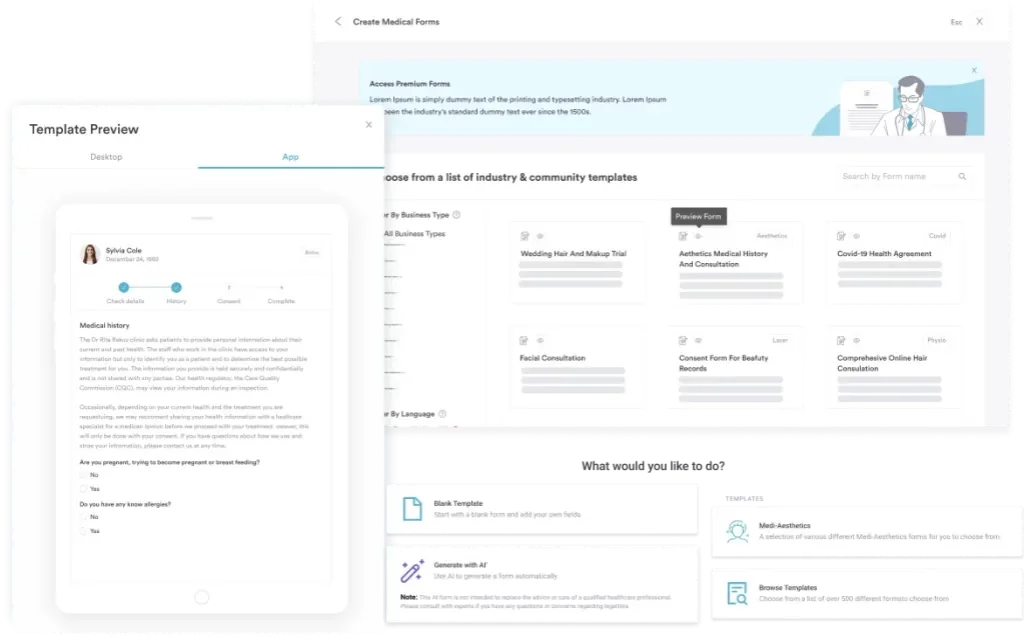
Where that evidence lives matters as much as whether it exists. Occupational therapy teams often own the positioning plan, so the justification sits in their notes rather than the prescriber’s. Structured digital forms pull both into one place.
Retention is the part people underestimate. DMEPOS suppliers have to keep ordering and referring documentation for seven years from the date of service.
Post-payment review can arrive long after the money did, so HIPAA-compliant record storage needs to be searchable, not just secure.
The sequence below is the one that survives review. Each step exists because skipping it creates a denial later.
A worked example makes the unit rule concrete. Say a patient comes home after a hip fracture and both heels are at risk.
The prescriber orders two heel protectors on May 4, and the supplier delivers them on May 6. The claim carries two E0191 lines, one unit each, both tied to the same risk diagnosis.
Now change one detail. The same patient also needs an elbow protector. That is a third line, still one unit of E0191. The code counts devices, not body parts.
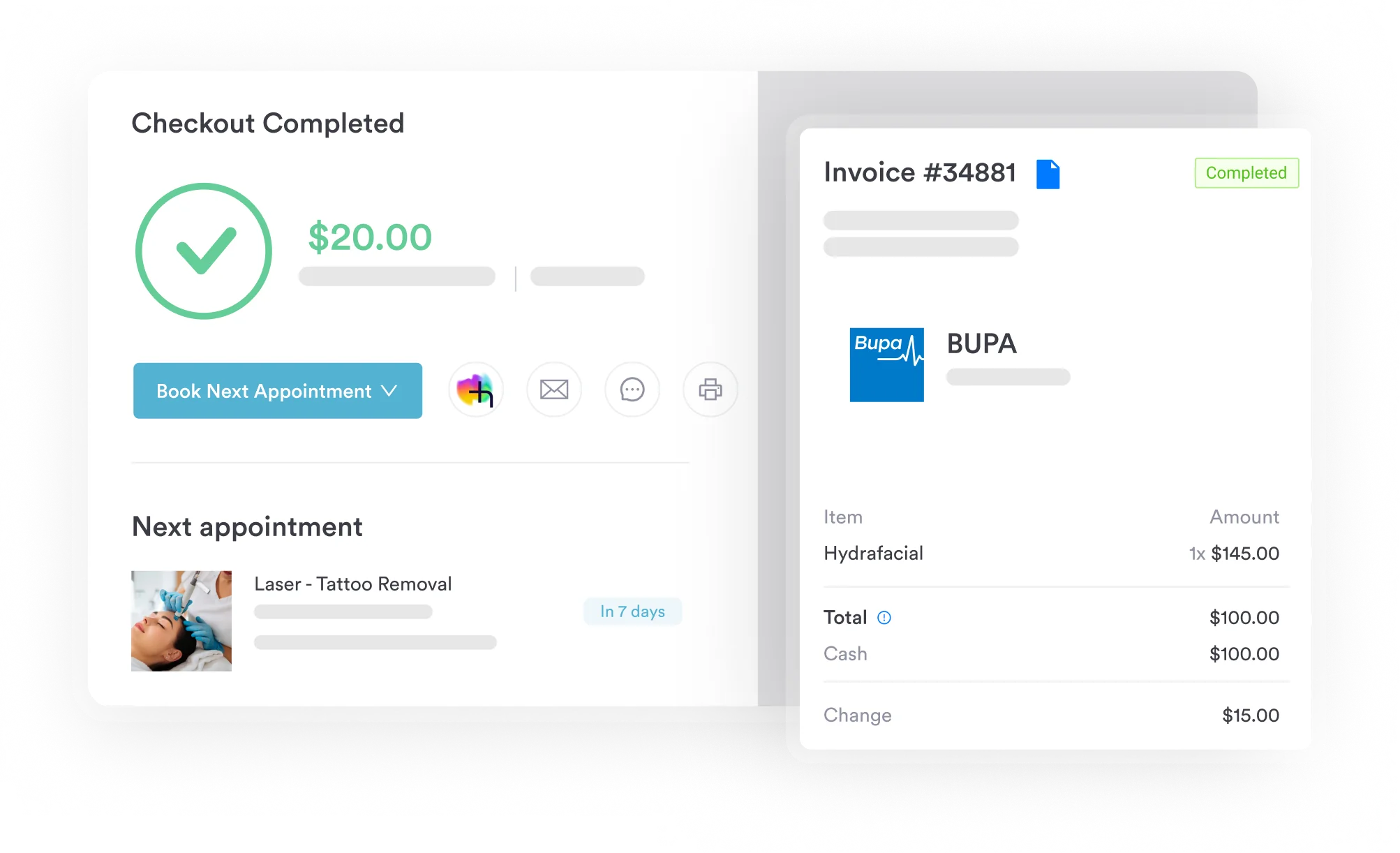
Two details on the claim trip people up regularly. The prescriber’s identifier has to be their individual number, and the difference between Type 1 and Type 2 NPIs is worth getting right once.
Consistent order and intake forms stop the other one, which is a description that does not match the item delivered.
Fewer than you might expect. Modifier practice on E0191 is not standardized across contractors, so check your own contractor’s guidance before you build a habit around any of these.
KX deserves a closer look, because it gets added out of habit. The modifier attests that a medical policy’s requirements are met.
With no policy attached to E0191, there is nothing to attest to, and an unexpected modifier can send the line back unpaid.
Medicare fee-for-service does not require prior authorization for E0191, because the code does not appear on CMS’s required prior authorization list.
That list is short and specific, and it grows by rulemaking rather than quietly. Medicaid and commercial plans set their own rules, and some of them do ask.
Ninety seconds on this list saves hours of appeal work. Read it against the actual file, not from memory.
Most miscoding in this family comes from picking a neighbor by memory. The table below sets E0191 against the codes it gets confused with, so you can rule each one out quickly.
The dressing boundary causes the most arguments. A6210 describes a foam wound cover priced by pad area, and it says nothing about anatomy.
A reusable padded device worn on the heel or the elbow is E0191. A lambswool pad has its own code, own code, E0189, and it is not interchangeable with either.
Pressure relief for the whole body is a different claim. E0196 covers a gel pressure mattress, a full replacement for the bed mattress rather than a device worn on one limb.
When a product could plausibly be a dressing or a protector, ask the manufacturer for its PDAC coding verification in writing. One document settles the E0191 versus A-series question before a reviewer settles it for you.
Ask most practices where an E0191 file lives and you get a list of places. The order arrives as a scanned PDF, and the risk assessment sits in a visit note.
The delivery slip is in a folder somewhere, and the invoice lives in the billing system. When a reviewer asks for the file, somebody spends an afternoon rebuilding it.
Practice management software like Pabau closes that distance. Client records, digital forms, treatment notes, and invoicing all sit in one file.
The order, the assessment, and the charge stay attached to the same patient. Pabau serves aesthetics, wellness, and private practice teams, and this is the documentation layer they rely on rather than a claims clearinghouse.
The outcome is dull in the best way. A practice management platform that already holds the evidence turns an audit request into a lookup.
Teams that adopt structured record features also stop re-entering the same details into three systems, which is where most description mismatches begin.
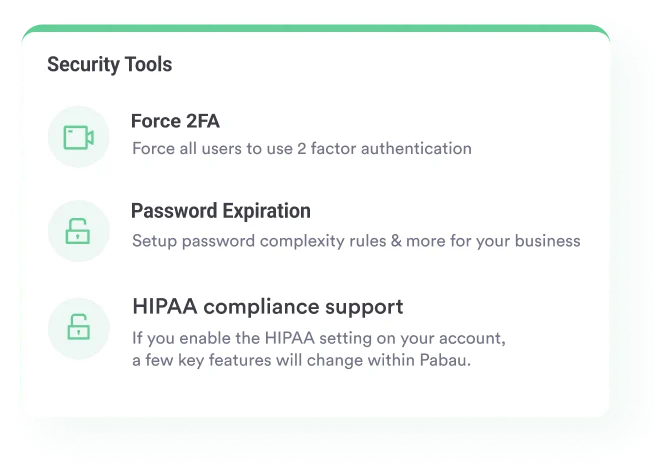

Pabau brings client records, digital forms, treatment notes, and invoicing into a single file. So when a payer asks for documentation, the answer is a lookup rather than an afternoon of searching.

E0191 is a small code that punishes casual handling. Nobody appeals a denial on a heel protector because the money is worth chasing. They appeal because the same mistake is sitting on a hundred other claims, and the pattern is what costs real money.
So put the effort where the decision actually happens. Count the units, write the risk into the record while the prescriber is still in the room, and keep the file assembled from the start. Coverage rests on contractor judgment, which means your documentation is the argument, and it only has to be built once. When a claim on this code comes back unpaid, the denial reason codes on the remittance name the cause. Practices still filing on paper carry this code on the CMS-1500 form, in the service lines.
Book a demo to see how Pabau keeps orders, clinical notes, and delivery records in one client file, ready for the next documentation request.

Billing another item of mobility equipment? E0111 walks through the coverage and modifier choices for a forearm crutch.
Supplying a portable heat unit? E0239 covers the documentation a hydrocollator claim needs before it goes out.
Working on wheelchair accessory claims? K0046 explains how component-level codes are counted and billed.
Billing a supply by the day instead of the unit? B4036 shows how a per-day billing unit changes the claim.
Billing a connective tissue graft procedure? HCPCS code C1762 covers billing for human connective tissue grafts, including fascia lata, on facility claims.
Part B, under the durable medical equipment benefit. One exception matters. During a covered Part A skilled nursing stay, the protector is folded into the facility’s payment, so a supplier cannot bill it separately. Home health works differently, because DME sits outside the bundled episode payment and stays billable under Part B.
Only when you expect Medicare to deny the item as not medically necessary. Issue an Advance Beneficiary Notice of Noncoverage before delivery, get it signed, then add modifier GA to the line. Without a signed notice, use GZ instead and accept that you cannot bill the patient.
The treating practitioner, which covers a physician, nurse practitioner, physician assistant, or clinical nurse specialist enrolled in Medicare. The written order needs the patient’s name, the item, the order date, and the prescriber’s signature and NPI. A verbal order still needs a signed written version on file before you bill.
Yes, when the record supports both. A protector treats one site, while a mattress overlay addresses the whole body, so they do different jobs. Document why each is needed. A reviewer who sees overlapping pressure-relief items justified by a single note tends to deny the smaller line.



