ICD-10 Code Y76.0: Diagnostic obstetric and gynecological devices
ICD-10 Code Y76.0: Definition and billable status ICD-10 Code Y76.0 is a valid, ...

Last Updated: Oct 23, 2026
Billable Code Specific Code
S88.929D is the billable ICD-10-CM code for partial traumatic amputation of unspecified lower leg, level unspecified, subsequent encounter.
Let Pabau's smart automation suggest the right codes, reduce claim denials, and keep your practice compliant—effortlessly.
Automate repetitive tasks and focus on what matters most—your patients.
Reduce coding errors and ensure compliance with the latest regulations.
Clean claims, fewer denials, and faster reimbursements.
Powerful insights and reporting to help your practice thrive.
HIPAA compliant SOC 2 certified GDPR-compliant Trusted by 4,000+ clinics worldwide

S88.929D is a billable ICD-10-CM code for partial traumatic amputation of unspecified lower leg, level unspecified, subsequent encounter – valid for 2026 claims.
The 7th character D signals a subsequent encounter: Use it only after the provider completes active treatment, during routine healing, surveillance, or rehabilitation visits.
Unspecified laterality (S88.929D) may trigger payer claim edits – use S88.921D (right) or S88.922D (left) whenever the operative report documents the side.
Pabau’s claims management software helps rehabilitation and trauma practices route subsequent encounter codes accurately and flag missing laterality documentation before submission.
ICD-10 code S88.929D describes a partial traumatic amputation of the unspecified lower leg, level unspecified, subsequent encounter. It’s a fully billable ICD-10-CM code for fiscal year 2026 and sits within the S80-S89 injury block of the ICD-10-CM tabular list. This type of injury is often described in practice as a below-knee amputation, or BKA, though the correct ICD-10 code depends on whether the operative leg is documented in the record.
The S88 category covers traumatic amputations of the lower leg, between the knee and the ankle. S88.929 is the base code for partial amputation at an unspecified level of an unspecified leg. The D extension confirms this encounter occurs after initial acute care has concluded. For valid reimbursement, all claims dated on or after October 1, 2015 require ICD-10-CM codes, per CMS ICD-10 coding requirements.
Understanding where S88.929D sits in the classification tree helps coders avoid selecting codes from adjacent categories. The full hierarchy is:
Payers only reimburse the fully specified 7-character code. Payers will reject any claim that uses S88, S88.9, or S88.92 alone. CDC/NCHS ICD-10-CM coding principles require coding to the highest level of specificity — see the CDC/NCHS ICD-10-CM coding tool for reference.
For related traumatic injury ICD-10 codes covering neurological and vascular complications that may co-occur with lower leg amputations, clinicians should review associated documentation requirements separately.
The most common coding error on amputation follow-up visits is applying the initial encounter character (A) beyond the acute treatment phase. The ICD-10-CM Official Guidelines define three 7th character options for S88.929:
| 7th Character | Code | Clinical Meaning | When to Use |
|---|---|---|---|
| A | S88.929A | Initial encounter | During active treatment – ER, surgical care, initial acute management |
| D | S88.929D | Subsequent encounter | Routine healing, rehabilitation visits, wound checks after active treatment ends |
| S | S88.929S | Sequela | Late effects of the amputation – e.g. phantom limb pain, stump complications arising after healing |
A critical point: “subsequent encounter” does not mean the patient’s second appointment. It means any encounter after the active treatment phase is complete. A patient returning for prosthetics fitting eight months post-amputation should carry the D character. A patient still under surgical management for wound breakdown reverts to A. Coders should consult AAPC Codify’s ICD-10-CM guidance for specific documentation thresholds by payer when cases are ambiguous.
Proper 7th character application directly affects 7th character coding guidelines across all injury categories – the same active-vs-subsequent logic applies system-wide in ICD-10-CM.
Document the transition from active treatment to subsequent encounter in the clinical notes. A clear statement such as ‘surgical wound closed, patient entering rehabilitation phase’ gives auditors the justification they need if a payer questions the 7th character D during a claim review.
The “929” sub-code in S88.929D specifies unspecified laterality. This creates a documentation vulnerability that payers routinely flag. The ICD-10-CM tabular list provides laterality-specific alternatives:
Use S88.929D only when the record contains no documentation of the operative limb — which is rare in practice. If surgical notes, operative reports, or radiology mention left or right, use the specific code. Submitting S88.929D when the chart documents laterality commonly triggers audits and may produce a claim edit or denial under Medicare medical review policies.
Maintaining structured HIPAA-compliant documentation in the patient record reduces the risk of laterality ambiguity at the time of coding. When clinical notes consistently capture operative side, coders can select the correct laterality code without guessing.
Structured digital intake and clinical forms that include a required laterality field prevent this ambiguity entirely – coders receive the documentation they need without chasing providers for clarification.
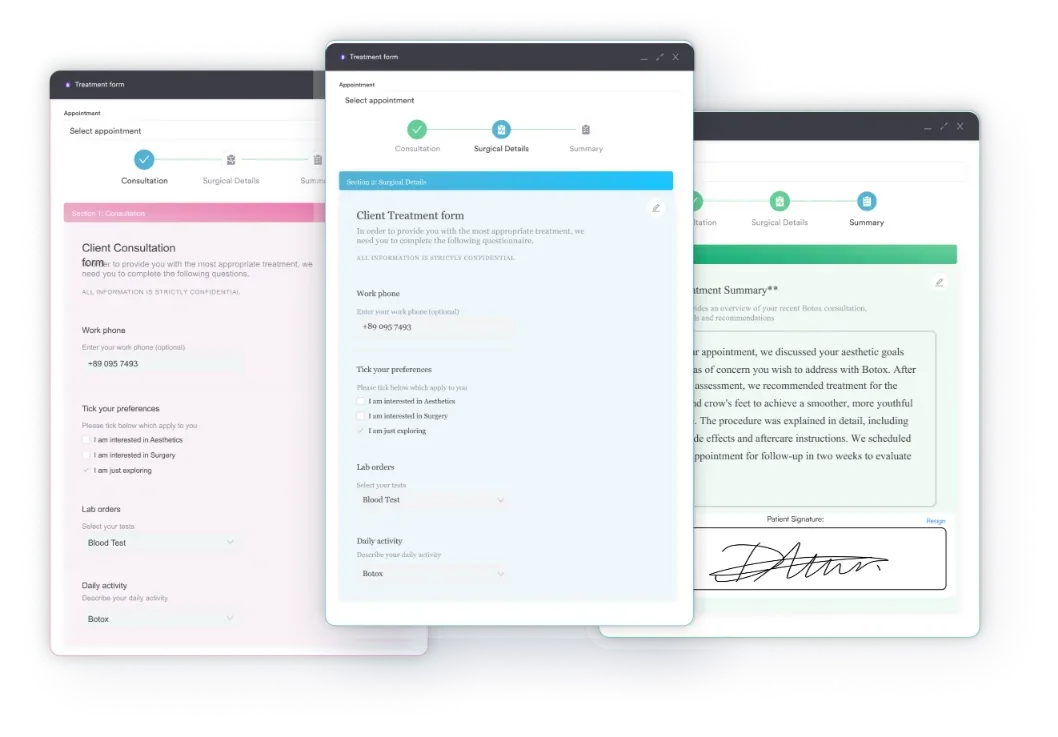
Payers expect to see specific elements in the encounter note before approving S88.929D claims. Missing documentation causes most S88.929D claims to reprocess or deny on appeal.
For rehabilitation and physical therapy practices, documentation of functional goals and progress benchmarks also supports medical necessity under many payer policies. Practices using physical therapy EMR software with structured note templates can embed these required fields directly into the follow-up encounter workflow, reducing missing documentation before claims are generated.
Linking the encounter note to clinical documentation and patient records from prior visits creates an auditable trail that supports the 7th character D selection without additional manual justification.
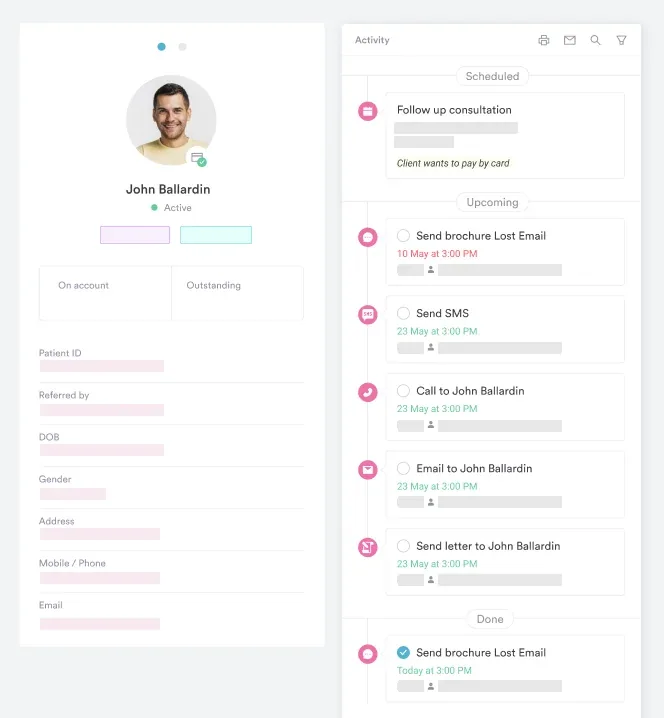

Pabau helps rehabilitation and trauma practices capture the structured documentation needed for accurate subsequent encounter billing – reducing denials and audit risk on injury claims.

S88.929D rarely appears in isolation. Subsequent encounter visits for lower leg amputation patients typically involve co-occurring diagnoses that must be coded alongside it. Understanding the related code landscape prevents sequencing errors.
The S88 category covers traumatic amputations specifically between the knee and ankle. Adjacent codes include S88.011D through S88.929D, covering complete and partial amputations at various levels: at the knee, through the tibia and fibula (below the knee), and level unspecified. The S89 category covers other and unspecified injuries of the lower leg and should not be used when an amputation code applies.
Coders should verify pairs against the ICD List diagnostic code database for current edit logic, particularly when combining S88.929D with acquired absence codes. Sequencing rules from the AHA Coding Clinic and WHO ICD-10 classification confirm that the injury code takes sequencing priority in acute and subacute encounters, with payers expecting Z-codes as secondary.
For coders managing complex injury claims.
When coding S88.929D alongside acquired absence codes (Z89 series), confirm which condition drove the visit. If the patient is being seen specifically for prosthetic fitting, Z89.519 may sequence first. If wound management is the primary service, S88.929D should lead. Document the visit reason explicitly to guide sequencing.
Subsequent encounter injury codes interact with several billing rules that differ from initial encounter submissions. Understanding these rules before claims go out reduces avoidable rework.
A common question for coders: When does an injury subsequent encounter code (7th character D) give way to an aftercare code (Z47.89 or similar)? ICD-10-CM guidelines specify that aftercare codes are used when the condition is healing normally and the focus has shifted to recovery management – but clinicians generally prefer injury codes with 7th character D while the injury itself is still being monitored, even passively. Aftercare codes take over when the injury is fully resolved and only long-term management remains. First-pass rate measures how often a claim is paid without anyone touching it again. Coding sits in the middle of the revenue cycle, between registration and payment posting.
Medicare’s claim edit logic flags S88.929D when paired with procedure codes inconsistent with follow-up amputation care. Submitting this code alongside surgical amputation CPT codes (e.g., 27880-27899 range) will trigger a claim edit because the D character implies post-surgical status. The correct pairing involves evaluation and management codes (99211-99215) for routine follow-up, rehabilitation procedure codes for PT/OT services, or prosthetics HCPCS codes for fitting encounters.
Tracking these patient compliance tracking touchpoints within the clinical record also supports the medical necessity narrative for ongoing rehabilitation claims, particularly for Medicare Advantage plans that apply stricter prior authorization rules for prosthetics services.
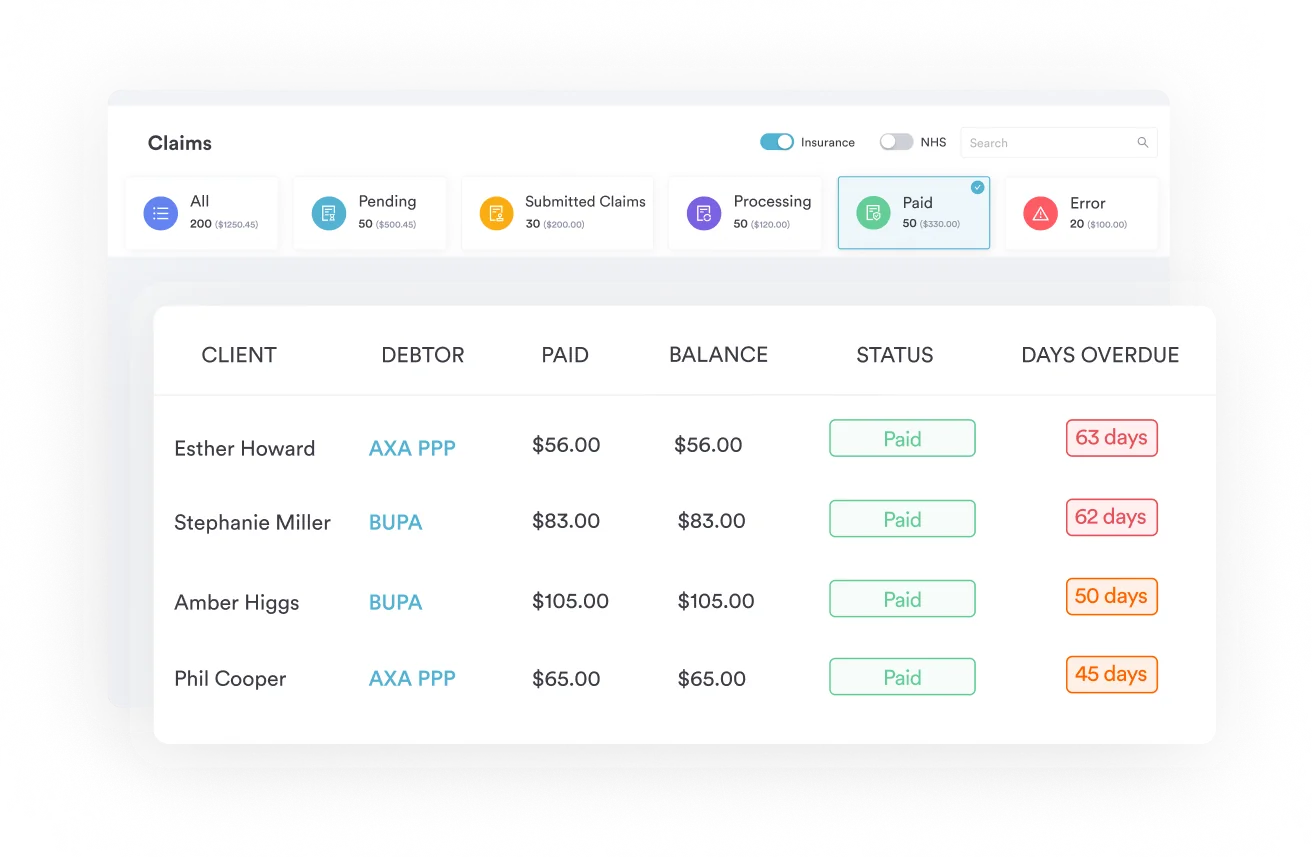
Practices managing high volumes of post-amputation follow-up visits benefit from automated pre-claim checks that validate the 7th character against the documented encounter type. Pabau’s claims management workflows allow practices to build rule sets that flag S88.929D submissions lacking a documented transition note – catching the most common denial reason before the claim leaves the practice.
Consistent use of clinical documentation forms across every follow-up encounter creates the paper trail auditors expect when reviewing subsequent encounter injury codes – reducing the time practices spend on retrospective documentation requests after a payer flags the claim.
Three errors account for the majority of S88.929D claim problems in practice:
Practices managing rehabilitation clinic compliance requirements should include 7th character audits as part of their routine coding quality reviews – particularly for injury codes in the S80-S89 range where the subsequent encounter character is the most common selection on return visits.
Coding S88.929D correctly comes down to three decisions: confirming active treatment has ended, choosing the right laterality code when documentation allows, and selecting D over S until the original injury has fully resolved. Each of these requires structured clinical documentation at the point of care, not reconstruction at the time of billing.
Pabau’s automated clinical workflows help rehabilitation and trauma practices embed the documentation requirements for subsequent encounter coding directly into their follow-up templates, so coders receive the structured data they need without chasing providers. To see how Pabau handles injury code documentation across post-operative and rehabilitation workflows, book a demo.

Billing a follow-up TMS treatment session? Subsequent TMS therapy billing guide covers billing and management for each follow-up transcranial magnetic stimulation session.
Need a reference for adjacent injury coding? Intraparenchymal hemorrhage ICD-10 codes details the I61.x series, plus documentation tips and coding best practices.
Billing a biofeedback training session? Biofeedback training billing guide covers billing for biofeedback sessions across EMG, EEG, and other modalities.
ICD-10 code S88.929D is a billable diagnosis code for a partial traumatic amputation of an unspecified lower leg at an unspecified level, subsequent encounter. It is used after active treatment has ended, during follow-up visits for healing, rehabilitation, or prosthetic management, and is valid for fiscal year 2026 claims.
S88.929A applies during active treatment — emergency visits, surgery, and any encounter while definitive care is ongoing. S88.929D takes over once active treatment concludes and the patient enters the healing or rehabilitation phase.
S88.929D applies while the original injury is still being monitored, even passively. S88.929S is reserved for late effects — such as phantom limb pain or stump neuroma — that arise only after the injury has fully healed.
No. When the record identifies the specific leg, use S88.921D (right) or S88.922D (left). S88.929D is reserved for genuinely unspecified laterality and submitting it when the chart documents laterality may trigger a claim edit or denial.
S88.929D pairs with E/M codes (99211–99215) for office follow-up, therapy procedure codes for rehabilitation, or HCPCS L-codes for prosthetic fitting. Surgical amputation CPT codes (27880–27899) should not be paired with the D character.
For a traumatic partial amputation of the left lower leg at an unspecified level, subsequent encounter, the code is S88.922D. If the limb loss is already established and the visit is for prosthetic fitting or long-term management rather than active healing, Z89.512 (acquired absence of left leg below knee) applies instead.
Switch to the acquired absence codes (Z89.511 right, Z89.512 left, Z89.519 unspecified) once the limb loss itself is established and the encounter is about prosthetics or long-term management rather than active healing. S88.929D stays in place as long as the original injury is still being monitored, even passively, including routine wound checks and rehabilitation visits.
Phantom limb pain is coded separately from the amputation itself: use G54.6 for phantom limb syndrome with pain, or G54.7 for phantom limb syndrome without pain. S88.929S applies only to other late effects of the original injury, not to phantom limb pain specifically.