ICD-10 code S61.201A: Open wound of left index finger without nail damage
ICD-10 code S61.201A covers a left index finger wound of unstated type ICD-10 co...

Last Updated: Oct 16, 2026
Billable Code Specific Code
S63.631D is the billable ICD-10-CM code for sprain of interphalangeal joint of left index finger, subsequent encounter.
Physical therapy practices, chiropractic offices, and urgent care providers use it for those return visits. It is valid for HIPAA-covered transactions from October 1, 2025 through September 30, 2026.
The code covers both interphalangeal joints of that finger, so PIP and DIP sprains share it. Only the phase of care changes the 7th character.
Let Pabau's smart automation suggest the right codes, reduce claim denials, and keep your practice compliant—effortlessly.
Automate repetitive tasks and focus on what matters most—your patients.
Reduce coding errors and ensure compliance with the latest regulations.
Clean claims, fewer denials, and faster reimbursements.
Powerful insights and reporting to help your practice thrive.
HIPAA compliant SOC 2 certified GDPR-compliant Trusted by 4,000+ clinics worldwide

S63.631D is a billable ICD-10-CM code for a sprain of the interphalangeal joint of the left index finger at a subsequent encounter.
The 7th character D means active treatment is finished. The patient is now in follow-up, rehabilitation, or physical therapy.
The code is valid for FY2026, from October 1, 2025 through September 30, 2026. Your notes must confirm laterality, joint specificity, and encounter type.
Practice management software like Pabau builds ICD-10 coding into the billing workflow, so 7th character errors get caught before claims go out.
The table below is a quick reference for the essential facts about S63.631D.
This code carries three pieces of information: injury type, joint, and side of the body.
Sprain vs. other finger injuries. A sprain involves stretching or tearing of the ligaments that stabilize a joint. It differs from a fracture (broken bone), a dislocation (displaced joint), and a strain (muscle or tendon injury). Coding a sprain as a fracture creates claim errors and can trigger audits. A partial dislocation is a subluxation, which falls outside the sprain codes. S63.230A covers that injury at the right index proximal interphalangeal joint on the first visit of active treatment.
Interphalangeal joint. The index finger has two interphalangeal joints. They are the proximal interphalangeal (PIP) joint and the distal interphalangeal (DIP) joint. S63.631D covers a sprain at either one.
If the notes specify PIP or DIP, record that detail in the chart. The code does not distinguish between the two, but the specificity supports the clinical picture if the claim is reviewed.
Left laterality. ICD-10-CM requires laterality documentation, and this code explicitly designates the left hand. Using it for a right index finger sprain is a coding error. The right-side equivalent is S63.630D.
The base code S63.631 covers sprains of the interphalangeal joint of the left index finger at any stage. The 7th character records which stage of care the visit represents. Choosing the wrong one is a common reason finger sprain claims get denied or returned.
The ICD-10-CM Official Guidelines, Section I.C.19, govern which 7th character applies.
A common mistake is using A for every physical therapy visit because the patient is “still treating.” Under ICD-10-CM guidelines, active treatment means care directed at the injury itself during the acute phase. Ongoing PT visits after that phase are subsequent encounters and take D.
Knowing where S63.631D sits in the CMS ICD-10-CM code set helps you navigate related codes and check category-level inclusion notes.
ICD-10-CM includes notes that list clinically accepted synonyms mapping to S63.631D. Coders at chiropractic practices and occupational health practices meet these alternate wordings in charts and payer correspondence.
These wordings show up in crosswalk tools and encoder software. When a referring physician writes “left index IP joint sprain,” you can map it to S63.631D for a follow-up visit.
Section I.C.19 of the ICD-10-CM Official Guidelines sets the framework for injury coding across encounter types. For Chapter 19 musculoskeletal codes, the 7th character D applies across many clinical settings.
Key rules for applying D correctly:
Clinicians at occupational therapy practices, physical therapy practices, and urgent care centers need specific elements in the record to support this code. Home health therapy visits billed under G0152 carry the same requirement. Missing any element creates audit risk and can lead to denial.
Practices using digital intake forms can standardize laterality and joint-level fields, so clinicians capture these details at every visit without relying on free text. Written home-program instructions help as well, and good patient education gives your progress notes something concrete to record.

Flag subsequent encounter visits in your scheduling system when the appointment is booked. A status tag on the appointment tells the coder to pick D instead of A before the claim is generated. Catching it at that point costs nothing.
A code missing its 7th character is not a valid ICD-10-CM code at all, so the claim fails before a reviewer ever sees it. That rule sits inside the standards governing HIPAA-covered transactions.
S63.631D belongs to a family of finger sprain codes inside the S63.6 subcategory. Sports medicine and hand therapy practices reference these sibling codes when treating multiple-finger or bilateral injuries. The AAPC ICD-10 lookup gives you a searchable view of the full S63 category.
Thumb sprains sit outside the S63.63 finger series and carry their own codes. A sprain of the right thumb interphalangeal joint at the same stage of care is S63.621D.
For workers’ compensation cases involving hand injuries, laterality and finger-specific coding across the S63.6x range decide whether the claim clears.
Payers run automated edits that flag any mismatch between the documented injured side and the laterality in the code. Fracture codes carry a longer 7th character list than sprains do, as sprains do, as S42.302K shows.
A wrong 7th character usually surfaces when the denial arrives. Someone pulls the chart, confirms the visit was follow-up care, changes A to D, and resubmits. The claim was clinically correct all along, but the practice waits another billing cycle for the money.
Practice management software like Pabau keeps the diagnosis code attached to the treatment note rather than in a separate billing queue. Pabau’s claims management software carries that note into the claim. Whoever codes the visit can see the plan of care and the visit history while they work.
For a left index finger sprain, that means the coder can tell at a glance whether this is visit one or visit six. Every Pabau subscription includes the full billing and claims toolset, so the check does not depend on which plan you are on.
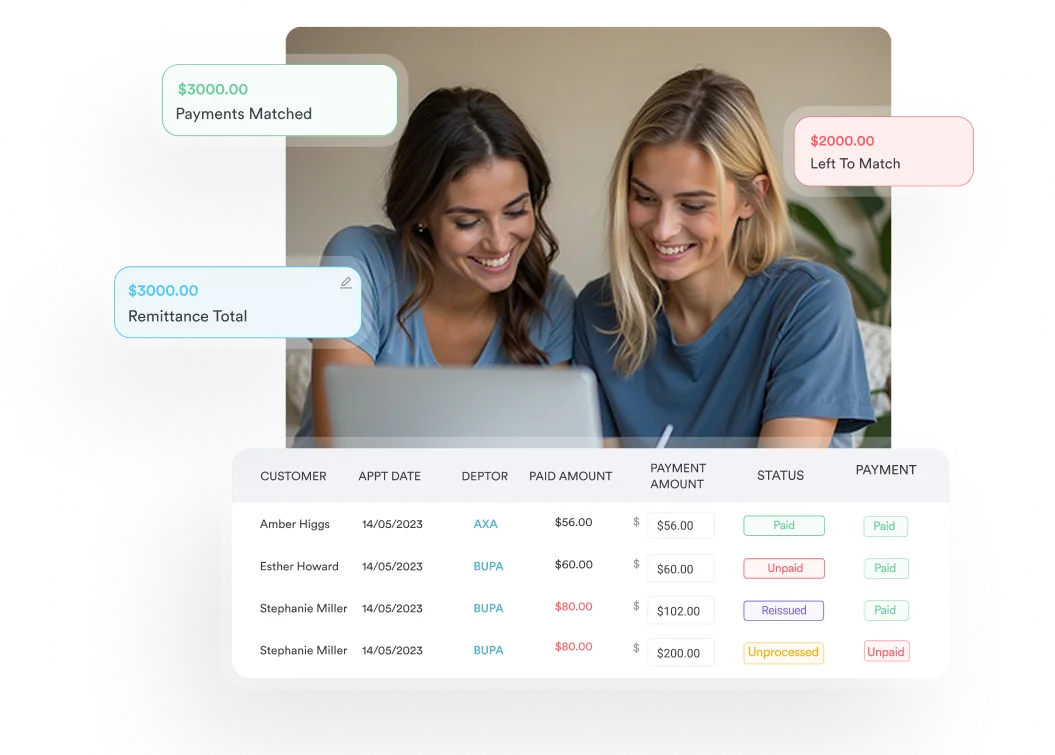

Pabau keeps diagnosis codes on the treatment note and carries them straight into the claim. Subsequent encounter visits leave your practice with the right 7th character, so you get fewer corrections and faster payment.

The choice between A, D, and S is a judgment about the phase of care, and the chart has to show that judgment. If the note reads like a follow-up visit, D is defensible. If it reads like the start of active treatment, it is not.
Build the check into the visit rather than the billing review. A scheduling tag, an intake field for laterality, and a note template naming the plan of care do most of the work. They catch 7th character errors that a post-denial audit finds far too late.
Book a demo to see how Pabau handles ICD-10 coding and claims for physical therapy, chiropractic, and sports medicine practices.

Coding an anterior lumbar osteotomy instead? Anterior lumbar osteotomy billing covers CPT code 22224 for an anterior lumbar osteotomy with discectomy to realign the spine.
Billing Medicare for follow-up care? Medicare billing walks through the claiming channels and the compliance checks behind them.
Coding a debridement instead? CPT code 11043 covers the billing rules for muscle and fascia debridement.
Running home health plans of care? G0162 explains how skilled nursing visits are billed against the plan of care.
ICD-10 Code S63.631D is a billable diagnosis code for a sprain of the interphalangeal joint of the left index finger at a subsequent encounter. The 7th character D indicates the patient’s active treatment phase is complete and the current visit is for follow-up, rehabilitation, or routine monitoring.
Yes. S63.631D is a billable, specific ICD-10-CM code valid for HIPAA-covered transactions from October 1, 2025 through September 30, 2026 (FY2026). It can be used on claims for reimbursement without requiring a more specific code.
S63.631A applies to the initial encounter when active treatment for the sprain is being administered. S63.631D applies to subsequent encounters once active treatment is complete and the patient is receiving follow-up care, physical therapy, or routine monitoring. The injury is the same. Only the phase of care differs.
Use the 7th character D for any visit where the patient is receiving care after the active treatment phase has ended. Physical therapy follow-up visits, chiropractic adjustments for an existing complaint, splint checks, and routine wound care all qualify as subsequent encounters. ICD-10-CM Official Guidelines Section I.C.19 sets out the rule.
Yes. S63.631D is frequently used in physical therapy billing for follow-up visits treating a left index finger interphalangeal joint sprain. The visit note must document that active treatment is complete and the patient is progressing through a rehabilitation plan of care. Payer coverage policies vary, so verify with individual payers before submitting.
S63.631D is used during the follow-up phase of an active, recent sprain. S63.631S (sequela) applies when the injury has resolved but a late effect or residual condition persists. Chronic joint instability appearing months after the original sprain is the classic example. Sequela coding requires documenting both the residual condition and the original injury as the cause.