









ICD-10 code S63.618A: Unspecified sprain of other finger
Most denied finger sprain claims trace back to one of two errors. The first is s...

Last Updated: Sep 3, 2026


ICD-10 code S66.527S means laceration of intrinsic muscle, fascia and tendon of the left little finger at wrist and hand level, sequela.
The sixth character carries the digit and the side, so S66.520 is the right index finger and only S66.527 is the left little finger.
S66.527S is billable in the FY2026 ICD-10-CM edition, effective October 1, 2025, and it is exempt from POA reporting.
Sequence the residual condition first and S66.527S second, as ICD-10-CM Official Guidelines section I.B.10 directs.
Practice management software like Pabau prompts providers to record laterality, injury date, and current deficit before the note leaves the room.
ICD-10 code S66.527S covers laceration of intrinsic muscle, fascia and tendon of left little finger at wrist and hand level, sequela. It applies once the laceration has healed and a lasting deficit remains. A patient who returns nine months after a glass injury, still unable to spread the little finger, is coded here.
The digit and the side live in the sixth character, and that is where this family is most often miscoded. S66.520 is the right index finger. Only S66.527 is the left little finger.
S66.527S is a billable, specific ICD-10-CM code. The FY2026 edition took effect on October 1, 2025, and the code has not been revised since ICD-10-CM went live in 2015.
The descriptor above is the wording in the ICD-10-CM tabular list, which NCHS at the CDC maintains for the United States. You can confirm it in the CDC/NCHS ICD-10-CM web tool. CMS publishes the annual code files and the MS-DRG grouper that consumes them.
S66.527S covers a healed laceration involving three tissue types in the left fifth digit: intrinsic muscle, fascia, and the tendons of those intrinsic muscles. The injury site is the wrist and hand level rather than the digit itself. The patient no longer needs wound care, but a deficit traceable to that laceration remains.
One distinction decides this code more often than laterality does. S66.5- is the intrinsic group only. A cut to a long flexor or extensor tendon running down from the forearm belongs elsewhere. The excludes-notes section below sets out where.
Intrinsic muscles begin and end inside the hand. For the fifth digit that means the hypothenar group: abductor digiti minimi, flexor digiti minimi brevis, and opponens digiti minimi. The third palmar interosseous and the fourth lumbrical also act on this finger.
Damage here shows up as loss of finger spread, weak small-object pinch, and poor coordination in the ulnar side of the hand. Those are the deficits a sequela note should name, because they are what separates S66.527S from a healed wound with no residual effect.
The palmar aponeurosis, the hypothenar fascia, and the proximal part of the digital flexor sheath are the fascial structures this code reaches. Fascial laceration matters clinically because scarring can tether the tissue planes around the hypothenar muscles. When that happens, code the scar or contracture as well, then report S66.527S after it. A coding error surfaces as a cash flow problem weeks later, which is why the healthcare revenue cycle is measured end to end.
The tendons covered here belong to the intrinsic muscles above. That includes their insertions into the extensor hood and lateral bands of the fifth digit. They are short, they sit inside the hand, and they are easy to confuse with the extrinsic tendons crossing the same territory.
If the operative or emergency note names the flexor digitorum superficialis or profundus, the correct family is S66.1- rather than S66.5-. If it names the extensor digitorum slip to the little finger, the family is S66.3-.
Documenting which structure was cut is what keeps the coder out of the wrong subcategory. A structured clinical record makes that operative detail easy to retrieve years later.
Each character narrows the code by one decision: body region, then structure, then injury type, then digit and side, then encounter.
Only the last line is billable. S66.5, S66.52, and S66.527 are all non-specific codes that exist for navigation, and a claim carrying any of them will reject.
S66.527 without a seventh character will not clear a claim edit. Category S66 offers only the A, D, and S characters. Unlike the fracture families it has no open-type, delayed-healing, nonunion, or malunion options. So a letter such as G, K, or N on an S66 code is always wrong.
The seventh character records which encounter you are billing, not how severe the injury was. Getting it wrong is a common denial trigger on hand injury follow-up claims. Every code in category S66 takes one of three characters.
A sequela is a residual condition that remains after the acute phase has ended. ICD-10-CM Official Guidelines section I.B.10 sets the sequencing: code the residual condition first, then the sequela code. That means S66.527S rarely appears alone on a claim.
A quick test settles most cases. Wording such as healing wound in the assessment points to the D character. Wording such as sequela of prior laceration, or post-repair tendon adhesion, points to the S character. That distinction matters most in physical therapy practices that pick up grip rehabilitation months later.
Most miscoding in this family is a one-digit slip. The table below holds the codes a coder is most likely to need next, with the exact descriptor for each.
The sixth character runs index to little, right before left, then two residual values. Read it once and the whole family becomes predictable.
Two errors follow from misreading this column. Picking S66.520S puts the claim on the right index finger, a different digit on the other hand. Picking S66.526S keeps the digit but flips the side. The same pattern runs through the flexor family at S66.12- and the extensor family at S66.32-. So S66.127 and S66.327 are also the left little finger.
S66.527S carries no notes of its own. It inherits five from the levels above it, and every one of them changes what else goes on the claim.
Note what is absent here. There is no Excludes1 anywhere in the chain above S66.527S, so nothing on this list is a never-code-together pairing.
Type 2 Excludes means the opposite. The two conditions can coexist, and each gets its own code when the record supports it. A cut nerve or blood vessel in the same hand works the same way, so S64.498S or S65.919S can sit on the claim too.
ICD-10-CM publishes no approximate synonyms or inclusion terms under S66.52-, so the tabular list gives you nothing beyond the descriptor itself. Coders have to work from what providers actually write. These are the phrasings that resolve to S66.527S.
None of these is a separate code. Each one still needs three confirmations before you assign S66.527S. The digit is the little finger, the side is left, and the encounter treats a residual effect rather than the wound.
A sequela claim lives or dies on the causal link. The note has to connect today’s complaint to a specific past laceration, and it has to name the digit and the side. Five elements carry most of that weight.
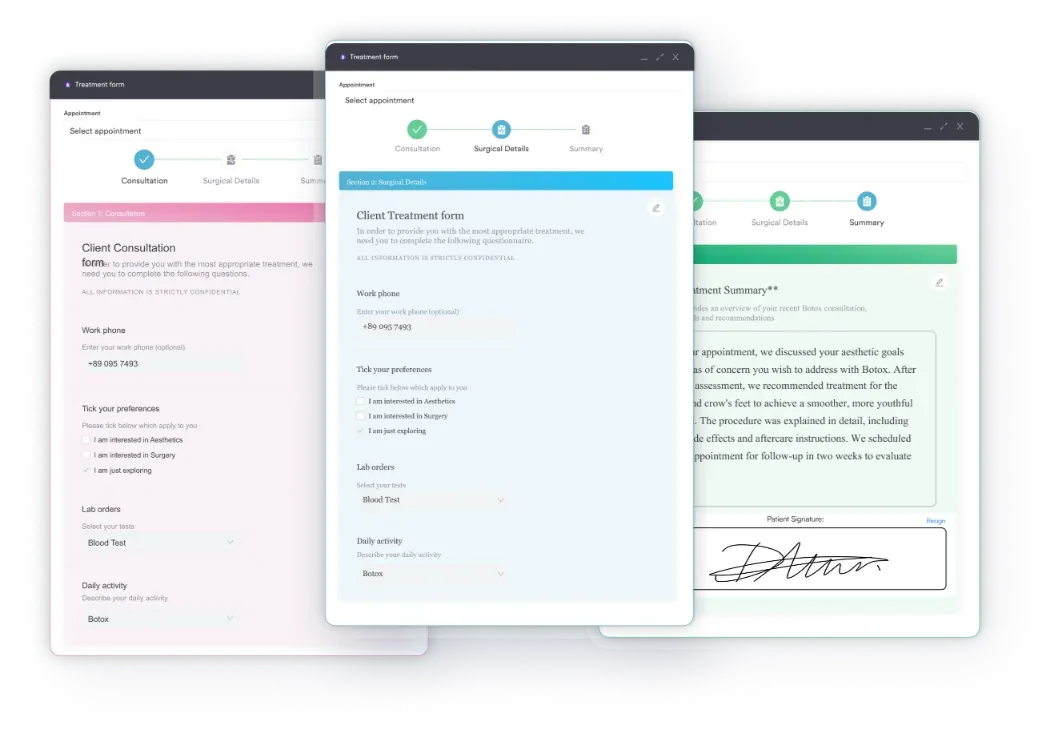
Digital intake forms can collect the injury date, the affected side, and the current deficit before the clinician walks in. Clinical documentation software then keeps those answers in the note itself, which cuts the query list a coder sends back after the visit.
S66.527S is billable, but payment turns on sequencing and support rather than on the code itself. Payers look hard at these claims because the injury they name has already healed. Six points decide most outcomes.
Denials on sequela claims are almost always documentation problems wearing a coding costume. When the note names the original injury, roughly when it happened, and the deficit left behind, the claim usually holds. Capturing those three details during the visit costs far less staff time than reworking a denial later.
Sequela coding fails at the documentation stage rather than the coding stage. When a note never links the old laceration to today’s deficit, the coder must choose between an unspecified code and a query. Both cost money.
Practice management software like Pabau handles that upstream. Structured note templates prompt the provider for encounter type, injury history, and laterality while the patient is still in the room. The coder then works from a complete chart instead of chasing one.
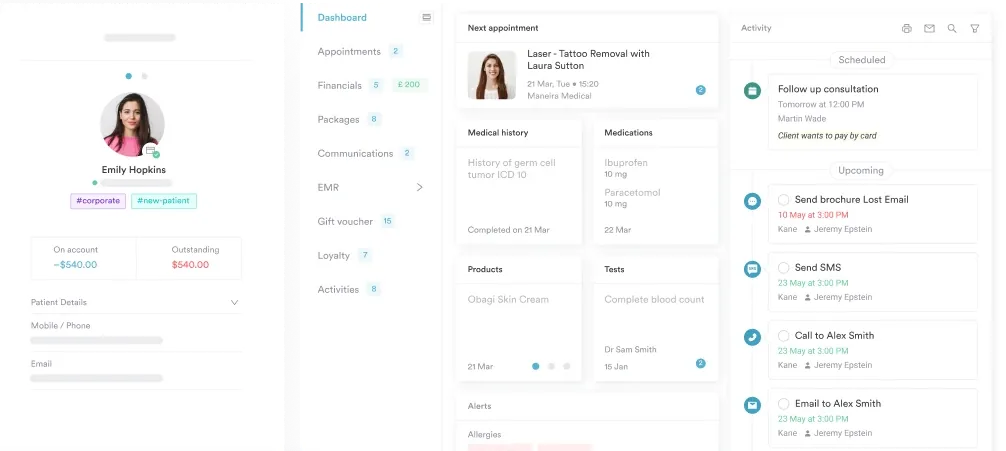
Pabau’s client record keeps every encounter for a patient on one timeline, so the original repair and today’s rehab visit sit side by side. A coder can then prove the causal relationship without opening a second system.
Pabau Scribe, our AI scribe, drafts the note from the consultation itself. Anatomical detail stays in the record rather than in the clinician’s memory.
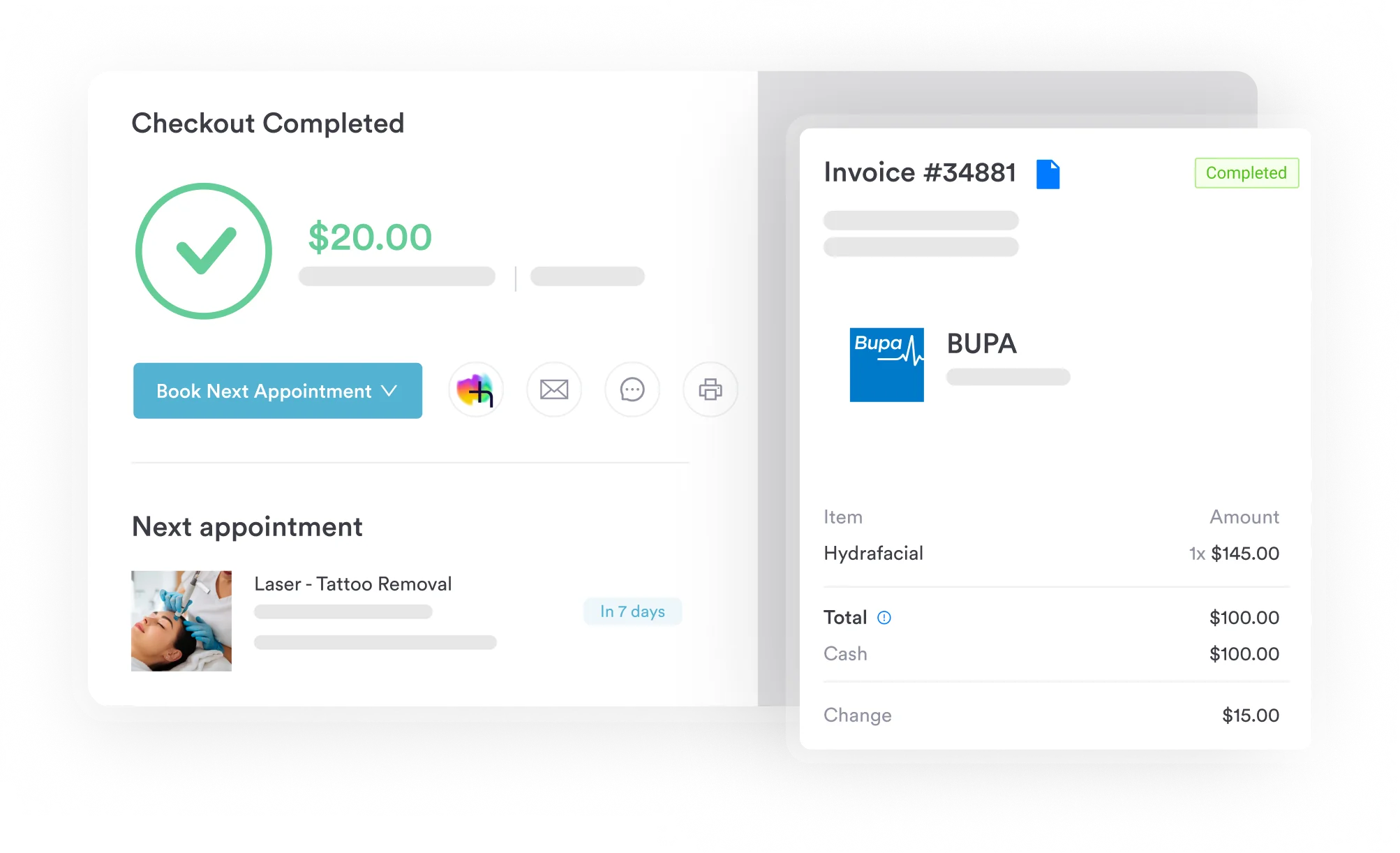
On the billing side, Pabau’s claims management software submits and tracks claims from the same record the clinician documented in. Nothing gets retyped, so the diagnosis codes on the claim match the note behind them.

Pabau’s clinical records, intake forms, and claims tools help your team capture laterality, injury history, and the current deficit at the point of care. Codes like S66.527S then submit right the first time.

The hard part of S66.527S is not the seventh character. It is the sixth. Two coders can agree the encounter is a sequela and still land on different digits. S66.520 through S66.529 look almost identical on a screen. Read the sixth character against the finger map before you submit, every time.
Get that right and the rest follows. Sequence the residual condition first and S66.527S second, then give the external cause code the same seventh character. Add a note that names the injury date and the deficit left behind.
Practices that build those prompts into the visit stop losing time to queries. Book a demo to see how Pabau keeps injury history, laterality, and claims in one place.

Coding the open wound alongside the cut muscle? ICD-10 code S61.311S covers a left index finger laceration with nail damage from initial encounter to sequela.
Was the cut structure an extrinsic flexor? ICD-10 code S56.125S covers flexor tendon laceration of the right ring finger at forearm level.
Sprain rather than a laceration? ICD-10 code S63.615S walks through sequela sequencing for an unspecified sprain of the left ring finger.
Same digit, but the bone rather than the muscle? ICD-10 code S62.606K explains nonunion coding for a right little finger fracture.
Muscle laceration sequela at another site? ICD-10 code S76.129S applies the same sequela rules to a quadriceps muscle laceration.
S66.527S is a billable ICD-10-CM code for laceration of intrinsic muscle, fascia and tendon of left little finger at wrist and hand level, sequela. Use it once the laceration itself has healed. The patient is being treated for a lasting effect such as tendon adhesion, contracture, or loss of finger abduction.
Code the residual condition first, then S66.527S, following ICD-10-CM Official Guidelines section I.B.10. Common first-listed partners include M62.442 contracture of muscle in the left hand and M62.542 muscle wasting in the left hand. M25.642 stiffness of the left hand and M79.645 pain in left fingers also work. Add a Chapter 20 external cause code carrying the same S seventh character.
The note must reference the prior laceration, ideally with a month and year, and confirm both the little finger and the left side. It should name the current residual effect, state which structures were cut at wrist and hand level, and show that the acute phase has ended. That causal link is what distinguishes a sequela claim from a subsequent encounter claim.
The nearest neighbors are S66.527A and S66.527D, the same injury at earlier encounters. S66.526S covers the right little finger, and S66.529S applies when the digit is undocumented. S66.517S covers a strain of the same structures, while S66.127S and S66.327S cover the extrinsic flexor and extensor tendons of the same finger. Thumb injuries sit in S66.4- instead.