

ICD-10 Code S42.444P: Medial epicondyle fracture, right humerus
ICD-10 Code S42.444P: full descriptor and code validity ICD-10 Code S42.444P car...

Last Updated: Oct 13, 2026
Billable Code Specific Code
S56.125S is the billable ICD-10-CM code for laceration of flexor muscle, fascia and tendon of right ring finger at forearm level, sequela.
The 7th character S is what marks the visit as a sequela encounter rather than active treatment. S56.125S sits in the ICD-10-CM system maintained by the National Center for Health Statistics (NCHS) and updated annually by CMS. The FY2026 edition became effective October 1, 2025 and runs through September 30, 2026. Self-pay does not mean uninsured, and many patients recover part of the fee with a superbill.
Let Pabau's smart automation suggest the right codes, reduce claim denials, and keep your practice compliant—effortlessly.
Automate repetitive tasks and focus on what matters most—your patients.
Reduce coding errors and ensure compliance with the latest regulations.
Clean claims, fewer denials, and faster reimbursements.
Powerful insights and reporting to help your practice thrive.
HIPAA compliant SOC 2 certified GDPR-compliant Trusted by 4,000+ clinics worldwide

S56.125S is the ICD-10-CM code for laceration of flexor muscle, fascia and tendon of right ring finger at forearm level, sequela
The code is billable and valid for HIPAA-covered transactions in the FY2026 edition, effective October 1, 2025
Within the S56.12- sub-block the 6th character carries the digit and the side: odd is right, even is left
The 7th character S denotes a sequela encounter: coding a complication that arose from a prior injury, not the original injury visit
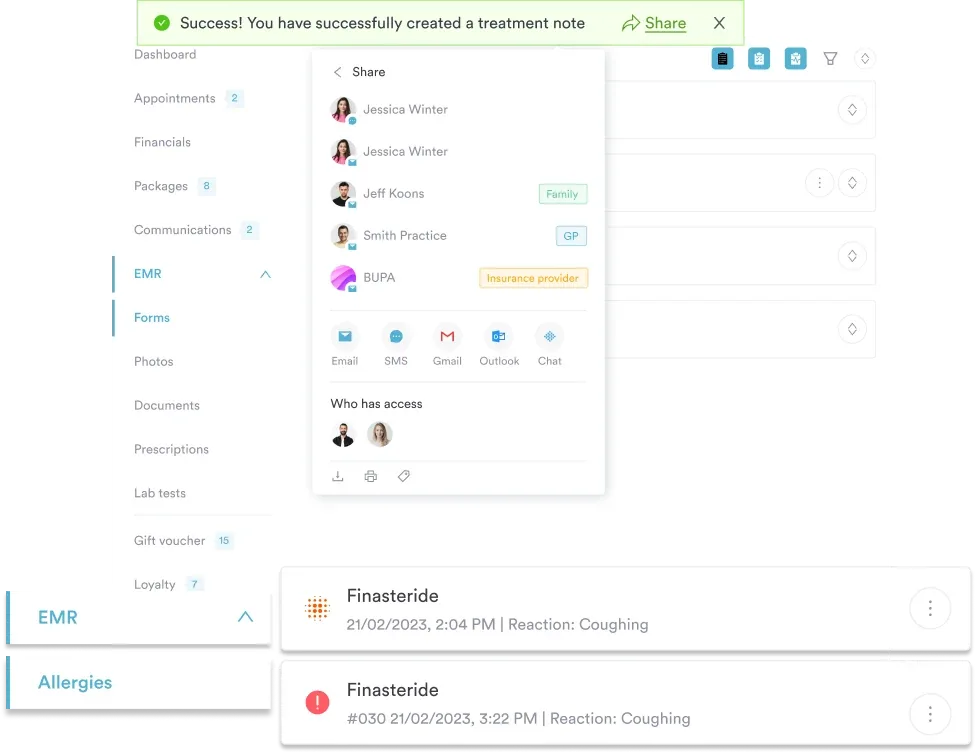
Practice management software like Pabau links the diagnosis code to the clinical record at the point of care
Here is the detail coders and billers reach for most often on this code.
Verify the POA exempt status against the current CMS ICD-10 codes page before submitting, as this status can change across fiscal years.
Each element of the description carries a distinct clinical and coding meaning. Breaking it down removes ambiguity at chart audit time.
This code is mainly used by clinicians treating the aftermath of a prior ring finger flexor laceration at the forearm. Typical presentations are tendon adhesions, range-of-motion deficits, and functional impairment.
Accurate clinical record documentation that ties the current presentation to the original injury supports clean claim submission.
Understanding where S56.125S sits in the ICD-10-CM hierarchy helps coders navigate the tabular list and supports accurate principal-diagnosis sequencing.
Sequela presentations from earlier forearm tendon lacerations turn up most often in occupational therapy and sports medicine settings. Category S56 covers every forearm-level muscle, fascia, and tendon injury, so coders in these specialties meet sibling codes from this block regularly.
S56.125 without a 7th character is not billable. Always append A, D, or S depending on the encounter type before submitting a claim. Missing the extension is one of the most common edits flagged during claim scrubbing for forearm tendon injury codes.
The 7th character extension turns S56.125 from an unbillable placeholder into a specific, reimbursable diagnosis code. The ICD-10-CM Official Guidelines, Section I.C.19, define three encounter types for injury codes.
The critical distinction: sequela (S) is not the same as subsequent encounter (D). Subsequent encounter means the original wound is still healing. Sequela means the original injury has resolved but left a residual condition. Confusing these two is a documented source of payer edits.
Not every injury category stops at three options. Fracture codes add 7th characters for healing status, such as P for malunion in S62.163P. Laceration codes like S56.125S use only A, D, and S.
When coding sequela, the residual condition is sequenced first, and the code for the nature of the sequela (S56.125S) follows.
Take a patient presenting with tendon adhesion of the right ring finger after a prior forearm laceration. The adhesion is the primary diagnosis, and S56.125S follows as the secondary code that explains causation.
S56.125S is a billable, specific ICD-10-CM code. It can be submitted on claims for HIPAA-covered transactions. Coders should confirm currency through the CDC/NCHS ICD-10-CM web tool, which reflects the current FY release.
Practices using claims management software can embed diagnosis code validation into the billing workflow, flagging unbillable parent codes like S56.125 before submission.
Integrating ICD-10 code lookup with the patient record reduces the manual scrubbing step. It also heads off the common S56.125 versus S56.125S confusion at point of entry.
Coders working across forearm tendon injuries meet several near-neighbor codes. The table below covers the siblings that are easiest to confuse with S56.125S. The three encounter-type variants are covered in the 7th character table above.
Every code in the S56.12- sub-block carries both the digit and the side in its 6th character. The pattern is strict. Odd digits are the right hand, even digits are the left, working outward from the index finger.
S56.125 is therefore the right ring finger, and S56.126 the left. The thumb is not in this sub-block at all, because thumb flexor injuries at forearm level sit under S56.0-.
Reading the 6th character one position out is the most common cause of laterality denials here. The same odd-right, even-left rule runs through the S56.11- strain sub-block, where the left middle finger sequela is S56.114S. Misreading the digit can land a claim in strain codes instead of laceration codes.
The ICD-10-CM Alphabetic Index may route coders to this code from several different clinical terms. Recognizing the alternate descriptions helps when you cross-reference operative notes or discharge summaries with non-standard phrasing.
When reviewing operative notes, coders may also encounter references to tendon zones. For forearm-level lacerations, this corresponds to the proximal zones used in surgical hand therapy classification.
The AAPC Codify ICD-10-CM lookup tool supports index-to-code tracing for alternate clinical terminology.
Flexor tendon lacerations at the forearm level typically occur from sharp-force trauma: glass injuries, knife lacerations, or industrial accidents. The forearm houses the flexor digitorum superficialis and flexor digitorum profundus tendons, which travel distally to control finger flexion.
Sequela presentations in this anatomy most commonly include tendon adhesions restricting range of motion, grip strength deficits, and tendon rupture following incomplete repair. These are the conditions that prompt a return to care after the original injury has healed, and they are what S56.125S captures.
The patient record should note the date and nature of the original laceration. It should also carry the current residual symptom and the causal link between the two. That supports the sequela coding logic and reduces the risk of payer queries.
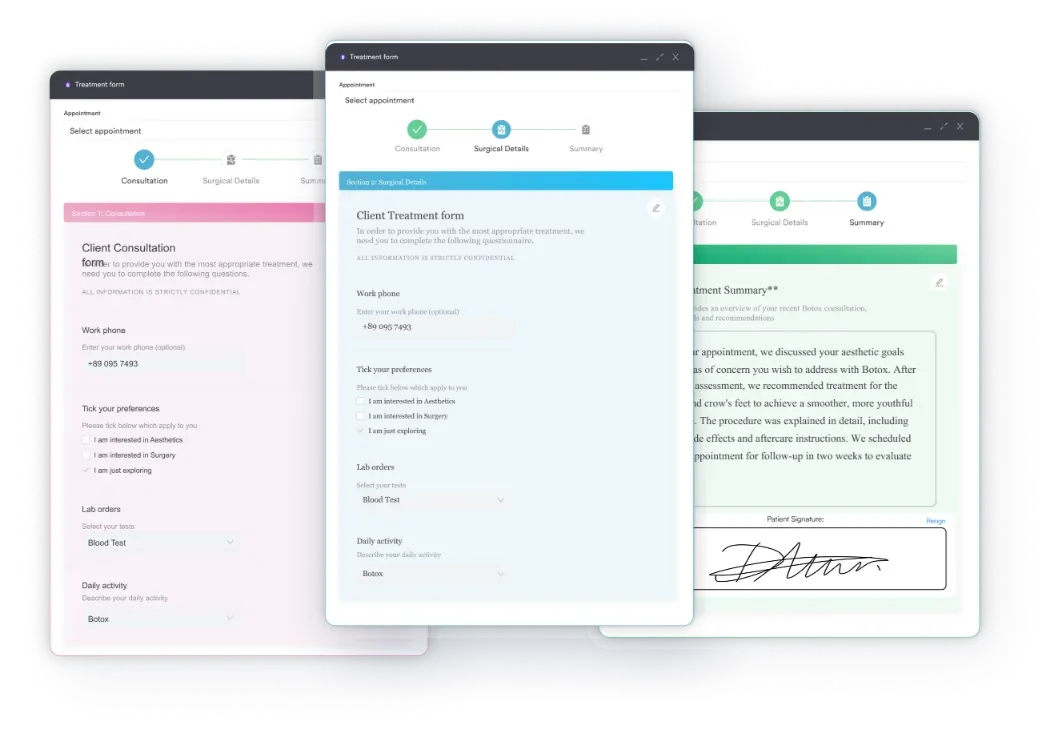
Objective measures make the link harder to dispute. A recorded two-point discrimination test result or a grip strength reading gives a reviewer something to check. Digital intake forms help too, because they capture prior injury history alongside the current findings.
Sequela coding follows a specific sequencing rule that differs from initial and subsequent encounter coding. Following these steps reduces payer edits on S56.125S claims.
Practices with a steady volume of post-injury follow-ups can cut miscoding risk by making the encounter type a required field. Surfacing the A, D, or S choice in the software you already use for HIPAA compliance stops it being picked from memory.
Sequela visits often carry a procedure alongside the diagnosis. Tenolysis and tendon sheath work at the forearm sits in its own code range, including 25110. The diagnosis on the claim has to support whatever was done.
When building claim templates for sequela encounters, add a documentation prompt for the original injury date. Have it also ask the coder to confirm that the injury has fully resolved. This single step prevents the most common error: using S56.125S on a visit where the wound is still actively healing.
Category S56 carries coding notes that affect which codes can and cannot be used together. Coders should review these before submitting claims involving forearm tendon injuries.
When the injury level is in doubt, the operative note or imaging report settles it. Either one will say whether the laceration sits at the forearm or at the wrist and hand. Coding from an ambiguous description without that confirmation is a compliance risk.
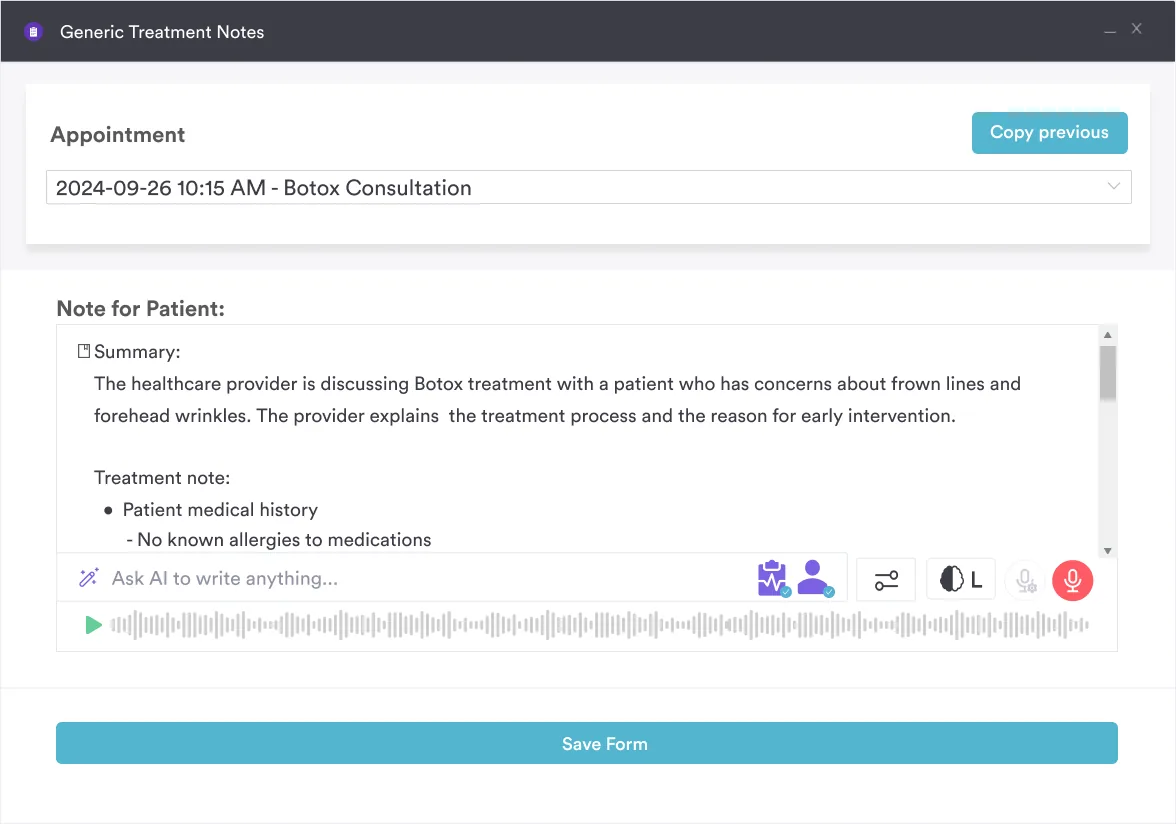
Automated clinical workflows can prompt for the anatomical detail while the clinician is still in the note. That is cheaper than chasing the answer after a claim rejects.
Coders often look up S56.125S in one system, confirm it is billable, then re-key it into another to build the claim. The code survives that hop. The causal link back to the original laceration usually does not, and payers query sequela claims on exactly that.
Practice management software like Pabau removes the second step. The clinician documents the visit, the diagnosis code attaches to that same record, and the claim is built from it without re-entry.
For physical therapy and hand therapy caseloads, sequencing is the harder part. A standalone code lookup cannot enforce it. A record that drives the claim can prompt for the residual condition first, then the injury code.
Pabau builds claims from structured clinical records, so you can template a follow-up note for sequela visits. Give it fields for the original injury date, the current residual symptom, and the causal link between them.
Coders then get the laterality, the digit, and the encounter type from the note rather than from memory. So you spend less time chasing providers for clarification and see fewer rejections on sequela claims.

Pabau’s claims management software lets you attach diagnosis codes to the patient record at the point of care. That cuts coding errors and claim rejections on musculoskeletal injury visits.

Treat the 7th character as a documentation question rather than a coding one. If the note says the laceration has healed and names the residual problem, S56.125S will hold up. If it does not, careful code selection will not save the claim.
The habit worth building is a small one. Ask for the original injury date and the current residual finding before the claim leaves the practice. Coders who have both rarely have to guess between A, D, and S.
That is easier when the diagnosis code and the note live on the same record. Book a demo to see how Pabau attaches ICD-10 codes at the point of care and builds the claim from them.

Working the same forearm from the fracture side? S52.591S covers sequela reporting after a lower radius fracture.
Billing surgery on the digit itself? 20822 sets out the replantation rules, including the modifiers payers check.
Need the arthrotomy code for a finger joint? 26080 explains the documentation that supports it.
Coding destruction of a small facial lesion? Facial lesion destruction billing guide covers CPT 17280 for a malignant lesion of 0.5 centimeters or less on the face.
ICD-10 code S56.125S is the diagnosis code for laceration of flexor muscle, fascia and tendon of the right ring finger at forearm level, sequela. It applies when a patient presents with a residual condition, such as tendon adhesions or grip weakness. That condition must result from a prior flexor tendon laceration at the forearm. The 7th character S identifies this as a sequela encounter, not the original injury visit.
Yes. S56.125S is a billable, specific ICD-10-CM code valid for HIPAA-covered transactions in the FY2026 edition, effective October 1, 2025 through September 30, 2026. The parent code S56.125 without a 7th character is not billable and will be rejected on claim submission.
The 7th character S denotes a sequela encounter. The patient is being treated for a complication or late effect of a previous injury, after that injury has resolved. It is distinct from 7th character A (initial encounter, active treatment) and D (subsequent encounter, healing phase). Sequela coding requires the residual condition to be sequenced as the principal diagnosis, with the injury code (S56.125S) following.
All three codes describe the same injury, a laceration of the flexor muscle, fascia and tendon of the right ring finger at forearm level. They differ only by encounter type. S56.125A is for initial active treatment of the acute injury. S56.125D is for follow-up visits while the injury is still healing. S56.125S is for visits addressing a residual condition after the original laceration has fully resolved.
S56.125S is the right ring finger. Within the S56.12- sub-block, the 6th character encodes both the digit and the side. Odd numbers are the right hand and even numbers the left. The left ring finger sequela code is S56.126S. Sending S56.125S for a left-hand injury creates a laterality mismatch against the operative note.
Use the sequela 7th character once the original forearm tendon laceration has healed. The patient must be presenting for a late effect, such as tendon adhesion, range-of-motion deficit, or grip weakness. The clinical note must document both the current residual condition and its causal link to the prior laceration. If healing is still in progress, use 7th character D instead.
Sequela codes are generally exempt from POA reporting because the condition did not arise during the current hospital admission. However, POA exempt status should be confirmed against the current CMS POA exempt code list for FY2026, as this status can change across fiscal years. Review the CMS ICD-10 codes page for the definitive FY2026 exempt list.




