ICD-10 Code S42.444P: Medial epicondyle fracture, right humerus
ICD-10 Code S42.444P: full descriptor and code validity ICD-10 Code S42.444P car...

Last Updated: Oct 13, 2026
Billable Code Specific Code
S63.501D is the billable ICD-10-CM code for unspecified sprain of right wrist, subsequent encounter.
Most wrist sprain denials trace back to the seventh character rather than the category. Assigning S63.501A to a third physical therapy session, or S63.501D to the first emergency visit, hands the payer a mismatch. Under CMS ICD-10-CM guidance, that character is a required part of a valid claim.
The code sits inside the S60-S69 block, injuries to the wrist, hand and fingers. Its category is S63, dislocation and sprain of joints and ligaments of wrist and hand. Its subcategory is S63.5, other and unspecified sprain of wrist. That full path drives sequencing audits and crosswalk lookups.
Let Pabau's smart automation suggest the right codes, reduce claim denials, and keep your practice compliant—effortlessly.
Automate repetitive tasks and focus on what matters most—your patients.
Reduce coding errors and ensure compliance with the latest regulations.
Clean claims, fewer denials, and faster reimbursements.
Powerful insights and reporting to help your practice thrive.
HIPAA compliant SOC 2 certified GDPR-compliant Trusted by 4,000+ clinics worldwide

ICD-10 code S63.501D covers an unspecified sprain of the right wrist at a subsequent encounter.
The seventh character D signals active care during healing, which separates it from A for the first visit.
The code took effect on October 1, 2025 and is billable for HIPAA-covered claims.
Documentation has to confirm right-side laterality, a follow-up encounter, and a sprain that is still healing.
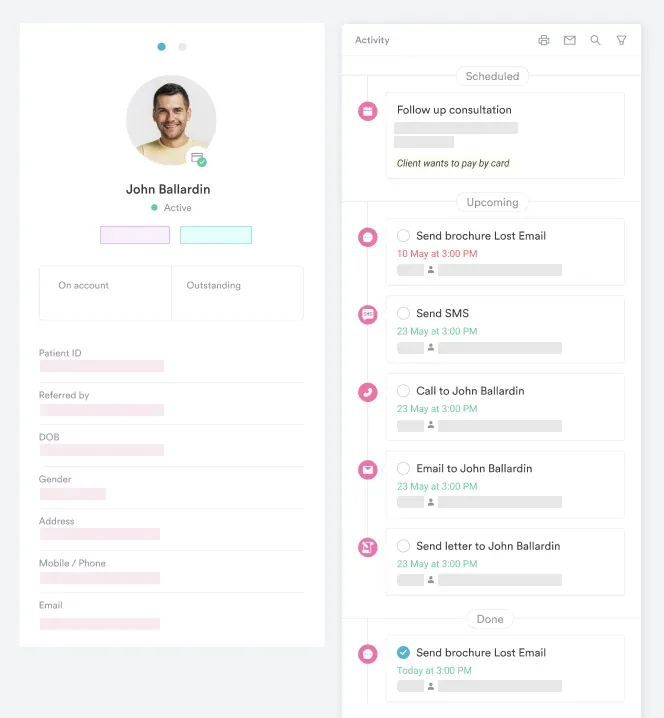
Practice management software like Pabau ties encounter type to each visit, so follow-up claims carry the right character.
S63.501D is a billable and specific ICD-10-CM code, valid for HIPAA-covered transactions. Its official description is Unspecified sprain of right wrist, subsequent encounter.
The 2026 edition took effect on October 1, 2025. The code carries no exclusion flags that would block it as a principal or secondary diagnosis in outpatient and therapy settings.
The ICD-10-CM Official Guidelines for Coding and Reporting set out three encounter types for traumatic injuries. Each one is a seventh character added to the base code. Getting that character wrong is the most common reason wrist sprain claims come back for correction.
The practical test is short. If the wrist is still healing and the patient is receiving active care, D is correct. Once healing finishes and a residual condition remains, switch to S.
That same logic runs across the whole injury chapter. A lumbar nerve root injury takes D at every follow-up visit too, under visit too, under S34.21XD. The CDC ICD-10-CM tool confirms the official descriptor behind each seventh character variant.
S63.501D applies once a patient with a confirmed right wrist sprain returns for care after the initial treatment visit, while the injury is still unresolved. Several settings generate the code week after week.
Document the reason for each visit explicitly in the clinical note. A line such as “continuing rehabilitation of right wrist sprain sustained [date]” confirms subsequent encounter status on its own. The auditor never has to call your billing team.
Knowing where S63.501D sits in the code tree matters for crosswalk lookups and medical necessity reviews. It matters again when thin documentation forces a less specific code. The hierarchy runs from broadest to most specific.
The base code S63.501 is not billable on its own, because a seventh character is always required. Coders who search AAPC’s ICD-10-CM lookup for S63.501 are sent straight to the seven-character variants.
Finger sprains sit outside S63.5 altogether. They live in the S63.6 subcategory, where a code such as S63.615S carries its own laterality and seventh character. Reading the S63.5 title as covering fingers is a quiet source of wrong-subcategory claims.
A handful of sibling codes come up alongside S63.501D. Laterality and specificity drive the choice between them.
When a patient presents with bilateral wrist sprains, code each side separately. S63.501D and S63.502D can appear on the same claim if the note documents both. Verify laterality and encounter type for each one before submission.
A dislocation rather than a sprain moves the claim into a different part of S63, the way S63.295D does for the finger joints. The seventh character logic stays the same across all of them.
Three elements have to be in the clinical record before S63.501D survives a payer’s documentation request, plus one specificity check. Practices using clinical records software with structured note fields can build all four into the follow-up visit template, so nothing depends on memory.
Review the excludes notes under S63.501D before you submit a claim that also carries codes for open wounds or fractures of the wrist. Excludes1 notes stop both codes appearing on the same claim. Excludes2 notes allow both when both conditions genuinely exist.
Physical therapists and occupational therapists use S63.501D more than anyone else. A therapy referral happens after the initial encounter by definition. PT and OT visits for a right wrist sprain almost always carry the D character. Building encounter-type logic into intake stops the mix-up before it reaches a claim. What a superbill includes decides whether the patient insurer processes or rejects the reimbursement request.
S63.501D is a diagnosis code. It sits alongside therapy CPT codes such as 97110, 97530, or 97140 on the same claim line, and it never replaces one of them.
Payer rules on how many subsequent-encounter visits are covered before authorization vary widely. That variation is one of the trickier parts of physical therapy billing. Check the limit for each payer before you schedule a full course of treatment.
For occupational therapy, the same pairing logic holds while grip, coordination, or daily living tasks are still impaired by the sprain. Repeating a dexterity test at each visit records the functional deficit that justifies continued care.
Documentation standards also shift by jurisdiction. A practice opening in a new state should read the local rules first, such as the requirements in Arizona.
Most seventh-character errors start with a broken handoff between the clinical note and the billing team. A practitioner types “follow-up right wrist sprain” into a free-text field. The biller reads it as an initial encounter, and the wrong code ships that afternoon.
Practice management software like Pabau connects the clinical note, the appointment type, and the diagnosis code in a single claims management workflow. The encounter type travels with the patient’s care episode, so your biller reads it instead of reconstructing it.
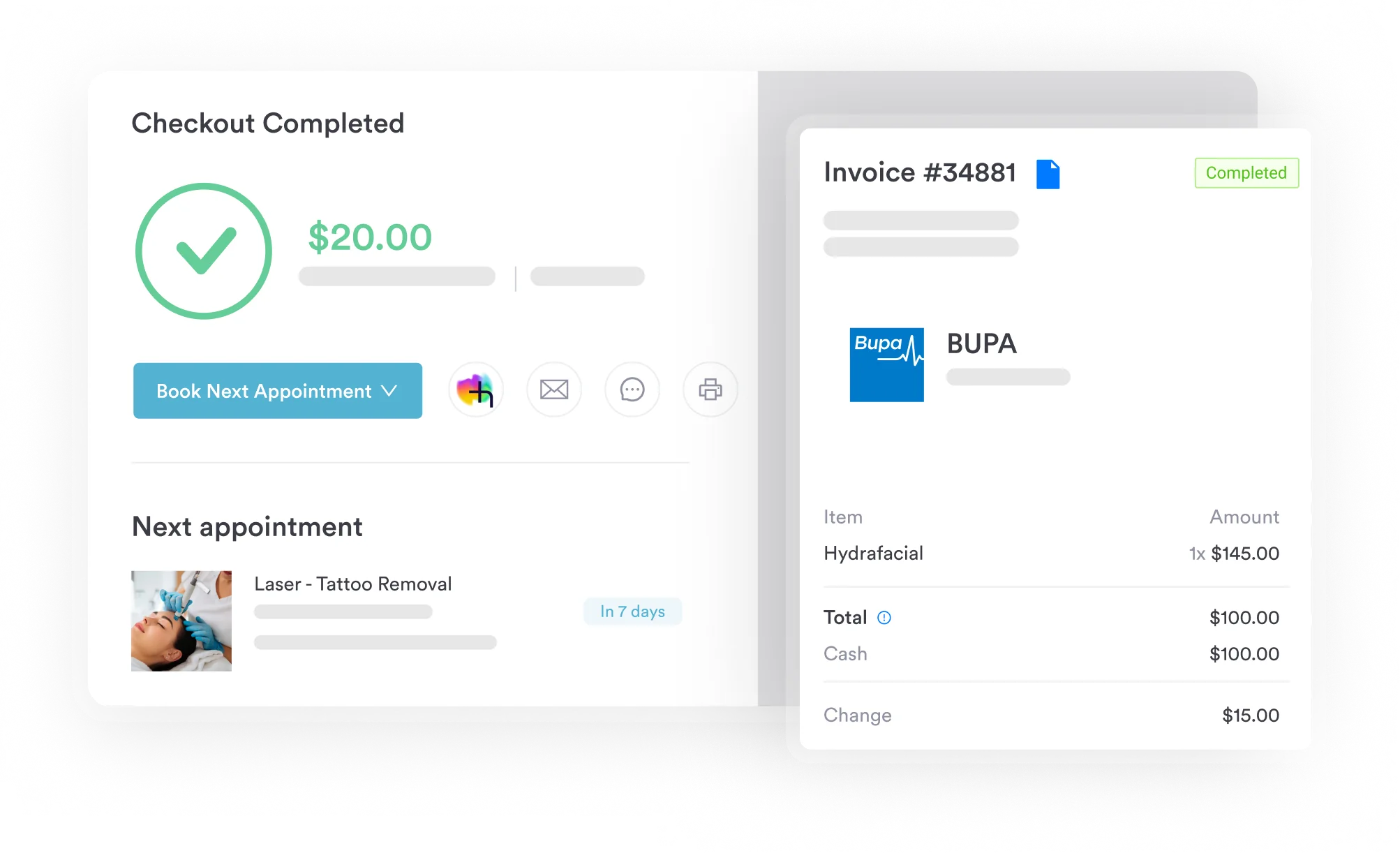
For practices handling musculoskeletal follow-up at volume, including anyone opening a new practice, that saves a lookup on every single visit. Pabau also ties treatment plan status to each visit record, so the seventh character rests on documented care rather than recall.
Structured follow-up also stops the character drifting from D to S too early, which can cut approved therapy sessions before the patient has recovered. Tighter patient scheduling keeps every visit stage tied to the right diagnosis.

Pabau connects clinical notes, appointment type, and diagnosis codes in one workflow. Your billing team sees the right encounter information before the claim goes out.

The seventh character is where wrist sprain claims are won or lost. Use S63.501D for every follow-up visit while the right wrist is still healing. Keep S63.501A for the first visit, and hold S63.501S back until the injury has fully resolved.
A note that names laterality, encounter type, and ongoing recovery status protects the claim from audit and supports the therapy authorization you asked for. The price of getting it right is one extra line in the record.
If your follow-up coding depends on someone remembering which visit came first, the workflow is the thing to change. Book a demo to see how Pabau keeps encounter type attached to every visit in a patient’s care episode.

Coding a finger sprain instead of a wrist sprain? S63.638A sits in the S63.6 subcategory and shows how finger sprains are coded separately.
Coding a thoracic outlet procedure instead? Scalene muscle division billing covers CPT code 21705 for division of the scalene muscle with resection of a cervical rib.
Coding a sternotomy closure instead? Sternotomy closure billing guide covers CPT code 21750 for closure of a separated median sternotomy, with or without debridement.
Coding flail chest after the code changed? Deleted rib fracture code explains why CPT code 21810 was deleted in 2015 and lists the three replacement codes for flail chest.
Coding a soft tissue biopsy instead? Soft tissue biopsy billing covers CPT code 21925 for a deep soft tissue biopsy of the back or flank, with its 2026 RVUs.
S63.501D is a billable ICD-10-CM code for an unspecified sprain of the right wrist at a subsequent encounter. It means the patient is receiving active care for a sprain that was treated before and is still healing. The seventh character D marks the subsequent encounter, and the .501 portion identifies right-side laterality. The code took effect on October 1, 2025 for the 2026 coding year.
Yes. S63.501D is a fully billable and specific ICD-10-CM code, valid for HIPAA-covered electronic transactions. The base code S63.501 is not billable, because it lacks a seventh character. S63.501D meets the specificity requirement for claims submission. It works as a principal or secondary diagnosis in outpatient and therapy settings.
S63.501A applies to the first visit where the patient receives active treatment for a right wrist sprain. S63.501D applies to every later visit while the injury is still healing. Using A repeatedly at follow-up visits tells payers the injury is new each time, which can trigger duplicate-claim reviews. Using D at the initial encounter leaves no A-coded visit before it, so the claim chain reads as inconsistent.
Yes. S63.501D is the standard diagnosis code for physical therapy visits treating an ongoing right wrist sprain after the initial encounter. It pairs with therapy CPT codes such as 97110 for therapeutic exercises or 97530 for therapeutic activities on the same claim line. Payer limits on the number of covered subsequent-encounter visits vary, so check the rules for each payer before scheduling a full course.
The left wrist equivalent is S63.502D, unspecified sprain of left wrist at a subsequent encounter. When a patient has bilateral wrist sprains, both codes can appear on the same claim if the note documents each side. If laterality is not confirmed, S63.509D covers an unspecified wrist. Always use the laterality-specific code when the record supports it.
The record must confirm three things. First, the right wrist as the injured side, rather than a bare “wrist sprain”. Second, that this is a follow-up visit for a previously treated injury. Third, that the injury is still actively healing, with objective findings such as pain, swelling, or functional limitation. If the injury has resolved and only residual effects remain, S63.501S applies instead.