ICD-10 Code S42.444P: Medial epicondyle fracture, right humerus
ICD-10 Code S42.444P: full descriptor and code validity ICD-10 Code S42.444P car...

Last Updated: Oct 13, 2026
Billable Code Specific Code
S62.606K is the billable ICD-10-CM code for fracture of unspecified phalanx of right little finger, subsequent encounter for fracture with nonunion.
The code is specific enough to submit directly on a claim. Parent codes such as S62.606 and S62 are not billable on their own. Only the fully extended 7th-character code qualifies for reimbursement.
Let Pabau's smart automation suggest the right codes, reduce claim denials, and keep your practice compliant—effortlessly.
Automate repetitive tasks and focus on what matters most—your patients.
Reduce coding errors and ensure compliance with the latest regulations.
Clean claims, fewer denials, and faster reimbursements.
Powerful insights and reporting to help your practice thrive.
HIPAA compliant SOC 2 certified GDPR-compliant Trusted by 4,000+ clinics worldwide

ICD-10 code S62.606K describes a fracture of an unspecified phalanx of the right little finger, coded at a subsequent encounter where nonunion has developed.
S62.606K is a billable, specific ICD-10-CM code valid for all HIPAA-covered transactions. It became effective October 1, 2025 under the 2026 edition.
The 7th character K is the critical coding element. It separates a subsequent encounter for fracture with nonunion from initial encounters and other complication types.
Pabau’s claims management software and digital forms help orthopedic and hand practices document laterality, phalanx type, and encounter type accurately.
The 7th character is what separates ICD-10 code S62.606K from every other code in the S62.606 family. Character K specifically means “subsequent encounter for fracture with nonunion.” Reading the full extension table prevents miscoding, particularly when a follow-up shifts from routine healing to confirmed nonunion.
G and K are not interchangeable. Delayed healing means bone formation is progressing more slowly than expected but is still occurring. Nonunion means the fracture site shows no evidence of progressive healing, usually confirmed radiographically after three to six months.
Use K only when nonunion is clinically and radiographically confirmed. The same 7th-character logic drives S62.211D, which covers a thumb base fracture seen at a follow-up visit.
Nonunion is a fracture complication rather than a slow but normal healing curve. Clinically, it is declared when serial imaging shows no progressive bridging callus across the fracture. That point usually arrives three to six months after injury, though the threshold varies by bone and patient. The fracture site may remain mobile and painful.
A subsequent encounter covers any visit after the active, definitive treatment phase has ended. The patient returns for evaluation, management of complications, or follow-up imaging. Once nonunion is confirmed at a subsequent visit, K becomes the correct 7th character.
For ICD-10 code S62.606K to apply, the record must document a return visit at which nonunion is confirmed in the right little finger’s phalanx. Initial encounters never carry 7th character K, regardless of how severe the fracture appeared at presentation.
Document the specific radiographic or clinical evidence that confirms nonunion in every note where K is coded. Payers auditing subsequent-encounter fracture claims with nonunion coding often request imaging reports. A note that simply states nonunion without supporting evidence is a denial risk.
ICD-10 code S62.606K sits at the bottom of a four-level hierarchy within the S62 block. Each parent level is not billable on its own, so only the fully extended code qualifies for claim submission. Neighboring hand codes such as S62.360G are built the same way, from block down to 7th character.
The S62.606 family covers all encounter types for a fracture of the unspecified phalanx of the right little finger. Confusing D (routine healing) with K (nonunion) is one of the most frequent errors on orthopedic follow-up claims. ICD10Data’s S62.606 listing is a quick way to check a sibling code at the point of coding.
When documentation is ambiguous about whether healing is delayed (G) or has definitively failed (K), query the treating provider before coding. Using G when K is clinically supported results in undercoding. Using K prematurely is a compliance risk.
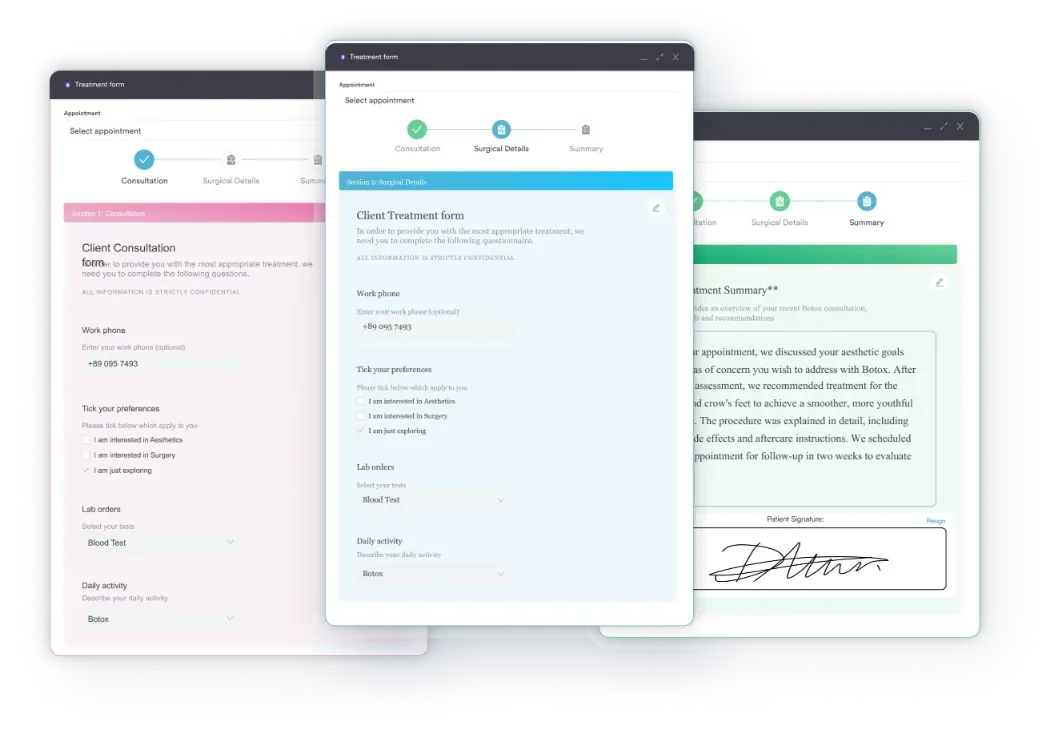
Correct use of ICD-10 code S62.606K depends on four documentation elements all being present in the clinical record. Missing any one creates a coding inaccuracy and a potential audit finding. Digital intake forms that capture these elements at each follow-up keep the record complete without extra admin work.
The unspecified phalanx element is worth a closer look. It is a genuine clinical finding, covering ambiguity on imaging or involvement of more than one phalanx. When the clinician documents a proximal phalanx fracture of the right little finger, move to the more specific code instead. Each finger has its own named-phalanx codes. A nondisplaced proximal phalanx fracture of the right ring finger, documented at an initial encounter for an open fracture, codes to S62.644B.
Coders and clinicians may encounter these clinical phrases in documentation that correspond to ICD-10 code S62.606K. Recognizing the alternate language keeps the right code in play even when the record avoids the official wording.
None of these phrases should be coded from the synonym alone. Cross-reference it against the full tabular description to confirm every coding criterion is met before assigning S62.606K. The AAPC Codify lookup searches by keyword, which helps when a dictated note uses non-standard phrasing.
Orthopedic and hand surgery practices see fracture follow-up patients across multiple encounters. Each visit can shift the 7th character, moving from D to G to K as healing status changes. Without a structured documentation workflow, coders work from notes that never record the change.
Practice management software like Pabau ties the clinical note to the claim. Its claims management software carries encounter type, laterality, and diagnosis updates straight into billing. Coders stop chasing the front desk for detail that was recorded weeks ago.
Practices running physical therapy EMR or sports medicine software workflows can build their own follow-up templates. Those templates prompt the clinician for nonunion confirmation language at every relevant visit.
Patient records store imaging notes and provider assessments in one place, so coders have the evidence they need to assign S62.606K. The CDC ICD-10-CM web tool remains the authoritative reference for confirming code validity before submission.
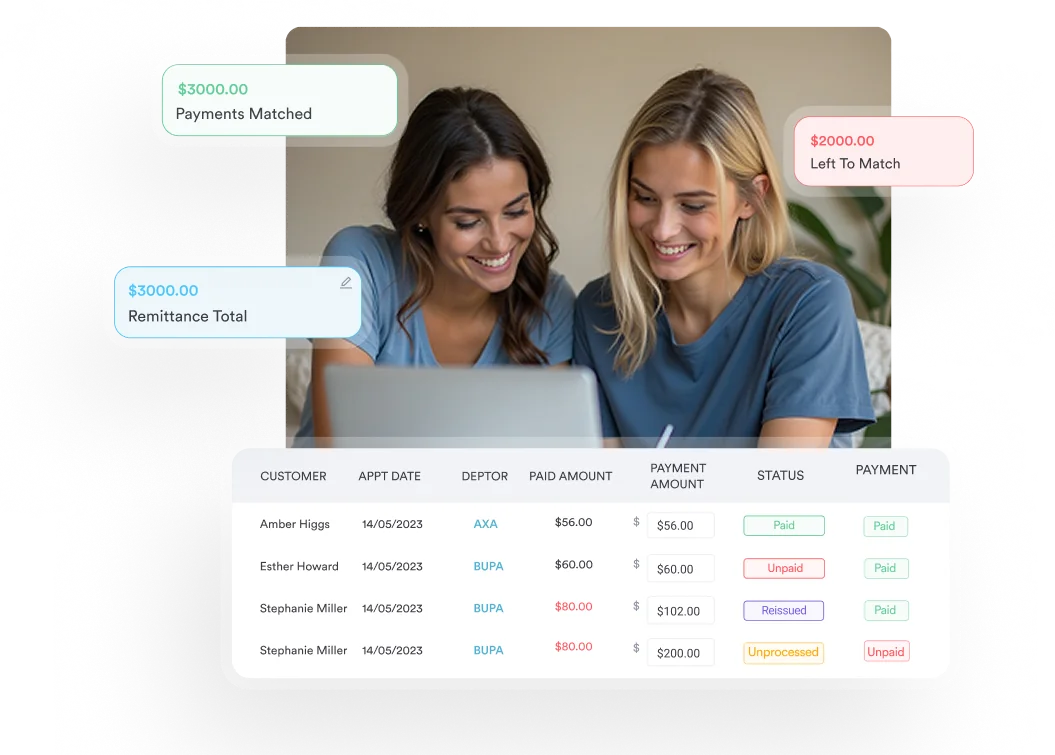
Set up a follow-up fracture note template with a mandatory field for radiographic findings. Add a dropdown for healing status covering routine, delayed, nonunion, and malunion. Coders should never have to assume 7th character selection from a narrative note alone.

Pabau captures the laterality, phalanx detail, and encounter type your coders need. Every follow-up visit is recorded the same way as the first one.

Getting S62.606K right is a documentation problem before it is a coding problem. Three elements have to be on the page. The right little finger, an unspecified phalanx, and nonunion confirmed at a follow-up visit.
Build the follow-up template so the clinician supplies all three, and the 7th character stops being a judgment call. The trade-off worth remembering sits between the G and K characters. Coding G when nonunion is documented undercuts the claim. Coding K before imaging supports it invites an audit. Query the provider whenever the note lands between the two. A billing workflow that separates coding from submission creates a handoff where claims stall. Practices still filing on paper carry this code on the CMS-1500 form, in the service lines.
Pabau’s documentation and billing tools help hand and orthopedic practices capture the exact language coders need at every follow-up visit. Book a demo to see how structured notes and integrated claims cut fracture coding errors.

Coding another fracture in the same hand? S62.011A walks through laterality and 7th-character choice for a displaced scaphoid fracture.
Working on forearm trauma claims? S52.356C shows how the open-fracture 7th characters change the code you submit.
Fighting denials on injury claims? S33.8XXS covers sequencing and the documentation payers ask to see.
Coding an orbital fracture case instead? Orbital wall reconstruction billing explains CPT code 21184 for repairs following excision of a benign cranial bone tumor.
Coding finger injuries beyond fractures? S61.311S explains sequela coding for a laceration with nail damage.
ICD-10 code S62.606K is a billable diagnosis code for a fracture of an unspecified phalanx of the right little finger. It applies at a subsequent encounter where nonunion has been confirmed. The 7th character K marks a follow-up visit at which the fracture failed to heal. That separates it from routine healing (D), delayed healing (G), and malunion (P).
Yes. S62.606K is a billable, specific ICD-10-CM code valid for use in all HIPAA-covered transactions. It became effective October 1, 2025, under the 2026 edition. Its parent codes (S62, S62.6, S62.60, S62.606) are not billable on their own.
7th character G means subsequent encounter for fracture with delayed healing, so bone formation is progressing but slower than expected. Character K means subsequent encounter for fracture with nonunion, so the fracture site shows no progressive healing. Use K only when nonunion is explicitly documented, not when healing is merely slow.
The S62.606 family covers seven codes. They are S62.606A (initial, closed), S62.606B (initial, open), S62.606D (subsequent, routine healing), and S62.606G (subsequent, delayed healing). The rest are S62.606K (subsequent, nonunion), S62.606P (subsequent, malunion), and S62.606S (sequela). All describe the unspecified phalanx of the right little finger.
Documentation must confirm four elements. Those are the laterality, the digit, the phalanx involved or that it is unspecified, and evidence of nonunion at a subsequent encounter. An imaging report showing absent callus formation supports 7th character K, and so does a provider statement of nonunion. A note that mentions only slow healing does not.
S62.606K refers to an unspecified phalanx. The documentation does not say whether the fracture involves the proximal, middle, or distal phalanx of the right little finger. If the record identifies the phalanx, use the more precise code in the S62 family instead.
A fracture of an unspecified phalanx of the left little finger with nonunion codes to S62.607K at a subsequent encounter. When the record does not state which hand is involved, use S62.609K. Both carry the same 7th character rules as S62.606K.