ICD-10 Code S42.444P: Medial epicondyle fracture, right humerus
ICD-10 Code S42.444P: full descriptor and code validity ICD-10 Code S42.444P car...

Last Updated: Oct 13, 2026
Billable Code Specific Code
S65.919S is the billable ICD-10-CM code for laceration of unspecified blood vessel at wrist and hand level of unspecified arm, sequela.
Let Pabau's smart automation suggest the right codes, reduce claim denials, and keep your practice compliant—effortlessly.
Automate repetitive tasks and focus on what matters most—your patients.
Reduce coding errors and ensure compliance with the latest regulations.
Clean claims, fewer denials, and faster reimbursements.
Powerful insights and reporting to help your practice thrive.
HIPAA compliant SOC 2 certified GDPR-compliant Trusted by 4,000+ clinics worldwide

ICD-10 code S65.919S covers a laceration of an unspecified blood vessel at the wrist and hand level, unspecified arm, sequela.
The code is billable and specific, and it is valid for FY2026 from October 1, 2025.
The 7th character S is only correct once the original injury has concluded and a residual condition remains.
Practice management software like Pabau pulls the codes already on the client record into a pre-filled claim, then submits and tracks it.
ICD-10 Code S65.919S is the billable code for a laceration of an unspecified blood vessel at the wrist and hand level, unspecified arm, sequela. The 7th character S means the visit treats a residual condition, not the original wound.
Picking S when the subsequent encounter code S65.919D applies is the most common billing error on these claims. Pabau’s claims management software submits and tracks the claim once your coder has assigned it, so denials surface early.
The table below covers the core code facts before the clinical and documentation detail.
Each part of the descriptor carries a distinct coding and clinical meaning. Breaking the phrase apart reduces misassignment.
The phrase “unspecified blood vessel” records what the note left out. When operative or progress notes name the vessel involved, a more specific S65 code replaces this one. Query the provider before defaulting to “unspecified.”
The 7th character is the most consequential element of this code for billing. Getting it wrong does more than trigger a denial. It can read as miscoding to a payer auditor.
According to the CMS ICD-10-CM coding guidelines, the 7th character S designates a sequela encounter. The patient presents with a condition that arose directly from a previous injury. The original injury has resolved or reached its clinical endpoint.
What remains is a residual effect, a complication, or a late consequence of that laceration. Section I.C.19.a of the ICD-10-CM Official Coding Guidelines sets this out. Nerve injuries at the same level follow the same rule, which is why S64.498S also ends in S also ends in S.
One rule of thumb: if the wound is still healing, D is almost always correct. S applies only after healing is complete and a distinct sequela condition has emerged.
Sequela coding needs two codes to tell the full story. S65.919S documents the cause, and a separate code describes the resulting condition. That pairing is standard for every ICD-10-CM sequela encounter.
Practices running a physical therapy EMR see these presentations often. Patients come back months after the repair with residual functional deficits, long after the wound itself closed.
Common scenarios that warrant S65.919S include:
In each case, the provider’s documentation must link the current condition to the prior laceration. Without that causal statement, sequela coding lacks the medical necessity support a payer expects.
Document the causal link explicitly. A note that says ‘neuropathic pain consistent with prior wrist vascular laceration sustained [date]’ gives coders and auditors a clear chain of causation. Vague references to ‘post-surgical changes’ are not sufficient to support S65.919S.
The hierarchy shows coders where a more specific code sits when the record supports one.
The CDC/NCHS ICD-10-CM tool shows S65.919 as invalid for direct billing. The 7th character is what completes it. Its three billable descendants are S65.919A, S65.919D, and S65.919S.
Several closely related codes sit in the same S65 block. Coders working wrist and hand vascular claims should know the laterality options and the full sibling set.
Use the laterality codes S65.911S or S65.912S whenever the record names the injured arm. The AAPC Codify ICD-10-CM lookup lets coders browse the full S65 sibling set and confirm current-year validity.
Neighboring hand blocks follow the same 7th character pattern. S66.520S covers intrinsic muscle lacerations, and S64.31XS covers digital nerve injuries.
“Unspecified arm” flags detail the record never captured, and coders should chase it before submission. Thorough medical forms are the first defense against laterality denials.
When is “unspecified arm” acceptable? Only when the provider genuinely cannot determine laterality and a query has already failed. Using it as a shortcut invites payer pushback, especially under Medicare and Medicaid specificity edits.
Strong HIPAA compliance habits keep records complete and defensible. For a wrist blood vessel laceration sequela, the medical record should contain:
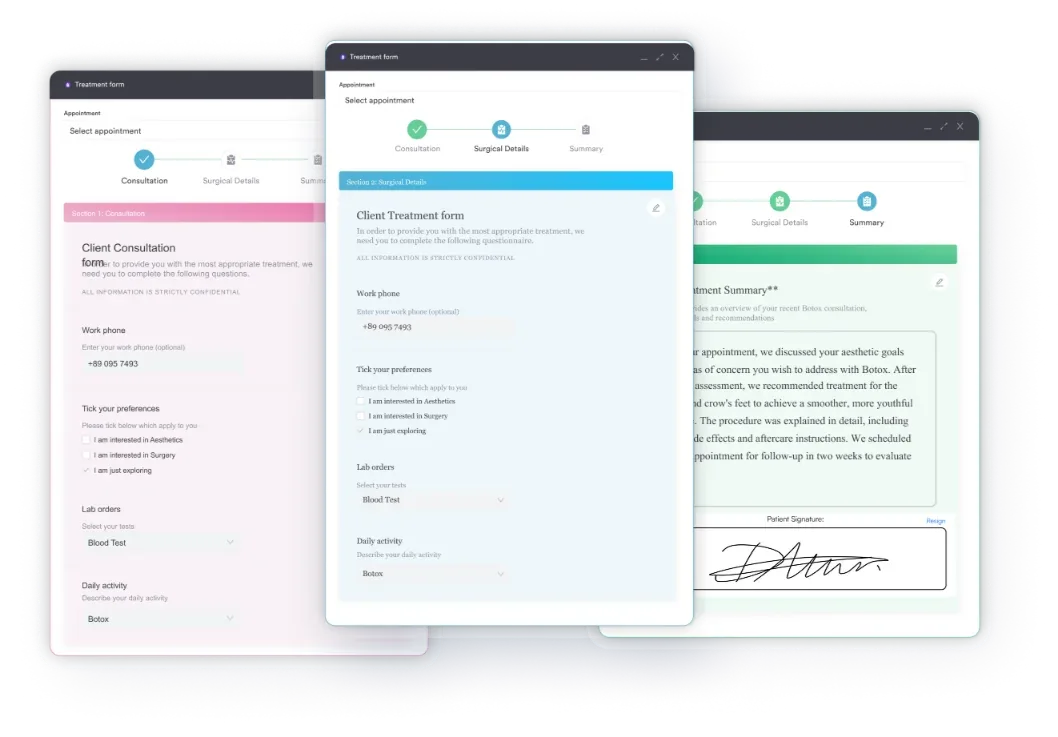
Practices using digital intake forms can capture laterality at check-in rather than reconstructing it at coding. The form should include prior injury history, affected limb, and surgical history.
Hand therapy notes are worth pulling in too. Practices running occupational therapy software usually hold the functional detail that supports a sequela diagnosis.
The ICD-10-CM alphabetic index routes several alternate descriptors to S65.919S. Knowing them helps coders match provider language to the right code without opening a lookup tool for every encounter.
Reference tools surface these synonyms when a coder searches by description rather than code number. In the index itself, the entry point sits under “Laceration,” then “blood vessel,” then the anatomical site. A note there tells you to assign S as the 7th character for sequela encounters.
Denials on this code cluster around a handful of error patterns. Each one is worth building into a coder QA checklist.
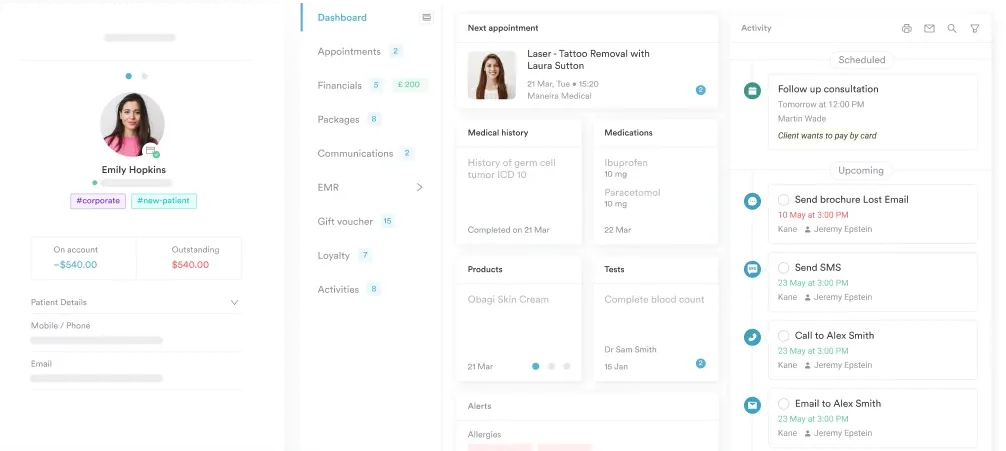
Good electronic client records make these errors easier to catch before submission. Keeping prior injury history, operative notes, and follow-up documentation together gives coders the full clinical picture. A medical coding cheat sheet helps newer coders keep the 7th character rules straight. Denial rate by code shows which services are worth a process fix and which are one-off errors.
Practices with heavy hand surgery or orthopedic follow-up volume should audit 7th character assignment across the S60-S69 block. Denial patterns in medical billing usually turn out to be systemic, so coder education fixes more than case-by-case rework.
Build a 7th character check into your workflow. Before submitting any injury code, ask whether the injury is new (A), healing (D), or healed with a residual condition (S). Those three questions catch most S65.919S misassignments.
Coders usually reconstruct a sequela story from scattered sources. The operative note sits in one system, the therapy notes in another, and laterality goes missing between them. Every unanswered question turns into a provider query and another week on the claim.
Pabau keeps the original injury record, treatment notes, and follow-up visits on one client timeline. Its compliance management tools let you build laterality and injury-date fields into the forms your team already uses. Coders then read the causal chain instead of chasing it.
When the claim goes out, Pabau pulls the coded record into a pre-filled submission and tracks its status. A denied sequela claim shows up within days, not at month end.

Pabau keeps the original injury note, laterality, and follow-up visits on one client record, then submits and tracks the claim. Coders get the causal chain without chasing three systems.

The 7th character decision is what makes or breaks this code. S versus D changes the clinical story the claim tells a payer. At volume, the wrong character invites audits as well as denials.
Documentation settles it. Name the prior injury, its date, and the causal chain to the current condition, and the claim stands on its own. Book a demo to see how Pabau keeps that history in one record for injury and sequela coding.

Coding another finger sequela? S63.615S shows how the same 7th character rule plays out after a healed sprain.
Working a subsequent encounter instead? S63.295D covers the D character on a finger dislocation follow-up.
Coding a fracture that failed to heal? S62.630K explains the nonunion character in the hand.
Starting from the initial encounter? S63.638A walks through the A character on a fresh finger sprain.
Coding removal of a foreign object instead? Foreign body removal from shoulder covers the CPT code for removing an object from shoulder tissue above the fascia.
ICD-10 Code S65.919S is the billable code for a laceration of an unspecified blood vessel at the wrist and hand level, unspecified arm, sequela. Use it when a patient presents with a residual condition caused by that healed laceration. The code is valid for FY2026, effective October 1, 2025.
Yes. S65.919S is a billable, specific ICD-10-CM code valid for FY2026 reimbursement submissions. The parent code S65.919 is not billable on its own. The 7th character S is what makes it complete enough to submit.
The difference is the encounter type. S65.919A covers the initial encounter, when the patient receives active treatment for the laceration itself. S65.919D covers follow-up care while the injury is still healing. S65.919S covers sequela encounters, once the injury has concluded and a residual condition remains.
Use the sequela character S only after the original injury has healed. The patient must present with a late effect or residual condition caused by that injury. Per CMS guidelines, sequela coding needs two codes. Code the residual condition first, then the injury code with S.
The record must include the date and description of the original laceration. It also needs a causal statement linking the current condition to that injury. Add clinical evidence of the residual condition, such as symptoms, functional findings, or imaging. If the record names right or left arm, use S65.911S or S65.912S instead.
Approximate synonyms include late effect of laceration of blood vessel at wrist and hand level, and sequela of wrist vascular laceration, unspecified arm. Residual condition following wrist blood vessel laceration also routes here. These descriptors appear in the ICD-10-CM alphabetic index. Verify current synonyms with the CDC/NCHS ICD-10-CM web tool.