ICD-10 Code Y76.0: Diagnostic obstetric and gynecological devices
ICD-10 Code Y76.0: Definition and billable status ICD-10 Code Y76.0 is a valid, ...

Last Updated: Oct 23, 2026
Billable Code Specific Code
C10.1 is the billable ICD-10-CM code for malignant neoplasm of anterior surface of epiglottis.
When pathology confirms malignancy on the anterior surface of the epiglottis, the choice between C10.1 and C32.1 trips up even experienced coders. The two structures are anatomically adjacent, but they sit in different ICD-10-CM chapters and carry different coding rules. Getting this wrong delays reimbursement and flags the claim for audit.
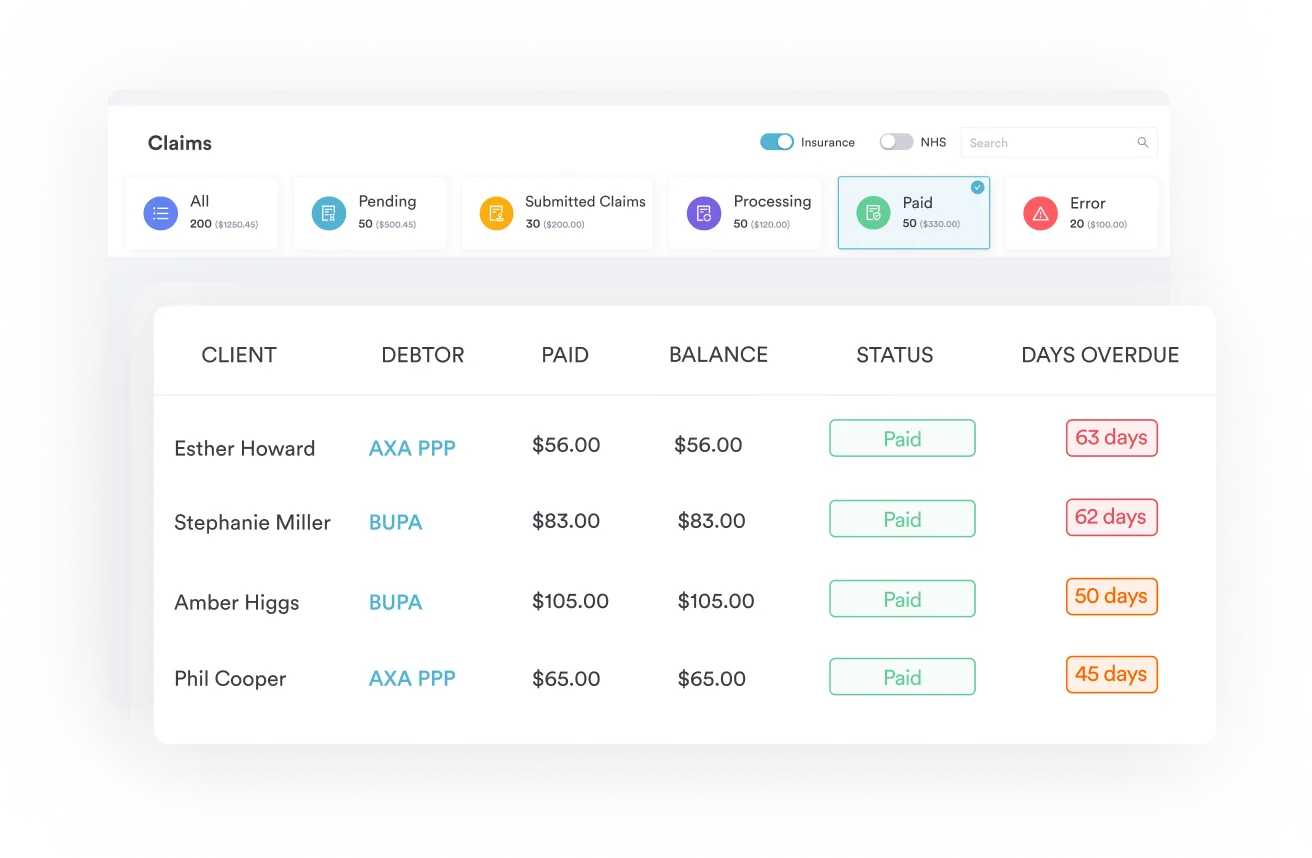
Let Pabau's smart automation suggest the right codes, reduce claim denials, and keep your practice compliant—effortlessly.
Automate repetitive tasks and focus on what matters most—your patients.
Reduce coding errors and ensure compliance with the latest regulations.
Clean claims, fewer denials, and faster reimbursements.
Powerful insights and reporting to help your practice thrive.
HIPAA compliant SOC 2 certified GDPR-compliant Trusted by 4,000+ clinics worldwide

ICD-10 code C10.1 classifies malignant neoplasm of the anterior (lingual) surface of the epiglottis, a billable ICD-10-CM code valid for FY 2026 HIPAA-covered transactions.
The anterior epiglottic surface is classified under oropharynx (C10), not larynx (C32.1), because it faces the tongue root rather than the laryngeal lumen.
Neoplasm crosswalks: metastasis maps to C79.89, carcinoma in situ to D00.08, benign to D10.5, uncertain behavior to D37.05.
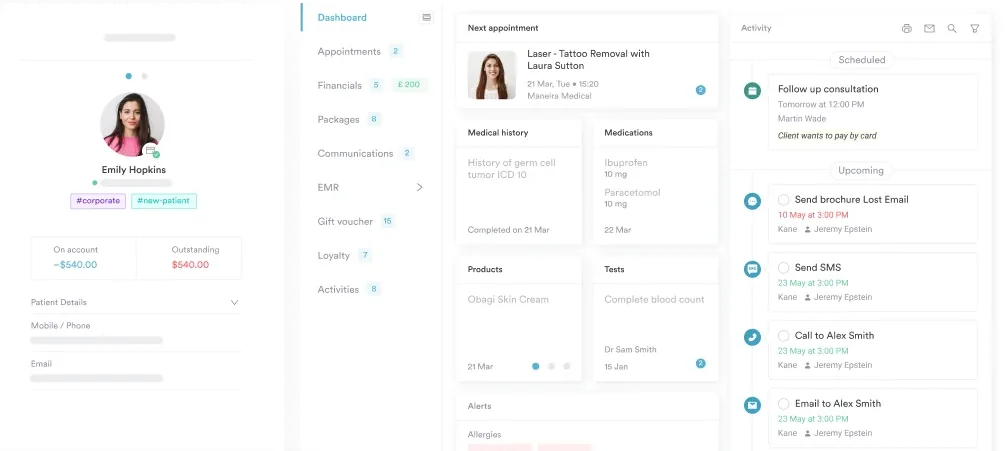
Practice management software like Pabau, with claims management and structured client records, helps oncology and ENT practices document C10.1 encounters accurately and reduce coding errors.
ICD-10 code C10.1 has a single, precise description: Malignant neoplasm of anterior surface of epiglottis. It is a billable, specific ICD-10-CM code, valid for HIPAA-covered transactions with a date of service on or after October 1, 2015. The code remains active for fiscal year 2026 without modification. Confirm current validity via the CDC/NCHS ICD-10-CM web tool before each coding cycle.
C10.1 sits within the C10 parent category (Malignant neoplasm of oropharynx), which itself falls under the C00-C14 block (Malignant neoplasms of lip, oral cavity and pharynx) in Chapter 2 of ICD-10-CM.
Understanding this hierarchy matters because the oropharynx chapter carries chapter-specific coding guidelines that differ from the larynx chapter (C30-C39). Good claims management software surfaces these guidelines at the point of claim submission rather than after denial. An authorization request approved for one code does not cover a different code billed on the day.
The ICD-10-CM tabular list recognizes several synonymous terms under C10.1. Coders may encounter these in pathology reports and operative notes:
If the pathology report uses any of these terms without specifying a different subsite, C10.1 is the correct code. When the report is ambiguous about surface involvement, query the treating physician before assigning a code. Coding from an unclear operative note without clarification is a common audit trigger.
The same surface-specificity logic applies to other head and neck sites.
C10.1 carries no Type 1 Excludes notes. At the C10.1 code level, the Type 2 Excludes note references malignant neoplasm of epiglottis (suprahyoid portion) NOS (C32.1). Because this is a Type 2 Excludes, it is acceptable to report C10.1 alongside C32.1 if a patient has documented malignancy involving both the anterior epiglottic surface and the supraglottic larynx simultaneously.
At the C10 category level, a separate Type 2 Excludes note applies: malignant neoplasm of tonsil (C09.-). Never infer overlap involvement from imaging alone. Require pathology confirmation for each site.
The CDC NCHS Neoplasm Table maps the anterior surface of the epiglottis to five codes depending on the nature of the growth. Using the wrong code for the behavior type (for example, reporting D10.5 when pathology confirms malignancy) is a payer audit flag and may constitute upcoding or downcoding. Confirm behavior from the final pathology report, not the clinical impression.
Source: CMS ICD-10-CM official code files and the CDC NCHS Neoplasm Table (2020 edition, confirmed for FY 2026).
When a secondary malignant neoplasm code such as C79.89 is used, the primary site should be coded first per ICD-10-CM sequencing guidelines. For patients receiving active treatment for the primary C10.1 tumor, the primary code sequences first regardless of which site prompted the current encounter.
The same sequencing logic applies to other secondary neoplasm codes.
The epiglottis has two distinct surfaces, and ICD-10-CM codes them to different chapters. The anterior (lingual) surface faces the base of the tongue and the vallecula. Because it is embryologically and functionally part of the oropharynx, malignancy here maps to C10.1.
The laryngeal (posterior) surface faces the laryngeal lumen and maps to C32.1 (supraglottis). A tumor crossing both surfaces requires separate codes with documentation supporting each site’s pathological involvement.
Clinically, a supraglottic mass or a persistent lump in the throat is often what prompts the imaging that localizes the lesion. When the laryngeal surface is involved, the malignant neoplasm of the supraglottis is coded C32.1 rather than C10.1, so the pathology report must state which surface the tumor occupies.
Most malignancies coded to C10.1 are squamous cell carcinomas (SCC). According to the WHO ICD-10 classification framework, oropharyngeal SCCs share epidemiological patterns with other head and neck cancers in the C00-C14 block. HPV-associated oropharyngeal cancer has become a clinically significant subtype.
When an HPV-positive tumor of the anterior epiglottis is confirmed, C10.1 remains the primary code. HPV-positive status may be captured with an additional code (B97.7, human papillomavirus as the cause of diseases classified elsewhere) if clinically documented and relevant to the encounter. Do not add B97.7 without physician documentation of HPV-positivity.
This is where most coding errors occur. The table below summarizes the key distinctions:
The clinical record must clearly document which surface the tumor arises from. If the operative note says “epiglottis, NOS” without specifying the surface, C32.1 (supraglottis, which includes epiglottis NOS) applies by default, per ICD-10-CM tabular hierarchy.
Query the surgeon if surface laterality is clinically determinable. Structured oncology and surgical EMR workflows that prompt site-specific documentation reduce these ambiguity situations before billing.
ICD-10-CM chapter-specific guidelines for neoplasms (Chapter 2) govern how C10.1 is sequenced and used. The following rules apply directly to encounters involving this code.
These sequencing rules align with CMS coding guidelines for ICD-10-CM Chapter 2. Practices using structured client records that flag active versus historical diagnoses reduce missequencing errors in the billing queue.
Payer audits for head and neck malignancy codes consistently look for these documentation elements:
The same documentation standard applies to related head and neck codes, such as related head and neck codes for the posterior wall of the nasopharynx.
Run a pre-bill audit on all C10.1 claims: confirm the pathology report is in the chart, check that the operative note specifies ‘anterior surface’ or ‘lingual surface,’ and verify the sequencing order before submission. Catching these gaps internally costs far less than working a denied claim.
Oncology and ENT coders routinely encounter C10.1 alongside other oropharyngeal and laryngeal codes. Knowing the adjacent codes prevents both overlapping and under-coding when a patient has multi-site involvement or a history of other primary malignancies. A broader coding guide brings together CPT, ICD-10, HCPCS, and E/M references your team can check before submission.
For AAPC-certified coders needing quick lookups across the full C10 code group, the AAPC Codify ICD-10-CM lookup provides chapter-specific guidelines alongside the tabular structure.
Managing multiple related codes across a patient’s oncology treatment journey benefits from secure patient data management that keeps the full diagnostic history accessible across treatment episodes without duplication or version errors.
Never code C10.9 (oropharynx, unspecified) when the clinical record makes C10.1 determinable. Unspecified codes attract higher scrutiny in payer audits and may trigger medical necessity reviews. Query the treating physician to confirm the anterior surface designation before defaulting to the unspecified code.
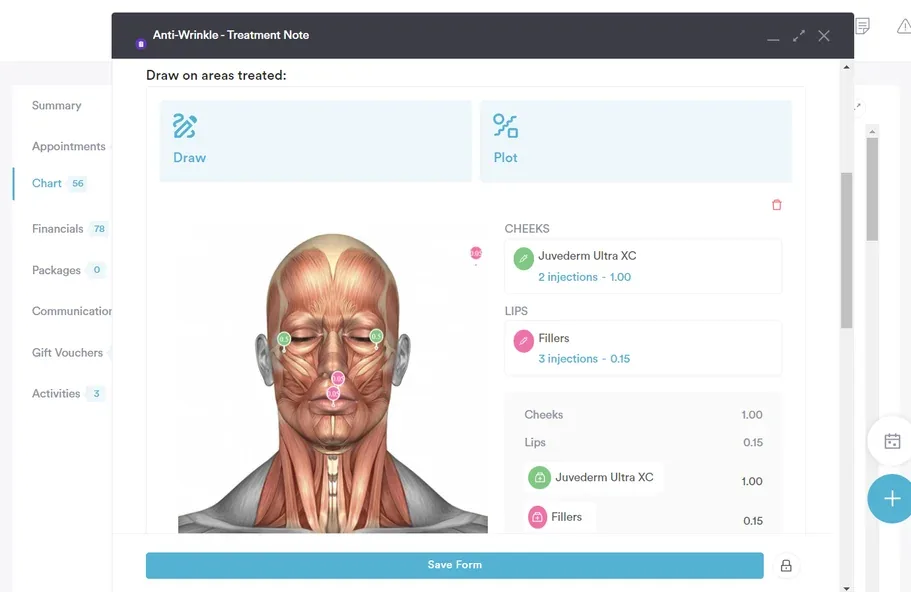
Accurate documentation of C10.1 requires capturing site-specific pathology, sequencing logic, and encounter purpose across an often-lengthy treatment course. Pabau’s digital intake forms and structured clinical notes give ENT and oncology practices a framework for capturing surface-specific information at the point of care, reducing the back-and-forth queries that slow billing cycles.
When the record clearly states “anterior surface of epiglottis” in the operative note and biopsy report, the coder has everything needed to assign and sequence C10.1 without a payer query.
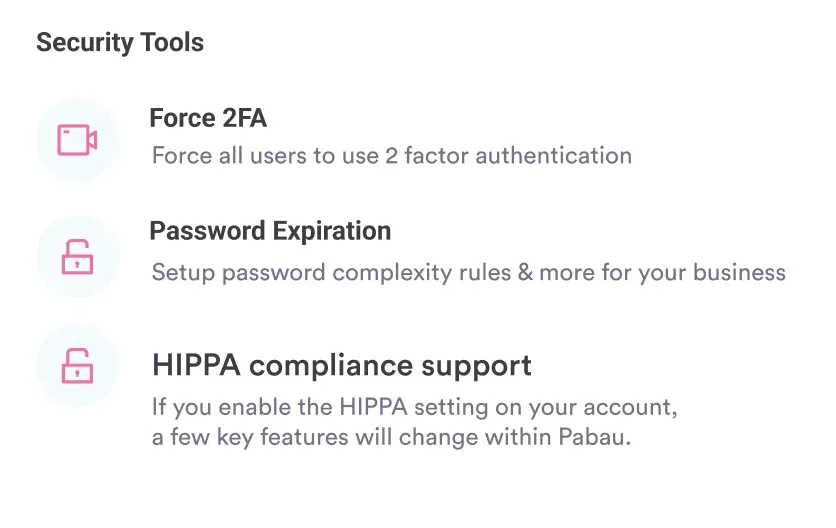
Maintaining HIPAA-compliant clinical documentation throughout the oncology care journey also protects the practice during audits. Each encounter note, pathology result, and staging assessment should be stored with version-controlled timestamps that demonstrate the documentation was created contemporaneously, not retrospectively corrected after a denial.
Pabau’s compliance management tools help practices build and maintain these audit trails as a standard part of the documentation workflow rather than a reactive step.

Pabau gives ENT and oncology practices the structured documentation tools to capture site-specific diagnoses accurately from the first encounter. See how it fits your workflow.

For practices that maintain historical records bridging the ICD-9 era, the forward crosswalk maps ICD-9-CM code 146.4 (Malignant neoplasm of epiglottis, anterior aspect) to C10.1 in ICD-10-CM. This is a one-to-one crosswalk, making legacy record migration straightforward for this specific code.
Claims with a date of service before October 1, 2015 used ICD-9-CM. Any claim dated October 1, 2015 or later requires ICD-10-CM, as mandated under HIPAA transaction standards.
The reverse crosswalk (ICD-10 to ICD-9) is relevant for research, benchmarking, and some payer legacy system integrations. C10.1 maps back to ICD-9-CM 146.4 in the CMS General Equivalence Mappings (GEMs) files. Verify current GEM file versions through the official CMS release cycle, as GEM files are updated with each annual code update.
Epiglottic malignancies are uncommon, but the coding distinction between the anterior surface (C10.1) and the laryngeal surface (C32.1) is one of the most consequential site-specificity decisions in head and neck oncology coding. The pathology report is the single most reliable document for making that determination accurately.
Pabau’s structured clinical records and compliance management tools help ENT and oncology practices document site-specific diagnoses clearly from the first encounter, reducing the ambiguity that drives denials and audit findings. If your practice handles head and neck oncology claims and wants to tighten documentation workflows, structured clinical records support accurate coding at every stage of the patient journey.

Need a right middle finger dislocation code? Right middle finger dislocation coding covers how S63.252D bills follow-up care, with A for the first visit and S for a late effect.
Tracking pathology results across a long treatment course? Pabau’s labs management software keeps pathology and biopsy results linked to the right encounter, so coders have the documentation they need before submitting a claim.
Looking to reduce the manual note-writing burden at the point of care? Pabau Scribe, our AI scribe, captures and structures clinical documentation automatically for ENT and oncology clinicians.
ICD-10 code C10.1 is the billable ICD-10-CM diagnosis code for malignant neoplasm of the anterior surface of the epiglottis. It is valid for HIPAA-covered claims with a date of service on or after October 1, 2015, and remains active for fiscal year 2026. The code falls under the C10 oropharynx category within Chapter 2 (Neoplasms) of the ICD-10-CM tabular list.
C10.1 covers malignancy of the anterior (lingual) surface of the epiglottis, classified under oropharynx (C00-C14). C32.1 covers the supraglottis, which includes the laryngeal surface of the epiglottis and epiglottis NOS, classified under larynx (C30-C39). The operative or pathology report must specify which surface is involved. “Epiglottis, NOS” without surface designation defaults to C32.1 per ICD-10-CM tabular hierarchy.
Yes. C10.1 carries a Type 2 Excludes note referencing C32.1, which means both codes may be reported together when pathology confirms malignancy involving both the anterior epiglottic surface and the supraglottic larynx simultaneously. Each site requires separate pathology documentation to support dual coding.
C79.89 (Secondary malignant neoplasm of other specified sites) is the metastasis crosswalk for C10.1, as recorded in the CDC NCHS Neoplasm Table. When coding a metastatic encounter where the primary anterior epiglottis tumor is still active, C79.89 sequences as the principal diagnosis for that encounter, with C10.1 reported additionally.
A final pathology report confirming malignancy is required, along with documentation specifying the “anterior” or “lingual” surface. The operative note or biopsy report must include surface-specific language. TNM staging, histological type (most commonly squamous cell carcinoma), and encounter purpose should also be documented to support accurate sequencing and oncology claims review.