CPT code 93503: Swan-Ganz catheter billing and modifiers
CPT code 93503: Official descriptor and procedure overview In the AMA CPT code s...

Last Updated: Oct 23, 2026
A9575 is the HCPCS Level II code for injection, gadoterate meglumine, 0.1 ml.
Official descriptor: Injection, gadoterate meglumine, 0.1 mL. The Centers for Medicare and Medicaid Services (CMS) maintains this code under the Diagnostic and Therapeutic Radiopharmaceuticals category within the HCPCS Level II system. It was established by CMS transmittal r2849cp and applies to all multi-use and single-dose vial formulations of gadoterate meglumine marketed in the US, including Clariscan (distributed by GE Healthcare) and Dotarem (manufactured by Guerbet). Denial codes in medical billing group the reasons a payer refuses, and the group decides the fix.
Gadoterate meglumine is a macrocyclic. Its macrocyclic structure gives it a lower risk of gadolinium dissociation compared to linear agents, a distinction that has clinical relevance when documenting medical necessity for payers that require contrast-agent justification.
Let Pabau's smart automation suggest the right codes, reduce claim denials, and keep your practice compliant—effortlessly.
Automate repetitive tasks and focus on what matters most—your patients.
Reduce coding errors and ensure compliance with the latest regulations.
Clean claims, fewer denials, and faster reimbursements.
Powerful insights and reporting to help your practice thrive.
HIPAA compliant SOC 2 certified GDPR-compliant Trusted by 4,000+ clinics worldwide

HCPCS Code A9575 is defined as Injection, gadoterate meglumine, 0.1 mL and falls under the Diagnostic and Therapeutic Radiopharmaceuticals category maintained by CMS.
Each billing unit equals 0.1 mL of gadoterate meglumine. Most standard adult MRI doses require 15-20 units, so calculating units accurately is critical to avoid overbilling.
The current Medicare non-facility reimbursement rate is approximately $0.09 per 0.1 mL unit. Always cross-reference against the CMS Physician Fee Schedule before submitting claims.
Pabau’s claims management software helps radiology and imaging practices track drug units, attach NDC numbers, and submit A9575 claims with fewer denials.

Gadoterate meglumine is FDA-approved for use in adults and children aged two years and older. Payers expect medical necessity documentation to specify which indication prompted contrast use. Vague orders like “MRI with contrast” are increasingly flagged for audit, so the diagnosis code on the claim must directly support the clinical need for a GBCA.
Common clinically accepted indications include:
Confirm the patient’s renal function before administration. Gadolinium-based contrast agents carry a risk of nephrogenic systemic fibrosis (NSF) in patients with severe renal impairment (eGFR below 30 mL/min/1.73 m²). This contraindication must be documented in the patient record and, where required, on the prior authorization request.
Make sure the ICD-10-CM code on the claim.
The most consequential decision in A9575 billing is calculating units correctly. Each unit represents 0.1 mL of gadoterate meglumine actually administered to the patient.
A9575 units are counted per 0.1 mL of gadoterate meglumine actually administered. The standard adult dose for most MRI indications is 0.1 mmol/kg body weight. At the standard concentration of 0.5 mmol/mL, this equates to 0.2 mL/kg.
For a 75 kg adult, the dose is approximately 15 mL, which means 150 units on the claim (150 x 0.1 mL). Always bill for the volume actually administered, not the full vial volume.
Key billing rules to follow:
HCPCS code A9575 is never billed in isolation. It always accompanies the appropriate CPT code for the MRI procedure, and the common MRI CPT codes are listed below. AAPC Codify lists the full HCPCS Level II range and associated crosswalks. Common CPT pairings include:
The table lists 74183 for the abdomen, which covers a pre-contrast series followed by post-contrast imaging. When the technologist runs post-contrast sequences only, A9575 pairs with 74182 instead.
For a full reference to related radiology and imaging CPT codes, consult the current CMS code listings. The CPT code governs the technical and professional component reimbursement, and A9575 covers only the drug cost.
Other cross-sectional imaging procedures pair with their own drug and supply codes. See 74177 for CT abdomen and pelvis with contrast, 72148 for MRI lumbar spine without contrast.
Build a claim template in your practice management system that pre-loads A9575 with the correct NDC, the N4 qualifier, and the volume field linked to your dosing calculator. This removes manual steps from the billing workflow and catches unit errors before submission, not after the denial arrives.
A9575 reimbursement runs through the Medicare Part B buy-and-bill model for gadolinium contrast agents. The practice or hospital purchases the drug, administers it, and seeks reimbursement from Medicare. Reimbursement is based on the Average Sales Price (ASP) methodology for Part B drugs, not the Physician Fee Schedule RVU framework used for professional services.
The Medicare non-facility reimbursement rate for HCPCS code A9575 is approximately $0.09 per 0.1 mL unit. Because a typical adult MRI dose runs to 150+ units, the total drug reimbursement for a single patient encounter is in the range of $13-$15. Always verify the current rate directly via the CMS Physician Fee Schedule before finalizing your fee schedules, as ASP-based rates update quarterly.
The payment setting changes how A9575 is reimbursed. In the non-facility setting (outpatient radiology center or physician office), the drug is reimbursed under the Part B drug payment rate. Under the Hospital Outpatient Prospective Payment System (OPPS), CMS bundles contrast agents into the MRI procedure’s Ambulatory Payment Classification (APC) rate.
Hospitals billing on a UB-04 must still list A9575 on the claim for tracking and volume reporting, but the incremental drug reimbursement is absorbed into the APC payment.
Modifier requirements for A9575 depend on the payer and the clinical scenario. Medicare generally does not require a drug-specific modifier on the A9575 line, but the MRI procedure CPT code may require modifier 26 (professional component) or TC (technical component) when billing split between the radiology group and the facility.

Pabau’s claims management software helps imaging and radiology practices submit HCPCS drug codes with the right units, NDC numbers, and CPT pairings every time. Fewer denials, less rework, more recovered revenue.

Medicare does not require prior authorization for A9575 as a standalone drug code, but the MRI procedure itself may be subject to prior auth depending on the Medicare Advantage plan. Commercial payers are more variable. According to GE Healthcare’s reimbursement guidance, commercial payers may require prior authorization for procedures involving gadolinium contrast agents.
Check each payer’s portal or call their provider services line before the scheduled scan, particularly for Medicare Advantage, Blue Cross, Aetna, Cigna, and UnitedHealthcare plans. Using drug tracking workflows within your practice management system can flag missing authorizations before the patient arrives.

NC Medicaid has specific billing rules for gadoterate meglumine. Per the NC Medicaid billing bulletin, providers must bill gadoterate meglumine using HCPCS code A9575 specifically, not an unlisted radiopharmaceutical code. Other state Medicaid programs have adopted similar policies.
Run a monthly denial report filtered specifically to A9575 and the MRI CPT codes paired with it. The most common denial patterns are missing NDC, incorrect modifier JZ on single-dose vials, and unit count mismatches between the claim and the administration record. Catching these patterns early prevents the same error from repeating across hundreds of claims.
Clariscan and Dotarem are the two brand names for gadoterate meglumine, and a Clariscan vs Dotarem choice makes no difference to the code: both bill under A9575. Gadoterate meglumine is one of several gadolinium-based contrast agents with distinct HCPCS codes. Selecting the wrong code, even between two gadolinium agents, is a coding error that can trigger audits and clawbacks. The key differentiator is the specific chemical formulation and its manufacturer’s NDC range.
Never use A9579 (NOS) when a specific code exists for the agent administered. Gadopentetate dimeglumine (Magnevist) has no dedicated brand-specific HCPCS code of its own and is billed under the A9579 catch-all instead. Payers match the NDC on the claim against the expected NDC range for the billed HCPCS code, so an A9575 claim submitted with a Magnevist NDC will be denied for code-NDC mismatch.
Verify your medication inventory management records confirm which product was actually used before building the claim. Practices administering antiemetics alongside contrast injections.
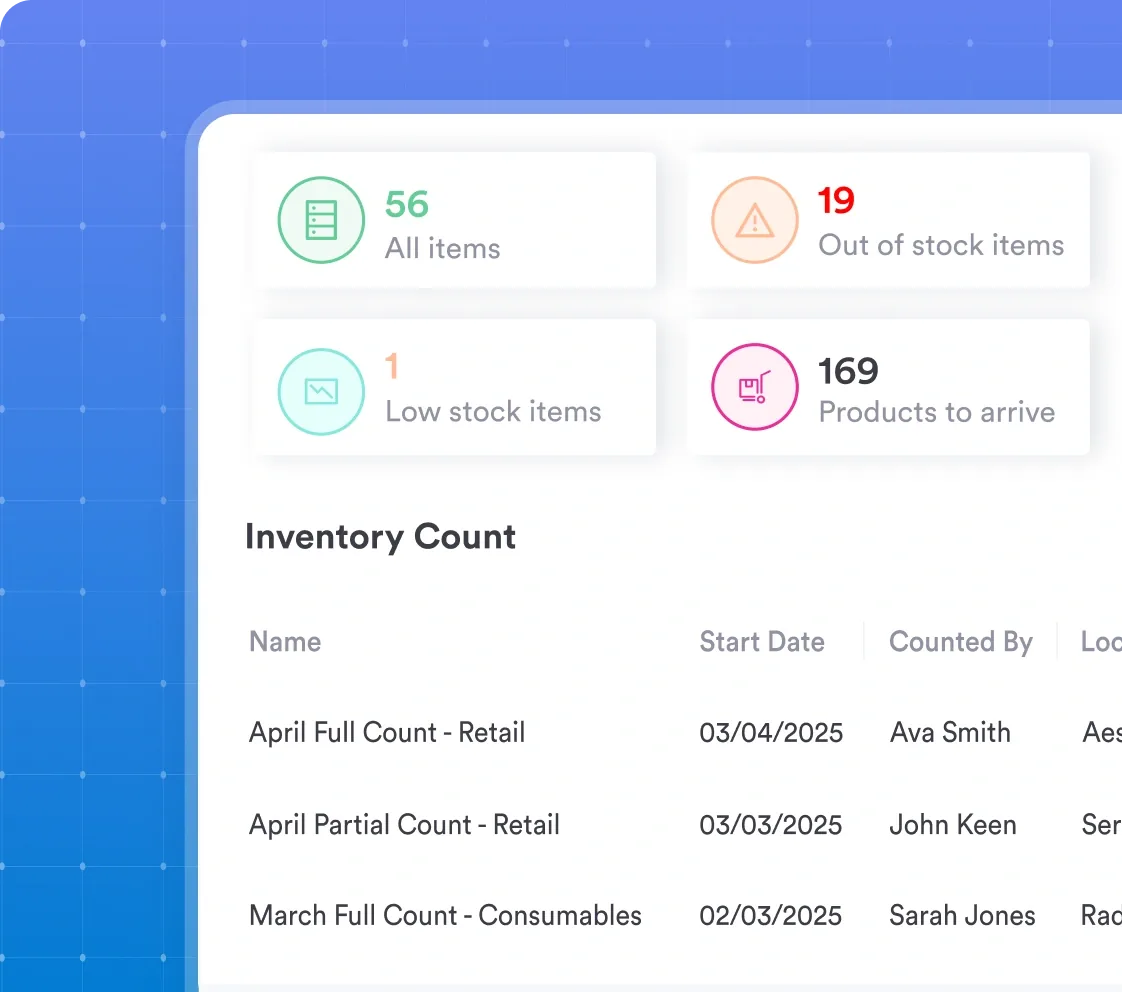
A9575 claims involve more moving parts than a typical service code: the drug cost, the procedure CPT, the NDC, the billing unit count, and the modifier layer all need to align before submission. Manual entry across all these fields on every claim is where errors compound.
Imaging centers and radiology practices with strong EHR integration typically see fewer denial cycles because the administered dose documented in the clinical record flows directly into the claim without re-keying. The dosing event, the NDC, and the unit count are captured once at the point of care and pulled through to the claim automatically.
For practices managing multiple contrast agents across different modalities. When the clinician documents “gadoterate meglumine” in the structured field rather than a free-text note, the billing system can auto-map to A9575 rather than relying on a billing coder to interpret handwritten orders.

Practices also benefit from linking A9575 billing to HIPAA-compliant clinic software that maintains an auditable trail of who administered the contrast, the volume injected, the batch number, and the patient consent. Payer audits on GBCA claims are becoming more common as high-volume utilization draws scrutiny.
Missing documentation is the primary reason audits result in repayment demands rather than clean closures. Connecting your billing and clinical record management workflows within a single platform closes that risk by design.
For practices processing large volumes of imaging claims. Also see the related guide on ADHD screening codes for a comparable reference structure on procedure-level coding.
HCPCS code A9575 billing fails most often not because the code is wrong, but because the units are miscalculated, the NDC is missing, or modifier JZ is omitted on single-dose vial claims. Getting those three elements right on every submission prevents the majority of A9575 denials before they happen.
Pabau’s claims management software gives radiology and imaging practices a structured way to capture drug codes, NDC numbers, and administered volumes at the point of care and carry that data through to claim submission without manual re-entry. To see how Pabau handles HCPCS drug billing workflows, book a demo with the team.

Need a related imaging code? CPT 70450 covers CT head without contrast, a common companion order when a contrast MRI is not an option.
Billing a leuprolide depot injection? Leuprolide acetate billing guide covers the unit count, JW or JZ modifier use, and covered diagnosis codes.
Billing an oxaliplatin injection? Oxaliplatin billing guide explains how to bill the drug component separately from the administration service.
HCPCS Code A9575 is the billing code for injection, gadoterate meglumine, 0.1 mL, a macrocyclic gadolinium-based contrast agent administered intravenously during MRI procedures. It is maintained by CMS under the Diagnostic and Therapeutic Radiopharmaceuticals category and applies to brand-name products including Clariscan (GE Healthcare) and Dotarem (Guerbet).
Bill A9575 alongside the appropriate CPT code for the MRI procedure, reporting one unit per 0.1 mL of gadoterate meglumine actually administered. Include the 11-digit NDC using qualifier N4, append modifier JZ for single-dose vials with no waste, and report modifier JW on a separate line if billing for discarded drug from a multi-use vial where your payer permits waste billing.
The Medicare non-facility reimbursement rate for HCPCS Code A9575 is approximately $0.09 per 0.1 mL unit. Because rates update quarterly under the ASP methodology, always verify the current rate via the CMS Physician Fee Schedule lookup before finalizing your fee schedule. Hospital outpatient settings bill through OPPS, where the drug cost is typically bundled into the APC payment.
Modifier JZ is required on single-dose vial claims where no drug was wasted, for dates of service on or after July 1, 2023 (voluntary reporting began January 1, 2023). Modifier JW applies to a separate line item reporting discarded contrast from a multi-use vial, where permitted by your payer and MAC. Standard professional/technical component modifiers (26 and TC) apply to the paired MRI CPT code, not to the A9575 drug line itself.
A9575 is specific to gadoterate meglumine (Clariscan, Dotarem), while A9579 is the not-otherwise-specified (NOS) catch-all for gadolinium-based contrast agents without a dedicated HCPCS code. Use A9575 whenever gadoterate meglumine is the agent administered. Billing A9579 when A9575 applies will result in claim denial or audit risk, because the NDC on the claim will not match the expected range for the unlisted NOS code.
A9575 is a HCPCS Level II code, not a CPT code, even though it is often searched as the A9575 CPT code. The difference between CPT and HCPCS codes matters on a contrast MRI claim: the CPT code, such as 70553, describes the scan, while HCPCS code A9575 covers the gadoterate meglumine drug. Report both on the claim, the CPT for the procedure and A9575 for the contrast agent.