ICD-10 Code Y76.0: Diagnostic obstetric and gynecological devices
ICD-10 Code Y76.0: Definition and billable status ICD-10 Code Y76.0 is a valid, ...

Last Updated: Oct 23, 2026
Billable Code Specific Code
S33.4XXD is the billable ICD-10-CM code for traumatic rupture of symphysis pubis, subsequent encounter.
Let Pabau's smart automation suggest the right codes, reduce claim denials, and keep your practice compliant—effortlessly.
Automate repetitive tasks and focus on what matters most—your patients.
Reduce coding errors and ensure compliance with the latest regulations.
Clean claims, fewer denials, and faster reimbursements.
Powerful insights and reporting to help your practice thrive.
HIPAA compliant SOC 2 certified GDPR-compliant Trusted by 4,000+ clinics worldwide

ICD-10 code S33.4XXD describes traumatic rupture of symphysis pubis, subsequent encounter. It is billable for the 2026 code year, effective October 1, 2025.
The 7th character D applies when the patient receives routine care during healing, after active treatment for the injury is complete.
Mixing up S33.4XXA, S33.4XXD, and S33.4XXS is the most common error on this injury. The note has to state the phase of care.
Each provider codes their own encounter type, so a surgeon and a physical therapist can use different characters on the same day.
Practice management software like Pabau validates ICD-10-CM entry and prompts phase-of-care notes, so subsequent encounter claims hold up at audit.
Every segment of S33.4XXD carries a distinct anatomical or procedural meaning. Coders who already work with neighboring pelvic codes such as S34.5XXA will recognize the pattern straight away.
The symphysis pubis is the cartilaginous joint that connects the two pubic bones at the front of the pelvis. Traumatic rupture usually follows high-energy trauma, such as a motor vehicle accident, a crush injury, or a difficult delivery.
The injury disrupts the anterior pelvic ring and can destabilize the whole pelvis. Recovery therefore runs through orthopedic and pelvic floor care.
The 7th character is the most operationally significant part of this code, and getting it wrong is the fastest route to a denied claim. The CMS ICD-10-CM guidance defines three distinct encounter phases for injury codes.
The 7th character follows the provider’s own encounter type rather than the patient’s overall timeline. An orthopedic surgeon reviewing a patient still under active surgical management uses the A character. A physical therapist seeing that same patient six weeks later uses the D character. What decides the character is the phase of care at the current visit, not the number of visits so far. The billing process starts at registration, not at the point the coder opens the note. A paper claim is scanned before it is read, so alignment and legibility affect whether it processes.
S33.4XXD appears most often in outpatient and rehabilitation settings. These are the situations where it applies correctly, according to the CDC ICD-10-CM tool.
Emergency and acute care settings are where the D character gets misapplied. If a patient presents to the ED with a newly identified symphysis pubis rupture, the initial encounter A applies. The same character fits any fresh injury code. That holds even when the injury happened days earlier, because active assessment and treatment are happening at that visit.
Fracture codes such as S52.033J run on the same encounter logic, with extra characters that also record healing status.
Record the current phase of care in every encounter note. One line does it: ‘Patient is in the recovery phase following surgical stabilization, completed on [date].’ That single sentence gives auditors and payers the context they need to accept S33.4XXD. Leaving it out is the main reason subsequent encounter codes get queried.
All three codes describe the same injury, and the difference sits entirely in the phase of care. Coders reapply the 7th character at every encounter for the same patient. It can legitimately change from visit to visit as the phase shifts.
A sequela code never travels alone. S33.4XXS identifies the original injury, and a second code describes the late effect actually being treated at that visit. That two-code pattern is what separates sequela from subsequent encounter, where S33.4XXD stands on its own as the primary injury code.
Knowing where S33.4XXD sits in the ICD-10-CM classification hierarchy helps coders navigate related codes. It also confirms that the selected code is at the right specificity level for the claim.
S33.4 needs two placeholder X characters so the code reaches the seventh position, because ICD-10-CM requires all S33 codes to run to seven characters. Without the placeholders the code is invalid and gets rejected at claim processing. Practices running claims management software with ICD-10-CM validation catch that structural error before submission.
Pelvic ligament and lumbar spine injuries turn up alongside symphysis pubis disruption in most high-energy trauma cases. The table below covers the closest codes in the S33 family and the surrounding pelvic injury categories.
Chapter 20 external cause codes travel with these injuries too, and they carry their own 7th character. ICD-10-CM code W58.12XD takes the D character, matching the subsequent-encounter phase recorded on S33.4XXD. X05.XXXD, the nightwear burn aftercare code, needs three placeholder Xs to reach its 7th character. Omit one and the clearinghouse edit rejects the claim.
The ICD-10-CM Official Guidelines, maintained jointly by CMS and NCHS, govern how subsequent encounter codes are assigned. Subsequent encounter applies while the patient is receiving routine care for the injury during the healing and recovery phase. Routine care covers cast changes, X-ray follow-ups, physical therapy, medication management, and post-operative monitoring.
Documentation that supports S33.4XXD at audit has to establish three things. The original injury must be documented in the medical record. Active treatment for the acute injury must be confirmed as complete. And the current visit must be characterized as follow-up, rehabilitation, or routine monitoring.
Practices handling high volumes of post-surgical claims benefit from digital clinical documentation templates. Those templates prompt clinicians to name the phase of care at each encounter. Coders at physical therapy practices cite encounter-type ambiguity as a recurring denial driver for injury aftercare codes.

S33.4XXD is a valid, billable code accepted by Medicare, Medicaid, and commercial payers on appropriate subsequent encounter claims. A few billing-specific factors shape the outcome, especially in rehabilitation and outpatient orthopedic settings.
Payer policies on subsequent encounter injury codes vary. Some commercial payers apply medical necessity criteria before they reimburse ongoing rehabilitation visits coded with the D character. They want documented functional improvement, or a treatment plan with defined goals.
Medicare generally follows the official guidelines without extra restrictions on subsequent encounters. Local coverage determinations from Medicare Administrative Contractors can still impose specialty-specific requirements. Check the applicable determination for physical therapy and orthopedic services in your jurisdiction.
Practices using HIPAA-compliant practice software with integrated billing rarely submit an unextended injury code, because validation rules block it first. Check that the procedure code on the claim describes the same phase of care. That applies whether the visit is an acute procedure like 20251 or routine rehabilitation.
Most coding errors on subsequent encounter injuries start at the documentation level. By the time a coder reaches for S33.4XXD, the clinical note has already decided whether the claim survives audit. Practice management software like Pabau pairs electronic client records with structured encounter documentation. The phase of care gets captured while the clinician is still with the patient.
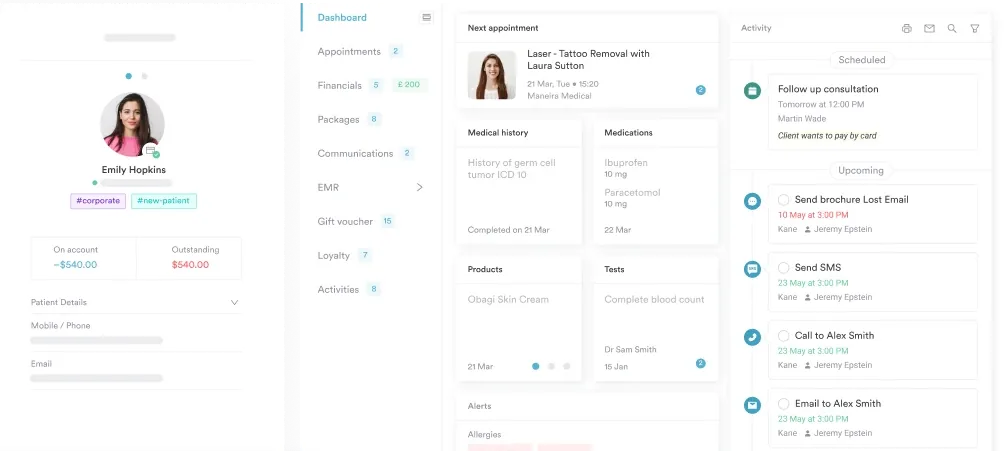
Structured note templates prompt clinicians to record the phase of care, the clinical objective, and the link back to the original injury. That builds an auditable trail across the whole recovery episode, from acute presentation through discharge from rehabilitation.
Pabau’s claims management tools accept ICD-10-CM codes alongside CPT procedure codes, and flag incomplete or structurally invalid codes before anything is submitted. For rehabilitation and orthopedic practices working through high volumes of injury aftercare codes, code lookup sits inside the clinical workflow instead of the back office. Denials drop and reimbursement cycles get shorter.

Pabau’s claims management and clinical documentation tools capture the right encounter context at every visit. Codes like S33.4XXD go out backed by the documentation payers expect.

S33.4XXD is a straightforward code to assign once the phase of care is clear in the record. The error that costs practices money is applying D while active treatment is still under way. That is a documentation failure before it is a coding one.
Make phase of care a required line in the encounter note and the problem largely goes away. Coders get the evidence they need, and payers get nothing to query. Book a demo to see how Pabau keeps clinical notes and claims aligned across a full recovery episode.

Coding another injury in the subsequent encounter phase? S36.230D shows how the D character behaves on an abdominal organ laceration.
Need the aftercare code for a urinary organ injury? S37.893D covers follow-up visits for injuries that often accompany pelvic ring trauma.
Billing an orthopedic procedure alongside the diagnosis? 20150 walks through the documentation and modifier rules for epiphyseal bar excision.
Reporting wound preparation during the recovery phase? 15005 explains how the add-on code is reported with the primary repair.
Coding a late effect once the injury has healed? M17.5 covers secondary osteoarthritis, a common sequela of joint trauma.
ICD-10 code S33.4XXD is a billable ICD-10-CM diagnosis code for traumatic rupture of symphysis pubis, subsequent encounter. It is valid for the 2026 code year, effective October 1, 2025. Use it when a patient receives routine care during healing, after active treatment for the rupture is complete.
The 7th character D means a subsequent encounter. The patient is receiving routine care during the healing or recovery phase, after active treatment has been completed. It differs from A, which covers active treatment in progress, and from S, which covers a late effect of the original injury. The character follows the provider’s current encounter type, not the total number of visits.
A subsequent encounter, 7th character D, applies while the patient is still healing from the original injury and receiving routine follow-up care. A sequela, 7th character S, applies once the injury has resolved but has left a residual condition that now needs treatment. Sequela coding pairs S33.4XXS with a separate code naming the specific late effect, and the two are always reported together.
Yes, S33.4XXD is a billable and specific ICD-10-CM code accepted for claim submission by Medicare, Medicaid, and commercial payers. It became effective on October 1, 2025 as part of the 2026 ICD-10-CM update. The parent code S33.4 is not billable on its own without the full 7th character extension.
Use S33.4XXA while the patient is receiving active treatment for the symphysis pubis rupture, such as emergency care or surgery. Use S33.4XXD once active treatment is complete and the patient is in the healing phase, covering follow-up visits, physical therapy, and pain management. Use S33.4XXS when the rupture has resolved but caused a residual late effect, paired with a code identifying that effect.
The ICD-10-CM Official Guidelines specify when subsequent encounter applies. The patient must be receiving routine care during the healing or recovery phase, after active treatment is complete. Documentation must confirm that the visit is for follow-up, rehabilitation, or monitoring rather than renewed active treatment. Each provider applies the 7th character that matches their own encounter type. Two providers can therefore use different characters for the same injury on the same date.