System disorder ATI
The system disorder ATI template is a one-page study form that nursing students ...

1
Last Updated: Oct 20, 2026

Testicular torsion presents with sudden, severe pain, typically 7-10/10, and needs immediate surgical evaluation to save the testicle.
The TWIST score combines five clinical variables to stratify torsion risk as low (0-2), intermediate (3-4), or high (≥5).
An absent cremasteric reflex is the most reliable single sign of torsion. It is not pathognomonic, so read it alongside the other TWIST variables.
Incidence peaks twice, in the neonatal period and again through puberty and adolescence.
Time to surgical detorsion decides the outcome. Salvage runs 90-100% within 6 hours and under 10% after 24 hours.
A one-page reference carrying the 0-10 pain rating scale, the five TWIST score fields, the risk band interpretation guide, and an immediate action checklist. It also leaves space for differential notes and imaging findings.
Download templateTesticular torsion is a urologic emergency. The spermatic cord twists, blood flow to the testicle stops, and the pain arrives suddenly and severely. Delays beyond 6 hours sharply reduce the chance of saving the testicle.
The testicular torsion pain scale, paired with the TWIST scoring tool, lets emergency clinicians and urologists stratify risk in minutes instead of waiting on imaging.
This guide covers the scoring variables, the interpretation thresholds, and the conditions that mimic torsion. It also gives you a one-page template to download.
Most patients rate testicular torsion at 7-10 on a numerical pain rating scale (NRS). That makes it one of the most intense acute presentations in urology. Onset is sudden and spontaneous, often during sleep or light activity, with no preceding trauma.
The pain comes from ischemia. As the spermatic cord twists, blood supply to the testicle is cut off, tissue hypoxia sets in, and an inflammatory cascade follows.
A pain rating on its own only measures intensity. Pairing the NRS reading with the TWIST clinical score adds the second layer, likelihood, and the two together decide what happens next.
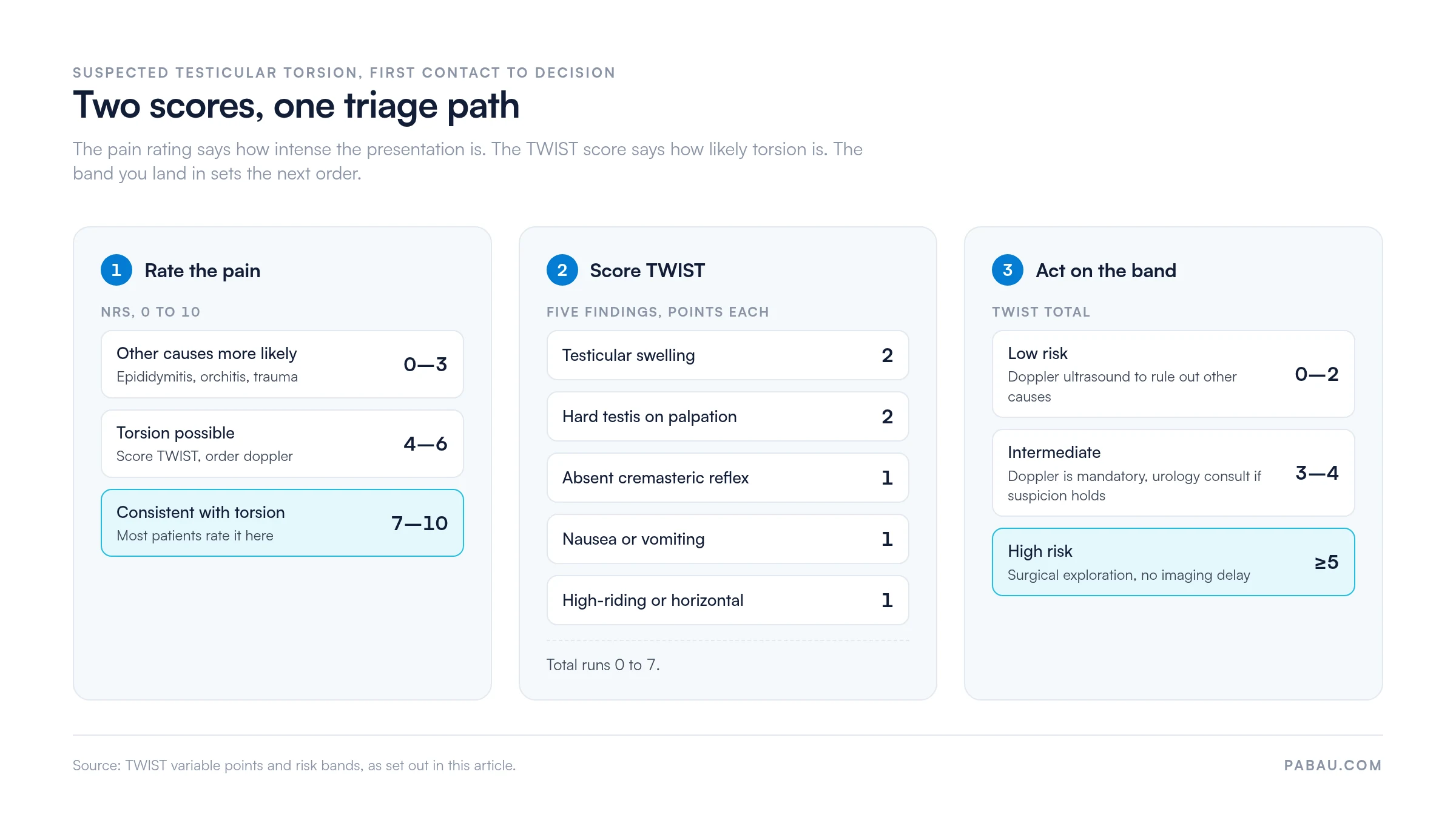
Read the pain rating this way at first contact:
Pain quality is usually a deep, aching throb in the scrotum and lower abdomen. Nausea and vomiting occur in 50-90% of cases, and the TWIST score counts them as a variable.
The sudden onset and the intensity are what separate torsion from other scrotal emergencies, which is why the pain rating is the first triage filter. Capturing that number on emergency intake forms keeps the reading consistent from shift to shift.
The classic presentation is a triad: sudden severe unilateral scrotal pain, nausea or vomiting, and an absent cremasteric reflex. Age adds to the suspicion. Incidence peaks twice, in the neonatal period and again through puberty and adolescence, roughly 12 to 18 years.
Physical findings change over time. Early in torsion, swelling may be minimal and the reflex still present in around 10% of cases. That is why the combination of NRS rating, TWIST score, and history beats any single physical finding.
The TWIST score is a validated five-variable tool that assigns points for objective physical findings, producing a total of 0-7. Each variable reflects a feature of the condition’s pathophysiology or presentation.
The total determines the probability of torsion and the recommended next step:
Imaging delays worsen outcomes. A high TWIST score alongside an NRS rating of 7-10 is a surgical emergency. AI clinical documentation speeds up note-taking and handoff while the clock is running.
The cremasteric reflex is an involuntary contraction of the cremaster muscle, which suspends the testicle, triggered by stroking the inner thigh. Its presence or absence is one of the most useful physical findings in suspected torsion.
Record the reflex status directly on the form. An absent reflex, an NRS rating of 7-10, and a TWIST score of 5 or more together warrant immediate urology notification. Send the surgical team an SBAR handoff report so the same numbers travel with the patient.
Several scrotal emergencies present with acute pain and can be mistaken for torsion. The TWIST score and the cremasteric reflex do most of the work in telling them apart, but clinical context still matters.
Where the history is unclear or the findings are borderline, doppler ultrasound is the imaging of choice. Its sensitivity for torsion is above 95%, and it rules out the alternatives above. Never delay surgery for it when the TWIST score is 5 or more and the pain sits at 7-10. The AAFP guidelines set out the full differential workup.
Time from onset to surgical detorsion and bilateral orchiopexy is the single most important factor in testicular viability. Every hour of delay raises the risk of permanent ischemic damage or orchiectomy.
The drop between the first and second row is the reason triage protocols exist. A TWIST score of 5 or more, an NRS rating of 7-10, and an absent reflex call for same-day surgical consultation and exploration.
Intermittent torsion, where the cord twists and untwists in cycles, often arrives with a delayed history. Keep clinical suspicion high whenever the presentation fits, regardless of how long the symptoms have run. The NIH testicular torsion review covers the evidence base for management.
Document the pain NRS score (0-10) at first patient contact. Use it as a rapid triage filter: a score of 7-10 with an absent cremasteric reflex and a high-riding testicle means immediate surgical evaluation. Low scores of 0-3 point toward other diagnoses and free operating room time for confirmed torsions.
The downloadable template is a one-page tool built for the emergency department or urgent care. Six steps take it from first contact to a documented decision:
The form also leaves space for differential notes and any imaging findings. Filing the completed page through medical records management keeps it in the patient’s chart for continuity and medico-legal protection.
Departments standardizing the wider workup at the same time can pair it with the emergency nursing assessment form, which covers the surrounding vitals and history.
In most departments the form lives as a printed page or a PDF on a shared drive. The pain score and the TWIST variables get written by hand, then typed into the record later, if at all. By the time an audit asks when the assessment happened, the timings have drifted.
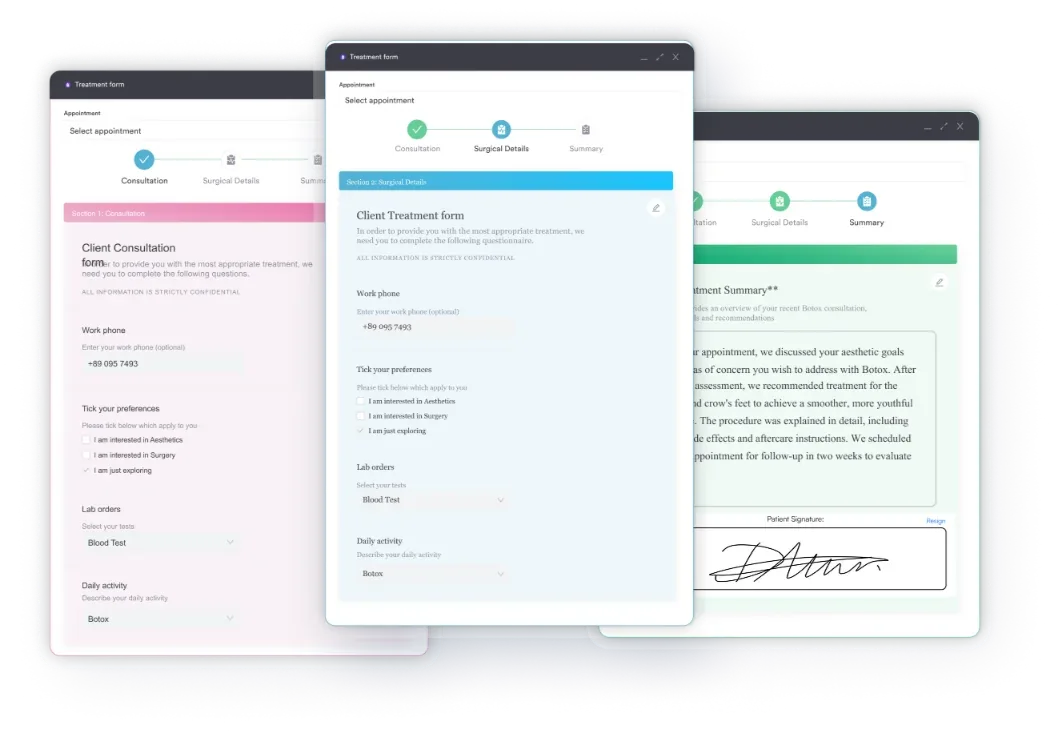
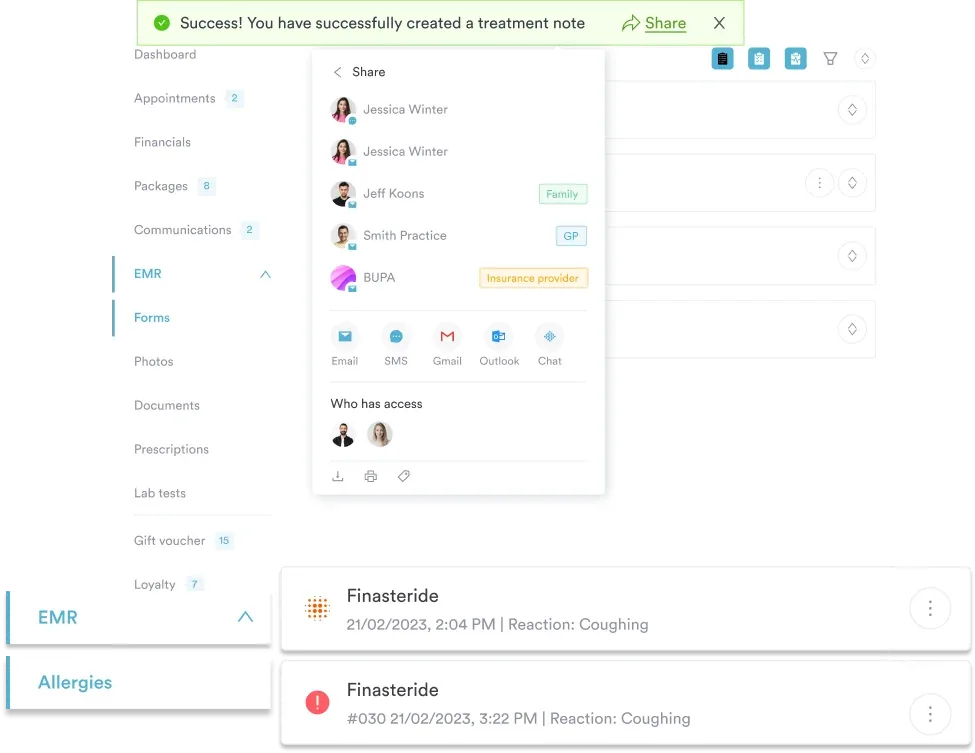
Practice management software like Pabau lets you rebuild the same page as a digital form inside the patient record. The NRS rating, the reflex status, and each TWIST variable become fields a triage nurse completes at the bedside. Every entry carries the clinician who made it and the minute it was made.
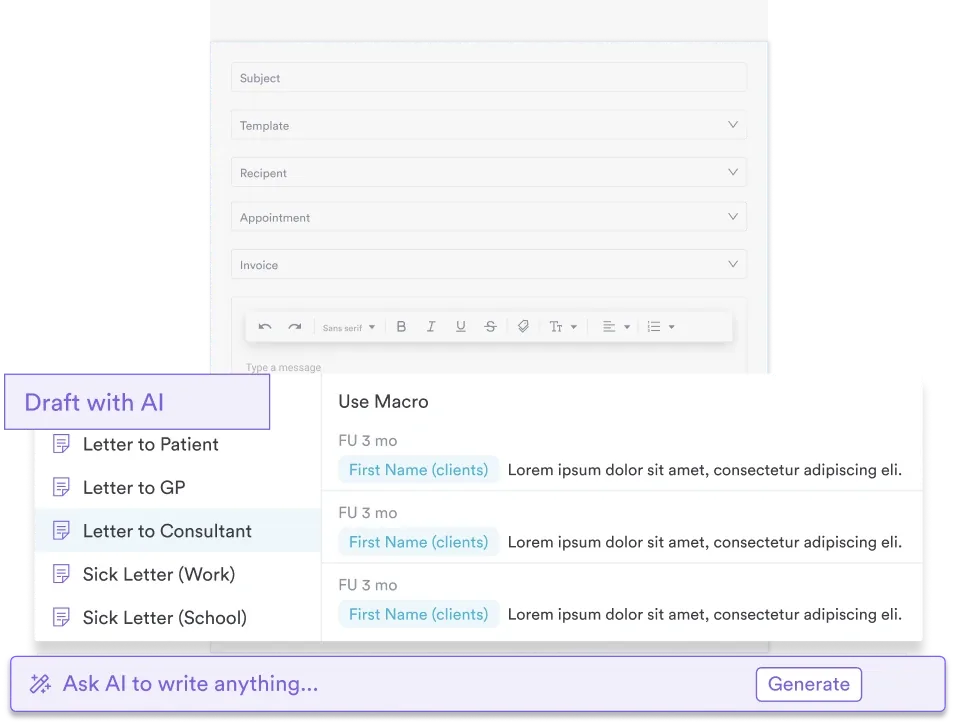
That changes what happens after the shift. The escalation is auditable, the surgical handoff quotes the same numbers the triage nurse recorded, and time-to-intervention becomes a report rather than a chart review. Pabau Scribe, our AI scribe, can draft the accompanying note so the clinician stays with the patient.

Rebuild the pain scale and TWIST fields as a digital form inside the patient record. The score, the clinician, and the time of assessment are captured once and stay together.

Torsion is one of the few presentations where the documentation and the treatment run on the same clock. Every minute spent deciding comes out of the salvage window.
So make the decision cheap to reach. A pain rating, a reflex check, and five TWIST variables take under two minutes at the bedside. Together they tell you whether to call the operating room or order imaging. The trade-off worth remembering is that a normal ultrasound never overrules a TWIST score of 5 or more.
Standardize the form across your triage team so the same five variables are recorded the same way on every shift. Book a demo to see how Pabau turns that page into a time-stamped record your surgical handoff can rely on.

Building out the wider acute workup? Emergency medical form collects the history, allergies and contacts that sit around a scored assessment.
Need the prehospital half of the picture? EMT patient assessment sets out the primary and secondary survey a crew documents before handover.
Scoring a patient who is not fully alert? Level of consciousness assessment explains how to grade and record responsiveness consistently.
Want the observations recorded alongside the score? Vital signs record gives you a repeatable format for serial observations during a workup.
Moving your forms off paper? Clinical documentation software covers what to look for when you digitize assessment templates.
Testicular torsion pain is typically rated 7-10/10 on a numerical pain rating scale. That makes it one of the most severe acute pain experiences in urology. Onset is sudden and severe, often waking patients from sleep or striking during light activity. Pain intensity is a key triage indicator alongside the TWIST score.
Torsion pain is acute, sudden in onset, and deep, usually described as a severe aching throb. Epididymitis develops gradually over hours to days, orchitis may follow viral symptoms, and trauma comes with a clear injury history. The TWIST score combines these distinctions, and an absent cremasteric reflex is the sign that separates torsion from the rest.
Testicular torsion is consistently rated among the most painful acute conditions, rivaling acute myocardial infarction and renal colic. The sudden ischemic injury and the inflammatory cascade that follows activate severe visceral pain pathways. The intensity itself is a clinical warning sign that warrants immediate evaluation.
Onset is typically sudden, over minutes to a few hours. Patients often report that the pain came out of nowhere while they were sleeping or moving around lightly. Some cases involve intermittent torsion-detorsion cycles, where the pain comes and goes. Severe pain that develops acutely warrants immediate evaluation, regardless of how long it has lasted.
Yes. Torsion can present as intermittent torsion-detorsion cycles, where the spermatic cord twists, causes severe pain, then untwists and relieves it temporarily. That pattern often delays diagnosis. The cord can re-twist at any time and cause permanent ischemia, so any history of acute scrotal pain warrants urgent evaluation and imaging.