Journal prompts for mental health
Journal prompts for mental health are guided questions that help people process ...

2
Last Updated: Oct 13, 2026

Critical thinking worksheets develop logical reasoning, inference, and evidence evaluation skills across all age groups.
Printable worksheets organized by grade level (K-8) and skill type make implementation straightforward for educators and clinicians.
Worksheets with answer keys save teacher time and enable self-assessment, improving learning outcomes.
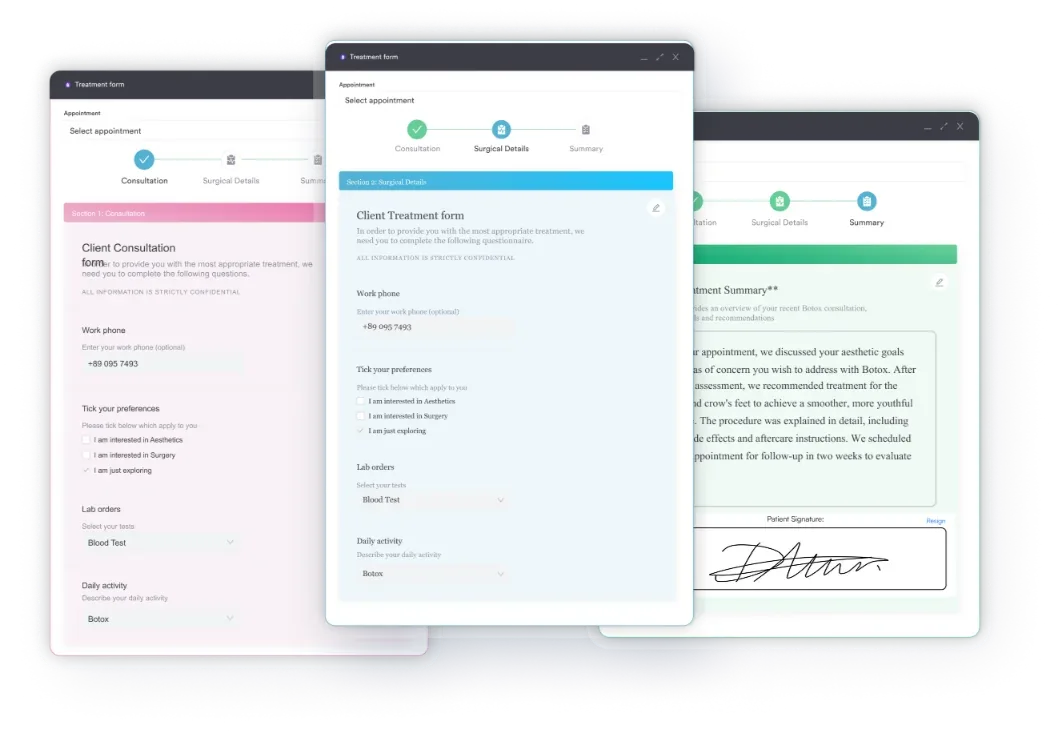
Practice management software like Pabau offers digital forms and clinical documentation tools that support structured thinking frameworks in healthcare practice.
A comprehensive collection of printable worksheets covering logical reasoning, inference, pattern recognition, and evidence evaluation. Organized by grade level from kindergarten through middle school, plus dedicated resources for adult learners and healthcare professionals. Most include answer keys for classroom or clinical use.
Download templateCritical thinking worksheets are structured educational tools that help students and professionals develop analytical reasoning skills. For educators, parents, and healthcare professionals alike, these printable resources provide a systematic way to assess and strengthen how learners engage with complex information.
Learners practice identifying patterns, evaluating evidence, and drawing sound conclusions. Rather than passive learning, worksheets with scaffolded exercises push students to justify their thinking and explain their reasoning.
This guide walks you through critical thinking worksheets available for download, organized by grade level and skill type, plus how to implement them effectively in your classroom or clinical setting.
Critical thinking worksheets are printable learning tools designed to develop students’ ability to analyze information, evaluate arguments, and solve problems using reasoning rather than memorization. Unlike worksheets focused on basic recall, critical thinking worksheets ask “why” and “how.” They push learners to justify answers, compare options, and identify underlying assumptions.
These worksheets typically cover foundational skills like:
Research consistently shows that explicit instruction in these reasoning skills strengthens academic performance across subjects. The patient assessment frameworks healthcare professionals use rely on these exact same thinking patterns: gathering evidence, weighing alternatives, and justifying clinical decisions. That’s why critical thinking worksheets appear in educational, therapeutic, and professional development settings.
Critical thinking skills develop sequentially. Age-appropriate worksheets meet students where they are developmentally while progressively building complexity. The template collection below organizes worksheets by grade band.
Early childhood worksheets use visual and concrete approaches. Kindergarten critical thinking focuses on sorting, matching, simple sequencing, and observation. Activities like “circle the odd one out” or “continue this pattern” build foundational discrimination skills without requiring reading ability.
Elementary worksheets introduce text-based reasoning and more complex logical structures. Students begin with concrete reasoning (comparing, contrasting) and progress toward abstract logic (hypothesis testing, rule derivation). Brain teasers, analogies, and logic puzzles are standard at this level.
Middle school worksheets demand structured argument analysis and evidence evaluation. Students evaluate claims, identify bias, assess source credibility, and construct multi-step reasoning chains. These skills prepare students for formal debate, research writing, and disciplinary thinking in science and social studies.
Adult and professional critical thinking worksheets differ from K-12 versions by targeting workplace decision-making, professional development, and clinical contexts. Therapists running a therapy practice, healthcare professionals, coaches, and organizational leaders use these exercises to strengthen diagnostic reasoning, risk assessment, and evidence-based decision-making.
Critical thinking worksheets provide the foundational exercises to internalize those frameworks. Scored instruments answer narrower questions, and the Spann-Fischer Codependency Scale rates 16 self-report statements about relationship patterns.
Mental health practices typically manage tools like this inside an EMR built for mental health.
Different worksheet formats target different thinking competencies. A well-rounded curriculum mixes several types to build depth and transfer.
Answer keys serve dual purposes: they save educator preparation time and enable student self-assessment. When students check their own answers, they practice metacognition, thinking about their thinking. They spot reasoning errors, adjust their approach, and internalize the correct logic pattern.
Clinicians review their notes for completeness and accuracy, refining their assessment frameworks over time.
When selecting or creating answer-key worksheets, ensure the explanations are detailed enough for independent learners. “The answer is C” teaches nothing. “The answer is C because the analogy follows a whole-to-part relationship, as shown by…” teaches reasoning transfer instead.
Implementation approach shapes outcomes. Strategic use of critical thinking worksheets requires thoughtful timing, feedback, and connection to broader learning goals.
For healthcare professionals. Regular practice with critical thinking frameworks, whether through worksheets, case studies, or peer consultation, strengthens diagnostic confidence and reduces cognitive errors.
Critical thinking is a foundational competency across education and professional practice. Employers consistently rank it as a top-five skill they seek in graduates. Students who develop strong reasoning abilities perform better across all academic subjects, not just language arts.
In healthcare and psychology practice, critical thinking directly improves patient outcomes. Clinicians who systematically evaluate evidence, consider alternative diagnoses, and recognize their own cognitive biases make more accurate clinical decisions.
But sound clinical reasoning still depends on the practitioner’s ability to synthesize that information, weigh competing hypotheses, and justify their diagnostic conclusions.
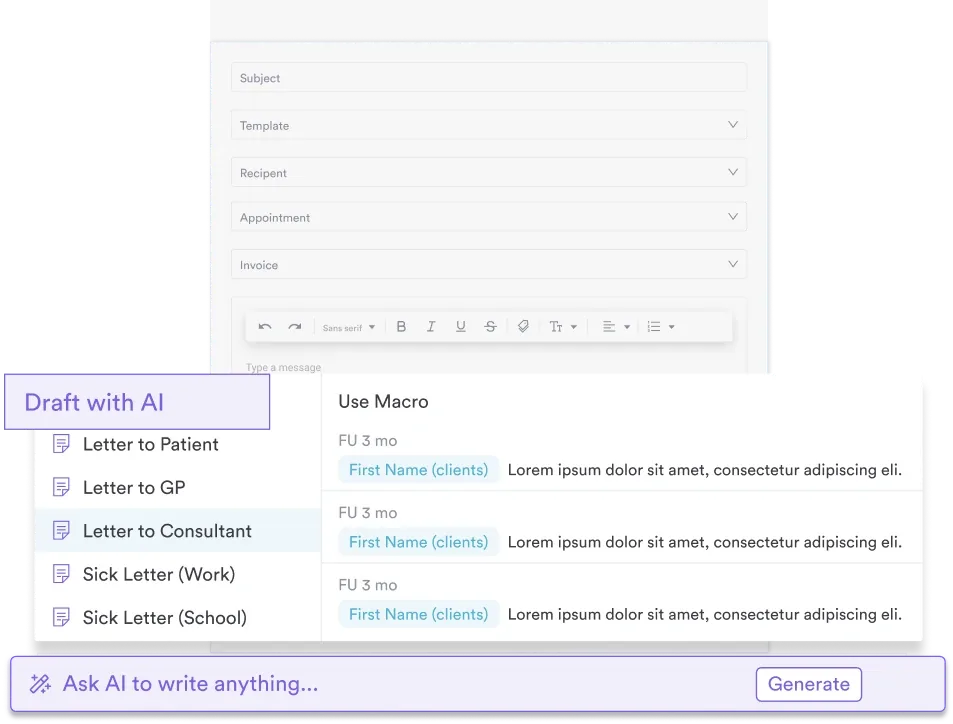
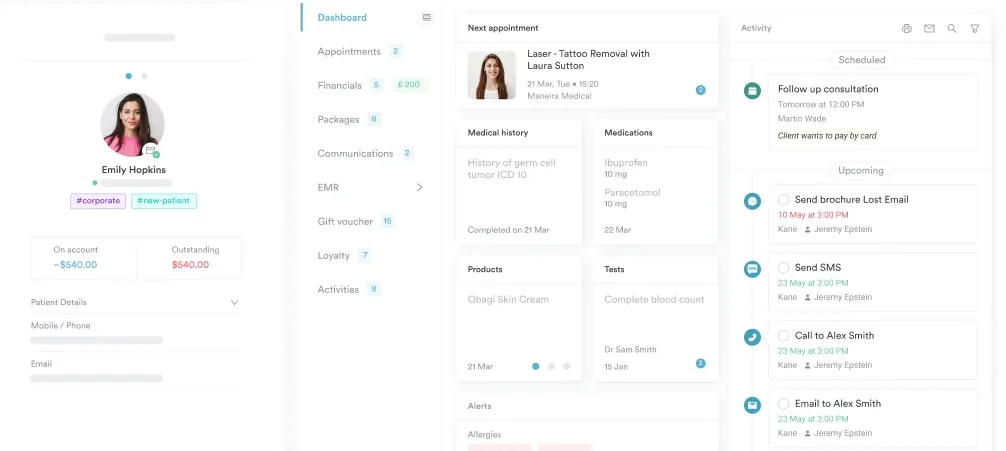
Critical thinking frameworks extend beyond worksheets into daily clinical practice. Healthcare practitioners using Pabau benefit from structured client records that organize assessment data, clinical notes, and decision histories.
This systematic documentation mirrors the scaffolding worksheets provide: it makes reasoning visible, creates accountability, and supports continuous improvement. Over time, practitioners internalize the reasoning frameworks built into their clinical tools, strengthening both individual decision-making and organizational quality improvement.
When practice teams invest in structured thinking, whether through staff training on critical appraisal, peer case reviews, or evidence-based decision-making protocols, patient safety improves and clinician confidence grows. Worksheets and practice exercises remain valuable for professional development beyond the initial licensing phase.
Looking to build a practice where patient care management reflects best practices? Structured thinking starts with clear decision-making frameworks built on the same reasoning skills critical thinking worksheets teach.

Pabau’s structured documentation and team tools support the systematic thinking practices that improve patient outcomes.

Critical thinking worksheets provide practical, evidence-based tools for developing reasoning skills from kindergarten through adult professional practice. By organizing worksheets by grade level and skill type, educators and clinicians can systematically strengthen the analytical thinking that underpins academic success and clinical excellence.
Download the free template above to access a complete collection ready for immediate classroom or clinical use. Begin with diagnostic worksheets to assess baseline skills, then implement progressively challenging exercises that build reasoning confidence and transfer.
Use this data to refine future instruction and selection of worksheet resources.
Critical thinking worksheets are structured educational tools that develop logical reasoning, inference, pattern recognition, and evidence evaluation skills. Unlike fact-recall worksheets, they require students to justify answers, compare options, and explain their reasoning.
Yes. Age-appropriate activities for kindergarten use visual patterns, sorting by attributes, and simple sequencing. Early exposure to structured reasoning lays the foundation for more complex logical thinking in later grades.
Assess baseline skills with diagnostic worksheets, model the reasoning process aloud, start with guided practice, use worksheets for formative assessment, provide process-focused feedback, and reinforce skills across multiple contexts and subjects.
Many do. Answer keys enable student self-assessment and save educator preparation time. The most useful answer keys include explanations of the reasoning process, not just the correct answer, so students learn the thinking pattern.
Critical thinking worksheets develop logical reasoning, inference, pattern recognition, analogical thinking, evidence evaluation, and problem-solving. These skills transfer across academic subjects and into professional decision-making contexts.
Yes. Adult worksheets focus on workplace decision-making, professional development, and case analysis rather than K-12 grade-level content. Healthcare professionals, coaches, and organizational leaders use them to strengthen diagnostic reasoning and risk assessment.