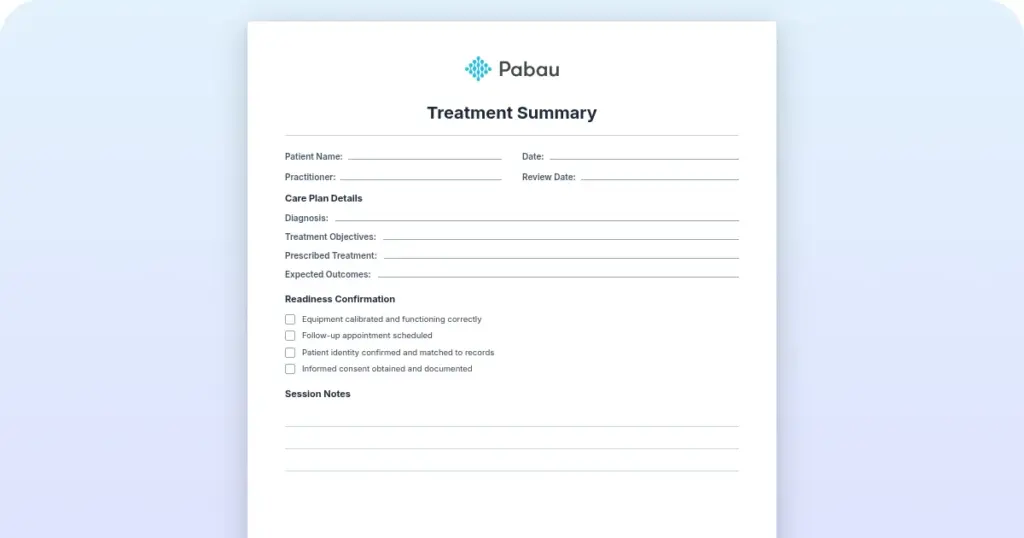
Treatment summary
A treatment summary is a written record of what care was delivered during an epi...

Last Updated: Oct 16, 2026

A colon hydrotherapy template is a documentation package for colonic sessions: intake, contraindication screening, consent, pre-treatment prep, and aftercare forms in one set.
Contraindication screening must flag Crohn’s disease, ulcerative colitis, recent bowel surgery, active rectal bleeding, unrepaired hernias, and pregnancy before any session goes ahead.
The consent form should disclose microbiome disruption, electrolyte and fluid shifts, and temporary discomfort, so the client makes an informed choice and you have a documented record.
Practice management software like Pabau digitizes intake, consent, and aftercare, so completed forms flow straight into the client record and no screening step gets skipped.
A ready-to-use documentation package covering client intake, contraindication screening, pre-treatment preparation checklists, consent declarations, aftercare instructions, and session record templates. All HIPAA-aligned and ready to customize for your practice.
Download templateA colon hydrotherapy template gives wellness practitioners a ready-made documentation package for colonic sessions. It covers intake, contraindication screening, consent, pre-treatment prep, and aftercare in one set of forms. Every client gets the same standard of care, and you have a documented record if an outcome is ever disputed.
This guide breaks down what each form in a colon hydrotherapy template covers and how practitioners use them before and after a session. It also spells out the contraindication and consent details that generic wellness forms leave out.
A colon hydrotherapy template is a structured documentation package for practitioners offering colonic irrigation. It includes intake questionnaires, consent forms, pre-treatment checklists, contraindication screening tools, and post-treatment aftercare sheets.
Unlike generic wellness forms, it addresses the specific risks of the procedure: electrolyte imbalance, microbiome disruption, and inflammatory bowel conditions that rule the treatment out. It also covers hydration and probiotic support after treatment.
The template makes clear that colon hydrotherapy is a wellness service, not a medical treatment. That framing protects both practitioner and client from liability misunderstandings.
Templates are typically stored in wellness clinic software or shared as PDF documents. A structured template gives every client the same standard of care documentation and reduces the risk of a missed screening question or an incomplete consent declaration.
On the compliance side, colon hydrotherapy documentation supports HIPAA requirements for client data protection and informed consent. It also aligns with the standards set by professional bodies such as the International Association for Colon Hydrotherapy (I-ACT), which emphasize practitioner accountability and client safety.
Most practitioners work through a colon hydrotherapy template across five steps, before and after each session.
Using digital intake forms in practice management software like Pabau lets clients complete intake and consent before they arrive, which frees up practitioner time and cuts paper. A client portal then delivers aftercare instructions digitally and tracks whether the client has opened them.
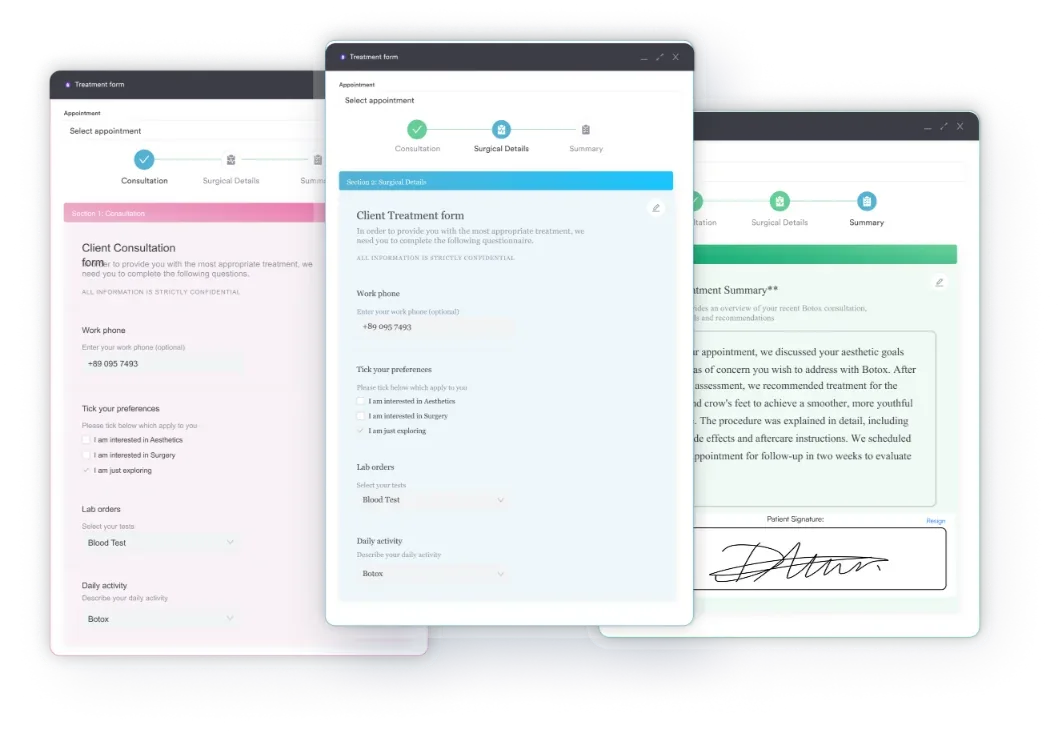
Colon hydrotherapy templates serve practitioners across several wellness and clinical settings.
Even solo practitioners with a handful of colon hydrotherapy clients benefit from a structured template. It signals professionalism, takes the memory work out of screening questions, and protects the practitioner if a client outcome is ever disputed.
Therapists using therapy practice management software can send resources like this to clients between sessions.
Legal protection: A signed consent form documenting that you disclosed the risks (microbiome disruption, electrolyte imbalance, contraindication status) shows the client made an informed decision. If a client later claims harm, the template evidences your duty of care.
Compliance and data security: Standardized templates with data protection language help you meet regulatory requirements.
Client safety and continuity: Contraindication screening prevents unsafe procedures, such as treating someone with active Crohn’s disease. Session records capture client feedback, practitioner observations, and personalized aftercare, building a longitudinal record that supports better outcomes on repeat visits.
Workflow efficiency: Pre-built templates save you designing forms from scratch, so you focus on the client rather than the paperwork.
Professional credibility: Polished, consistent templates signal expertise and accountability, which builds client trust and supports premium pricing.
Use your session records as a data set: note which clients report improved energy, reduced bloating, or altered bowel frequency after treatment. Over time this shows which client profiles benefit most, and helps you refine your own screening and aftercare guidance.
Every colon hydrotherapy consent and screening form should list absolute and relative contraindications clearly. These are the conditions that require medical clearance before proceeding, or that rule the procedure out entirely.
Absolute contraindications: Crohn’s disease, ulcerative colitis, recent bowel surgery (within 6 months), active rectal bleeding, unrepaired hernias, and pregnancy. Clients with any of these should not undergo colon hydrotherapy without explicit physician clearance.
Relative contraindications: Uncontrolled high blood pressure, kidney disease, electrolyte disorders, severe dehydration, recent antibiotic use (which affects gut flora), heart conditions, and diabetes. These warrant a conversation with the client’s physician before scheduling.
Your screening form should present these as clear checkboxes, with a mandatory practitioner sign-off confirming that screening was completed and no contraindications were found, or that the client obtained clearance for a relative contraindication. That sign-off is your legal safeguard and the client’s safety check.
Beyond contraindications, a colon hydrotherapy consent form should disclose the known risks in plain language, so clients understand what can go wrong before they agree to treatment.
Microbiome disruption: Colon hydrotherapy flushes away both beneficial and harmful bacteria. The colon naturally repopulates, but some clients notice temporary changes in bowel regularity or bloating in the days after treatment. Consent forms should note this and recommend probiotic supplementation afterward to support rebalancing.
Electrolyte and fluid imbalance: Infusing large volumes of water into the colon can temporarily affect electrolyte levels (sodium, potassium) and cause dehydration if the client doesn’t rehydrate afterward. Aftercare should emphasize hydration and may recommend electrolyte-balanced drinks such as coconut water or mineral water.
Temporary discomfort: Clients often feel mild cramping, bloating, or urgency during or right after the procedure. Consent language should normalize this and explain that it usually resolves within hours.
You can use Pabau Scribe, our AI scribe, to draft consent wording that balances legal protection with plain, readable language. Clear wording reduces misunderstanding and supports genuine informed consent, not just box-ticking.
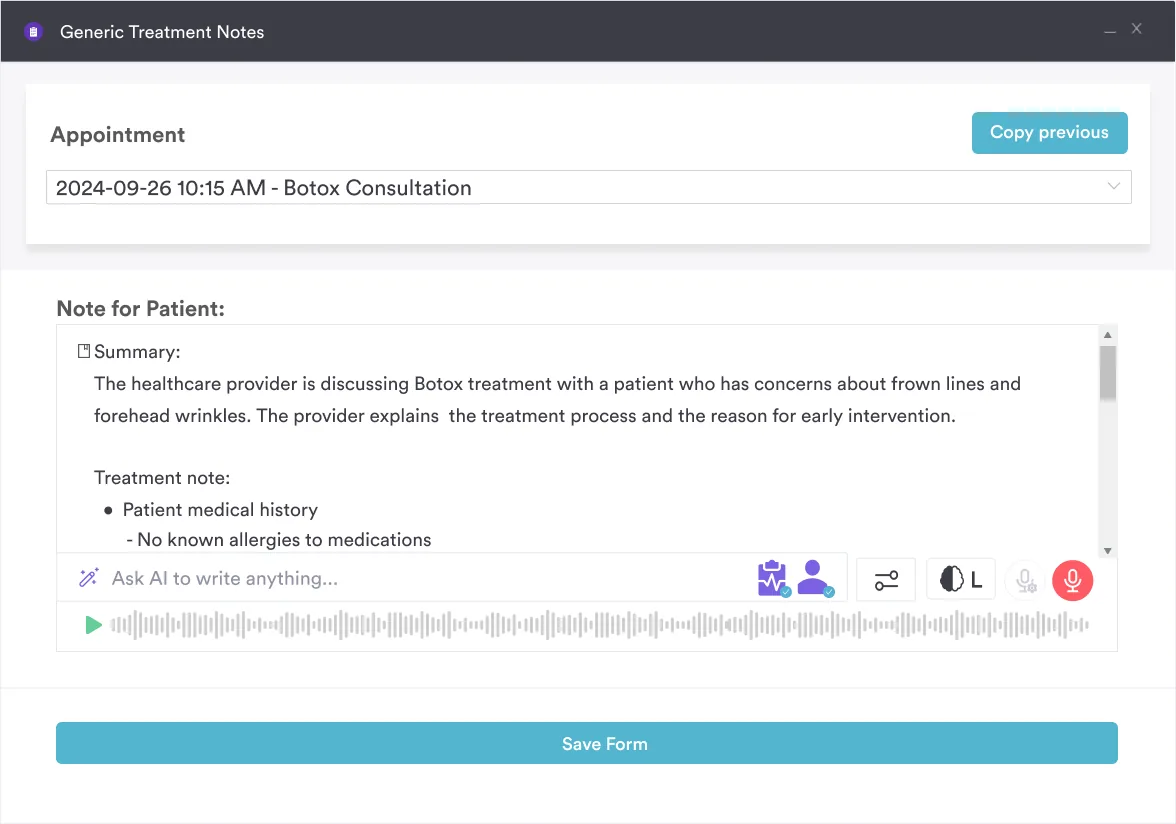
Aftercare is where a colon hydrotherapy template often makes the biggest difference. A well-built aftercare sheet covers hydration, diet, activity, and probiotic timing, all of which shape whether the client has a positive experience or unwanted side effects.
Hydration: Tell clients to drink 2 to 3 liters of water in the 24 hours after the procedure to replace lost fluids and support bowel regularity. Suggest mineral water or electrolyte drinks if they report dizziness or fatigue.
Probiotic timing: Suggest starting probiotics 24 to 48 hours after treatment to support microbiome recolonization. Starting too soon, during active cleansing, can reduce their effect.
Diet: Recommend light, easily digestible foods (broths, steamed vegetables, rice) for 24 to 48 hours, and avoiding heavy proteins, fats, and raw foods until normal bowel function returns.
Activity and rest: Encourage gentle movement such as walking, and advise against strenuous exercise for 24 hours so the body can recover.
A session record template captures how each client responded: bowel function right after the procedure, practitioner observations, and client feedback. It also records follow-up timing and any complementary services such as dietary coaching. This becomes part of the client record, supporting better care on the next visit.
Keeping your colon hydrotherapy forms in one system, rather than as loose PDFs, improves compliance and the client experience. A cloud-based forms management platform lets clients complete intake and consent electronically and sign digitally, then delivers aftercare through the client portal right after the appointment.
For multi-location franchises, shared templates keep consent language and screening criteria identical across every site, which reduces liability variation. Session records in a shared database let managers spot patterns, such as which client profiles need the most aftercare support, and refine protocols from there.
Connecting your forms to scheduling also automates reminders. A pre-treatment hydration reminder goes out 24 hours before the appointment, and the aftercare message sends as soon as the session is marked complete.

Manage intake forms, consent declarations, session records, and aftercare instructions in one secure, HIPAA-compliant platform.

Colon hydrotherapy is not a medical procedure in most jurisdictions, but it is shaped by professional standards and data protection law. Your template should reflect both.
I-ACT standards: The International Association for Colon Hydrotherapy sets scope-of-practice and documentation standards for certified colon therapists, covering contraindication screening, client safety, and record-keeping. Using I-ACT-aligned templates supports certification and professional credibility.
HIPAA and data protection: Client health information, including medical history, medications, and procedure responses, must be stored securely and accessed only by authorized staff. Templates should include data retention and secure storage notices to show HIPAA readiness to regulators and clients.
Equipment and FDA status: Colonic irrigation systems are regulated by the FDA under 21 CFR 876.5220. They are cleared as Class II devices for colon cleansing when medically indicated, such as before a radiological or endoscopic exam. Clearance does not extend to routine wellness use, so confirm your specific device’s clearance and check your state and local rules before referencing FDA status on a consent form. A wellness practice offering repeat treatments needs the last visit detail available at the next booking.
Colon hydrotherapy is a growing offering in spas, integrative medicine practices, and functional health settings. Like any hands-on service, it needs rigorous documentation: intake screening, contraindication assessment, informed consent, and detailed session records that protect both client safety and practitioner accountability.
A downloadable colon hydrotherapy template saves you months of form design and makes sure you never miss a screening question or consent statement. Paired with digital patient care management, those templates become one connected client experience, from intake through aftercare. Book a demo to see how practices manage colon hydrotherapy workflows end to end.

How do you build a comprehensive intake process? Spa management software centralizes intake forms, consent collection, and session records in one place, so no client falls through the documentation cracks.
Offering reflexology alongside hydrotherapy sessions? hand reflexology session note template gives reflexologists a printable form for logging patient details and appointment notes.
Also offering massage therapy at your practice? massage therapy SOAP note template records pain history, palpation findings, and the treatment plan on one printable page.
Colon hydrotherapy, also called colonics or colonic irrigation, is a wellness procedure that gently infuses warm, purified water into the colon through a rectal tube to support natural elimination. A certified colon therapist administers it, sessions typically last 30 to 45 minutes, and water and waste are carried away through a closed system.
It is generally considered safe when a trained practitioner performs it with strict contraindication screening. Risks include temporary cramping, electrolyte imbalance, microbiome disruption, and dehydration. Clients with inflammatory bowel disease, recent bowel surgery, or uncontrolled health conditions should get medical clearance first.
Drink 2 to 3 liters of water in the 24 hours after the procedure to rehydrate. Eat light, easily digestible foods (broths, steamed vegetables, rice) for 24 to 48 hours and avoid heavy proteins, fats, and raw foods until normal bowel function returns. Begin probiotics 24 to 48 hours after treatment and avoid strenuous exercise for 24 hours.
Common temporary side effects include mild cramping, bloating, altered bowel movements, and fatigue. Harvard Health also flags risks such as nausea, dehydration, and bowel irritation. Longer-term concerns include microbiome disruption and electrolyte loss, though most effects resolve within 24 to 48 hours with proper aftercare.
Yes. A standardized template makes sure you never skip contraindication screening, documents informed consent, and protects you legally if a client outcome is ever disputed.