Fair fighting rules worksheet
A fair fighting rules worksheet is a therapy handout that sets out ground rules ...

3
Last Updated: Oct 21, 2026

A conversation skills worksheet is a structured therapeutic tool that guides clients through exercises to improve communication, active listening, and interpersonal abilities.
These worksheets are essential for therapists, counselors, SLPs, and educators working with clients who struggle with social communication, social anxiety, or developmental delays.
Key skills covered include active listening, conversation initiation, turn-taking, nonverbal cues, assertiveness, and conflict resolution through guided practice scenarios.
Practice management software like Pabau lets you deliver conversation skills worksheets to clients digitally and track completion within their clinical record.
A comprehensive therapeutic worksheet covering active listening, conversation initiation, turn-taking, nonverbal communication, assertive communication, and conflict resolution skills with structured practice exercises for clients.
Download templateA conversation skills worksheet is a structured therapeutic tool that helps clients build the interpersonal skills needed for effective communication. A client might struggle with social anxiety, developmental delays, or simply need guidance on professional interactions.
A well-designed worksheet breaks communication into teachable, practice-ready steps for any of these situations. This article covers what these worksheets teach, who benefits most, and how to fit them into your clinical workflow.
A conversation skills worksheet is a therapeutic assessment and practice document that guides clients through exercises targeting specific communication challenges.
These worksheets are structured around core competencies: initiating dialogue, maintaining back-and-forth exchange, reading nonverbal signals, expressing thoughts assertively, and resolving disagreement without escalation.
Clinicians across multiple disciplines use these worksheets:
The worksheet serves as both an assessment tool, identifying which specific skills need work, and an intervention that provides step-by-step practice. Unlike generic advice, a conversation skills worksheet makes implicit social rules explicit.
It gives clients concrete tools they can rehearse and refine.
Conversation skills worksheets serve diverse populations.
Psychology practices often assign these worksheets as homework between sessions to reinforce therapy gains.
Adults in therapy, adolescents developing social independence, ESL learners navigating professional communication norms, and neurodiverse individuals building workplace social skills all benefit.
Teachers and school counselors use these worksheets to support classroom communication and peer interaction. Couples therapists and family counselors adapt them to address relational communication patterns.
Active listening is the foundational conversation skill, and it appears in every evidence-based communication worksheet.
The American Speech-Language-Hearing Association (ASHA) defines active listening as paraphrasing what others say and using minimal encouragers such as “I see” or “Tell me more.” It also means avoiding interruptions and maintaining attention signals through body language.
A conversation skills worksheet breaks active listening into discrete steps clients can practice. Clients first learn the definition, then work through exercises: they read a dialogue excerpt, identify what the listener did well, and practice paraphrasing responses.
Role-play prompts give them everyday scenarios, such as a friend describing a problem or a colleague sharing feedback, where they can apply the skill. This structured progression moves from understanding to application.
Weighing tools for your practice? Check how alternatives to Carepatron handle forms and client records.
Many clients, particularly those with social anxiety or autism, find conversation initiation paralyzing. A conversation skills worksheet demystifies the process by teaching opening moves.
Worksheets often include a menu of conversation starters, such as “How was your weekend?” or “What did you think of that?” Each one is paired with context guidance for professional versus casual settings.
Clients practice by selecting an appropriate opener for a given scenario, then scripting their next sentence. This removes the “What do I say?” paralysis and builds confidence through repetition. The worksheet becomes a portable conversation reference clients can consult before challenging social situations.
Once a conversation starts, keeping it flowing means recognizing turn-taking signals and managing topics reciprocally. Worksheets build these mid-conversation skills through dialogue analysis and guided practice.
Clients learn to ask follow-up questions, such as “You mentioned you felt anxious, what was that like?” They also practice waiting for conversational openings and transitioning topics smoothly rather than abruptly changing subjects.
Worksheets often include dialogue-dissection exercises, where clients identify turn-taking breakdowns in a realistic excerpt, label what went wrong, and rewrite a smoother version. These concrete examples make abstract social rules tangible.
Nonverbal channels, including eye contact, facial expression, posture, and gesture, play a substantial role in how a message lands, though many worksheets neglect this element. A comprehensive conversation skills worksheet includes a nonverbal section covering facial expressions, posture and proximity, and culturally appropriate eye contact norms.
Clients might complete exercises matching photos of body language to emotional states. Others reflect on their own nonverbal habits, such as noticing that crossing their arms when anxious sends an unintended message.
A conversation skills worksheet delivers that structure.
Clients have a reference tool, which reduces reliance on memory and increases accountability for what they practiced that week. Worksheets also normalize skill-building. Communication isn’t a fixed trait. It’s learnable and improvable through practice.
For clinicians, worksheets standardize your treatment approach, reducing session prep time and ensuring consistent coverage of core skills. They also provide documentation.
A completed worksheet sits in the client’s record as evidence of what was taught and practiced.
Assertiveness means expressing needs and boundaries without aggression or passivity. Many worksheets skip this skill, even though it underpins healthy communication. It pairs well with a dedicated emotional boundaries worksheet for clients who need more structured practice.
A structured worksheet teaches the difference between three communication styles, each with an example clients can compare:
Clients then work through everyday scenarios:
For each scenario, clients write an assertive reply using “I” statements and clear requests.
Conflict resolution exercises extend this further. Clients learn a structured negotiation framework, then practice how each step sounds in an actual conversation:
Worksheets provide dialogue scaffolds so clients can see how these steps sound out loud.
Many clients miss that conversations have a closing phase. Simply walking away or going silent feels abrupt. A conversation skills worksheet teaches exit strategies such as:
Practicing these endings helps a conversation feel complete rather than abandoned.
Effective worksheet use requires more than handing it to a client. Introduce the worksheet in session, explain what skills it targets, and work through the first exercise together. Clarify any confusing instructions and set a pace, such as one section per week, that matches the client’s capacity. Review completed worksheets at the next session, celebrate progress, and troubleshoot any barriers that came up.
Digital delivery increases adherence. Instead of printing a paper copy. Clients can then complete it in a client portal, and you get a notification the moment they submit it.
Automated reminders can nudge clients to finish their worksheet midweek.
Linking results to client records keeps the full conversation-skills trajectory visible in one place.
The most effective conversation skills worksheets include role-play scenarios. Rather than abstract advice, clients see concrete situations, such as: “Your manager gives you critical feedback on a project. You feel defensive but know you need to listen. What do you do?” Worksheets provide response options or prompt clients to write their own, and some include examples of both effective and ineffective replies.
This bridges classroom learning and real-world application, giving clients a mental rehearsal before they encounter similar situations.
Most practices still hand clients a paper worksheet and hope it comes back completed. Tracking who finished which page usually means flipping through a folder or asking at the next appointment. A missed handout can mean a lost week of practice.
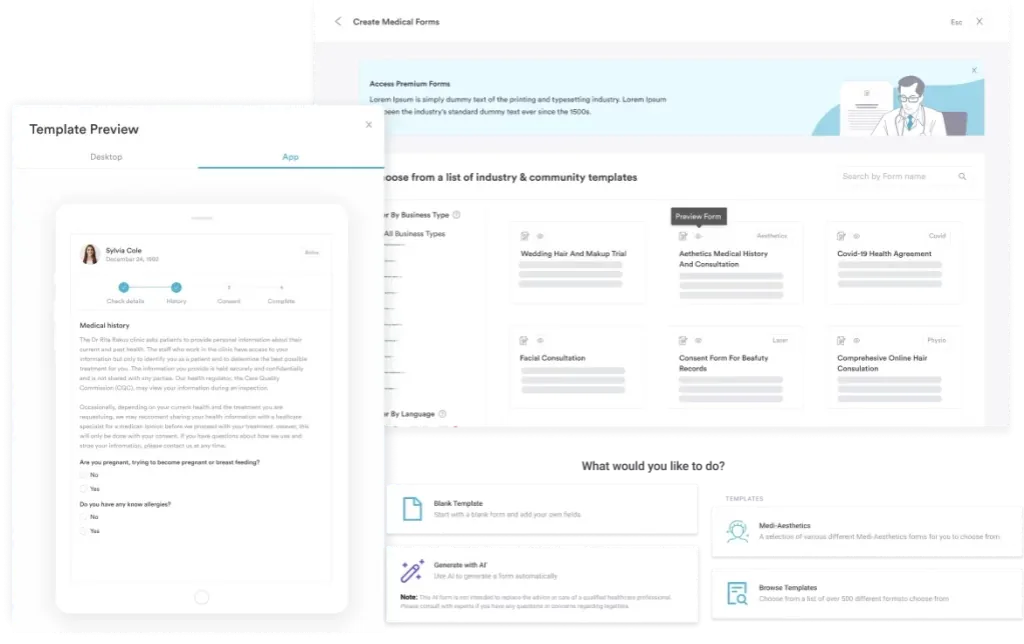
Practice management software like Pabau removes that guesswork. You can assign a conversation skills worksheet to a client through the system, and Pabau notifies you the moment they submit it. Every submission attaches directly to the client’s record, so their progress sits alongside their appointment notes instead of in a separate file.
That link between the worksheet and the record matters at review time. You can open a session and see exactly which exercises a client completed since the last visit. Then you can pick up the conversation where their practice left off, instead of asking them to recap it from memory.

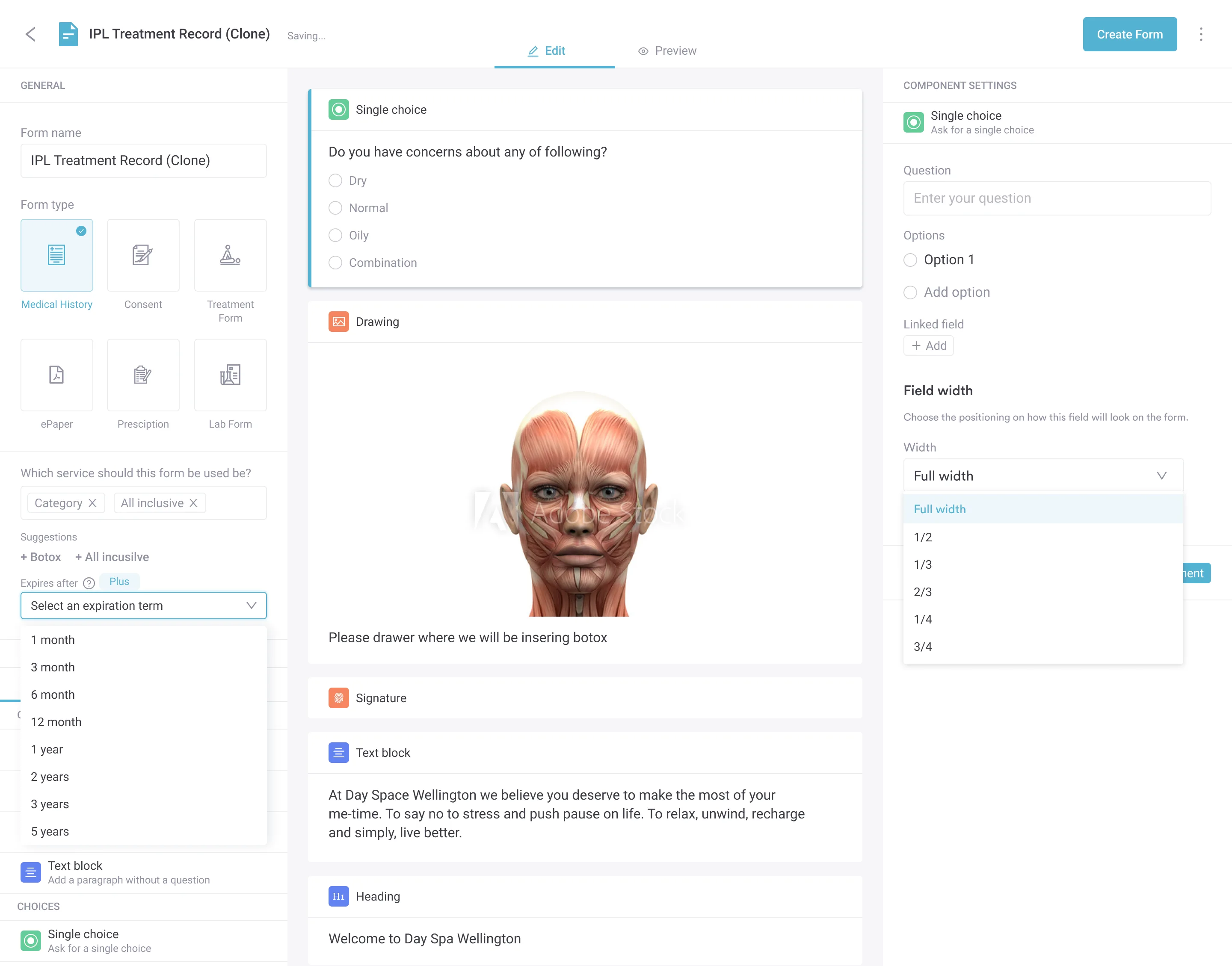
Pabau’s digital forms let therapists send worksheets to clients, track completion, and attach results to their record, all without leaving the practice system.

A structured worksheet will not fix a client’s social anxiety in one session. But it turns a vague goal like “talk to people more confidently” into steps they can actually rehearse. That shift, from abstract advice to a concrete exercise, is what makes the practice stick between appointments.
The trade-off is consistency. A worksheet only works if clients complete it and you review it. Practices that build that habit into every session get more from it than those that treat it as optional homework.
Digital delivery makes that habit easier to keep. Book a demo to see how Pabau helps you assign, track, and document conversation skills worksheets without adding to your paperwork.

Want to build emotional vocabulary alongside conversation skills? An emotional intelligence worksheet helps clients name and regulate feelings before a conversation even starts.
Working with clients who spiral into negative self-talk mid-conversation? A cognitive restructuring worksheet gives them a framework for challenging those thoughts before they derail a social interaction.
Building a plan to shift a specific behavior? Behavior modification plan structures target behavior, baseline data, SMART goals and reinforcement planning in one form.
A conversation skills worksheet is a structured therapeutic tool that guides clients through exercises to develop communication abilities, including active listening, conversation initiation, turn-taking, nonverbal reading, assertiveness, and conflict resolution.
Therapists, counselors, speech-language pathologists, occupational therapists, teachers, and other clinicians use these worksheets with clients experiencing social anxiety, developmental delays, autism-spectrum traits, or professional communication challenges.
Introduce the worksheet in session, work through the first exercise together, assign remaining sections for home practice, and review completed work at the next appointment. Digital delivery via your practice management system improves client adherence and documentation.
Most comprehensive worksheets address active listening, starting conversations, maintaining dialogue through turn-taking and follow-up questions, reading and using nonverbal cues, expressing needs assertively, and resolving conflict constructively.
Appointment scheduling workflows integrated with digital form capture let you send worksheets, receive completion notifications, and link results to client notes, creating a full record of skill development over time.