Journal prompts for mental health
Journal prompts for mental health are guided questions that help people process ...

2
Last Updated: Oct 13, 2026

An anger issues test is a validated psychological screening tool clinicians use to measure anger intensity, frequency, and expression patterns in clients.
The Clinical Anger Scale (CAS) and Multidimensional Anger Inventory (MAI) are gold-standard assessment instruments for mental health practitioners.
Structured anger assessment helps clinicians diagnose Intermittent Explosive Disorder (IED), develop targeted cognitive-behavioral interventions, and track therapeutic progress.
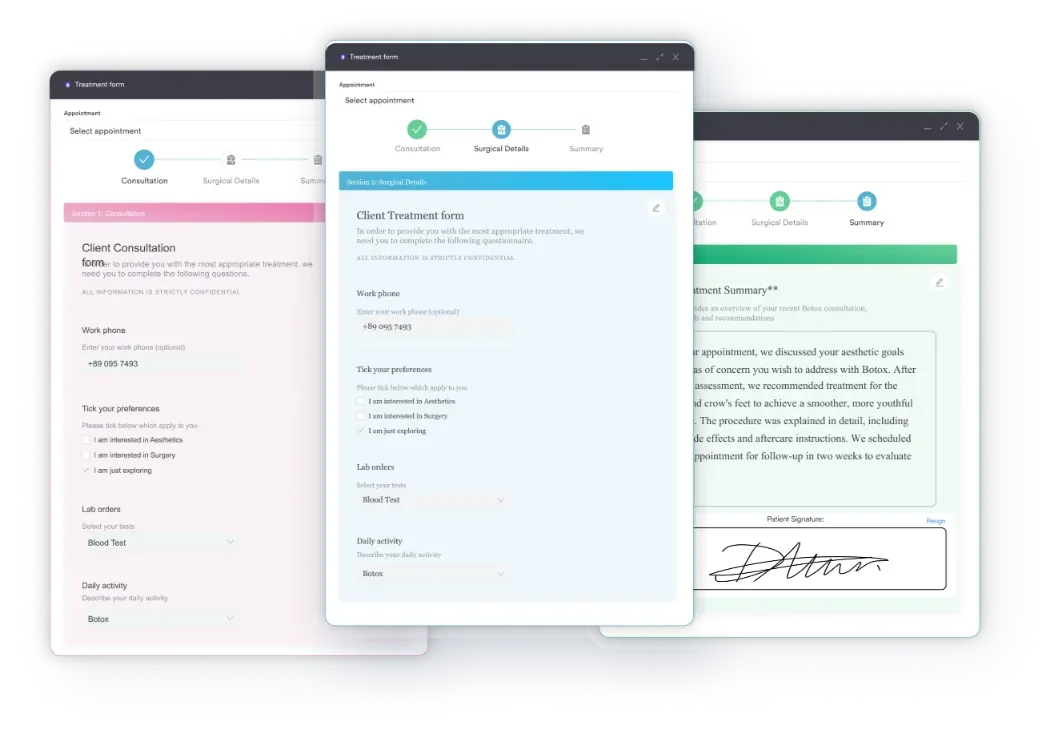
Pabau’s digital forms and client records features enable therapists to administer anger assessments, score results, and store findings securely within a single practice platform.
A ready-to-use, 20-question screening tool for therapists, counselors, and psychologists to measure how clients experience and express anger across six dimensions: frequency, intensity, hostile outlook, outward expression, suppression, and control. Includes a scoring key, interpretation bands, and a clinician follow-up sheet.
Download templateAn anger issues test is a structured psychological assessment tool that measures how intensely, frequently, and expressively a person experiences anger. Clinicians use these validated instruments to screen for anger-related disorders, identify emotional triggers, and evaluate the effectiveness of therapeutic interventions. Unlike informal anger conversations, a standardized anger issues test provides quantifiable data that supports clinical decision-making and treatment planning.
Mental health practitioners rely on anger assessment tools to distinguish healthy frustration from maladaptive anger responses. A structured assessment captures anger across multiple dimensions: frequency, intensity, suppression vs. expression, and impact on relationships or work. This multi-faceted understanding is essential for developing psychology practice management workflows that track client progress over time.
Use the self-assessment below as a quick way to measure how anger is experienced and expressed across six areas: how often it flares, how intense it feels, the thinking behind it, how it comes out, how much gets held in, and how controllable it is. Because it scores all six, it works as a multidimensional anger test rather than a single pass-or-fail result. A clinician can administer it, or someone wondering do I have anger issues can score it themselves. Answer based on the past two weeks. Most people finish in 10 to 15 minutes. You can print this page as a worksheet or download the free PDF version to share with clients.
A quick note on scope: this is a screening template, not a validated diagnostic instrument. A score is a starting point for a conversation, never a diagnosis on its own. For formal, norm-referenced assessment, use a licensed tool such as the STAXI-2, the Multidimensional Anger Inventory (MAI), or the Clinical Anger Scale (CAS), and pair any result with a clinical interview.
For each statement, the client picks the number that best fits, from 0 (never) to 4 (almost always).
| Score | 0 | 1 | 2 | 3 | 4 |
|---|---|---|---|---|---|
| Meaning | Never | Rarely | Sometimes | Often | Almost always |
| # | In the past two weeks… | 0 | 1 | 2 | 3 | 4 |
|---|---|---|---|---|---|---|
| 1 | I feel angry or irritable during the day. | ☐ | ☐ | ☐ | ☐ | ☐ |
| 2 | Small, everyday things set off my anger. | ☐ | ☐ | ☐ | ☐ | ☐ |
| 3 | My anger comes on suddenly, with little warning. | ☐ | ☐ | ☐ | ☐ | ☐ |
| 4 | When I get angry, the feeling is intense. | ☐ | ☐ | ☐ | ☐ | ☐ |
| 5 | I notice physical signs of anger, such as a racing heart, tension, or feeling hot. | ☐ | ☐ | ☐ | ☐ | ☐ |
| 6 | Once I am angry, the feeling takes a long time to fade. | ☐ | ☐ | ☐ | ☐ | ☐ |
| 7 | I assume other people are trying to annoy or disrespect me. | ☐ | ☐ | ☐ | ☐ | ☐ |
| 8 | When something goes wrong, I look for someone to blame. | ☐ | ☐ | ☐ | ☐ | ☐ |
| 9 | I replay situations that made me angry, over and over. | ☐ | ☐ | ☐ | ☐ | ☐ |
| 10 | I raise my voice, argue, or say things I later regret. | ☐ | ☐ | ☐ | ☐ | ☐ |
| 11 | I slam doors, throw things, or damage objects. | ☐ | ☐ | ☐ | ☐ | ☐ |
| 12 | People close to me have told me my anger frightens or upsets them. | ☐ | ☐ | ☐ | ☐ | ☐ |
| 13 | I keep my anger inside rather than showing it. | ☐ | ☐ | ☐ | ☐ | ☐ |
| 14 | I go quiet or withdraw when I am angry, even if I am boiling underneath. | ☐ | ☐ | ☐ | ☐ | ☐ |
| 15 | I feel resentful or hold grudges long after the event. | ☐ | ☐ | ☐ | ☐ | ☐ |
| 16 | Once my anger starts building, I cannot calm myself down. | ☐ | ☐ | ☐ | ☐ | ☐ |
| 17 | My anger has caused problems at work, at home, or with friends. | ☐ | ☐ | ☐ | ☐ | ☐ |
| 18 | I have regretted the way I acted while angry. | ☐ | ☐ | ☐ | ☐ | ☐ |
| 19 | When I am angry, I feel an urge to physically hurt someone. | ☐ | ☐ | ☐ | ☐ | ☐ |
| 20 | When I am angry, I feel an urge to hurt myself. | ☐ | ☐ | ☐ | ☐ | ☐ |
Add up every response for a total out of 80, then read it against the bands below.
| Total score | Band | What it suggests |
|---|---|---|
| 0–16 | Minimal | Anger is within a typical everyday range. No specific intervention indicated. |
| 17–32 | Mild | Some difficulty with anger. Psychoeducation and self-help strategies may be enough. |
| 33–48 | Moderate | Anger is affecting daily life. Consider structured support such as CBT-based anger work. |
| 49–64 | Marked | Anger is a significant problem across several areas. A full assessment and a formal treatment plan are warranted. |
| 65–80 | Severe | Pervasive, hard-to-control anger. Prioritize assessment, safety planning, and likely specialist referral. |
To see where the difficulty sits, not just how much, total the items in each subscale (each scores 0 to 12). Two clients can both score 40 for very different reasons, so the profile often matters more than the number.
| Subscale | Items | What a high score points to |
|---|---|---|
| Frequency and triggers | 1–3 | Anger is easily and often provoked. |
| Intensity and arousal | 4–6 | Anger runs hot and lingers physically. |
| Hostile outlook | 7–9 | Thinking style fuels and sustains the anger. |
| Outward expression | 10–12 | Anger spills out into speech or behavior. |
| Suppressed anger | 13–15 | Anger is held in — watch for resentment and physical effects. |
| Control and consequences | 16–18 | Anger feels uncontrollable and carries a cost. |
Safety first: items 19 and 20 are critical flags. Any answer of 3 or 4 on either one should be followed up directly in the session, regardless of the total score, and may call for a risk assessment, a safety plan, or an urgent referral.
Once you are happy with the questions, you can rebuild this assessment as a digital intake form in practice management software like Pabau, so clients complete it before their appointment, the answers total automatically, and the result files straight into the client record. No scanning, no manual tallying, and no forms left sitting on a desk.
Administering an anger assessment is straightforward. It fits naturally into intake or mid-therapy evaluation. The clinician introduces the tool as a way to understand the client’s anger patterns. They then guide the client through each question, remaining neutral and non-judgmental.
Using digital intake forms allows therapists to send questionnaires to clients before sessions. Clients can reflect privately, and results sync automatically with the client record. This creates a transparent documentation trail that supports informed consent and clinical accountability.
Platforms differ widely in how they handle clinical worksheets; comparing Carepatron competitors shows the gaps quickly.
Anger assessment is relevant across diverse populations and practice settings. Therapists, counselors, psychiatrists, and psychologists all integrate anger tests into standard intake protocols.
Practices specializing in therapy practice management are increasingly embedding anger assessment into standard measurement-based care protocols. This ensures every client has a documented baseline and a progress tracking system.
Validated anger assessment instruments deliver clinical and operational benefits. They elevate the standard of care and strengthen therapy outcomes.
Clinical benefits: Standardized tests provide objective data, reducing subjective impression bias. They enable precise measurement of treatment response. A therapist working from intuition alone might miss sub-dimensions like suppressed anger — a structured test captures these immediately.
Diagnostic accuracy: Anger assessment helps clinicians differentiate between IED, ODD, trauma-related hyperarousal, and baseline personality traits. Each requires distinct interventions. Accurate diagnosis guides evidence-based treatment selection.
Treatment planning: Assessment results reveal whether anger is a frequency problem, an intensity problem, or an expression problem. Each pattern requires a different treatment focus. Targets shift accordingly.
Progress tracking: Administering the same test at regular intervals creates quantifiable evidence of therapy effectiveness. Clients often underestimate their progress. Objective data reinforces motivation and justifies continued treatment.
Patient safety and compliance: Storing assessments in HIPAA-compliant clinical software ensures data security and regulatory compliance. It also maintains audit trails for quality assurance and licensing reviews.
The following tools are widely used in clinical practice. Each is supported by peer-reviewed research.
Clinical Anger Scale (CAS): The CAS uses 21 items covering physiological, cognitive, and behavioral anger responses. Scores range from 0–63, with higher scores indicating greater intensity. It is brief, easy to administer, and sensitive to change during treatment.
Multidimensional Anger Inventory (MAI): Often searched for as the multidimensional anger test, the MAI assesses five dimensions: frequency, duration, magnitude, hostile outlook, and expression style. This 38-item instrument identifies whether anger skews toward suppression (raising depression risk) or externalization (outburst and relationship damage risk).
State-Trait Anger Expression Inventory-2 (STAXI-2): The STAXI-2 measures state anger (situation-specific) and trait anger (dispositional tendency). It also evaluates expression and control strategies. This makes it well-suited for tracking anger management progress over time.
Each instrument has specific strengths. The CAS is fastest for brief screening. The MAI reveals underlying anger dimensions. The STAXI-2 tracks change across multiple facets. Clinicians select an instrument based on practice needs, client population, and time. For guidance on administering these tools.
CBT is the leading evidence-based approach for anger dysregulation. Anger assessment provides the baseline data that makes outcomes measurable.
During the initial CBT phase, clinicians administer an anger test and identify specific triggers. These include events, thoughts, physical sensations, and behavioral patterns. CBT then targets cognitive distortions like catastrophizing and blame attribution. It teaches skills such as relaxation, assertive communication, and problem-solving. Mid-treatment and post-treatment reassessment documents whether the work is effective.
Practices using automated workflow software can streamline this cycle. Administer the test at intake, flag elevated scores for review, and generate session notes linking CBT techniques to anger reduction. Then trigger post-treatment reassessment and compare baseline vs. endpoint scores to quantify improvement.
Anger assessment is a screening and monitoring tool. Certain results or clinical presentations warrant referral to a psychiatrist or specialized anger management program.
Refer to psychiatric evaluation when anger is accompanied by violence risk, suicidal ideation, substance abuse, or IED symptoms. Refer to specialist programs when standard therapy is not reducing anger intensity. This includes cases where clients need intensive group-based training such as DBT skills groups. Assessment data informs these decisions and ensures continuity of care.
Storing assessments in integrated client records allows seamless transfer to referred providers. This reduces assessment burden and enables specialists to track longitudinal change.
Anger assessment results are sensitive mental health data. Clinicians must store them in systems that enforce HIPAA/GDPR encryption, access controls, and audit trails. Role-based permissions ensure only authorized clinicians view results. This protects client privacy and maintains clinical accountability.
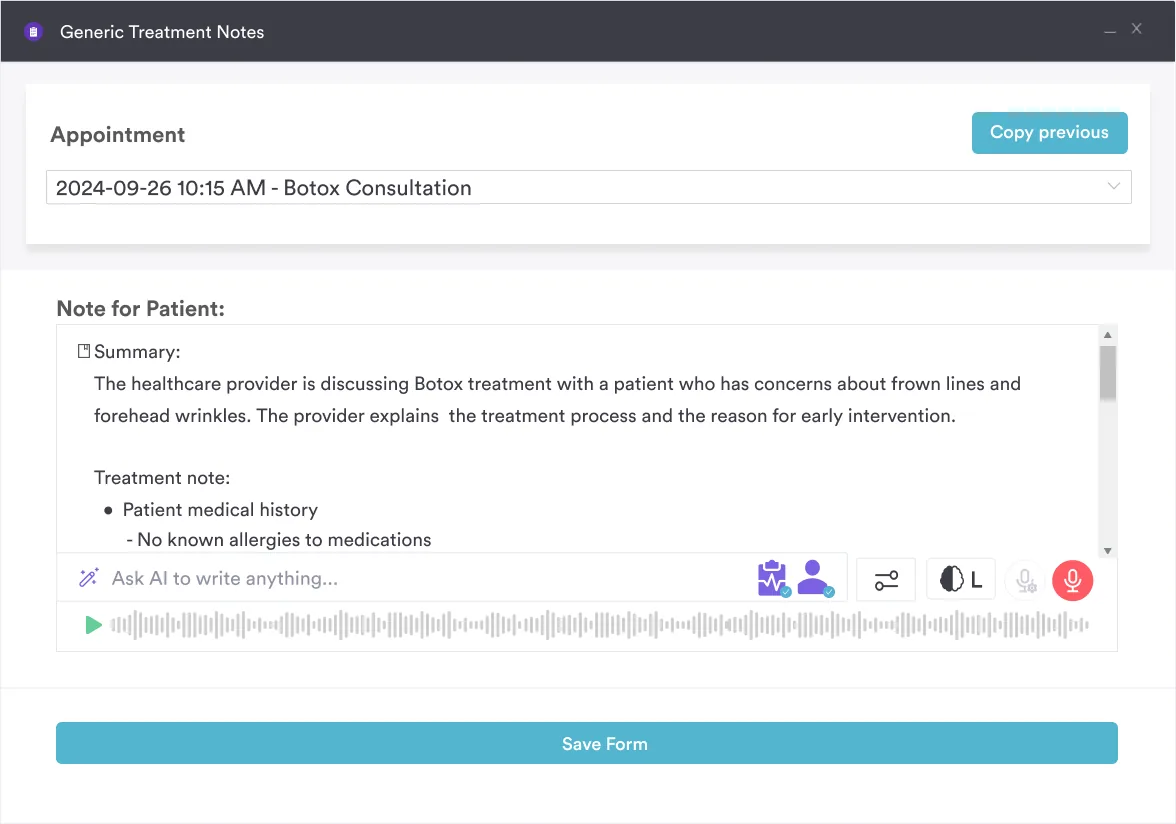
Anger assessment integrated with clinical documentation also supports AI-assisted clinical note generation. This allows clinicians to write faster, more detailed progress notes. Notes can reference assessment results and track anger symptom trends over time.
Anger assessment is essential for clinicians treating emotion dysregulation, relationship conflict, or behavioral concerns. A validated test transforms clinical intuition into measurable data. It enables precise diagnosis, targeted CBT intervention, and transparent progress tracking. Whether you use the CAS, MAI, or STAXI-2, structured assessment keeps treatment evidence-based and outcome-focused.
Integrating anger assessment into your practice’s client records system streamlines the workflow. Send digital forms before sessions, score results automatically, and track anger trends over months. Book a demo to see how Pabau helps mental health practitioners deliver structured, data-driven care.

Client struggling with sleep alongside anger issues? Sleep hygiene worksheet covers schedule, routine, environment, daytime habits, stress, and waking at 3 AM.
Need a structured way to screen sleep problems? Sleep questionnaire template covers the PSQI, ESS, ISI, and STOP-BANG instruments for sleep quality and apnea risk.
Screening older clients for cognitive impairment? SLUMS test template gives a standardized, time-efficient way to evaluate orientation, memory, attention, and executive function.
The terms are largely interchangeable. Both describe a structured questionnaire that scores how often, how intensely, and how someone expresses anger. An anger management assessment tends to emphasize control and coping, so it often feeds straight into a treatment or skills plan, while a screening tool like the one above flags where the difficulty sits before you decide on next steps.
An anger test measures current anger levels and patterns to provide diagnostic data; an anger management workshop teaches coping skills but does not measure baseline or progress. Best practice combines both: test first, deliver skills training, then re-test to document improvement.
Most clinicians re-administer anger tests every 4–8 weeks during active treatment, then at 3-month and 6-month follow-up intervals after treatment concludes. Cadence depends on clinical judgment and the complexity of the client’s anger presentation.
Yes — age-appropriate instruments such as the STAXI-2 (which includes teen norms) are validated for adolescent populations. Assessment should always be paired with a contextual clinical interview, as developmental factors significantly shape adolescent anger.
High scores indicate elevated anger intensity, frequency, or problematic expression — for example, a higher total on the Clinical Anger Scale (which runs from 0 to 63) points to more clinically significant anger that warrants intervention. A single result does not diagnose a disorder; it flags the need for deeper clinical exploration.
Free online screening tools exist but lack clinical validation and professional interpretation. Licensed practitioners should use formally validated instruments (CAS, MAI, STAXI-2) with normative data and clinical cutoff scores — free tools can raise awareness but cannot replace clinical assessment.