Journal prompts for mental health
Journal prompts for mental health are guided questions that help people process ...

2
Last Updated: Oct 13, 2026

An anger assessment quiz is a screening tool that helps therapists identify anger patterns, triggers, and severity levels in clients—not a formal diagnostic instrument.
Validated scales like the STAXI-2 and DSM-5 Level 2 Anger Scale provide clinically rigorous measurement; informal quizzes offer practical client insights but carry lower evidence weight.
Anger assessment results guide treatment planning by revealing whether clients experience passive, aggressive, assertive, or explosive anger styles.
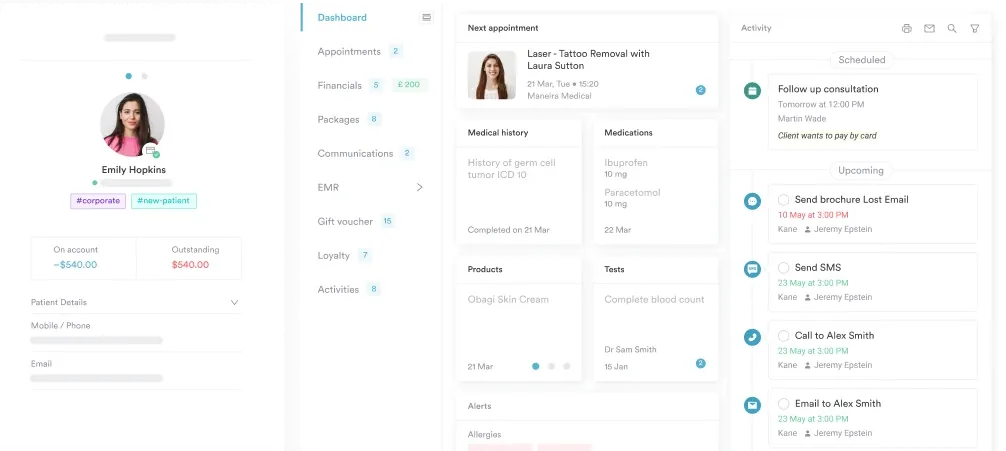
Pabau’s digital forms and client records store completed assessments securely, enabling practitioners to track anger trends across sessions and adjust interventions accordingly.
A ready-to-use screening tool for evaluating anger patterns, identifying triggers, and assessing intensity. This anger assessment questionnaire PDF includes scoring guidance and a clinical interpretation framework for therapy and counseling practice.
Download templateMental health practitioners need reliable tools to assess anger in clients. An anger assessment quiz screens for patterns, triggers, and intensity before treatment planning begins. This guide explains how to use anger assessment quizzes in clinical practice, the difference between validated scales and self-help tools, and why structured assessment matters for outcomes.
An anger assessment quiz is a clinician-administered or client-completed screening tool that measures anger patterns, triggers, and response intensity. This anger assessment tool differs fundamentally from diagnostic instruments: assessment quizzes help practitioners understand anger presentation and severity, while diagnostic tools determine whether a client meets criteria for a specific disorder. Common anger issues symptoms it screens for include irritability, muscle tension, verbal outbursts, and difficulty calming down after a conflict.
The primary purpose is to establish a baseline before treatment. Therapists use anger assessment results to identify which anger style dominates (passive avoidance, aggressive outburst, assertive expression, or explosive rage), which situations trigger anger most reliably, and whether anger interferes with relationships, work, or self-care.
According to the American Psychiatric Association’s DSM-5 Level 2 Anger Adult Scale, anger severity is scored across five items measuring irritability, aggression, and emotional control during the past week. Scores range from minimal to severe, guiding clinician judgment about intervention intensity.
Administering an anger assessment quiz follows a structured workflow. First, introduce the purpose clearly: “This quiz helps us understand your anger patterns so we can build a treatment plan that works for you.” Frame it as collaborative insight-gathering, not judgment.
Step 1: Administer the quiz. Ask the client to complete the assessment in session or at home before the next appointment. If they complete it at home, allocate 10-15 minutes at the start of the next session to review together.
Step 2: Score the responses. Most anger assessment quizzes use simple numeric addition (each item rated 0-4, totaled). Compare the client’s total score against the severity bands (minimal, mild, moderate, severe) provided in the quiz scoring guide.
Step 3: Discuss results. Use crisis intervention frameworks to understand high-risk patterns. Highlight surprising results (“You rated road rage as your biggest trigger—let’s explore that”) and validate the client’s experience (“Many people feel anger before they notice the physical sensations”).
Step 4: Document in the client record. Store the completed quiz and your clinical notes in structured client records so you can reference baseline scores at follow-up appointments and measure whether anger intensity decreases as treatment progresses.
Step 5: Integrate into treatment planning. If scores are moderate or severe, develop cognitive-behavioral interventions targeting the client’s anger style. If results reveal specific triggers (social rejection, perceived disrespect, loss of control), structure psychoeducation and coping skills around those themes.
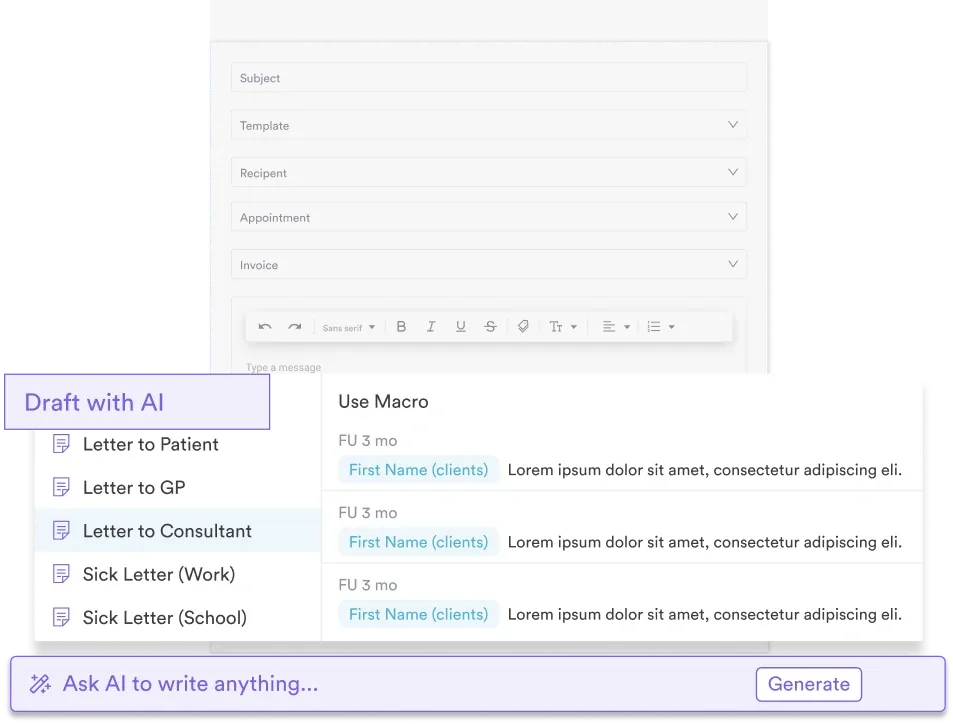
Storing assessments within AI-powered clinical documentation systems allows practitioners to auto-generate session notes referencing the assessment results.
Two categories of anger assessment tools exist in clinical practice. Validated psychometric instruments (like the STAXI-2 and DSM-5 Level 2 Scale) have undergone rigorous testing for reliability and validity. Informal quizzes offer practical screening without the same evidence base.
The State-Trait Anger Expression Inventory-2 (STAXI-2), developed by Charles D. Spielberger, measures both state anger (current emotional state) and trait anger (dispositional tendency to experience anger). It is widely cited in clinical psychology literature and supported by peer-reviewed validation studies. Many psychiatry EMR software systems include STAXI-2 scoring modules.
The American Psychiatric Association (APA)-published DSM-5 Level 2 Anger Adult Scale is freely available and clinically practical: five items, 5-minute completion time, straightforward scoring. Its advantage is brevity; its limitation is that it captures snapshot anger, not trait patterns.
Informal quizzes (like self-help anger tests found online) serve educational purposes and raise client awareness. They are not validated against clinical populations and should not replace standardized measures in treatment planning. Use them as conversation-starters (“Have you noticed you get angriest when people ignore your requests?”), not diagnostic anchors.
Anger does not present identically across clients. Practitioners who recognize anger styles can tailor interventions more precisely. The Crisis & Trauma Resource Institute framework identifies four primary styles:
Passive anger manifests as avoidance, withdrawal, or silent resentment. Clients smile while hurting internally, avoid confrontation, and later express anger indirectly (missed appointments, sarcasm, refusal to engage). Assessment may reveal low visible anger scores but high internal frustration and relationship damage.
Aggressive anger is overt: raised voice, accusatory language, physical tension, controlling behavior. Assessment scores are typically high; clients readily acknowledge anger. Risk includes harm to self or others if intensity escalates.
Assertive anger is healthy boundary-setting. Clients express displeasure calmly, name the problem directly, and seek solutions. Assessment reveals moderate anger without aggression or avoidance. This style is the treatment goal for most clients.
Explosive anger is rage with minimal warning: sudden escalation, loss of emotional control, potential violence. Assessment may show rapid state-anger spikes. Intervention requires immediate safety planning.
An anger assessment quiz identifies clients requiring specialist support. Red flags include:
When assessment results indicate severe anger or safety risk, refer to a specialized anger management program, psychiatrist, or crisis service. Document the referral in the client’s record and follow up to confirm the client engaged with support.
Recognizing when anger requires intervention beyond your scope protects clients and your practice. Even seasoned therapists benefit from consultation when anger involves active aggression or therapist burnout prevention is at stake.
Clinical documentation of anger assessments must meet regulatory standards. Whether you’re practicing under HIPAA (US), GDPR (UK/EU), or professional association guidelines (ACA, APA), assessment storage and data handling matter.
Record the assessment date, client’s score, severity interpretation, clinical impression, and next steps. Example: “Completed DSM-5 Level 2 Anger Adult Scale on February 15, 2026. Total score 18 (moderate range). Client reports most intense anger when deadlines change at work; uses avoidance to cope. Discussed assertive communication skills. Plan: teach four-step anger de-escalation protocol next session.”
Store the original quiz and clinical notes using structured clinical note-taking systems that maintain audit trails. This protects confidentiality, demonstrates standard-of-care documentation, and allows you to track anger trends across mental health EMR platforms.
Anger assessment adapts across settings. In individual therapy, use the standard assessment above. In couple or family therapy, administer the quiz to both partners or relevant family members to understand how each person’s anger style affects the system. In ADHD or trauma assessments, anger is one of several symptoms requiring measurement.
Anger assessment for adults typically relies on self-report severity scales like the DSM-5 Level 2 Anger Adult Scale, since adult clients can usually name their own triggers and patterns without help. For adolescents, use age-appropriate anger scales, simplify the language, and pair the quiz with an anger management workbook for youth PDF so teens have structured exercises to practice between sessions. Parents or caregivers may complete a parallel observer-rated version to capture external anger expression patterns the teen might not self-report.
Integrate anger assessment results into broader psychiatric evaluation templates if comprehensive mental health screening is underway. This creates a holistic baseline.
Systematic anger assessment strengthens outcomes. Practices using standardized assessment at intake and follow-up sessions report better client engagement, clearer treatment milestones, and measurable behavior change.
Many practices pair the completed quiz with a free anger management workbook PDF, giving clients specific exercises to practice against the triggers the assessment identified between sessions.
Implement this workflow: (1) Add the anger assessment quiz to your intake packet; (2) Administer at session one; (3) Score and discuss results immediately; (4) Store in the client’s digital record; (5) Re-administer at session six and session twelve to measure progress; (6) Adjust interventions based on trend data.
An anger assessment quiz measures anger patterns, triggers, and intensity to inform treatment planning. An anger management test evaluates whether a client’s coping skills are effective. Assessment comes first; management testing tracks intervention success later.
No. Assessment quizzes screen for anger severity and patterns but do not diagnose disorders. Diagnosis requires comprehensive evaluation by a licensed mental health professional using DSM-5 criteria and clinical judgment. Use assessment results as one input into your diagnostic formulation, not as the diagnostic anchor.
Re-administer at session six, twelve, and before treatment termination to track progress. More frequent use (every session) is unnecessary and burdens clients; less frequent use risks missing treatment stagnation.
The DSM-5 Level 2 Anger Scale is quick (5 minutes), free, and clinically sound for most practices. The STAXI-2 is longer but captures state and trait anger separately, useful if you need that specificity. Start with DSM-5 Level 2 and graduate to STAXI-2 if your client population warrants it.
Assess safety immediately: has the client harmed anyone, damaged property, or considered harm? If yes, initiate safety planning and refer to crisis services. If no, discuss the severe score, explore triggers and consequences, and develop a structured anger management plan with clear goals and timelines.
Clients can complete it independently in session or at home. However, reviewing results together in session is clinically superior: you observe their reactions, clarify confusing items, and discuss implications immediately, deepening therapeutic alliance and insight.
Yes, in practice both terms describe the same kind of tool: a structured set of questions that screens for anger patterns, triggers, and intensity. If you need validated psychometric scales compared side by side, such as the STAXI-2, CAS, or Novaco Anger Inventory, see our anger scale questionnaire guide.
It’s a free, five-item scale published by the American Psychiatric Association that screens adult clients for irritability, aggression, and loss of emotional control over the past week. It takes about five minutes to complete and works well as a quick baseline before a fuller anger assessment quiz or treatment plan.