Stroke impact scale: Free PDF, scoring and MCID by domain
The stroke impact scale (SIS) is a 59-item questionnaire in which stroke survivo...

3
Last Updated: Oct 13, 2026

The Activity Card Sort (ACS) is a client-centered occupational therapy assessment tool using 89 photographic cards to measure participation in instrumental, leisure, and social activities.
ACS yields a total participation score plus four domain scores, helping OTs identify changes in activity engagement following injury, illness, or chronic conditions like stroke and TBI.
Multiple versions exist: the proprietary ACS 2nd Edition (AOTA), the free public-domain ACS:AIP (inclusive participation), the UK-adapted ACS-UK, and the emerging electronic ACS3 for telehealth.
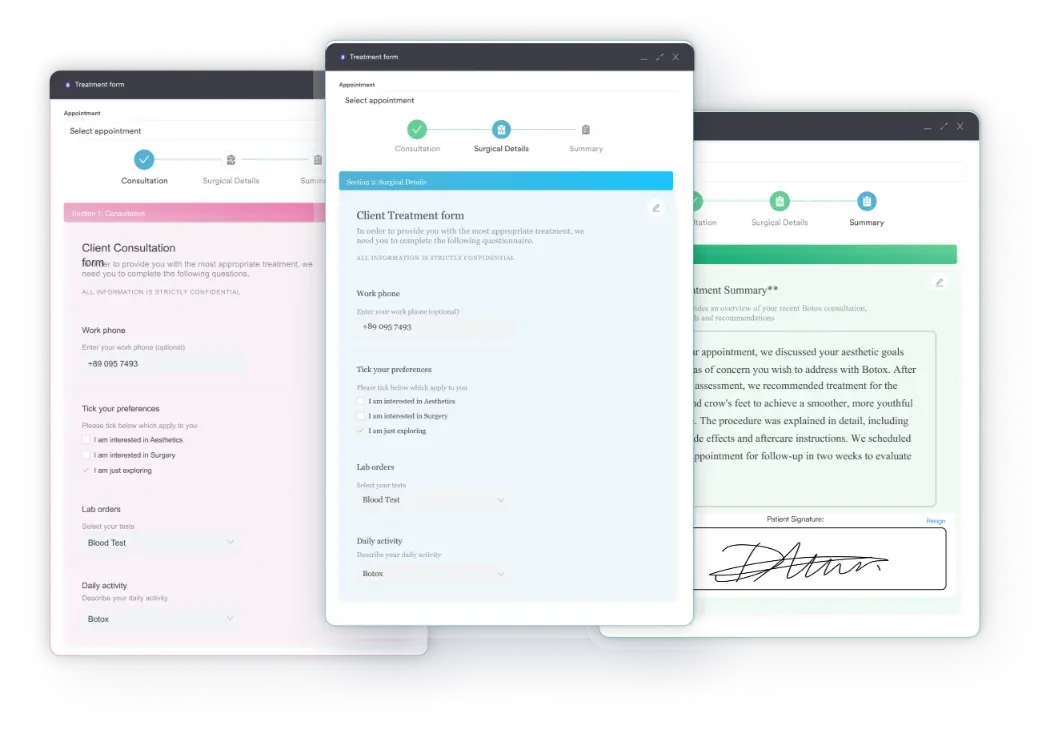
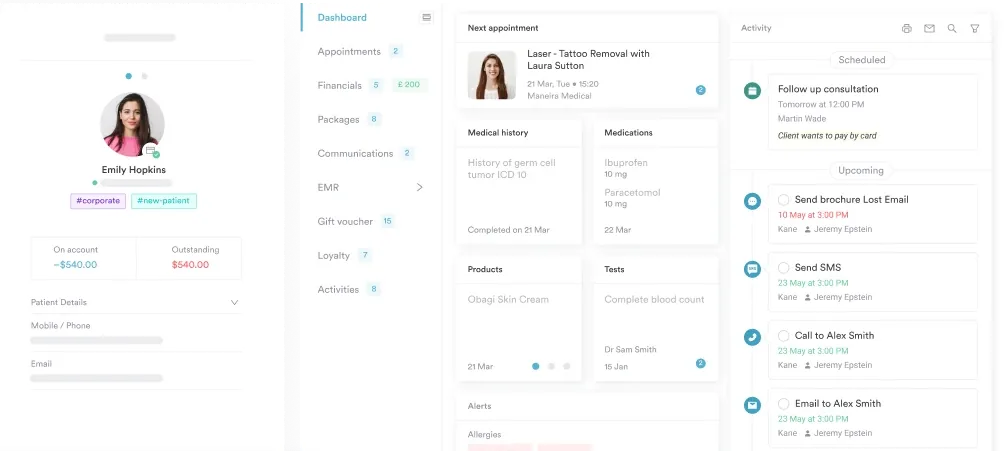
Pabau’s digital forms and automated workflows help OTs administer, score, and document ACS findings efficiently while maintaining compliance and client confidentiality.
A ready-to-use occupational therapy assessment measuring client participation across instrumental, leisure, and social activity domains. Includes the 89-card Q-sort method with sorting categories, scoring guidance, and interpretation framework for clinical practice.
Download templateThe Activity Card Sort (ACS) is a validated, client-centered occupational therapy assessment that measures how actively a person takes part in the daily activities they find meaningful. It gives occupational therapists an objective way to document how participation changes following injury or illness and to set recovery goals around the activities that matter most.
This guide covers what the ACS is, how to administer and score it, which clinical populations benefit most, and how practice management software like Pabau helps OTs integrate ACS administration into streamlined clinical workflows.
The Activity Card Sort (ACS) is an interview-based assessment measuring occupational participation, or how actively a person engages in the daily activities they find meaningful. Developed by Carolyn M. Baum and Dorothy Edwards (2nd edition 2008), the ACS uses a Q-sort method where clients physically or digitally sort 89 photographic cards depicting realistic daily activities into five mutually exclusive categories.
The five sorting categories are: (1) I have never done, (2) I have not done as an adult, (3) I do less, (4) I have given up, (5) I continue to do.
Unlike diagnostic tests, the ACS is a participation measure. It does not diagnose conditions; rather, it documents occupational engagement as a health and well-being outcome. This makes it valuable for patient management software that tracks functional recovery over time.
Administering the ACS requires minimal equipment but clear procedural structure. Follow these five operational steps for consistent, valid results in clinical practice.
Clinical accuracy depends on clear administration and careful scoring. Many OTs use paper-and-pencil scoring initially.
The ACS is not limited to a single population. Evidence supports its use across multiple healthcare settings and client groups. The following populations derive the most measurable benefit from participation-focused assessment.
Any OT who runs clinical assessments should keep the ACS in their core evaluation battery.
Practices that digitize paper scales with software for capturing forms cut scoring errors and filing time.
Structured participation measurement changes how OTs demonstrate clinical value and engage clients in their own recovery.
The original ACS has been adapted and refined across populations, geographies, and delivery modalities. Understanding which version fits your clinical context is essential.
OTs should select the version that matches their client population, practice setting, and resource availability. Many practices use the free ACS:AIP as a starting point, then invest in the proprietary 2nd Edition once assessment protocols are established.
The ACS becomes most useful when you translate its results into individualized treatment plans. The activities in the “do less” and “given up” categories represent loss of occupation, the core measure of occupational therapy need.
Build each goal on the SMART framework, using ACS data at every step:
Example: “Mr. Chen reported giving up gardening due to balance deficits post-stroke. SMART goal: Within 8 weeks of balance training and adaptive equipment trial, Mr. Chen will resume container gardening at least twice weekly (moving gardening from ‘given up’ to ‘continue to do’ on repeat ACS).”
This approach ensures treatment directly addresses what clients value most, improving both compliance and discharge outcomes.
Ready to integrate structured assessment into your OT practice? Book a demo to see how Pabau’s digital forms and client records streamline administration, scoring, and outcome tracking for occupational therapy assessments.
The Activity Card Sort (ACS) transforms how occupational therapists measure and address participation, a core indicator of health and well-being. By quantifying which activities clients have lost and which remain accessible, OTs can set meaningful, client-centered goals and demonstrate clear functional progress to clients, insurers, and referral sources. A rehab practice reporting outcomes to a payer needs consistent measures, not narrative summaries.
Whether you choose the proprietary 2nd Edition, the free and inclusive ACS:AIP, or the emerging electronic ACS3, structured participation assessment elevates clinical practice. Pair the ACS with digital assessment workflows and you eliminate paperwork, improve documentation quality, and give clients access to their own outcome data. The result is a modern, client-centered occupational therapy service. Connect with our team to explore how Pabau can support your assessment strategy.

Need a template for sacroiliac joint pain? Cluster of Laslett template helps determine whether sacroiliac joint dysfunction is involved, with a structured decision algorithm.
Need a template for a tennis elbow assessment? Cozen’s test assessment guide covers positioning, procedure steps, pain reproduction criteria, and how to document the result.
Need an aftercare protocol for a therapy session? deep oscillation therapy template covers patient care instructions, recovery expectations, safety considerations, and activity guidelines after treatment.
The Activity Card Sort (ACS) measures occupational participation, or how actively a person engages in the daily activities they find meaningful. OTs use it to identify changes in activity engagement following injury, illness, or chronic conditions, then set treatment goals to restore valued activities. It is not a diagnostic tool; it measures functional outcomes.
The physical ACS usually takes about 20 to 30 minutes, though a fuller interview can run closer to an hour depending on the client and the depth of discussion. The electronic ACS3 version tends to be faster. Administration time also depends on the client’s communication ability and energy level, and some clients may need breaks.
The ACS:AIP (Advancing Inclusive Participation) version is free, public-domain, and available from Washington University OT Program. The proprietary ACS 2nd Edition requires purchase through the American Occupational Therapy Association (AOTA) shop at myaota.aota.org. Choose based on your population and budget.
Yes. The electronic ACS3 version was developed specifically for telehealth delivery, allowing clients to sort digital cards via secure online portals. Initial validity testing shows promise for remote administration with adults experiencing traumatic brain injury and multiple sclerosis.
The ACS has been validated with older adults, stroke survivors, people with traumatic brain injury, multiple sclerosis, Parkinson’s disease, cancer survivors, and individuals experiencing homelessness (ACS:AIP version). It is appropriate for any population where participation measurement is clinically relevant.
Yes. The ACS is a standardized, validated participation measure with published reliability and validity across several populations. Its 89 cards and fixed sorting-and-scoring procedure keep administration consistent, which is what lets you compare a client’s participation over time rather than against a normative sample.
The ACS works on two levels. Clients sort each card into one of five categories: “I have never done,” “I have not done as an adult,” “I do less,” “I have given up,” and “I continue to do.” The 89 activities themselves span four domains: instrumental activities, low-demand leisure, high-demand leisure, and social activities.