All about me worksheet for adults
An all about me worksheet for adults is a guided self-reflection form that maps ...

1
Last Updated: Oct 14, 2026

The AA Step 1 worksheet is a guided self-reflection tool helping individuals admit powerlessness over alcohol and recognize how their lives have become unmanageable.
The two core components are powerlessness (loss of control over drinking) and unmanageability (life consequences and inability to manage daily functioning).
Clinicians use this worksheet in addiction counseling, intake assessments, and group therapy to structure Step 1 conversations and document recovery readiness.
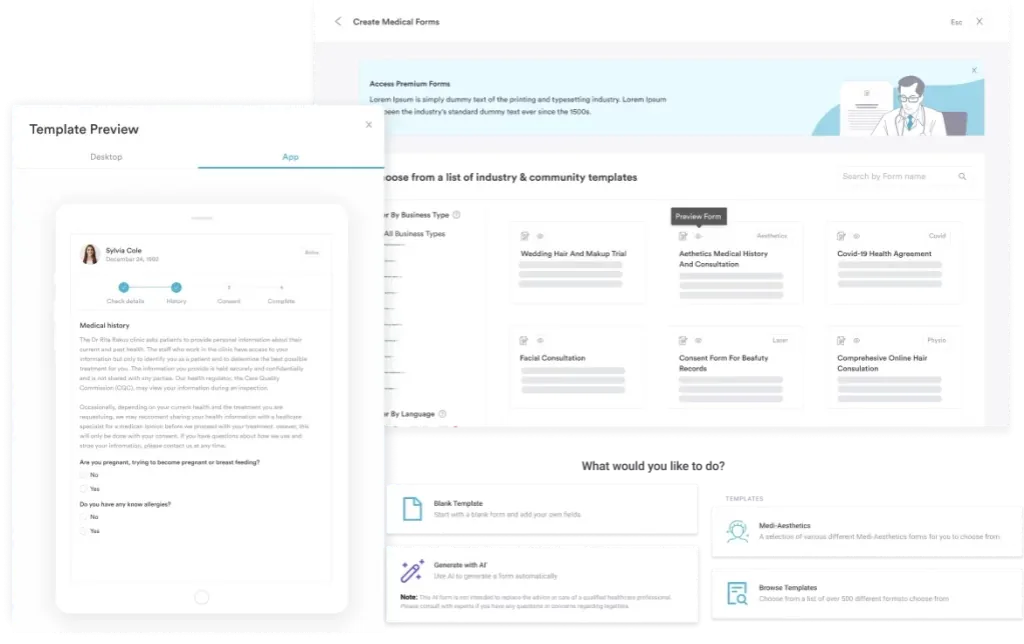
Pabau’s digital forms feature integrates this worksheet into client records, automating documentation and enabling secure client portal access for ongoing reflection and tracking.
A comprehensive worksheet guiding individuals and clinicians through the first step of Alcoholics Anonymous, covering powerlessness over alcohol, recognition of life unmanageability, and structured reflection questions for self-guided or sponsor-supported work.
Download templateBeginning recovery in a mental health practice often starts with admitting a fundamental truth: the individual is powerless over alcohol or drugs. This is where the AA Step 1 worksheet becomes invaluable.
Whether someone is working through this step alone, with a sponsor, or in a clinical setting, the worksheet transforms a deeply personal admission into structured, documented reflection. For therapists and counselors, it serves as both a clinical tool and a compliance document that demonstrates treatment engagement and recovery readiness.
The AA Step 1 worksheet is a therapeutic document designed to guide individuals through the first principle of Alcoholics Anonymous: admitting powerlessness over alcohol and acknowledging that life has become unmanageable. The worksheet combines educational context with digital form fields and guided questions that prompt self-reflection on two distinct but interconnected themes.
In recovery settings, this worksheet serves as both a personal exploration tool and a clinical record. It bridges the individual’s internal experience of shame, denial, and eventual surrender with external documentation that proves engagement in treatment.
For practitioners using platforms that support structured client records, the worksheet becomes part of the clinical file and can be revisited as evidence of sustained recovery work.
Powerlessness is the hardest concept for many people entering recovery to accept. It does not mean the individual has no willpower or moral failing.
Instead, it means that despite repeated attempts to control or moderate drinking, the outcome is consistently loss of control. The person drinks more than intended, drinks in situations they promised themselves they would not, and continues despite harmful consequences.
Signs of powerlessness include failed attempts to cut back, drinking to cope with negative emotions, damaged relationships, financial consequences, legal troubles, and physical health decline. The worksheet asks individuals to document specific incidents that demonstrate this loss of control. The goal is not to shame them, but to build the honest foundation the 12-step program requires.
Unmanageability describes the second pillar of Step 1: the external life consequences that accumulate as a result of alcohol use. A life has become unmanageable when drinking-or the behavior surrounding it-prevents the individual from fulfilling responsibilities, maintaining relationships, or achieving basic stability in work, finances, health, or family life.
This is where the personal damage becomes undeniable. The worksheet helps by asking concrete, behavioral questions rather than abstract ones.
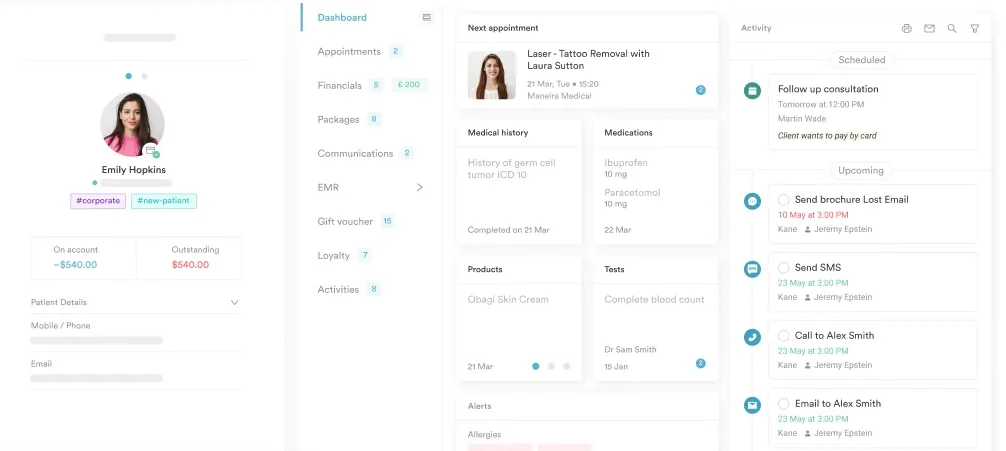
A patient management platform stores every completed form against the right patient record automatically.
The heart of the worksheet is a series of guided reflection questions organized by powerlessness and unmanageability. These questions are not yes/no; they ask for specific examples and consequences. For individuals accustomed to minimizing or rationalizing drinking behavior, these prompts break through denial by anchoring reflection in concrete incidents.
Typical powerlessness questions include: “Describe a time you drank more than you planned. What was the trigger? What happened?” and “List specific instances where you promised yourself you would not drink and then drank anyway.” Unmanageability questions ask: “What relationships have been damaged by your drinking? How?” and “What financial, legal, or health consequences have resulted from alcohol use?” Practice management software for therapists keeps scheduling, notes and billing against one client record.
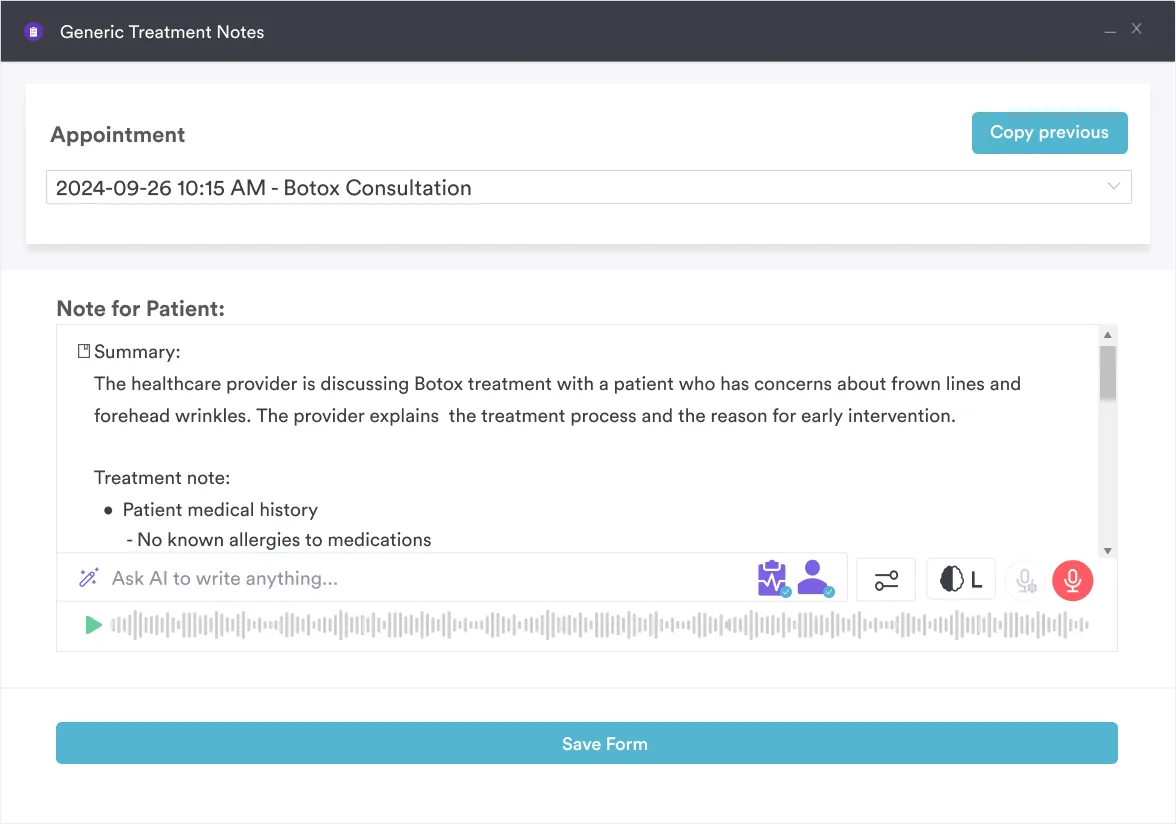
For clinicians using AI-powered clinical documentation, responses to these questions can be quickly summarized into progress notes that demonstrate treatment engagement and readiness for sponsor matching or group placement.
The worksheet can be used in multiple contexts, each with slightly different pacing and support.
For clinicians, the AA Step 1 worksheet is a critical intake and treatment-planning tool. The responses reveal whether the client is in precontemplation (denial), contemplation (ambivalence), or preparation (willing to change).
Clinicians can use the completed worksheet to:
Because Step 1 dwells on losses, some therapists pair it with a strengths list template that records what a patient still does well. Those strengths give the treatment plan something to build on.
The traditional AA sponsor relationship is built on trust, experience, and emotional honesty. A sponsor is someone with sustained sobriety and personal step-work experience.
They review the worksheet with the individual to ensure completeness, challenge denial, and offer perspective. The sponsor’s role is not to judge, but to help the individual get to radical honesty, free of minimization or rationalization.
This dynamic differs from therapy. A sponsor is a peer in recovery, not a clinical expert. The worksheet facilitates conversations that would be difficult without structure. By having written examples in hand, the individual avoids the temptation to gloss over painful truths or forget incidents that reveal the pattern.
Step 1 is not the end of recovery work. It is the foundation. Once an individual has genuinely admitted powerlessness and unmanageability, Step 2 introduces the concept of a Higher Power or spiritual source of restoration.
Steps 3 through 12 build on the humility and honesty established in Step 1, addressing character defects, making amends, and maintaining ongoing recovery. Once someone reaches that stage, Step 3 worksheets guide reflection on surrender and working with a higher power.
The time spent on Step 1 varies. Some people work with a sponsor for weeks, while others take months. What matters most is the depth of honesty and self-awareness reached, since that is what transforms a person’s willingness to change.
The worksheet is designed for anyone beginning the 12-step journey working on their own relationship with alcohol, whether in AA, Narcotics Anonymous (with “alcohol” replaced by “drugs”), or other 12-step-based programs focused on the individual’s own substance use.
It is particularly valuable for individuals in denial about the severity of their drinking, those with trauma histories who need structured processing, and people in early recovery who benefit from written documentation of their commitment to change.
For clinicians, the worksheet is essential for practices providing substance abuse treatment. It supports both individual therapy and group-based recovery programs.
For the individual in recovery: The worksheet removes ambiguity. Instead of vague feelings of shame or regret, the person documents concrete evidence of powerlessness and unmanageability, creating a turning point that motivates commitment to abstinence and the 12-step process.
For clinicians: The completed worksheet becomes a clinical assessment tool that informs treatment planning, identifies co-occurring diagnoses, and provides documentation of the client’s engagement and readiness for change.
For the treatment program: Group-based programs benefit from the shared vulnerability that emerges when participants work through the worksheet together, strengthening peer support and cohesion.
In individual therapy, the worksheet becomes a bridge between sessions. A client completes it at home, then brings it to the next appointment for guided discussion. This structure reduces session time spent on data gathering and maximizes time for therapeutic processing.
In group settings, facilitators may ask volunteers to share selected responses, with privacy maintained, allowing others to hear common themes and reduce shame through universality.
Residential treatment programs often assign the worksheet during the first week, ensuring all residents begin with a shared framework and commitment language. The document is then filed in the resident’s treatment record and reviewed at discharge planning to measure progress.
The AA Step 1 worksheet is far more than a form to fill out. It is a turning point document that transforms denial into acceptance and shame into honest self-assessment.
Whether used by individuals beginning recovery, sponsors guiding peers, or clinicians structuring addiction treatment, the worksheet creates a shared language for powerlessness and unmanageability that opens the door to lasting change. Download the template today and begin the work.

Want to help clients recognize their own patterns? A change plan worksheet structures the stages of change into clear, actionable goals for therapy and mental health practices.
Planning for what comes after Step 1? A relapse prevention worksheet helps clients identify triggers and build a concrete plan for staying sober.
Facilitating group therapy sessions? group therapy informed consent This guide explains what to cover, including confidentiality limits and group boundaries.
The AA Step 1 worksheet is a guided self-reflection tool that helps individuals in recovery document their admission of powerlessness over alcohol and the unmanageability of their lives due to addiction. It is used in individual step work, sponsor-guided conversations, and clinical addiction treatment settings.
Powerlessness (the loss of control over drinking) and unmanageability (the harmful life consequences that result from addiction). Both themes are equally important and interrelated in Step 1 work.
Yes. While this template is designed for alcohol, the core concept of Step 1 is identical in NA and other 12-step programs. The worksheet can be adapted by replacing “alcohol” with “drugs” or “addiction” throughout.
Completion time varies from a few days to several weeks, depending on whether the person is working alone, with a sponsor, or in a clinical setting. Rushing through the worksheet defeats its purpose; depth of honesty matters more than speed.
No. The worksheet can be completed independently for personal reflection or with a therapist. However, traditional AA recommends sponsor guidance to ensure honesty and completeness and to deepen the peer support relationship.
Yes. Many clinicians use the Step 1 worksheet as part of addiction assessment and treatment planning. It provides structured documentation of treatment engagement and can be filed in the client’s clinical record as evidence of progress toward recovery goals.