Fair fighting rules worksheet
A fair fighting rules worksheet is a therapy handout that sets out ground rules ...

3
Last Updated: Oct 21, 2026

A change plan worksheet is a structured clinical tool used in motivational interviewing to help clients articulate behavior change goals, identify supporting steps, and measure readiness to change on a 1-10 scale.
The worksheet maps specific changes desired, reasons for those changes, action steps, support systems, barriers, and signs of success, creating a documented roadmap for therapeutic work.
Effective change plans are grounded in client motivation, not clinician prescription; they work best when the client leads the planning and ownership remains theirs.
Pabau’s digital forms and clinical documentation features let you embed change plan worksheets directly into patient records and automate follow-up reminders tied to documented action steps.
A ready-to-use structured worksheet covering the client’s goals, reasons for change, concrete action steps, support systems, barriers and challenges, signs of success, and a 1-10 readiness-to-change scale.
Download templateA change plan worksheet converts therapeutic conversation into documented client commitment. The worksheet gives clients a structured way to define what they want to change, why it matters, and how they’ll do it.
A change plan worksheet is a clinical tool designed to help clients define the specific changes they want to make, articulate why those changes matter, and outline concrete steps to achieve them. It sits at the heart of motivational interviewing, a collaborative, client-centered approach that works with ambivalence rather than against it. Practices may also find value in a 5-year plan template to support longer-range goal setting alongside session-level change plans.
This guide explains what a change plan worksheet is, who uses it, how to implement it in your practice, and how to document outcomes in your clinical workflow.
A change plan worksheet is a structured template that guides clients through five core questions: What changes do I want? Why do I want them? How will I achieve them? Who can help? What might get in my way?
The worksheet was developed within the motivational interviewing framework by William R. Miller and Stephen Rollnick and is widely disseminated through motivational interviewing training communities as a key clinical tool. It appears in clinical settings across mental health counseling, substance use recovery, chronic disease management, and coaching, anywhere behavior change is the goal.
Unlike a clinician’s treatment plan (which the clinician writes), a change plan worksheet is authored by the client during or after a session. That ownership matters. It signals that the client is the expert on their own life and the driver of change.
Here is how a completed change plan worksheet might read for a client working to cut back on evening drinking. The entries are short, specific, and in the client’s own words, which is what makes the plan usable at the next session.
A rating of 8 signals the client is ready to act, so the next session can focus on reviewing progress against these steps. The same structure works for any behavior change, from medication adherence to a daily mindfulness practice.
Research on behavior change shows that documented commitments increase follow-through, especially the ones a client writes themselves. A psychology practice that uses change plan worksheets typically sees clearer session outcomes, easier progress tracking, and stronger therapeutic alliance. Three reasons they work:
They also reduce clinician burden. Instead of relying on the client’s memory, you have a written record of what was discussed, what the client committed to, and what support or barriers they identified. For clients managing co-occurring conditions.
Weighing tools for your practice? Check how alternatives to Carepatron handle forms and client records.
Timing and process matter. A change plan worksheet works best when the client is ready to move from exploration to action-typically after 20-30 minutes of MI-style conversation about ambivalence.
Barriers are where a plan most often stalls. When stress is the one a client names, a stress worksheet maps those triggers and pairs each with a coping response. When the barrier is fear, a fear setting exercise asks the patient to name the worst case, then plan prevention and repair.
Practice management software like Pabau lets you embed the worksheet into the patient record with digital forms, auto-populate the client’s name and session date, and store completed worksheets so they stay in the permanent record.
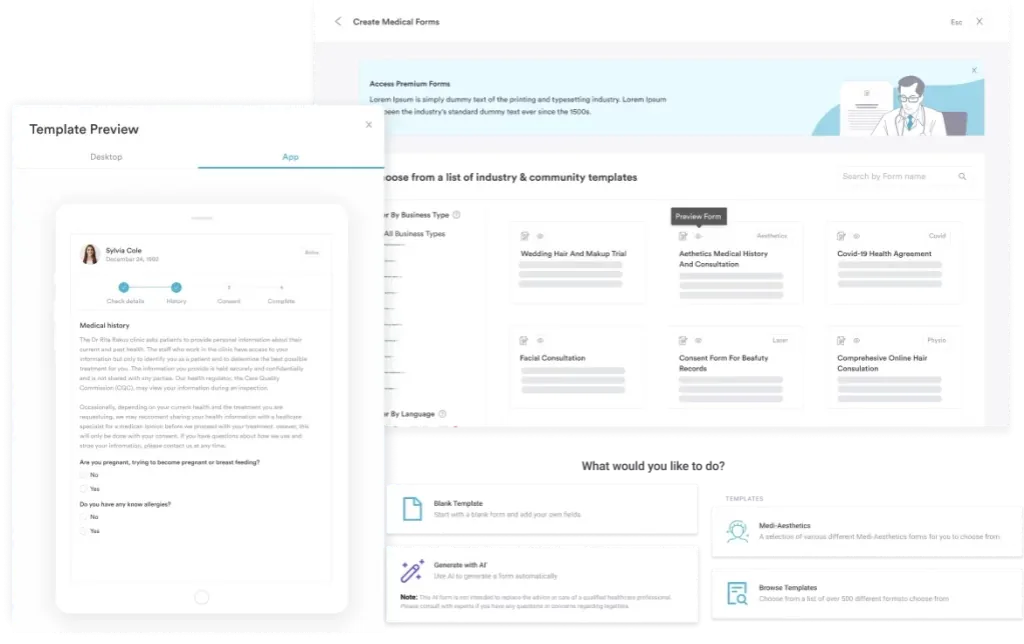
Change plan worksheets are effective across diverse therapy practice models:
A completed change plan worksheet is itself clinical documentation, but it’s not a progress note. Best practice is to summarize the plan in your session note or treatment plan update:
Sometimes the same barrier returns plan after plan. A list of named psychological complexes gives you descriptive language for that pattern in your formulation.
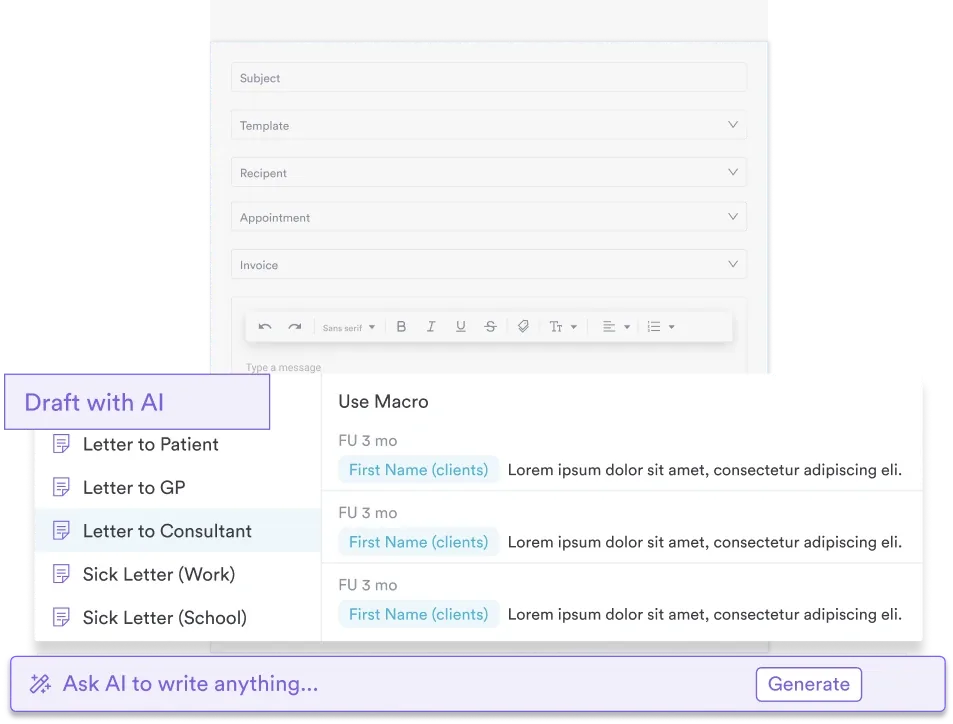
Change plan worksheets work best when they’re integrated into your broader patient care management system. Consider these workflow additions:
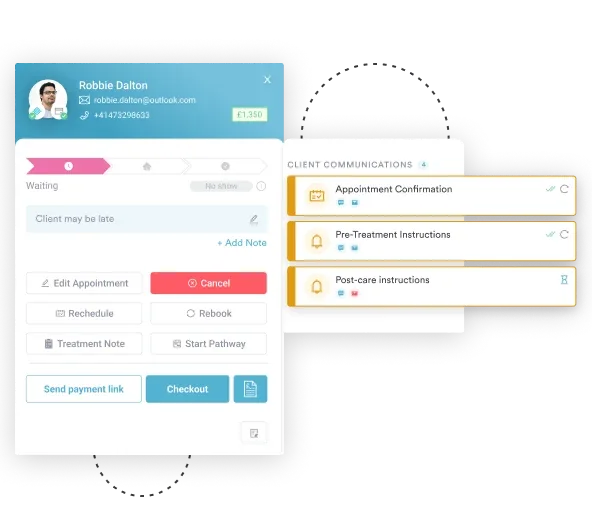
Pabau’s automated workflows allow you to trigger post-session emails, attach the change plan PDF, and route follow-up tasks to your clinical team, so less admin lands on you.
The client rates readiness very low (1-3). A low rating is honest information, not a failure. Rather than push the plan forward, explore the ambivalence. The worksheet has shown that now isn’t the time, and that clarity is useful.
A low rating sometimes reflects feeling powerless over the problem itself. A circle of influence exercise helps sort what the person can act on from what they can only worry about.
The client agrees to the plan but doesn’t follow through. At the next session, avoid blame. Instead, revisit the plan: “Let’s look at what you wrote. What got in the way?” Often the barriers section predicts non-adherence, and adjusting the plan (smaller steps, more support) fixes it.
Clients feel the worksheet is too formal or clinical. Frame it conversationally: “Let’s jot down your thoughts so you don’t forget, and so I can help you stay on track.” The format matters less than the collaboration.
Change plan worksheets are clinical records and fall under the same confidentiality and data protection rules as any therapy note. If you’re in a HIPAA-regulated setting (US), GDPR jurisdiction (UK/EU), or under CQC registration (UK), ensure:
Secure client portals let clients access their own change plan worksheets, reinforcing ownership and enabling them to revisit their commitments between sessions.
A change plan worksheet turns a motivational interviewing conversation into a documented commitment the client owns. It captures a specific goal, the reasons behind it, concrete steps, named support, anticipated barriers, and an honest readiness rating.
Its value comes from the client leading the planning and from that plan staying visible across sessions rather than being filed and forgotten. A secure client portal lets clients revisit their own commitments between appointments, reinforcing the ownership that makes change plans work.
Pabau’s digital forms let you embed the change plan worksheet directly into the patient record, auto-populate session details, and trigger follow-up reminders tied to the action steps the client committed to, so the plan drives the next session instead of sitting in a drawer. To see how it fits a therapy or behavioral health workflow, book a demo with the team.

Need a clinical system built for behavioral health? Mental health EMR software lets you embed change plan worksheets in the patient record and track goals and readiness ratings across a full course of treatment.
Documenting alongside a fuller assessment? Psychiatric evaluation template provides a structured framework for the comprehensive assessment that often precedes and informs the client’s change plan.
Designing the intake and worksheet forms themselves? Medical forms at your healthcare practice walks through building digital forms that capture goals, barriers, and readiness without adding clinician burden.
A change plan worksheet is authored by the client and focuses on their self-identified goal and motivation. A treatment plan is written by the clinician and outlines the clinical approach and objectives. Both coexist: the client’s change plan informs the clinician’s treatment plan, but they’re distinct documents. For mental health service plan billing.
Typically 5-10 minutes during a session. Clients can also complete it between sessions and bring it back for review, though in-session completion tends to yield more thorough exploration.
Yes. In group settings, individual clients complete their own worksheets, and the group provides accountability and support. This is standard in SMART Recovery and peer-led behavior change groups.
This is valuable information. It may indicate ambivalence, distrust, or a mismatch between the client’s goals and the therapeutic agenda. Explore the reluctance without pushing. The worksheet is a tool, not a requirement.
Review at each subsequent session and update if circumstances or motivation shift. A plan from three months ago may no longer fit, and that’s expected — updating it reflects progress, not failure. The 10-10-10 worksheet can help clients weigh the long-term implications of their change decisions during these reviews.