GLP-1 diet plan
A GLP-1 diet plan is a structured eating framework for patients taking semagluti...

2
Last Updated: Oct 13, 2026

A 30-day plant-based diet plan is a structured guide helping patients transition to eating exclusively plant-derived foods while maintaining nutritional adequacy.
Key nutrients requiring monitoring include vitamin B12 (supplementation mandatory for vegans), iron, calcium, vitamin D, omega-3 fatty acids, and zinc.
Starting with familiar plant-based meals and gradually introducing new ingredients reduces overwhelm and improves dietary adherence over the 30-day period.
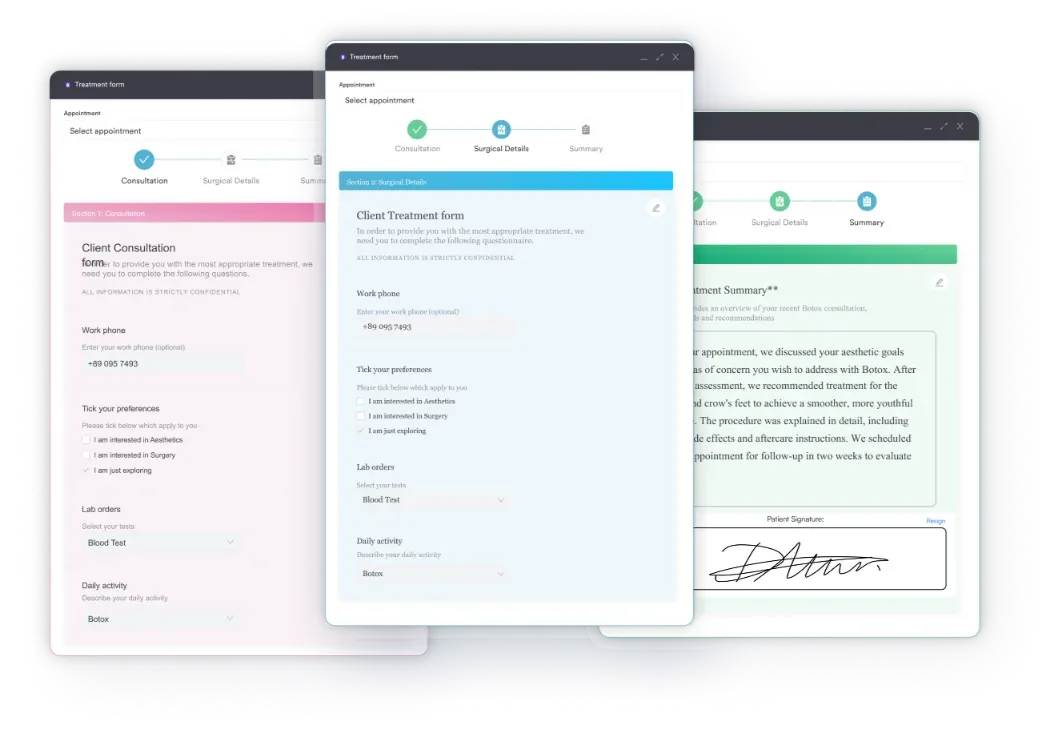
Pabau’s digital forms and client portal enable healthcare providers to share personalized meal plans, track patient progress, and send nutritional reminders directly to patients.
A comprehensive 30-day plant-based diet plan with daily meal structure, nutritional guidance, food lists covering what to eat and avoid, and practical tips for patients beginning a plant-based eating pattern.
Download templateGuiding a patient toward plant-based eating works best with a clear, day-by-day structure rather than open-ended advice. A 30-day plant-based diet plan gives healthcare providers a ready-made framework they can share, personalize, and monitor over a single month, easing the guesswork that often derails dietary change in the first week.
This template sits alongside other structured resources such as a healthy eating plan or a 30-day fruit and vegetable diet plan, pairing nutritional guidance with the monitoring and follow-up steps clinicians need to keep patients safe and on track.
A 30-day plant-based diet plan is a structured nutritional guide that supports patients in transitioning to plant-based eating over a one-month timeframe. Plant-based diets exclude all animal flesh (meat, poultry, fish) and may range from vegetarian (including dairy and eggs) to fully vegan (excluding all animal products, including honey and dairy). This template serves as a patient education resource that healthcare providers can share to ensure safe, nutritionally adequate dietary transitions while monitoring for common deficiencies.
The primary clinical purpose is to provide evidence-based nutritional guidance aligned with Dietary Guidelines for Americans. Patient-facing meal plans reduce decision fatigue, clarify permitted foods, and establish realistic macronutrient and micronutrient targets for a sustainable 30-day trial period.
Implementation of a 30-day plant-based diet plan typically follows a five-step workflow:
With practice management software like Pabau, practices can share the downloadable template via secure messaging, upload personalized versions with patient-specific modifications, and track meal plan adherence using automated follow-up workflows.
Most 30-day plans run on a weekly rotation rather than 30 unique recipes. Share this sample week with patients as a starting point, then swap meals to fit their tastes, budget, and any allergies.
| Day | Breakfast | Lunch | Dinner | Snack |
|---|---|---|---|---|
| 1 | Oatmeal with soy milk, walnuts, chia seeds, and berries | Spinach and chickpea salad with tomatoes, avocado, and olive oil | Black bean tacos on corn tortillas with steamed broccoli | Carrot and celery sticks with hummus |
| 2 | Tofu scramble with turmeric, spinach, and whole-grain toast | Quinoa bowl with black beans, roasted sweet potato, and tahini dressing | Lentil and mushroom stew over brown rice | Apple with almond butter |
| 3 | Smoothie with soy milk, banana, spinach, and peanut butter | Chickpea salad wrap in a whole-wheat tortilla | Spaghetti squash with lentil marinara | Small handful of almonds |
| 4 | Chia pudding with fortified plant milk, mixed fruit, and pumpkin seeds | Lentil soup with mixed greens and a whole-grain roll | Baked sweet potato stuffed with black beans, salsa, and guacamole | Roasted edamame |
| 5 | Whole-grain toast with mashed avocado and hemp seeds | Buddha bowl with quinoa, roasted chickpeas, kale, and lemon-tahini dressing | Tofu and vegetable stir-fry with brown rice | Bell pepper slices with guacamole |
| 6 | Overnight oats with soy milk, applesauce, and cinnamon | Quinoa salad with cucumber, tomato, parsley, and lemon | Roasted cauliflower and chickpea bowl with tahini | Fruit salad with pumpkin seeds |
| 7 | Whole-grain pancakes with fresh berries | Leftover stir-fry from day 5 | Lentil shepherd’s pie topped with mashed sweet potato | Celery with peanut butter |
Repeat this seven-day rotation roughly four times to fill the month, rotating in seasonal produce to keep meals varied. Two habits keep the week nutritionally sound: pair every iron-rich meal (lentils, spinach, tofu) with a vitamin C source (tomatoes, citrus, bell peppers) to improve absorption, and include one B12-fortified food or a supplement every day.
Healthcare providers across multiple specialties benefit from having a structured 30-day plant-based diet plan template available:
The template also suits patients with existing motivation for dietary change who benefit from structured guidance. Patients unwilling to give up animal protein may prefer a paleo meal plan, which keeps meat, fish, and eggs while cutting grains.
A structured 30-day plant-based diet plan delivers measurable benefits for clinical practice and patient outcomes:
Practices using integrated patient care management systems can distribute the plan digitally, reducing paper waste and ensuring consistent delivery.
Track macronutrient distribution across the 30-day plan. Ensure each day provides approximately 50-60% carbohydrates, 15-20% protein, and 20-30% fat. This balance sustains energy, satiety, and nutrient absorption while reinforcing the adequacy of plant-based eating to patients concerned about protein sufficiency.
Plant-based diets provide abundant fiber, antioxidants, and phytonutrients but require intentional attention to six critical micronutrients:
Baseline and follow-up micronutrient screening (serum B12, folate, iron panels, vitamin D) at day 0 and day 60-90 validates plan adequacy and identifies individual variation in absorption or compliance.
The first week determines long-term adherence. Support this critical window with practical guidance:
A steady first week is the strongest predictor of finishing the month.
Anticipating patient concerns before they emerge prevents dropout and confusion:
Plant-based refers to diets centered on plant-derived foods and may include small amounts of dairy or eggs. Vegan excludes all animal products entirely. A 30-day plant-based diet plan often permits flexibility, whereas a vegan approach is more restrictive. Patients who want plant-forward meals but still eat fish and poultry may prefer a MIND diet plan.
Aim for 0.8-1.0 grams of protein per kilogram of body weight daily (or 10-35% of total calories). Include protein at every meal through legumes, tofu, tempeh, nuts, seeds, and whole grains. Combined complementary proteins (e.g., beans and rice) provide all nine essential amino acids across the day, even if not in a single meal.
Plant-based diets are associated with lower BMI when combined with calorie awareness and whole-food emphasis. Weight loss outcomes vary individually based on baseline diet, activity level, and adherence. Frame the 30 days as a trial to assess energy, digestion, and satiety rather than guaranteeing weight loss.
Yes. Most restaurants offer vegetable-based sides, legumes, grains, and plant proteins. Review menus in advance, communicate dietary needs clearly, and focus on sauces and oils that may contain hidden animal products (anchovies, fish sauce, butter).
The template should be personalized for common allergies (nuts, soy, gluten). Substitution examples: soy-free options (tempeh, legumes), nut-free (seeds, legumes), gluten-free (rice, quinoa, certified oats). For patients needing a stricter elimination framework. Dietary assessment at baseline identifies individual modifications needed.

Pabau’s digital forms, client portal, and automated workflows enable you to deliver personalized meal plans, track patient progress, and send nutritional reminders, all from one centralized platform.

Meal planning is what turns good intentions into finished meals. Allocate 2 to 3 hours a week for batch cooking and assembly, so patients aren’t deciding what to eat when they’re tired and hungry:
Structured meal prep reduces barriers during stressful periods and maintains compliance when motivation dips mid-month.
A 30-day plant-based diet plan is a practical, evidence-based tool for healthcare providers supporting patients in dietary transitions. By addressing micronutrient adequacy, meal planning barriers, and social complexity upfront, clinicians can enable safe, sustainable plant-based eating that extends beyond the initial month. For patients focused on long-term outcomes. Download the template above to begin offering this resource to your patients, and book a demo to see how Pabau’s patient communication and follow-up features enhance nutrition program delivery.

Tracking a patient’s glucose alongside their meal plan? Blood sugar chart gives normal, prediabetes, and diabetes ranges by age and A1C.
Building a care plan for a diabetes patient? Diabetes mellitus nursing care plan covers NANDA diagnoses, interventions, and measurable patient goals.
Helping a patient understand their eating triggers? Emotional eating worksheet uses CBT-based exercises to separate physical from emotional hunger.
A 30-day plant-based diet plan is a structured nutritional guide that helps healthcare providers support patients in transitioning to plant-based eating. It includes daily meal suggestions, guidance on foods to eat and avoid, nutritional information, and micronutrient monitoring to ensure adequacy during the dietary transition.
Yes, when properly planned with attention to vitamin B12, iron, calcium, vitamin D, omega-3 fatty acids, and zinc. The Academy of Nutrition and Dietetics affirms that well-planned vegetarian and vegan diets are nutritionally adequate and may provide health benefits in preventing cardiovascular disease and type 2 diabetes.
Vitamin B12 supplementation is mandatory on fully vegan diets. Other nutrients (iron, calcium, vitamin D, omega-3s, zinc) should ideally come from food sources; supplementation depends on individual baseline status and dietary coverage assessed at baseline and follow-up.
Modify based on allergies, food preferences, cultural foods, activity level, and baseline micronutrient status. Digital form tools allow providers to capture patient preferences and constraints, then customize the meal plan with substitutions and adjusted portion sizes before sharing.
Schedule check-ins at day 7 (address early barriers), day 14 (assess energy and digestion), and day 30 (final review and decision on continuation). Consider baseline and 60-90 day micronutrient labs (B12, iron, vitamin D) to validate plan adequacy.