CPT code 93503: Swan-Ganz catheter billing and modifiers
CPT code 93503: Official descriptor and procedure overview In the AMA CPT code s...

Last Updated: Oct 23, 2026
J9190 is the HCPCS Level II code for injection, fluorouracil, 500 mg. CMS terminated it with effect from 30 September 2026, so it is no longer valid for claims after that date.
Fluorouracil (5-FU) denials are rarely about the drug itself. Instead, they happen when billers submit the wrong unit count, omit the administration code, or fail to link a supporting ICD-10 diagnosis.
HCPCS Code J9190 is one of the most-used J codes in oncology infusion settings, but its per-500 mg billing unit and coverage rules catch practices off guard more often than they should.
Let Pabau's smart automation suggest the right codes, reduce claim denials, and keep your practice compliant—effortlessly.
Automate repetitive tasks and focus on what matters most—your patients.
Reduce coding errors and ensure compliance with the latest regulations.
Clean claims, fewer denials, and faster reimbursements.
Powerful insights and reporting to help your practice thrive.
HIPAA compliant SOC 2 certified GDPR-compliant Trusted by 4,000+ clinics worldwide

HCPCS Code J9190 describes Injection, fluorouracil, 500 mg, classified under Chemotherapy Drugs by CMS
Bill one unit per 500 mg administered; a 1,500 mg dose requires 3 units of J9190 on the claim
Always pair J9190 with an administration CPT code (96413 for initial infusion, 96415 for each additional hour) to avoid denial
Practice management software like Pabau, with built-in claims management, supports oncology infusion billing workflows, reducing submission errors before claims reach the payer
HCPCS Code J9190 is the Level II code assigned by CMS to describe the injectable form of fluorouracil at a billing unit of 500 mg. The long description reads: Injection, fluorouracil, 500 mg. The short descriptor used on remittance advice is Fluorouracil injection.
Billers sometimes look it up as a “J9190 CPT code,” but J9190 is technically a HCPCS Level II code maintained by CMS, not a CPT code (CPT codes are maintained by the AMA).
The Coverage Code D designation matters. Specifically, it means CMS requires billers to follow specific coverage instructions, which are spelled out in Local Coverage Determinations (LCDs) and CMS Article A55639, which covers chemotherapy agents used for non-oncologic conditions. Therefore, always verify the applicable LCD for the MAC jurisdiction before billing.
According to the NCI SEER CanMED HCPCS database, fluorouracil is classified as an antimetabolite and pyrimidine analog. It works by interfering with DNA and RNA synthesis in rapidly dividing cancer cells, making it one of the most widely used agents in solid tumor regimens.
Administering it shares many of the same billing workflow principles as other chemotherapy infusions.
Fluorouracil has been used in oncology since its FDA approval in 1962. As a result, it is now an established first-line or combination agent for several solid tumor types.
Regimen context matters for billing because it determines the total dose administered per infusion visit, which directly drives how many units of J9190 appear on the claim. Each regimen also needs a supporting ICD-10 diagnosis to establish medical necessity — for a colorectal protocol.
The single most common J9190 billing error is submitting the wrong unit count. Each unit of HCPCS Code J9190 equals 500 mg of fluorouracil administered. Therefore, bill one unit per 500 mg, always rounding up any fraction to the next whole unit.
FOLFOX and FOLFIRI protocols commonly deliver fluorouracil in two phases: a rapid IV push (bolus) followed by a prolonged infusion over 46 hours via pump. Each phase is documented and billed separately.
As a result, the bolus dose and infusion dose are added together to calculate total milligrams administered per visit, then divided by 500 to get the J9190 unit count.
Verify the ordered and administered dose in the medication administration record (MAR) before billing. Billing based on the ordered dose rather than the actual administered dose is a common audit finding. Review your clinical documentation practices to ensure the MAR captures actual infused volume.
Run a pre-billing MAR audit at the end of each infusion visit. Compare the ordered dose to the volume actually administered and infused. Any discrepancy between the two requires a note in the chart before the claim goes out. This single step prevents the majority of J9190 unit-count denials.
A weight loss clinic platform keeps GLP-1 dosing, stock, and follow-ups aligned across the whole program.
J9190 describes the drug only. Consequently, the infusion service itself must be billed separately using the appropriate CPT administration code. Submitting J9190 without a paired administration code is a frequent cause of denial under NCCI edits.
In FOLFOX and FOLFIRI protocols, fluorouracil is typically administered as both a bolus (IV push, billed with 96409) and a continuous infusion (billed with 96413 + 96415 for additional hours, or 96416 for pump-initiated prolonged infusion). Therefore, both administration codes must appear on the claim alongside J9190.
This is also where CPT code 99213 and infusion billing diverge: outpatient E&M visits have their own modifier hierarchy, but chemotherapy infusion codes follow the primary/secondary/sequential drug sequencing rules under NCCI. Review the CMS HCPCS overview for current infusion code pairing requirements.
The place of service (POS) code on the claim affects reimbursement directly. For example, hospital outpatient departments (POS 22) bill under the Outpatient Prospective Payment System (OPPS) and receive packaged rates.
In contrast, physician offices running GP practice management software (POS 11) and freestanding infusion centers relying on IV therapy software (POS 19 or 22 depending on provider type) bill under the buy-and-bill model at ASP + 6% for Medicare.
Confirm POS assignment with your hospital outpatient billing team before submitting. Otherwise, incorrect POS is a leading cause of J9190 underpayment.

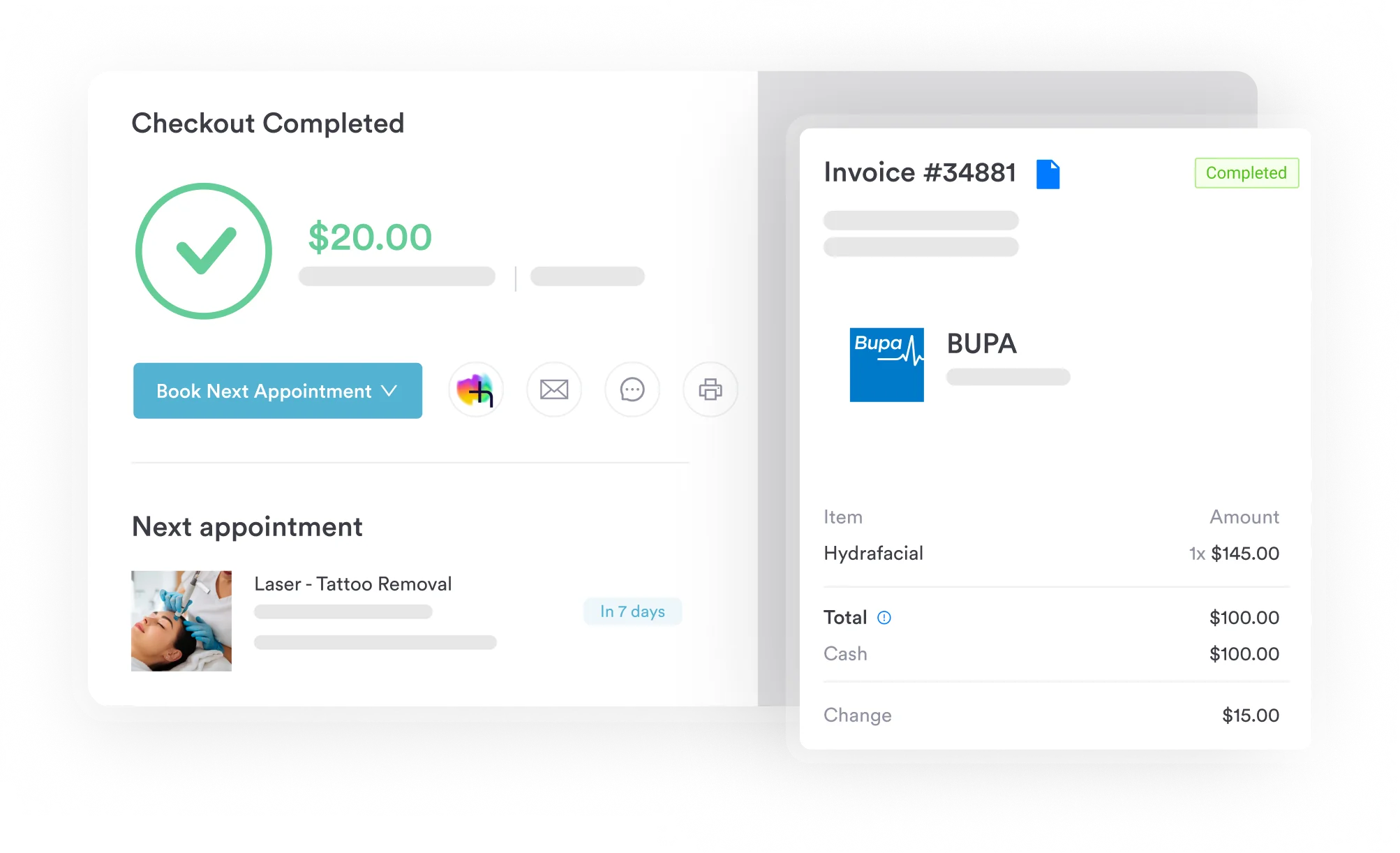
Pabau’s claims management software helps infusion practices track administered doses, match drug codes to administration CPT codes, and submit cleaner claims. See how it works for your team.

Medicare Part B reimburses J9190 under the buy-and-bill model at Average Sales Price (ASP) plus 6%. Because fluorouracil is a multi-source drug with a long history of generic manufacturing, its ASP tends to be lower than branded chemotherapy agents. Actual reimbursement varies by quarter, as CMS updates ASP-based drug reimbursement quarterly.
For the current Medicare payment rate, look up J9190 in the CMS Physician Fee Schedule search tool or the quarterly drug pricing files published by CMS. Rates are set per billing unit (per 500 mg), so a 1,500 mg dose billed as 3 units receives 3x the per-unit rate.
The same quarterly lookup applies to other HCPCS codes. Therefore, practices should update their J9190 expected reimbursement figures each quarter to keep revenue cycle projections accurate.
Commercial payer rates for J9190 vary significantly by plan and contract. Some payers reimburse at AWP minus a negotiated discount rather than ASP. Review your payer contracts annually for fluorouracil-specific reimbursement language, as FOLFOX and FOLFIRI are high-volume regimens that attract payer scrutiny.
Every J9190 claim also needs a valid oncologic diagnosis code from the appropriate ICD-10-CM chapter — for a FOLFIRINOX pancreatic regimen.
Request your payer contracts’ drug fee schedules specifically for J9190. Some payers carve out fluorouracil from standard drug reimbursement schedules and apply a flat fee per administration. Knowing this before billing prevents revenue surprises on high-volume infusion days.
Many payers require an NDC (National Drug Code) alongside J9190 on the claim. The NDC identifies the exact product, manufacturer, and package size actually dispensed, while J9190 identifies the service type. Additionally, multiple NDC codes map to J9190 because fluorouracil is manufactured by several generic producers.
The NDC must reflect the specific vial pulled from your pharmacy inventory. Report it in the NDC qualifier field (N4), followed by the 11-digit NDC in 5-4-2 format (no hyphens), the NDC unit qualifier (UN for units), and the NDC quantity dispensed. Furthermore, mismatches between the billed J9190 quantity and the NDC quantity are a common audit trigger.
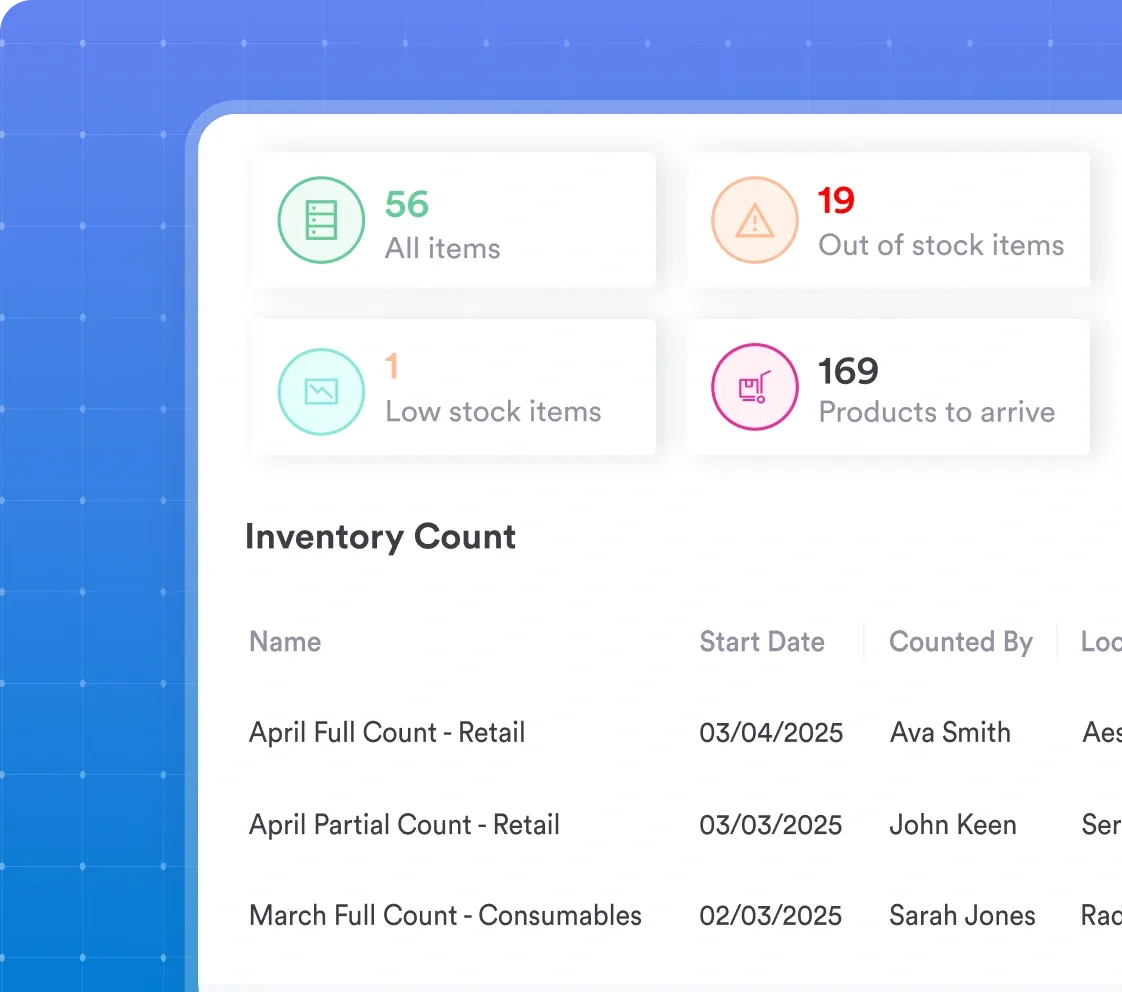
Your pharmacy team is the source of truth for NDC-to-J9190 crosswalk data. Keeping your drug inventory system linked to your billing workflow closes the gap where NDC discrepancies most often occur. Pabau’s inventory management tools help practices track drug lot numbers and NDC data alongside treatment records, reducing manual crosswalk errors at billing time.
Medicare Part B covers J9190 when fluorouracil is medically necessary for a covered diagnosis. However, the Coverage Code D designation means special instructions apply: billers must therefore follow the applicable LCD for the MAC (Medicare Administrative Contractor) jurisdiction servicing their practice.
For non-oncologic uses, CMS Article A55639 sets out specific criteria. Fluorouracil is covered as an antifibrotic adjunct during glaucoma filtering surgery for patients at high risk of filtering-surgery failure, when billed correctly with a supported diagnosis code. Nevertheless, billing J9190 for off-label or non-covered indications without LCD support is a compliance risk.
Medicare does not universally require prior authorization for J9190. However, commercial payers frequently do, particularly for high-cost regimens like FOLFOX and FOLFIRINOX. Authorization requirements vary by payer and plan, so always verify requirements before the first infusion visit. Additionally, document the authorization number in the patient record and reference it on the claim.
Missing or expired authorizations account for a significant share of chemotherapy claim denials. Building a pre-infusion checklist that includes authorization verification, ICD-10 diagnosis confirmation, and dose calculation review catches these issues before the patient arrives.
Confirm that the diagnosis on file — for a CMF breast cancer regimen.
Pabau’s prescription management features help oncology practices document ordered regimens and track authorization status alongside clinical records.

A defensible J9190 claim rests on four pieces of documentation, all pointing to the same dose and diagnosis. Missing or mismatched documentation is what turns an otherwise clean claim into an audit finding.
The diagnosis itself is usually confirmed before the regimen starts — often via image-guided tissue sampling billed under CPT code 10010. Keeping the order, the MAR, the diagnosis, and the authorization number aligned before submission is what makes a J9190 claim hold up under review.
J9190 denials cluster around a small set of repeatable mistakes. Fortunately, knowing the patterns lets you fix them upstream in the billing workflow rather than chasing underpayments.
The fastest way to reduce J9190 denials long-term is to build a pre-submission checklist into your infusion billing workflow. Running a claim scrub against unit counts, administration codes, NDC data, and diagnosis codes before submission catches the majority of these issues.
Pabau’s claims management software supports pre-submission claim validation to flag incomplete or mismatched drug billing fields before claims reach the payer.
HCPCS Code J9190 is a foundational chemotherapy billing code that rewards precision. The per-500 mg unit structure, the required pairing with administration CPT codes, and the payer-specific NDC requirements create multiple failure points in the billing workflow. Ultimately, getting each one right means fewer denials, faster payment, and cleaner revenue cycle data for your infusion program.
Pabau’s practice management platform helps infusion and oncology practices connect clinical documentation to billing workflows, so dose data from the MAR flows cleanly into claim preparation. To see how Pabau handles chemotherapy drug billing and claims management, book a demo with the team.

Billing another injectable oncology drug this week? HCPCS code J9312 covers Rituximab billing units, modifiers, and reimbursement for infusion practices.
Pairing diagnostic imaging with an infusion visit? HCPCS code A9502 breaks down billing for the Tc-99m tetrofosmin used in nuclear medicine studies.
Coding a radiation-related skin complication in an oncology patient? ICD-10 code L59.9 is the reference for unspecified radiation-related skin disorders.
HCPCS Code J9190 is the Level II code describing Injection, fluorouracil, 500 mg, used to bill for fluorouracil (5-FU) when administered by injection. CMS classifies it under Chemotherapy Drugs, and it applies to Medicare Part B and most commercial payers.
Bill 4 units. Each unit equals 500 mg, so divide total milligrams by 500. For doses that do not divide evenly, round to the nearest whole unit and document the exact administered dose in the chart.
J9190 — not the administration code — carries modifier JW (discarded amount) or JZ (zero discarded amount) when it comes from a single-dose vial. JZ has been required on those claims since July 1, 2023, with unprocessable-claim enforcement since October 1, 2023. Multi-dose vials never take JW or JZ; bill only the amount administered. Fluorouracil ships in both vial types, so check which one was used. Administration CPT codes may still need modifier 59 or XU under NCCI sequential-infusion edits.
Yes, for select indications under LCD criteria. CMS Article A55639 identifies covered non-oncologic diagnoses. Always verify your MAC’s LCD before billing J9190 for a non-cancer diagnosis.
The NDC identifies the exact product and manufacturer dispensed, while J9190 identifies the drug type. Submit in 11-digit format using the N4 qualifier, matching the actual vial from pharmacy inventory.