

HCPCS code E0198: Water pressure pad billing guide
HCPCS code E0198 is a water pad for a standard mattress HCPCS code E0198 is the ...

Last Updated: Oct 13, 2026
J0702 is the HCPCS Level II code for injection, betamethasone acetate 3 mg and betamethasone sodium phosphate 3 mg.
HCPCS (Healthcare Common Procedure Coding System) Code J0702 is the billing code for injection of betamethasone acetate 3 mg and betamethasone sodium phosphate 3 mg, the combination corticosteroid sold as Celestone Soluspan.
Most denials for this code trace back to incorrect unit calculation or a missing ICD-10 diagnosis code, since the combination-product structure catches billers off guard more than most other J-codes in the corticosteroid category.
Let Pabau's smart automation suggest the right codes, reduce claim denials, and keep your practice compliant—effortlessly.
Automate repetitive tasks and focus on what matters most—your patients.
Reduce coding errors and ensure compliance with the latest regulations.
Clean claims, fewer denials, and faster reimbursements.
Powerful insights and reporting to help your practice thrive.
HIPAA compliant SOC 2 certified GDPR-compliant Trusted by 4,000+ clinics worldwide

HCPCS Code J0702 describes injection of betamethasone acetate 3 mg and betamethasone sodium phosphate 3 mg, the combination corticosteroid sold as Celestone Soluspan.
One billing unit equals the full labeled dose of the combination product; billing the acetate and phosphate components separately triggers audit flags.
Medicare Part B covers J0702 under the buy-and-bill model using ASP-based reimbursement, updated quarterly by CMS.
Pabau’s claims management software helps practices capture J0702 charges accurately, attach supporting ICD-10 codes, and maintain audit-ready documentation.
HCPCS Code J0702 is the Level II alphanumeric code for injection of betamethasone acetate 3 mg and betamethasone sodium phosphate 3 mg. It belongs to the J-code series, which the Centers for Medicare and Medicaid Services (CMS) defines as covering drugs administered by routes other than oral, including intra-articular, intramuscular, and intralesional injection.
The brand name for this combination product is Celestone Soluspan, manufactured by Organon. The code applies specifically to the fixed-ratio combination: betamethasone acetate provides prolonged local effect, while betamethasone sodium phosphate provides rapid systemic onset. A code that describes only one component does not satisfy J0702.
Betamethasone is a synthetic glucocorticoid with potent anti-inflammatory and immunosuppressive properties. The combination product described by J0702 suspends betamethasone acetate (the repository form, for sustained release) alongside betamethasone sodium phosphate (the soluble form, for rapid onset) in a single vial.
Clinicians use this product for a wide range of inflammatory and autoimmune conditions. The intra-articular route is most common, though intralesional and intramuscular administration also appear in practice.
Route of administration must be documented explicitly. The same drug injected intra-articularly versus intramuscularly carries different clinical risk profiles and supports different ICD-10 pairings. For dermatology EMR workflows, tying the administration route to the encounter note is the single most important documentation step for J0702 claims.
Document the anatomical injection site alongside the route. ‘Intra-articular, right knee’ is auditable. ‘Injection given’ is not. Payers increasingly request site-specific documentation during post-payment audits for J-code claims.
Unit reporting is the most audited element of J0702 claims. One unit of J0702 equals the full labeled dose: betamethasone acetate 3 mg plus betamethasone sodium phosphate 3 mg, as described in the manufacturer’s prescribing information.
The AHA Coding Clinic, published by the American Hospital Association, has clarified that coders must verify the administered dose against the labeled vial concentration before calculating units.
Never split J0702 into separate component codes. Billing betamethasone acetate and betamethasone sodium phosphate on distinct line items constitutes unbundling and will trigger claim rejection. The combination product has one code: J0702.
A weight loss clinic platform keeps GLP-1 dosing, stock, and follow-ups aligned across the whole program.

Pabau’s built-in billing workflows capture drug administration charges at the point of care, link them to the correct ICD-10 diagnosis, and flag unit calculation issues before the claim is submitted. See how it works in a live demo.

Medicare Part B covers J0702 under the buy-and-bill model. The practice purchases the drug, administers it, and bills Medicare for both the drug (J0702) and the administration service, using the appropriate Current Procedural Terminology (CPT) injection code. Reimbursement for J0702 is set quarterly by CMS using Average Sales Price (ASP) methodology: the payment rate equals ASP plus 6%.
Because ASP-based rates change every quarter, any reimbursement figure cited in a billing guide becomes outdated within 90 days. Always verify the current allowable against the CMS Physician Fee Schedule lookup tool before submitting claims or calculating practice revenue from J0702 injections.
The CMS HCPCS overview provides the current code file, quarterly ASP updates, and the national coverage framework for J-code drugs. Using medical office compliance frameworks that track payer-specific policy changes helps keep billing workflows aligned with MAC LCD updates as they change.
J0702 is not self-sufficient on a claim. Every submission requires at least one ICD-10 diagnosis code establishing medical necessity. The following codes are commonly paired with J0702 based on the drug’s approved clinical applications. MAC LCDs may narrow this list for your jurisdiction.
Use the most specific ICD-10 code available. For joint injections, capture the laterality and joint site: M19.011 (primary osteoarthritis, right shoulder) is far more defensible than M19.90 during a medical necessity review.
Insufficient documentation is the second most common reason J0702 claims are denied or recouped on audit. Every element below must appear in the medical record before the claim is submitted.
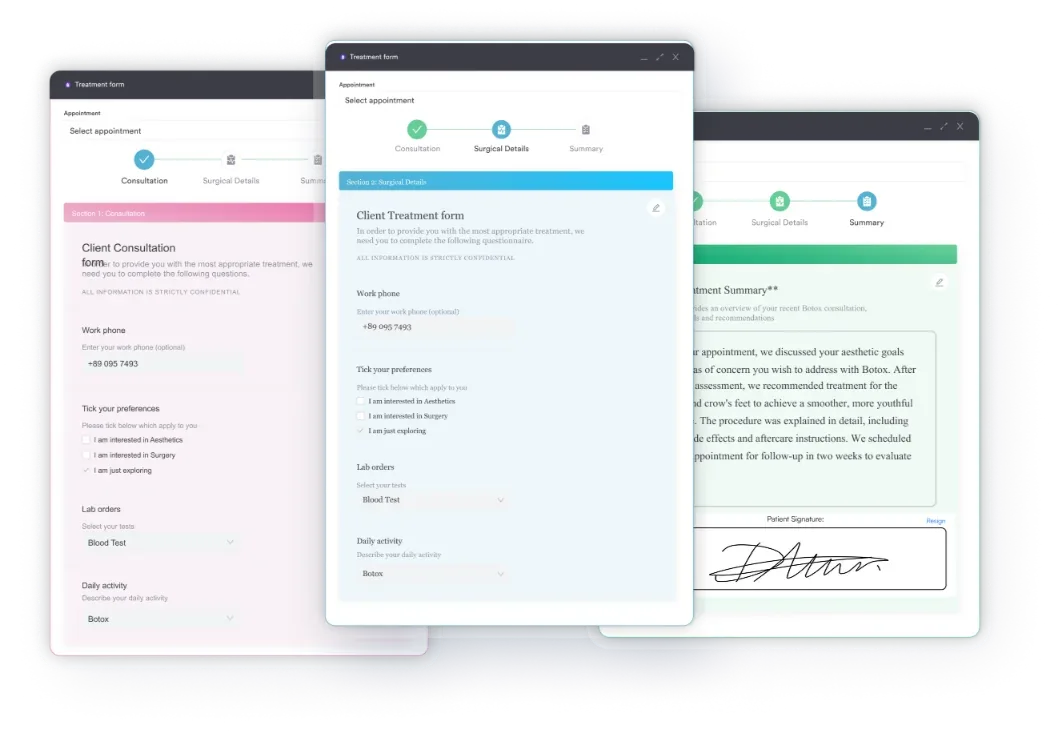
Using digital intake forms with structured fields for injection site, dose, and route removes the reliance on free-text notes, which are harder to audit and easier to leave incomplete. Structured data also exports cleanly for claim submission and pre-authorization requests.
Attach the NDC number from the administered vial to every J0702 claim line. Some MACs and commercial payers require NDC submission on drug claims. Missing NDC is a soft denial trigger that adds days to your revenue cycle without any clinical justification.
Coders frequently encounter adjacent codes when working with betamethasone and other corticosteroid injections. The table below helps distinguish J0702 from the codes most often confused with it, and from the CPT administration codes that should accompany it on claims.
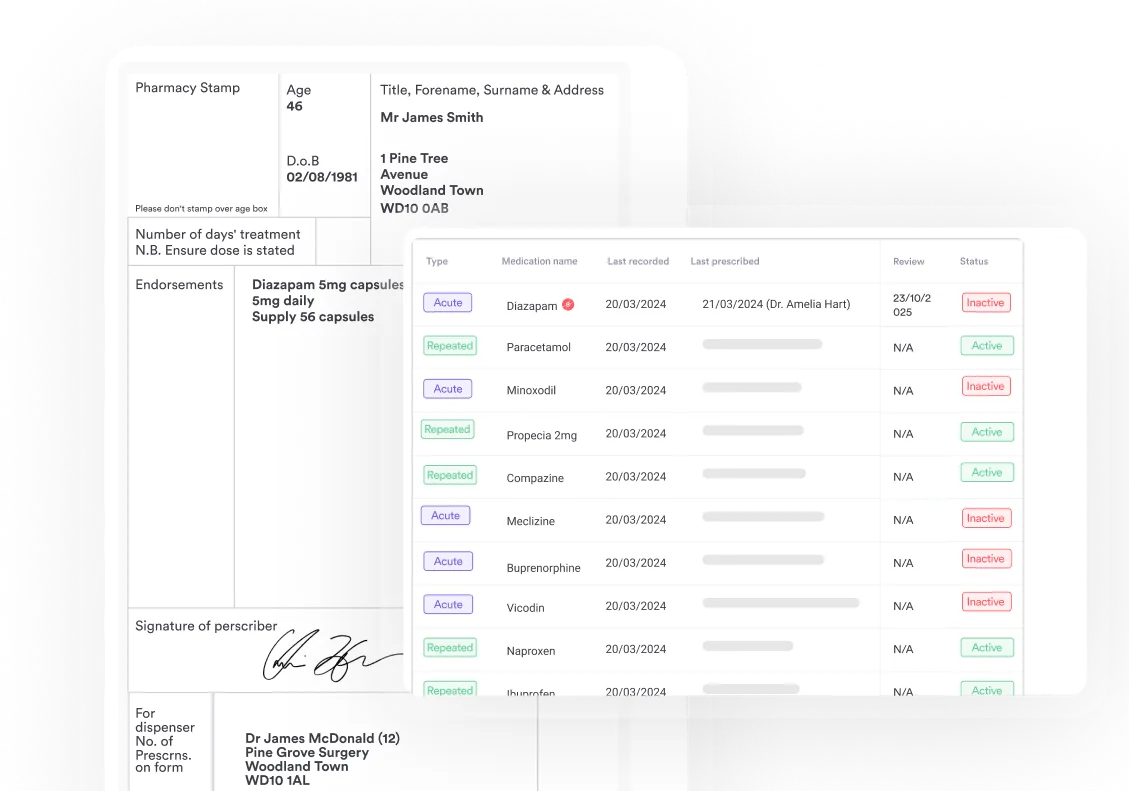
The administration CPT code (20600, 20605, 20610, or 96372 for intramuscular) is billed separately from J0702, since J0702 covers the drug only. Practices that use prescription and drug management workflows that track administered drug codes alongside procedure codes avoid the common error of submitting J0702 without the accompanying CPT administration code.
Refer to the AAPC HCPCS code reference for the full J-code range when researching related corticosteroid codes.
J0702 carries a higher-than-average denial rate among corticosteroid J-codes, largely because its combination-product status creates unit calculation confusion. These are the errors billing staff encounter most often, and the practical fixes for each.
Practices that review compliance protocols for drug administration billing regularly catch these patterns before they become recoupment events. A pre-submission audit of J-code claims, even weekly, eliminates most of the errors above before they reach the payer.
Practices billing corticosteroid injections face a documentation challenge: the clinical and billing data live in separate workflows. The clinician documents the injection in a note; the biller translates that note into a J-code claim. Every handoff between those two steps is a potential error point.
Pabau connects clinical documentation directly to charge capture. When a provider records an injection in the patient’s client record, the administered drug, dose, route, and site are captured in structured fields. Those fields feed directly into the billing workflow, removing the manual transcription step that introduces most J-code errors.
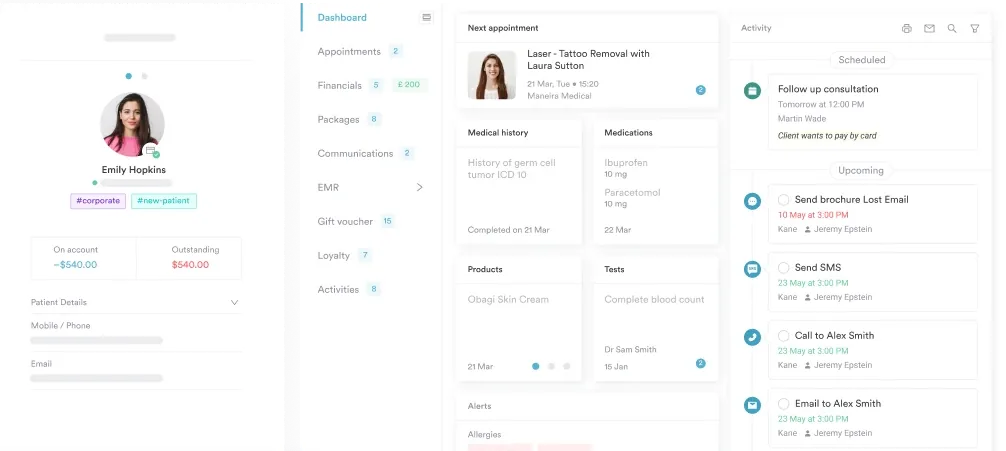
For practices managing multiple injection types across specialties. The same encounter that generates a J0702 claim also produces the clinical note that supports it.
Use the PGM Billing lookup tool to verify current HCPCS code descriptors when setting up drug administration charge codes in any billing system.
J0702 denials almost always trace back to two root causes: incorrect unit calculation on a combination-product code, and a missing or non-specific ICD-10 diagnosis. Both are preventable with structured documentation workflows.
Pabau’s claims management software captures J0702 billing data in structured fields at the point of care, attaches the required ICD-10 codes, and moves claims through a completeness check before submission. To see how the workflow handles corticosteroid injection billing in practice, book a demo with the team.

Coding a corticosteroid injection for autoimmune vasculitis? M30.2 covers the ICD-10 diagnosis code for juvenile polyarteritis.
Treating a patient with systemic lupus erythematosus? M32.8 has the coding guide for other forms of the condition.
Managing progressive systemic sclerosis alongside injection therapy? M34.0 covers the full ICD-10 coding breakdown.
HCPCS Code J0702 is the Level II HCPCS code for injection of betamethasone acetate 3 mg and betamethasone sodium phosphate 3 mg. It covers the combination corticosteroid product sold under the brand name Celestone Soluspan, used for intra-articular, intralesional, and intramuscular administration in inflammatory and autoimmune conditions.
One billing unit equals the full labeled dose of the combination product: betamethasone acetate 3 mg plus betamethasone sodium phosphate 3 mg. If two separate injection sites each receive a full dose, bill 2 units and document both sites. Never split the acetate and phosphate into separate line items.
Yes. Medicare Part B covers J0702 under the buy-and-bill model when administered in an eligible outpatient setting. Reimbursement is based on Average Sales Price (ASP) plus 6%, updated quarterly by CMS. Standard Part B cost-sharing applies, and MAC-specific LCDs may restrict covered diagnoses.
Commonly paired ICD-10 codes include M06.9 (rheumatoid arthritis), M19.90 (osteoarthritis), M71.50 (bursitis), L91.0 (keloid), and L63.9 (alopecia areata). Always use the most specific code available, including laterality and site, and verify covered diagnoses against your MAC’s applicable Local Coverage Determination.
The most common errors are: splitting the combination product into two separate line items (unbundling), submitting without a paired ICD-10 diagnosis code, omitting the NDC number, and billing J0702 without the accompanying CPT administration code (such as 20610 for a major joint injection). Each of these triggers automatic edits or medical necessity denials.
Celestone Soluspan is the brand name for the betamethasone acetate and betamethasone sodium phosphate combination injectable suspension. J0702 is the HCPCS Level II billing code assigned to this specific combination product. Billing a single-component betamethasone code when Celestone Soluspan was administered is a code substitution error.



