CPT code 93503: Swan-Ganz catheter billing and modifiers
CPT code 93503: Official descriptor and procedure overview In the AMA CPT code s...

Last Updated: Oct 23, 2026

CPT code 00220 describes anesthesia for intracranial procedures involving cerebrospinal fluid (CSF) shunting, such as ventriculoperitoneal (VP) shunt placement, revision, or removal for hydrocephalus
The code carries 10 base units per the ASA Relative Value Guide; reimbursement is calculated as (Base Units + Time Units) x Conversion Factor
Modifier selection is critical: AA applies when the anesthesiologist personally performs the service; QZ covers unsupervised CRNA billing
Pabau, practice management software with claims management built in, helps anesthesia practices track time units, select modifiers, and prepare clean claims before submission
CPT code 00220 is the anesthesia code for intracranial procedures involving cerebrospinal fluid (CSF) shunting, most commonly ventriculoperitoneal (VP) shunt placement, revision, or removal for hydrocephalus. This guide covers what you need to file a clean claim: base units, the reimbursement formula, applicable modifiers, valid ICD-10 pairings, and the documentation your anesthesia record must contain.
The AMA’s CPT code set assigns 00220 to the head anesthesia range (00100-00222), which covers anesthesia for procedures on intracranial structures. The code’s official long description, confirmed via the NIH Value Set Authority Center, is “anesthesia for intracranial procedures; cerebrospinal fluid shunting procedures” — that is, anesthesia for placement, revision, or removal of a ventricular shunt system used to treat hydrocephalus, most commonly a ventriculoperitoneal (VP) shunt.
CPT code 00220 covers anesthesia for intracranial procedures involving cerebrospinal fluid (CSF) shunting. Most cases are ventriculoperitoneal (VP) shunt placement, revision, or removal for hydrocephalus. Ventriculoatrial (VA) and ventriculopleural shunt procedures are less common. This matters for coding because shunt cases range from brief revisions to complex de novo placements, and the underlying diagnosis (obstructive vs. communicating hydrocephalus, congenital vs. acquired) drives both medical necessity and ICD-10 pairing.
The code is distinct from adjacent intracranial anesthesia codes because it explicitly captures CSF shunting rather than craniotomy, burr-hole, vascular, or sitting-position procedures, which carry different base-unit values and risk profiles. Confirm the procedure matches the long description — shunt placement, revision, or removal — before billing.
CPT code 00220 carries 10 base units as established in the ASA Relative Value Guide (confirmed in the CMS/VA nationwide anesthesia base-unit tables). Base units reflect the inherent complexity, risk, and skill associated with providing anesthesia for a given procedure class. Within the intracranial series (00210-00222), CSF shunting sits in the middle of the range: less complex than open vascular procedures (00216, 15 units) or a sitting-position craniotomy (00218, 13 units), but more complex than electrocoagulation of an intracranial nerve (00222, 6 units).
Reimbursement for all anesthesia codes, including 00220, uses a standard CMS formula:
For a 90-minute procedure (6 time units at 1 unit per 15 minutes), total units would be 16 (10 base + 6 time). Multiply by the applicable MAC conversion factor to get the locality-specific reimbursement amount. Verify the 2026 conversion factor for your MAC region via the CMS Physician Fee Schedule lookup.
Medicare reimbursement for CPT code 00220 varies by MAC locality. CMS updates conversion factors annually, so cite the current year when referencing any dollar amount. General patterns hold across localities: facility rates differ from non-facility rates, and some MACs apply specific anesthesia billing policies that override national defaults.
Standard work, practice expense, and malpractice RVU lookup tools do not apply to CPT code 00220 or any other anesthesia code (00100-01999). Anesthesia is priced with base units plus time units, multiplied by the CMS anesthesia conversion factor, not the standard physician fee schedule RVU formula. Check the CMS Anesthesiologists Center for the current Anesthesia Conversion Factors addendum by locality, and use the ASA Relative Value Guide to confirm base units. For MAC-specific anesthesia policies, always cross-reference your regional Medicare Administrative Contractor’s LCD (Local Coverage Determination) before finalizing a claim.
Two rate categories apply: facility and non-facility. For intracranial procedures, cases are virtually always performed in a facility (hospital or ambulatory surgical center), so facility rates govern almost all 00220 claims. Non-facility rates are listed for completeness but rarely applicable here.
Modifier selection is where most intracranial anesthesia claims go wrong. The wrong modifier, or a missing one, triggers an immediate denial. Each modifier signals who provided the service and under what supervisory arrangement, and the same modifier logic used for shunt cases like 00220 also applies to other anesthesia codes.
The distinction between AA and QK matters significantly for reimbursement. Under medical direction (QK/QX), Medicare pays 50% of the AA rate to the directing physician and 50% to the CRNA. Under personal performance (AA), the physician bills at 100%.
Confirm which arrangement applies to the specific case before the claim is filed. Tracking these arrangements for complex neurosurgery cases benefits from consistent compliance workflows across your anesthesia team.
Document the specific supervisory arrangement in the anesthesia record before the case ends. Retroactively determining whether QK or AA applies after discharge creates audit risk and commonly triggers claim reviews.
Every CPT code 00220 claim requires an ICD-10 diagnosis code that establishes medical necessity for the CSF shunting procedure. Most commonly, this is an underlying hydrocephalus diagnosis (G91.-) for a new shunt placement, or a shunt-related complication code when the procedure is a revision or removal. The diagnosis must reflect the condition requiring the shunt, not simply the anesthesia itself.
Always use the most specific ICD-10 code available, and code the underlying hydrocephalus (G91.- or Q03.-) alongside the shunt-status code Z98.2 (presence of cerebrospinal fluid drainage device) when active hydrocephalus is documented. Pairing CPT code 00220 with an overly broad or nonspecific diagnosis raises the claim’s denial risk. The diagnosis code must be documented in the pre-operative evaluation and supported by the procedural report.
Clean claims for CPT code 00220 require attention to several distinct compliance steps. Missing any one of them commonly results in denial or reduced payment. Use this sequence as a pre-submission checklist.
Systematizing these steps reduces the per-claim error rate substantially. Tracking practice management software features that automate modifier logic and time-unit calculation can reduce this workload significantly across a busy anesthesia group.
The anesthesia record is the primary audit defense for any 00220 claim. Incomplete documentation is the fastest path to a clawback. Every element below must appear in the record to support the claim.
Maintaining digital anesthesia forms within a structured system reduces the risk of missing mandatory fields. Pair this with HIPAA-compliant recordkeeping practices to ensure documentation is both clinically complete and legally defensible.
An electronic anesthesia record that timestamps entries automatically provides stronger audit protection than handwritten logs. Protect anesthesia records with robust patient data security measures from point of creation through the required retention period.
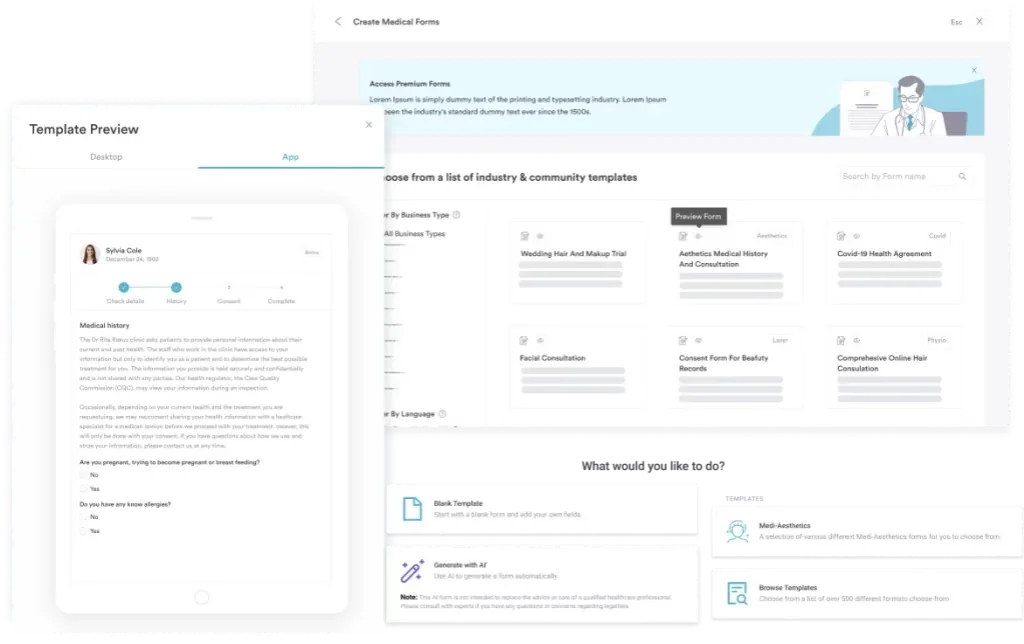
Documentation requirements vary by payer. Medicare’s requirements (CMS Claims Processing Manual, Chapter 12) are the baseline; commercial payers may have additional or differing standards. Check each payer’s policy separately when billing non-Medicare patients. Consider using structured medical forms designed for anesthesia workflows to ensure all required fields are captured consistently.
Document whether the case is a new shunt placement, a revision, or a removal, and note the underlying etiology (post-hemorrhagic, post-traumatic, congenital, or idiopathic normal-pressure hydrocephalus). Auditors reviewing CSF shunting claims specifically check that the operative note and diagnosis support the billed procedure type.
Most denials for anesthesia billing errors are preventable. The same patterns appear repeatedly in anesthesia billing audits, whether the underlying code is 00220, CPT code 00938.
Selecting the right code within the head anesthesia range requires understanding what distinguishes each option. Reference our procedure codes hub for a broader context of how CPT codes are structured across anesthesia categories.
The 00220/00218 pairing is the one most likely to cause confusion: both describe intracranial anesthesia, but 00220 is specific to CSF shunting while 00218 applies whenever the patient is positioned sitting, regardless of the underlying procedure. If a shunt procedure happens to be performed with the patient sitting, confirm with current CPT guidance and payer policy which single code most accurately reflects the primary procedure billed — anesthesia codes in this series are not intended to be stacked.
Anesthesiologists should also distinguish 00220 from 00211 (craniotomy for hematoma evacuation) and 00222 (electrocoagulation of an intracranial nerve), neither of which involves CSF shunting.
Anesthesia billing involves more variables per claim than most procedure types. Modifier logic, time-unit calculations, qualifying circumstances, and ICD-10 pairing all need to be correct simultaneously for the claim to pass first-time. Pabau’s claims management software centralizes the documentation workflow that precedes each claim.
That same workflow supports surgical and anesthesia practices broadly.
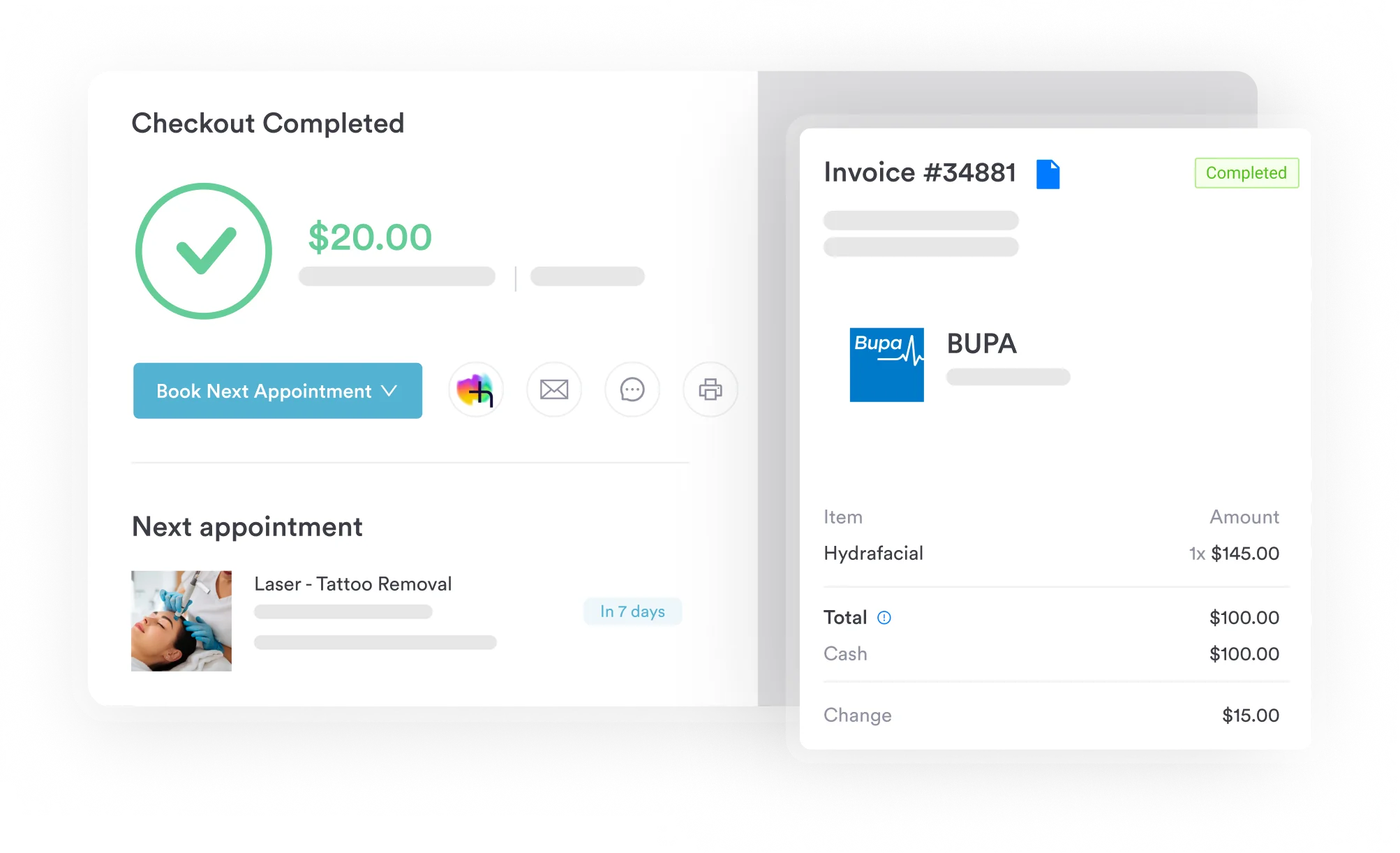
Practices using Pabau can build structured pre-anesthesia evaluation forms that capture the ASA classification, procedure type, and planned anesthesia approach before the case begins. Those fields feed directly into the billing record, reducing the manual re-entry that introduces transcription errors. Time-stamp automation for anesthesia start and end documentation eliminates one of the most common time-unit discrepancies seen in claims for codes like 00220. For surgical and anesthesia groups looking to tighten their revenue cycle, Pabau also keeps procedure records and supporting documentation in a single patient chart, so every document needed to support a CPT code 00220 claim is in one place at audit time. A clearinghouse submission report arrives before the payer remittance, and it is the first place a format problem shows. Where a code carries an evaluation and management component, documented complexity sets the level billed.

Pabau helps surgical and anesthesia practices streamline documentation, track modifier selections, and prepare clean claims for complex codes like CPT 00220. See how it works in a live demo.

Intracranial anesthesia billing is unforgiving of small errors. A missing modifier or an imprecise ICD-10 pairing on a CPT code 00220 claim means denial, delay, or audit exposure. The fundamentals are consistent: 10 base units for cerebrospinal fluid (CSF) shunting procedures, the standard (Base Units + Time Units) x Conversion Factor formula, the correct provider-role modifier from the AA/QK/QX/QZ set, and a pre-anesthesia evaluation that documents everything payers will ask for.
Practices that build these steps into a systematic workflow see materially fewer denials on complex anesthesia claims, from pre-operative documentation through claim submission. To see how Pabau handles anesthesia billing workflows in practice, book a demo with the team.

Billing anesthesia for a different procedure? Our guide to CPT code 00534 covers base units, modifiers, and documentation for a related anesthesia code.
Need the same breakdown for an upper-extremity case? CPT code 01712 covers base units, modifiers, and ICD-10 pairings for a related anesthesia code.
Looking for the lower-extremity equivalent? CPT code 01260 covers base units, the reimbursement formula, and documentation requirements for a related anesthesia code.
CPT code 00220 is an anesthesia procedure code describing anesthesia for intracranial procedures involving cerebrospinal fluid (CSF) shunting — the placement, revision, or removal of a shunt system (most commonly a ventriculoperitoneal, or VP, shunt) used to treat hydrocephalus. It carries a base unit value of 10 per the ASA Relative Value Guide.
CPT code 00220 has 10 base units. This places it in the middle of the intracranial anesthesia series (00210-00222), which ranges from 6 units for 00222 (electrocoagulation of an intracranial nerve) up to 15 units for 00216 (intracranial vascular procedures).
The applicable modifiers are AA (anesthesiologist personally performing), QK (medical direction of two to four concurrent cases), QX (CRNA with physician direction), QZ (CRNA without physician direction), QS (monitored anesthesia care), G8, and G9. Select the modifier that accurately reflects the provider’s role and supervisory arrangement for that specific case.
No. CPT 00220 and CPT 00218 are separate, non-overlapping codes in the intracranial anesthesia series. CPT 00220 specifically describes cerebrospinal fluid (CSF) shunting procedures and carries 10 base units, while CPT 00218 describes any intracranial procedure performed with the patient in the sitting position and carries 13 base units. A CSF shunting procedure is billed as 00220 unless the operative positioning and payer-specific guidance direct otherwise.
Required documentation includes a pre-anesthesia evaluation completed before the procedure, intraoperative anesthesia start and end times recorded to the minute, continuous monitoring notes, all agents and dosages administered, a post-anesthesia evaluation, and a supervising physician attestation for QK/QX cases documenting the seven CMS medical direction criteria.