



CCSD code G5100: Bypass of duodenum billing guide
CCSD code G5100 bills a bypass that leaves the duodenum in place CCSD code G5100...

Last Updated: Oct 16, 2026

CCSD code 5471B is a UK private healthcare procedure code governed by the Clinical Coding and Schedule Development (CCSD) Group and used by major insurers including Bupa, AXA Health, Aviva, and Vitality.
The code must be loaded into your practice management system’s procedure code table and submitted with the correct narrative to avoid claim rejection.
Reimbursement rates for CCSD code 5471B vary by insurer and are updated periodically; always check the current fee schedule before invoicing.
Pabau’s claims management software supports CCSD code submission workflows, helping UK private practices reduce denials and reconcile insurer payments accurately.
Many UK private healthcare invoices are rejected not because a procedure was undocumented, but because the CCSD code on the claim was wrong, missing, or not recognised by that insurer’s current fee schedule. CCSD code 5471B is one of the codes where that gap appears most often, particularly among practices new to private billing or transitioning from NHS coding systems.
This reference guide covers what CCSD code 5471B is, which UK insurers accept it, how to submit it correctly, and where billing errors typically occur. If you’re managing the move from NHS to private practice, getting your CCSD codes right from the outset protects revenue and avoids the claim correction backlog that delays payment by weeks.
CCSD code 5471B sits within the CCSD Schedule of Procedures, the standard coding framework maintained by the Clinical Coding and Schedule Development (CCSD) Group for the UK private healthcare sector. The CCSD schedule divides procedures into numbered chapters; CCSD code 5471B belongs to a specific chapter within the procedural schedule, though the full narrative and chapter assignment should be verified directly against the CCSD schedule, which requires registration to access in full. An itemized superbill keeps the required fields in one place: dates, codes, charges and provider identifiers.
The code follows the standard CCSD alphanumeric structure: a numeric base (5471) with a letter suffix (B). The suffix typically distinguishes a variant, complexity level, or bilateral presentation within the same procedure family. CCSD codes in this numeric range generally cover surgical or interventional procedures rather than diagnostic or investigative services.
A key principle from the CCSD Technical Guide (October 2025 edition) is that the narrative must match the clinical activity exactly. Using a base code without the correct suffix, or applying a similar code from the same family incorrectly, is a common source of claim rejection. CCSD code 5471B should be distinguished from adjacent codes in the 5471 range (for example, 5471A or 5471C, if they exist), each of which may carry a different procedure narrative and reimbursement rate.
For practices managing compliance documentation alongside billing. The procedure performed must be documented in the patient record in sufficient detail to justify the CCSD code used on the invoice.
According to the CCSD FAQs, CCSD Schedule codes are those you load into your procedure code table within your practice management or billing system. CCSD code 5471B is no different. Before you can bill it, it must exist in your system with the correct code, narrative, and fee attached.
Practices using claims management software should verify that CCSD code 5471B is listed under the correct procedure category and that the attached fee matches the current insurer fee schedule, not a historic rate from a previous year. Outdated fees are a silent revenue leak: the claim processes, but the reimbursement falls short of the procedure’s current rate.
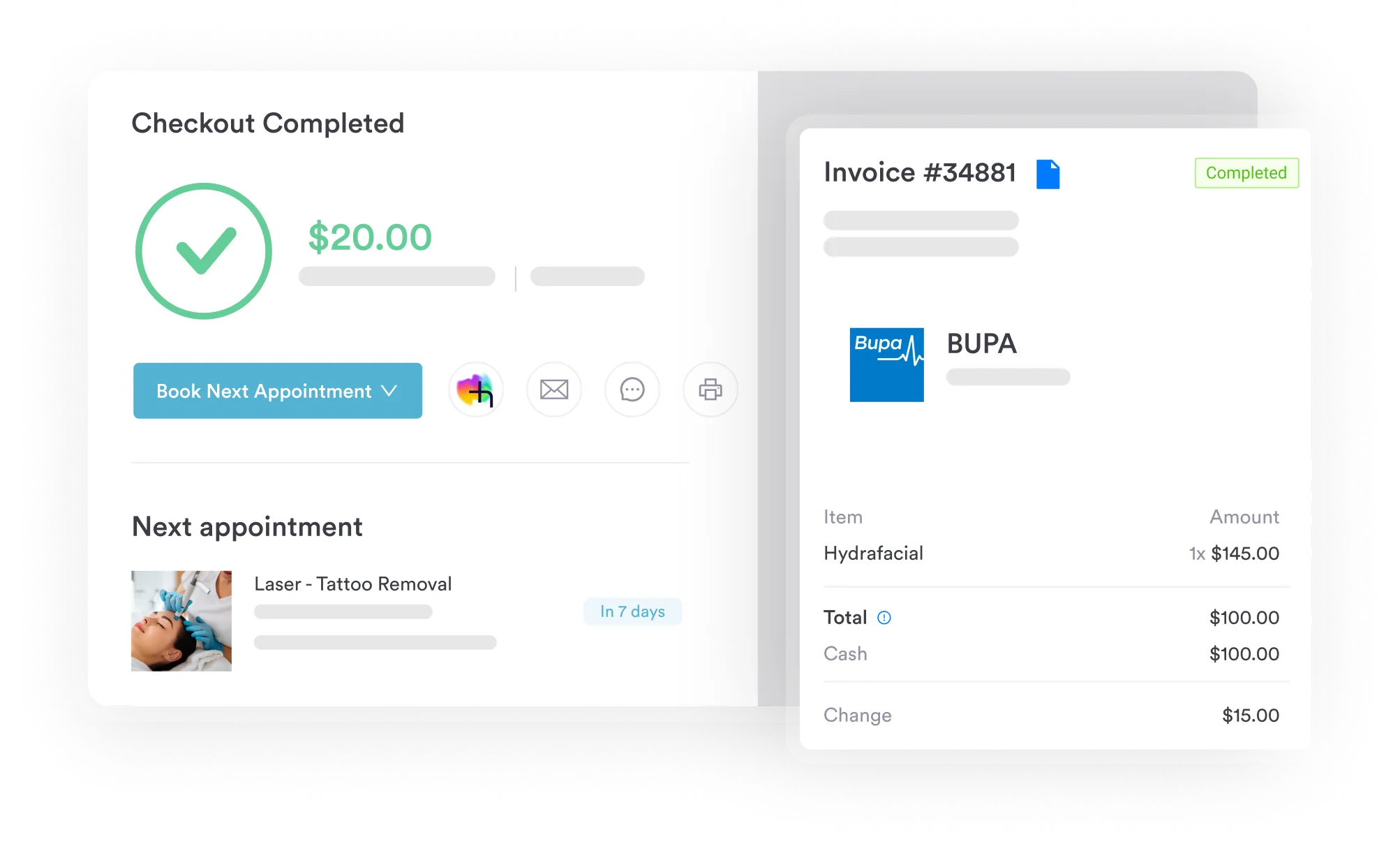
The major UK private health insurers all operate fee schedules built on CCSD codes, but acceptance of any individual code depends on whether that code appears in the insurer’s current published schedule. The table below summarises the key insurers and their CCSD billing portals relevant to CCSD code 5471B.
Pre-authorisation requirements differ by insurer and by the clinical scenario. For CCSD code 5471B, check with each insurer before the procedure date whether prior approval is needed. Submitting a claim without required pre-authorisation is one of the most common reasons for outright rejection, even when the code itself is valid.
Practices billing across multiple insurers benefit from a streamlined billing workflow that separates pre-authorisation tracking from invoice submission. Mixing these steps is where delays accumulate.
Claim submission for CCSD code 5471B follows the standard UK private healthcare invoicing process, but a few steps specific to this code type are worth highlighting.
Practices managing private billing alongside NHS commitments will find the distinction between private and NHS billing workflows important here. CCSD codes apply exclusively to private billing; NHS activity uses different coding systems entirely.
Audit your CCSD procedure code table quarterly. Insurers update their fee schedules and accepted code lists annually, and new CCSD bulletins can add, amend, or retire codes mid-year. A quarterly review catches mismatches before they result in rejected claims.
Accurate CCSD codes are only half the job — day-to-day practice management decides how quickly insurers pay.
Claim denials involving CCSD code 5471B typically fall into a small number of patterns. Recognising them early reduces the volume of resubmissions and protects cash flow.
The B suffix in CCSD code 5471B is not interchangeable with adjacent codes in the same family. If the procedure performed corresponds to 5471A or another variant, billing 5471B results in a narrative mismatch. The insurer’s system expects the code’s official narrative to match the clinical activity documented; anything else triggers a query or rejection.
CCSD coding principles include rules about which codes can be billed together and which are considered bundled into a primary procedure. Billing CCSD code 5471B alongside another code that the insurer treats as included in 5471B will result in the secondary code being denied. Healix, for example, publishes specific unbundling guidelines within its fee schedule. Review the relevant insurer’s bundling rules before submitting multiple codes in a single episode of care.
Insurers publish updated fee schedules, typically annually. If your procedure code table still carries a fee from a prior year’s schedule, the payment received will not match your invoice. This does not cause a rejection, but it does create a reconciliation discrepancy that takes time to resolve. Update fee tables each time an insurer publishes a new schedule.
Pre-authorisation requirements vary by insurer and by the clinical circumstances. For procedures in the 5471 range, some insurers require pre-authorisation as a default, others only in specific clinical contexts. A claim submitted without a valid authorisation reference will typically be rejected outright rather than queried. Log authorisation references in the patient record and attach them to the invoice at submission.
Good documentation practices reduce denial rates significantly. The data handling obligations under UK GDPR also intersect with billing records: patient invoices, authorisation references, and clinical notes supporting a claim all constitute personal data and must be stored and accessed in compliance with UK GDPR requirements.

Pabau helps UK private practices load CCSD codes, track pre-authorisations, and submit claims electronically. See how it works with your insurer mix.

Reimbursement rates for CCSD code 5471B are set by each insurer independently and are not standardised across the market. There is no single published rate that applies to all UK private insurers. Rates are updated at least annually and sometimes mid-year via insurer bulletins.
When building your fee schedule internally, record the insurer name, effective date, and rate source alongside each CCSD code. For practices with multiple insurer contracts, this prevents the common error of applying the wrong insurer’s rate to an invoice.
Practices moving towards paperless billing will find that digital clinical documentation linked to the billing workflow reduces the gap between what is recorded and what is invoiced. When a clinical note is captured at the point of care, the procedure code attached to that note can flow directly into the invoice rather than being re-entered manually.
Check reimbursement rates directly with each insurer before raising an invoice for CCSD code 5471B. Rates are not standardised across the UK private insurance market, and applying one insurer’s rate to another insurer’s claim will result in a reconciliation discrepancy. Store the effective date alongside each rate so you know when an update is due.
CCSD code 5471B does not exist in isolation. Understanding the codes adjacent to it in the CCSD schedule helps with accurate code selection and reduces the risk of billing the wrong variant.
Codes within the 5471 family share a common procedure base but are differentiated by suffix. The correct suffix depends on the specific procedure performed, its complexity, or whether it was performed bilaterally. Where multiple codes exist within the same family, the CCSD coding principles (published by CCSD and available to registered users) set out how to select the correct one. Applying a suffix based on assumed complexity rather than the official narrative is a coding error.
The CCSD schedule is divided into numbered chapters, each covering a clinical specialty or procedure type. The Technical Guide (October 2025 edition) sets out the business rules that govern how codes within each chapter are applied, including rules about concurrent coding, anaesthetic coding, and the relationship between surgical and non-surgical codes.
For CCSD code 5471B, the relevant chapter’s coding principles should be reviewed before billing. The Independent Healthcare Providers Network (IHPN) also provides guidance for providers navigating private billing frameworks, particularly for practices new to insurer contracting.
Many insurers now require a diagnostic code to accompany a procedure code on the invoice. The CCSD diagnostic schedule operates alongside the procedural schedule and is issued by the same group. Unlike the procedural codes, diagnostic codes are not loaded into procedure tables; they are submitted as supporting information on the claim. Ensure that the diagnostic code accompanying CCSD code 5471B reflects the confirmed clinical diagnosis, not a working diagnosis.
Private practice billing sits within a broader compliance framework. Providers registered with the CQC have additional documentation requirements that intersect with billing accuracy. A CQC inspection checklist can help practices ensure that clinical records, consent documentation, and billing records are all aligned before an inspection.
For practices managing multiple procedure types within UK skin and aesthetic clinics.
Billing errors on CCSD code 5471B rarely stem from clinical documentation gaps. They come from outdated fee tables, missing pre-authorisation references, wrong suffix selection, and bundling rule oversights. Each of these is preventable with a structured billing process.
Pabau’s claims management software gives UK private practices the tools to load CCSD codes correctly, track pre-authorisations per patient, and submit claims electronically with the documentation attached. If CCSD billing is a recurring source of denials or reconciliation discrepancies in your practice, book a demo to see how Pabau handles the full private billing workflow.

Checking whether a code has been deleted? deleted colorectal screening code guide once covered colorectal screening by barium enema and now denies immediately, since CMS deleted it.
Billing a non-high-risk colonoscopy instead? screening colonoscopy billing guide covers a complete screening colonoscopy for beneficiaries who do not meet high-risk criteria.
Billing a cervical screening claim instead? cervical cytology screening billing guide covers the liquid-based Pap test and the three reasons its claims most often get denied.
A UK private healthcare procedure code from the CCSD Schedule of Procedures. The B suffix identifies a specific variant within the 5471 family, distinguishing it by procedure type or complexity.
They’re how UK private insurers identify and pay for procedures. An incorrect or missing code means your claim will be rejected or returned.
Bupa, AXA Health, Aviva, Vitality, Allianz Care, WPA, Cigna, and Healix all use CCSD codes, though accepted codes and rates vary by insurer.
Through Healthcode or your insurer’s provider portal. Make sure 5471B is correctly loaded in your procedure table and any required documentation is attached before submitting.
The claim will likely be rejected, queried, or underpaid. You’ll need to resubmit with supporting clinical notes, which typically delays payment by several weeks.



