CCSD Code L1880: Repair of leaking aneurysm of arch of aorta
CCSD Code L1880: Definition and clinical description CCSD Code L1880 is the Clin...

Last Updated: Oct 23, 2026

CCSD code 0455O covers the herpes simplex virus (HSV) type 1 and 2 DNA nucleic acid amplification test (NAAT), a laboratory diagnostic test rather than a surgical procedure.
Reimbursement for CCSD code 0455O is set independently by each insurer (Bupa, AXA Health, Aviva, Allianz Care, Vitality), not by the CCSD Group itself.
Insurers expect clear documentation of the clinical indication, specimen details, and the laboratory report before they will pay a claim submitted under CCSD code 0455O.
Practice management software like Pabau helps UK private practices structure CCSD-coded invoices, track pre-authorization status, and cut down on coding errors before a claim goes out.
CCSD code 0455O is the billing code UK private insurers use for the herpes simplex virus (HSV) type 1 and 2 DNA nucleic acid amplification test (NAAT). It sits within the Clinical Coding and Schedule Development (CCSD) Schedule, the coding framework every major private insurer in the UK uses to price and process claims.
This guide covers what CCSD code 0455O is, which insurers accept it, what documentation you need to submit, how to avoid common billing errors, and how Pabau can help your practice bill this test accurately.
CCSD code 0455O identifies the herpes simplex virus (HSV) type 1 and 2 DNA nucleic acid amplification test (NAAT) in the CCSD Schedule. It is a laboratory diagnostic test, not a surgical procedure. A clinician collects a specimen, a laboratory analyzes it, and the result confirms or rules out HSV-1 or HSV-2 infection.
Because the complete CCSD schedule is commercially sensitive and login-gated, practices should confirm the exact narrative for CCSD code 0455O through the CCSD schedule access portal or an insurer’s own code search tool, such as Bupa’s code search. The description here reflects the test’s clinical context based on published insurer fee schedules and CCSD technical documentation.
The CCSD Technical Guide (October 2025) sets out the coding conventions and business rules that govern how codes like 0455O should be applied, including which additional codes, if any, can legitimately be billed alongside it. Check this guide, or the relevant insurer’s fee schedule, before relying on a secondhand description of any CCSD code.
GPs, sexual health (GUM) clinicians, dermatologists, and gynecologists most commonly order the HSV DNA NAAT test, usually to investigate symptomatic lesions or confirm a suspected herpes diagnosis as part of a wider sexual health assessment. Related infections.
The ordering clinician collects the specimen, and a laboratory performs the NAAT analysis and reports the result back for the clinical record. Many insurers require pre-authorization before the test is ordered under a private policy, and skipping that step is a common cause of denial. For background on UK private billing more broadly.
The CCSD Group does not set fees. Each insurer publishes its own schedule of benefits, and the reimbursement level for CCSD code 0455O depends on which insurer the patient holds a policy with, and any insurer-specific unbundling rules that apply.
The table below summarizes how the major UK insurers structure their CCSD-coded fee schedules for diagnostic and pathology tests. Pre-authorization requirements vary by insurer and by the patient’s specific plan, so always check the current terms rather than assuming a blanket rule.
Practices billing across multiple insurers should keep an up-to-date record of each insurer’s current fee schedule for codes like 0455O. Fees change at annual schedule reviews, and billing at an outdated rate creates reconciliation issues that slow payment. Pabau’s claims management software helps practices track insurer-specific billing rules and flag discrepancies before submission.
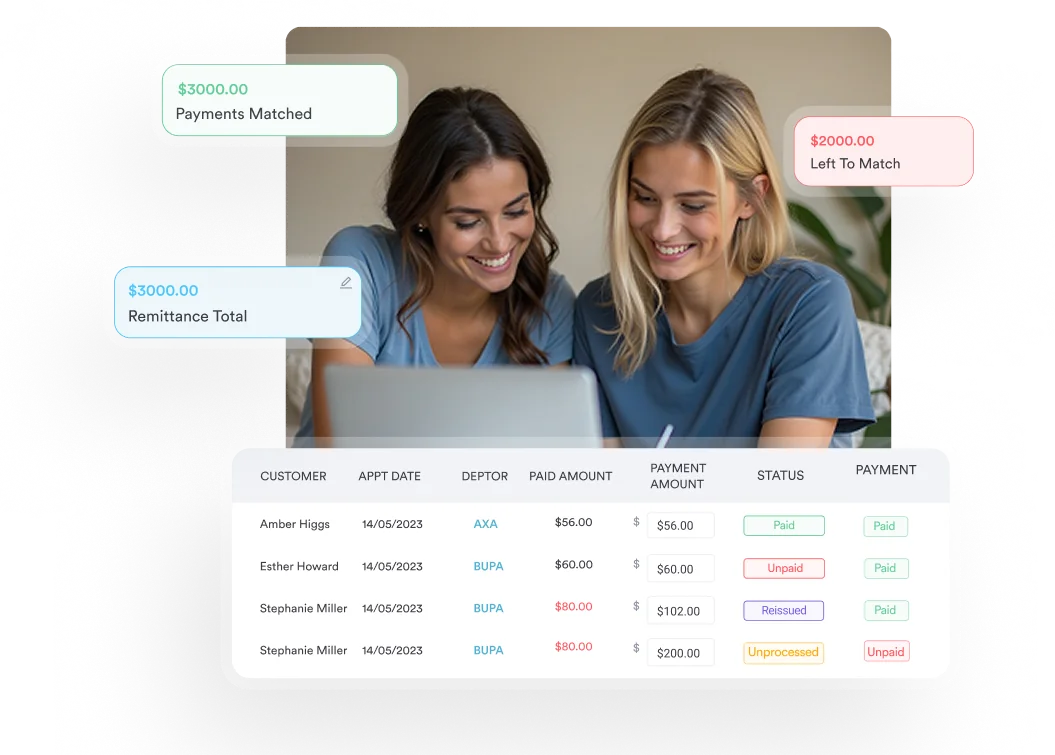
Insufficient documentation is the most common reason CCSD-coded claims get disputed or denied. For CCSD code 0455O, insurers typically expect the following to be in place before a claim is processed.
Some insurers ask for the full laboratory report rather than a summary result before settling the claim. Check each insurer’s specific requirements before submission. Practices transitioning from NHS to private billing will find the transition easier with guidance on moving from NHS to private practice, which covers documentation workflows in more detail.
Patient records created and stored in connection with CCSD-coded tests are subject to the UK General Data Protection Regulation (UK GDPR) and the Data Protection Act 2018. The Information Commissioner’s Office (ICO) requires that clinical records are retained securely, accessed only by authorized personnel, and held for no longer than the retention period defined by NHS or clinical guidelines (typically a minimum of eight years for adult patient records).
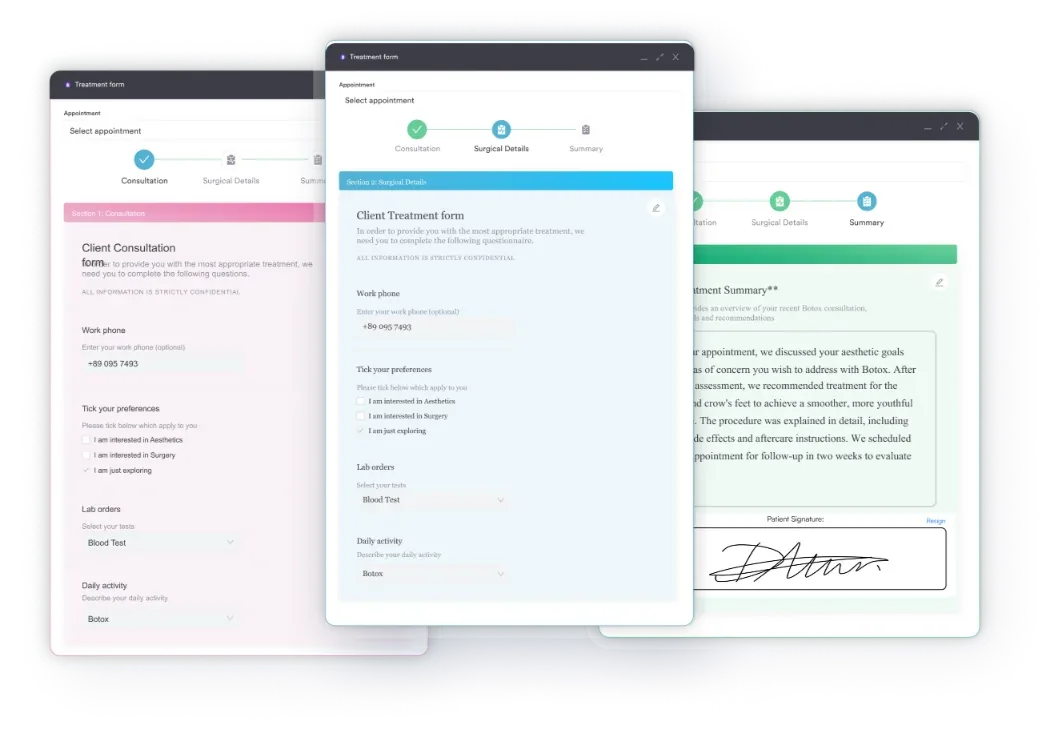
Private practices billing under CCSD code 0455O should have a documented data retention and destruction policy. Pabau’s digital forms capture patient consent and clinical history in a structured, audit-ready format. For a practical compliance checklist.
Request pre-authorization in writing and save the insurer’s confirmation with the patient’s record before the test date. If the insurer later disputes the claim, a timestamped pre-authorization reference is the fastest way to resolve it without a formal appeals process.
Most major UK insurers now accept electronic invoice submission, either through their own provider portals or through practice management systems with direct insurer integration. Submitting claims electronically reduces processing time and creates a verifiable submission trail.
Practices that bill multiple insurers regularly benefit from a centralized claim tracking workflow. Pabau’s claims management tools are designed for exactly this scenario, giving practice managers a single view across outstanding, submitted, and paid claims regardless of which insurer is involved. If your practice is also navigating CQC registration requirements alongside private billing, the guide to the CQC’s regulatory role is worth reviewing alongside your billing workflow.

Pabau helps UK private healthcare practices manage CCSD-coded invoices, track pre-authorization status, and submit claims without the back-and-forth. See how it works for your practice.

Claim denials for CCSD-coded diagnostic tests are frequently caused by a small set of avoidable errors. Spotting these patterns helps practices correct them before submission rather than after a denial.
Unbundling occurs when a test that should be billed as a single CCSD code is split across multiple codes to increase the invoice total. UK insurers actively audit for unbundling. If CCSD code 0455O covers the test itself, elements such as specimen collection or an associated same-day consultation should not be billed separately unless the insurer’s schedule explicitly permits it.
The CCSD Technical Guide provides detailed guidance on coding conventions and the circumstances under which additional codes may legitimately be applied alongside a primary test code.
CCSD codes for laboratory tests are billed as ordered, not adjusted for complexity the way some procedure codes are. Submitting a different test code than what the laboratory actually performed, for example billing 0455O when a broader sexual health panel was run instead of the specific HSV NAAT test, is a common audit trigger. The laboratory report must match the code submitted.
Most insurers require the patient to have been referred by a GP or another appropriate clinician before a test like this is covered. Billing CCSD code 0455O without a supporting referral or request on file is a straightforward denial ground. This is especially relevant for patients who self-refer to a private practice for testing, where the insurer may question whether the test was medically indicated. The guidance on GP referral pathways in UK private healthcare covers the referral process in more detail. Patients paying up front and claiming later need a superbill, which itemizes the service, the code and the charge.
Pre-authorization references have expiry dates. Performing the test after the authorization has expired, even if the original authorization was valid, means the insurer is under no obligation to pay. Always check the expiry date on the authorization confirmation before the test is booked.
Run a billing audit on CCSD-coded diagnostic claims every quarter. Compare the codes submitted against the laboratory reports on file. Discrepancies found internally are far less disruptive than those flagged during an insurer audit.
The CCSD Group publishes coding principles bulletins periodically, updating practitioners on changes to the schedule, new codes, and revisions to existing narratives. These bulletins are issued to registered CCSD users and are commercially sensitive. Practices should make sure they are subscribed to updates through the CCSD membership system.
A DNA NAAT test does not have a bilateral equivalent in the way a surgical procedure might, so bilateral coding rules do not apply to CCSD code 0455O. What comes up more often is repeat testing. A clinician might re-order the same test if an initial result was inconclusive, or if a patient presents with a new symptomatic episode weeks or months later.
Insurers may query a second claim for the same code within a short window, so the referral or request for each test should clearly state why it was ordered again. Other laboratory-based CCSD codes.
If a test or procedure does not have a suitable existing CCSD code, practices can submit a code request to the CCSD Group. Requests are reviewed by the group and, if approved, added to the schedule in a later update bulletin. This process typically takes several months, so practices performing novel or emerging tests should check the schedule regularly for new codes rather than defaulting to an approximate existing code.
Practices managing CQC registration alongside CCSD billing will find the CQC inspection checklist a useful compliance reference. For a broader view of private practice compliance requirements. The Bupa procedure codes and fee schedule guide provides additional context on how CCSD codes map to Bupa’s specific billing requirements.
If your practice bills across other code sets too, the guides to CPT code 00215 and HCPCS code Q4104 walk through the same documentation discipline for anesthesia and wound-care billing. Pabau’s template library also covers structured documentation for non-diagnostic services.
Accurate use of CCSD code 0455O requires more than selecting the right code from the schedule. Pre-authorization, complete specimen and laboratory documentation, and insurer-specific submission requirements all need to be in place before the invoice is raised. Errors at any of these stages create delays, disputes, and write-offs that affect the practice’s cash flow.
Pabau’s insurer claims tracking software is built for UK private healthcare practices billing across multiple insurers. It helps teams structure CCSD-coded invoices correctly, track pre-authorization status, and flag documentation gaps before claims are submitted. To see how Pabau can reduce billing errors in your practice, book a demo.

Billing a bed accessory code instead? bed side rails billing guide covers full-length bed side rails and the signed order they need to be paid.
Coding a pediatric DME claim instead? pediatric hospital bed billing guide covers the pediatric hospital bed under the Level II Durable Medical Equipment category.
Billing a bowel management supply instead? bowel irrigation supply billing guide covers the disposable pack for a bowel irrigation system, billed separately from the control unit.
CCSD code 0455O is the UK private healthcare billing code for the herpes simplex virus (HSV) type 1 and 2 DNA nucleic acid amplification test (NAAT), within the Clinical Coding and Schedule Development (CCSD) Schedule. It is a laboratory diagnostic test rather than a surgical procedure. The full narrative is available to registered CCSD users and through insurer code search tools such as Bupa’s code search portal.
All major UK private health insurers that use CCSD coding, including Bupa, AXA Health, Aviva, Allianz Care, Vitality Health, WPA, and Cigna, base their billing on the CCSD Schedule. Whether CCSD code 0455O is covered under a specific patient’s policy depends on the terms of their plan, the referral pathway, and whether pre-authorization has been granted. Always confirm coverage with the insurer before the test is carried out.
Each insurer sets its own reimbursement rate for CCSD code 0455O. Check the relevant fee schedule directly: Bupa via codes.bupa.co.uk, Vitality via its fee finder tool, and Allianz Care via its published PDF fee schedule. The CCSD Group does not set or publish reimbursement rates, and providers should not assume uniformity across insurers.
Submitting a claim for CCSD code 0455O without a valid pre-authorization reference will typically result in the claim being denied or placed on hold pending review. Most insurers will not retrospectively authorize a test unless there were exceptional clinical circumstances, and even then the outcome is not guaranteed. Getting pre-authorization before the test date is the single most important step to protect payment.
Submit via the relevant insurer’s provider portal or electronic invoicing channel, including CCSD code 0455O, the specimen collection date, ordering clinician details, the pre-authorization reference, and the laboratory report. Insurers including Bupa and AXA Health validate codes at the point of submission, so errors are flagged before the claim enters the review queue. Practices can also use billing software such as Pabau to structure and track CCSD-coded invoices across multiple insurers.