



CCSD code G5100: Bypass of duodenum billing guide
CCSD code G5100 bills a bypass that leaves the duodenum in place CCSD code G5100...

Last Updated: Oct 16, 2026

CCSD Code 0021G is a diagnostic pathology code within the CCSD schedule that identifies the Mdm2 gene amplification test, listed under Chapter 34 — Pathology (Biochemistry, Genetic Analysis).
All major UK private medical insurers, including Bupa, AXA Health, Aviva, and Vitality, require valid CCSD codes on every claim submitted for reimbursement.
Incomplete clinical documentation, missing requesting clinician details, or incorrect code sequencing are the most common reasons claims for this code are rejected.
Pabau’s claims management software helps UK private practices submit CCSD-coded invoices electronically via Healthcode, reducing rejection rates and administrative overhead.
CCSD Code 0021G is a diagnostic pathology code in the Clinical Coding and Schedule Development (CCSD) Group schedule. It identifies the Mdm2 gene amplification test and sits within Chapter 34 of the schedule, under Biochemistry — Genetic Analysis. UK private practices and laboratories bill it through the same CCSD framework used across independent healthcare.
The shift from NHS to UK private practice billing introduces a new set of coding conventions, and CCSD codes sit at the centre of that system. This guide covers what CCSD Code 0021G identifies, which insurers accept it, what documentation a genetic pathology claim needs, and how to avoid the submission errors that trigger denials.
CCSD Code 0021G is listed within the Clinical Coding and Schedule Development (CCSD) Group schedule, the coding standard for the UK independent healthcare sector. It falls under Chapter 34 — Pathology, in the Biochemistry section covering Genetic Analysis, and identifies the Mdm2 gene amplification test.
The CCSD schedule is maintained jointly by major UK private medical insurers and healthcare providers to ensure consistent identification of clinical tests and procedures for billing and reimbursement.
The full test description for CCSD Code 0021G is held within the login-gated CCSD schedule, under Chapter 34 — Pathology (Biochemistry, Genetic Analysis). Because the schedule is access-controlled, UK laboratories and billing teams should verify the exact narrative directly via the CCSD website or the CCSD Technical Guide (October 2025 edition).
CCSD Code 0021G carries the “G” suffix designation, which in CCSD convention signals a specific variant within a parent code group, placing it within the broader 002x family of the schedule. For coding accuracy, the narrative text in your practice management system or laboratory information system must match the verified CCSD schedule description exactly.
Understanding how CCSD Code 0021G fits within the broader schedule prevents miscoding and bundling errors. The CCSD schedule is divided into several components, and knowing which one applies to your submission is a prerequisite for correct billing.
The CCSD Technical Guide specifies that pathology and diagnostic test codes (Chapter 34) are not procedure codes and should not be loaded into your procedure code table alongside Chapter 5 procedural codes. Mixing the two categories is a common source of submission errors.
Because CCSD Code 0021G sits in Chapter 34, load it into your laboratory or pathology test code table. For contrast.
For a practical look at how the schedule is organised for insurer submissions, see the Bupa CCSD codes guide.
All major UK private medical insurers base their claims processing on CCSD codes, whether the code sits in the procedural schedule or the pathology schedule. The Bupa procedure codes fee schedule reference is built around this standard, meaning CCSD Code 0021G will be recognised across the principal insurer platforms when submitted with the correct chapter assignment.
However, each insurer maintains its own fee schedule and may apply specific rules on reimbursement rates, pre-authorisation, and bundling for laboratory tests.
Reimbursement rates for CCSD Code 0021G will vary by insurer and may change with each annual schedule update. Never state a fixed fee to a patient before verifying the current rate with the relevant insurer.
Before submitting CCSD Code 0021G to any insurer, run a pre-authorisation check through the insurer’s provider portal. Even codes that are universally recognised can require prior approval for specific clinical presentations. Document the authorisation reference number in the patient record before the test is carried out.
Claim rejections for CCSD codes rarely happen because the code does not exist. They happen because the supporting documentation does not match what the insurer expects to see. The CCSD Technical Guide sets out core documentation principles that apply across all codes in the schedule, including pathology codes such as CCSD Code 0021G.
Specimen collection is sometimes billed separately from the laboratory analysis itself. In US billing systems, for comparison. UK billing teams should confirm with each insurer whether the CCSD schedule bundles specimen collection into 0021G or expects it as a separate line.
UK private healthcare providers are subject to UK GDPR obligations, which require that clinical records supporting billing submissions are retained securely and for appropriate periods.
Keeping digital consent and intake forms standardised across your team reduces the risk of incomplete records arriving at billing. A standardised diagnostic test documentation template, similar to the one used for amniocentesis referrals, keeps specimen and requesting-clinician details consistent across every genetic test ordered.
The same principle applies outside genetics: even an at-home cholesterol test needs a standardised results template to keep record-keeping consistent.
When a claim for CCSD Code 0021G is challenged, the first documents an insurer will request are the specimen request form and the lab report. If either is missing information, the rejection follows.
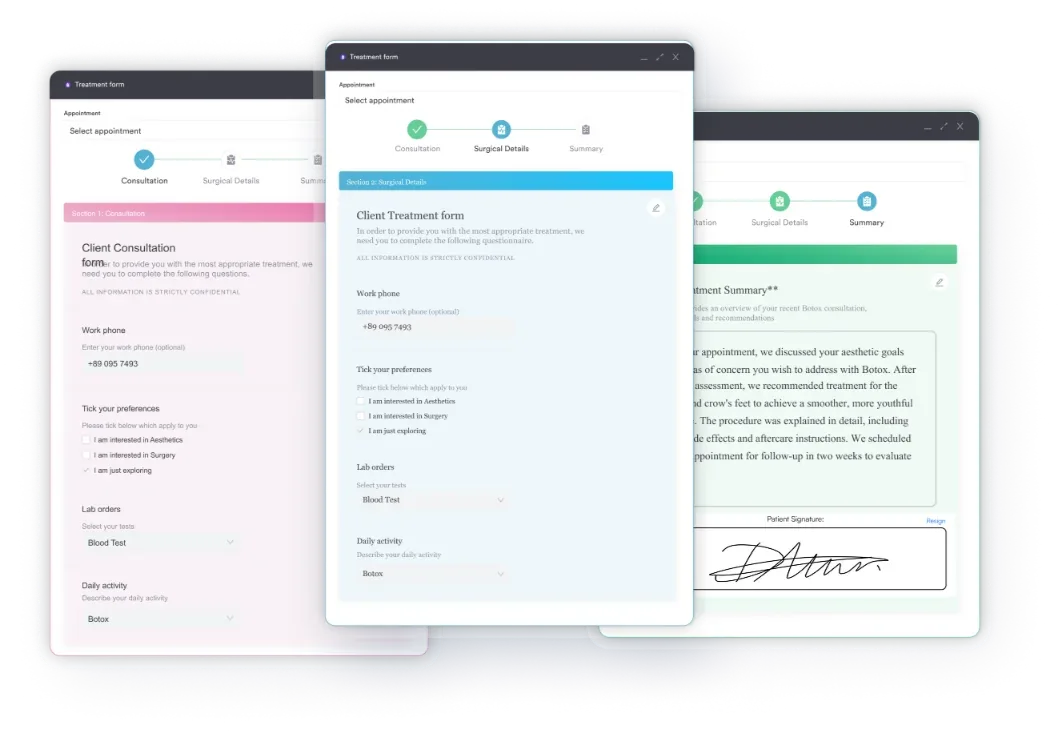
Meeting clinical compliance requirements in private practice means treating documentation as a billing asset, not just a clinical obligation. Every field completed at the point of specimen collection is one fewer query to resolve later.

Pabau helps UK private practices manage CCSD-coded invoices, digital clinical records, and Healthcode submissions in one system, reducing claim rejections and administrative time.

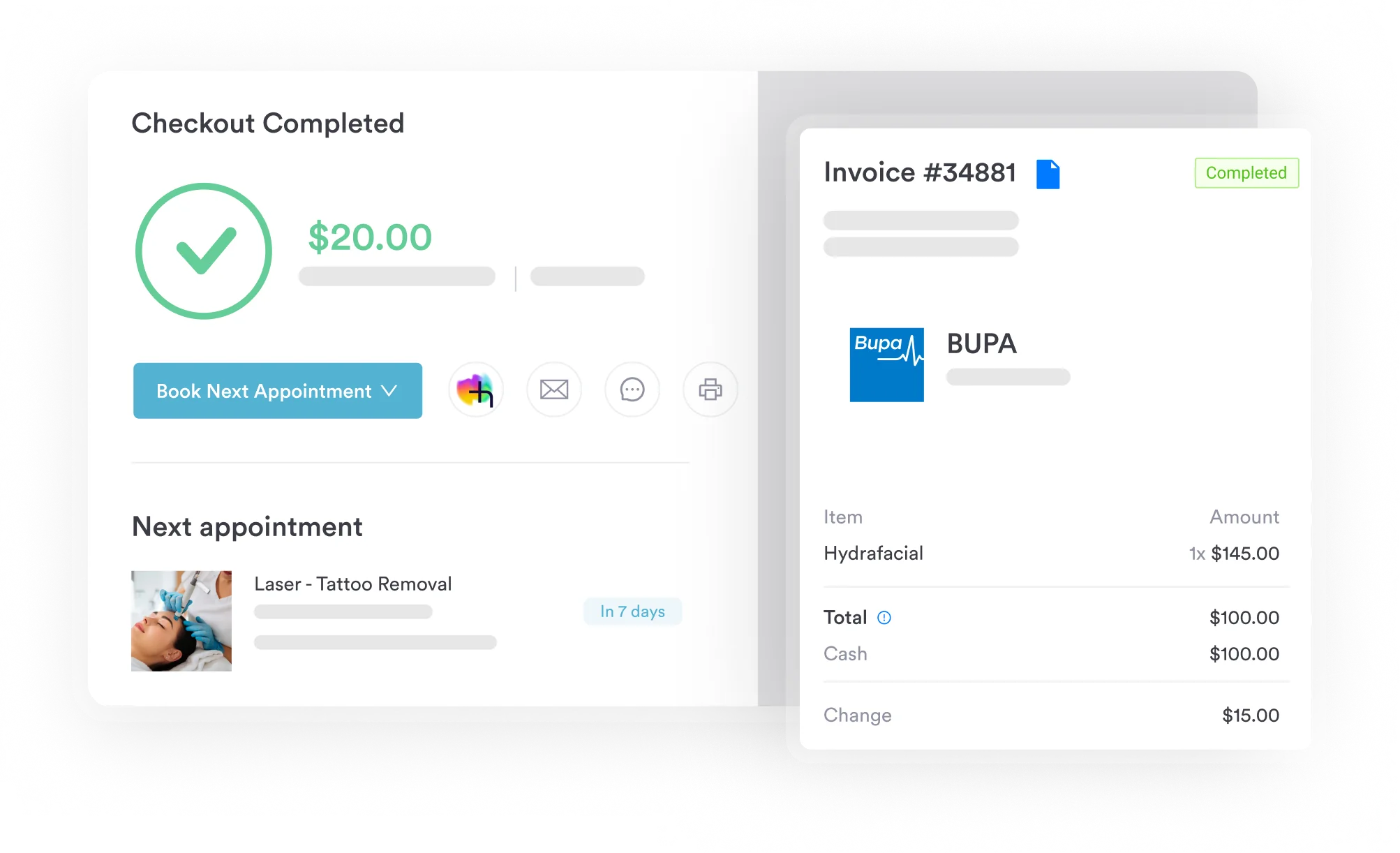
Electronic claim submission via Healthcode is the standard channel for UK private healthcare billing. Healthcode processes claims on behalf of the major PMI insurers and applies a series of validation checks before the claim reaches the insurer. Understanding what those checks look for reduces the number of submissions that are returned before they are even reviewed.
The claims management software built into Pabau is designed to support this workflow, keeping CCSD-coded invoices, clinical records, and submission tracking in one place. For practices running high volumes of PMI claims, that centralisation meaningfully reduces the time spent chasing individual submission statuses.
The CCSD Technical Guide sets out several coding principles that directly affect whether a claim is accepted. Unbundling rules prevent practices from splitting a single test or procedure into component codes to inflate reimbursement.
Bilateral rules require specific bilateral codes where both sides are treated in the same session. Sequencing rules determine which code should appear first when multiple codes are billed on the same invoice.
When submitting CCSD Code 0021G alongside another pathology code, such as CCSD Code 0019G, verify that the combination is permitted under the current CCSD coding principles bulletin. The January 2025 bulletin is publicly available and sets out current guidance on code combinations and sequence requirements.
Download and bookmark the CCSD Coding Principles Bulletin (updated January 2025). Insurers base their claim validation rules on this document, so reviewing it before submitting complex multi-code invoices can prevent rejections that are difficult to appeal once processed.
Understanding the most frequent rejection triggers for CCSD codes helps billing teams build a pre-submission checklist that catches errors before they reach the insurer. The same patterns appear repeatedly across UK private healthcare claims.
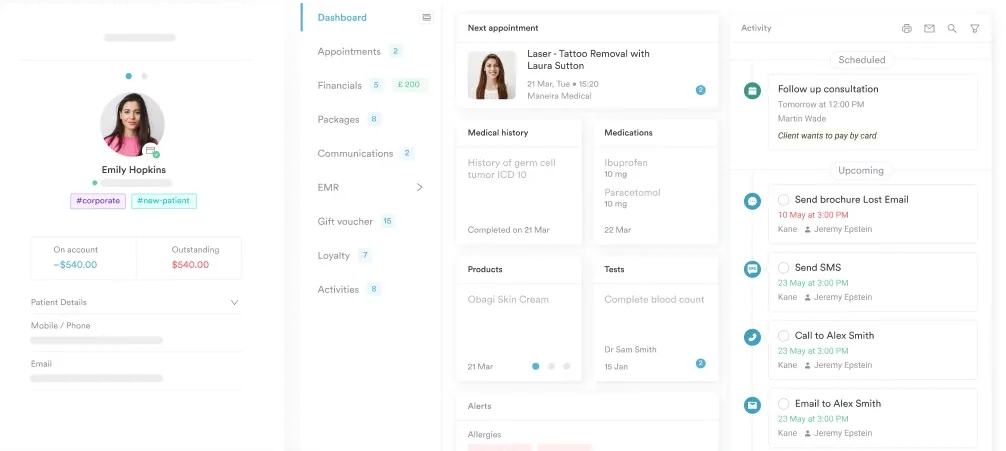
Practices using structured digital client records catch the majority of these errors before submission, because the required fields are built into the workflow rather than filled in retrospectively. The features that save private practices time in billing are almost always the ones that enforce documentation completeness at the point of care.
CCSD Code 0021G follows the same billing logic as every other code in the CCSD schedule: verify the current chapter and code description, obtain pre-authorisation where required, document the specimen and test completely, and submit electronically via Healthcode with all required fields present. The claims that fail are almost always the ones where one of those steps was skipped.
Pabau’s claims management software brings CCSD-coded invoicing, digital clinical records, and Healthcode submission tracking into a single workflow for UK private practices. If your team is managing a growing volume of PMI claims and finding the administration unsustainable, book a demo to see how Pabau handles CCSD billing in practice.

Billing another laboratory test code? CCSD code 0025B guide covers documentation for the BH5 Pre Compounding Test billed under the CCSD framework.
Billing another laboratory test code? The CCSD Code 0019B guide explains how the Alpha subunit (ASU) test is classified and billed under CCSD.
Looking at another diagnostic test code? The CCSD Code 0014B guide covers the acromegaly tolerance test and what to verify before configuring it in your billing system.
CCSD Code 0021G is a diagnostic pathology code within the Clinical Coding and Schedule Development (CCSD) Group schedule. It identifies the Mdm2 gene amplification test and sits under Chapter 34 — Pathology, in the Biochemistry section covering Genetic Analysis. UK private medical insurers use this classification to process and reimburse the test when it is billed correctly.
All major UK private medical insurers accept CCSD codes, including Bupa, AXA Health, Aviva, Vitality Health, Allianz Care, Healix, WPA, H3 Insurance, and Cigna UK. Each insurer publishes its own CCSD-based fee schedule, so reimbursement rates and pre-authorisation requirements vary by provider.
The most common rejection reasons are missing pre-authorisation, an incorrect or absent requesting clinician’s GMC number, a mismatch between the lab report and the code narrative, a bundling violation, a late submission, or a lapsed patient membership on the date of the test. Most of these are preventable with a pre-submission checklist.
Log in to the CCSD schedule at ccsd.org.uk. Access requires registration; if you do not yet have a login, you can register via the CCSD website and expect a response within a few weeks. The Bupa code search portal at codes.bupa.co.uk also allows registered Bupa providers to look up specific CCSD codes and their associated fee bands.
Yes. Pabau’s claims management software supports CCSD-coded invoice creation, Healthcode electronic submission, and clinical record management in a single platform, helping UK private practices reduce claim rejections and track submission statuses without separate billing systems.



