CPT code 51797: Intra-abdominal voiding pressure add-on
What CPT code 51797 covers CPT code 51797 is the add-on code for intra-abdominal...

Last Updated: Oct 19, 2026
K0744 is the HCPCS Level II code for absorptive wound dressing for use with suction pump, home model, portable, pad size 16 square inches or less.
The descriptor matters more than usual here. K0744 is the smallest of three dressing sizes, K0744 through K0746, and all three pair with one pump code, K0743. Bill any of them without understanding how Medicare treats that pump, and the claim won't hold up.
The table below sets out the attributes CMS publishes for the code. Check them against the current HCPCS Level II file each year, since CMS updates that file annually.
Let Pabau's smart automation suggest the right codes, reduce claim denials, and keep your practice compliant—effortlessly.
Automate repetitive tasks and focus on what matters most—your patients.
Reduce coding errors and ensure compliance with the latest regulations.
Clean claims, fewer denials, and faster reimbursements.
Powerful insights and reporting to help your practice thrive.
HIPAA compliant SOC 2 certified GDPR-compliant Trusted by 4,000+ clinics worldwide

K0744 is the absorptive wound dressing set used with a portable home wound suction pump, pad size 16 square inches or less.
It is a wound care supply code. It has nothing to do with wheelchairs, mobility equipment, or power wheelchair accessories.
The Suction Pumps LCD (L33612) denies the partner pump, K0743, as not reasonable and necessary, and supplies used with a denied pump are denied too.
CMS lists K0744 under carrier judgment and publishes no rate for it in the CY 2026 DMEPOS fee schedule file.
Practice management software like Pabau keeps the order, wound measurements, and delivery proof on one record, so an appeal is not rebuilt from scratch.
K0744 describes one complete dressing change for a wound suction system. The DME MACs treat that system as an integrated set of parts. It has a pump, coded K0743, and a dressing set coded K0744, K0745, or K0746.
What it doesn’t have is a separate collection canister. That absence is the whole distinction. In a canister system, exudate travels out of the wound and into a chamber. Here it stays in the dressing material, which is why the dressing is described as absorptive.
Per the Suction Pumps policy article (A52519), each dressing set code covers a single, complete dressing change and contains everything that change needs:
Two sizing rules decide which of the three codes you bill. Pick the smallest dressing set that covers the wound. Where several wounds sit close together, use one larger set rather than several small ones, if the wounds fit under a single dressing.
In practice, almost never. The Suction Pumps LCD (L33612) denies the pump these dressings attach to, and supplies used with denied equipment are denied with it. That chain is the single most important thing to understand about this code.
The reasoning in the LCD runs like this. Wound suction is only appropriate when the volume of exudate is more than conservative dressings and wound fillers can hold. But that suction can be delivered by a disposable device, coded A9272, which Medicare does not cover.
Because a non-covered alternative exists, the LCD concludes it is not reasonable or necessary to use the covered DME item instead. So when K0743 is billed, it is denied as not reasonable and necessary. The LCD then states that supplies used with denied equipment are denied on the same basis.
Three further rules apply on top of the medical necessity test:
PDAC stands for Pricing, Data Analysis and Coding, the contractor that verifies which products map to which HCPCS code. Checking the PDAC Product Classification List before you supply anything is faster than arguing about it later.
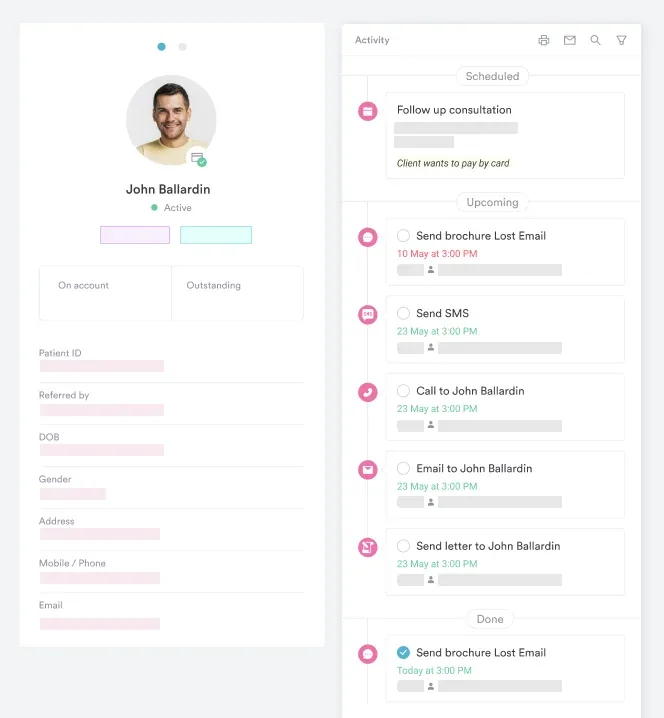
Bill it expecting a denial, and prepare the patient for that in advance. The steps below follow the order the documentation is created in, which is the order a reviewer will read it in later.
One more refill limit is easy to trip over. Whatever the utilization pattern says, a supplier must never dispense more than a three-month quantity at a time. Structured digital medical forms make those contact records easy to produce on request.
K0744 is a supply, not a machine, so the equipment modifiers do not belong on it. RR marks a rental, NU a new purchase, and UE a used purchase. None of the three applies to a dressing set.
What you are choosing between instead is a set of liability modifiers. They tell the DME MAC who carries the cost when the line denies.
Denials on this code are expected, so documentation is what makes an appeal or a patient bill defensible. Both run against filing deadlines, so assemble the package below before the dressing leaves the shelf:
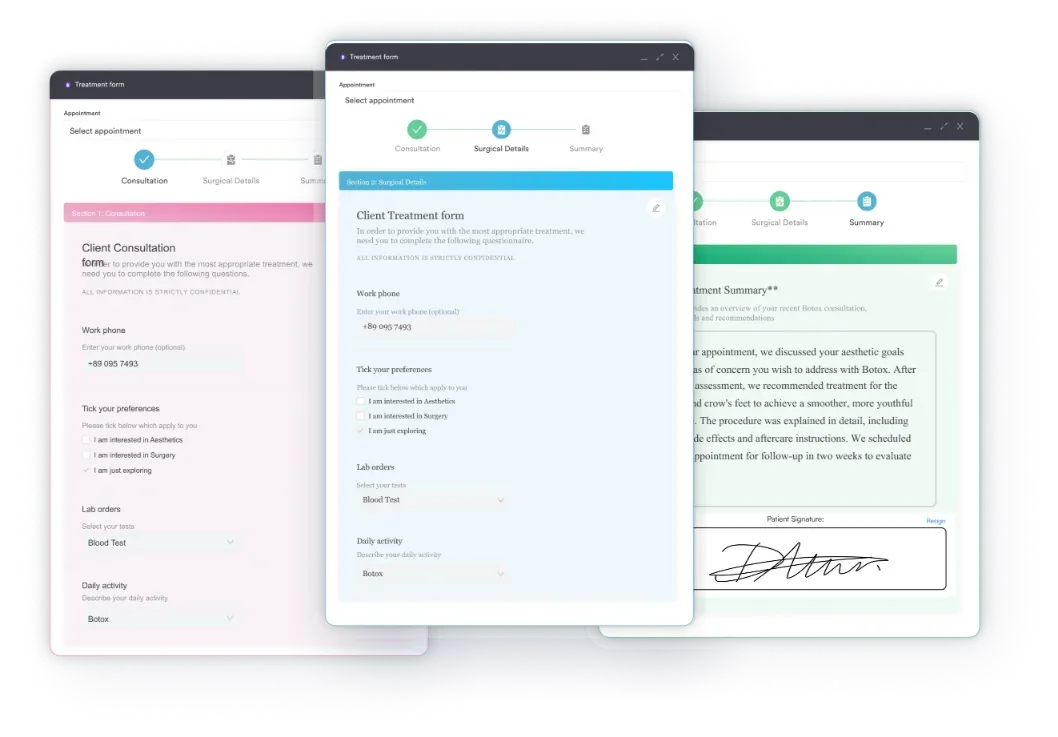
Date-stamp the ABN before the wound measurement, not after. Reviewers read the file in chronological order, and an ABN signed after delivery reads as a supplier covering itself. Signed first, it reads as informed consent to a cost the patient understood, which is exactly what it is meant to be.
There is no published Medicare rate for K0744. The code does not appear in the CY 2026 DMEPOS fee schedule file at all, and neither do K0743, K0745, or K0746. With no national allowable to quote, the price on your superbill is one you set yourself.
That is easier to see when you compare it to the canister-based alternative. In the same file, the negative pressure pump E2402, the wound care set A6550, and the canister A7000 all carry state-level allowables. The wound suction family carries none.
The two data points CMS does publish for K0744 point the same way. Its pricing indicator is 34, for DME supplies subject to floors and ceilings. Its coverage code is C, meaning carrier judgment, so the DME MAC decides case by case.
Pull the current file yourself before quoting anyone. CMS posts it on the DMEPOS fee schedule page as a downloadable dataset, and searching it for a code takes under a minute.
Most K0744 coding errors are one of two things. Either the wrong dressing size was billed, or the claim was built as though wound suction and negative pressure wound therapy were the same benefit. They are not, and they sit under different policies.
The table also includes two nearby K-codes that get pulled in by a mistyped digit. Neither has anything to do with wound care.
The E2402 line is the one worth dwelling on. Negative pressure wound therapy moves exudate out of the wound and into a collection chamber, and the NPWT LCD (L33821) covers it for qualifying wounds. If your patient meets those criteria, that is the pathway with a payable rate behind it. Where the wound does not qualify, G0281 covers electrical stimulation covers electrical stimulation for chronic ulcers that conventional care has not healed.
Some of these produce a denial you could have predicted. Others produce a denial you cannot bill the patient for, which is the more expensive outcome. Good claims management software catches most of them before submission.
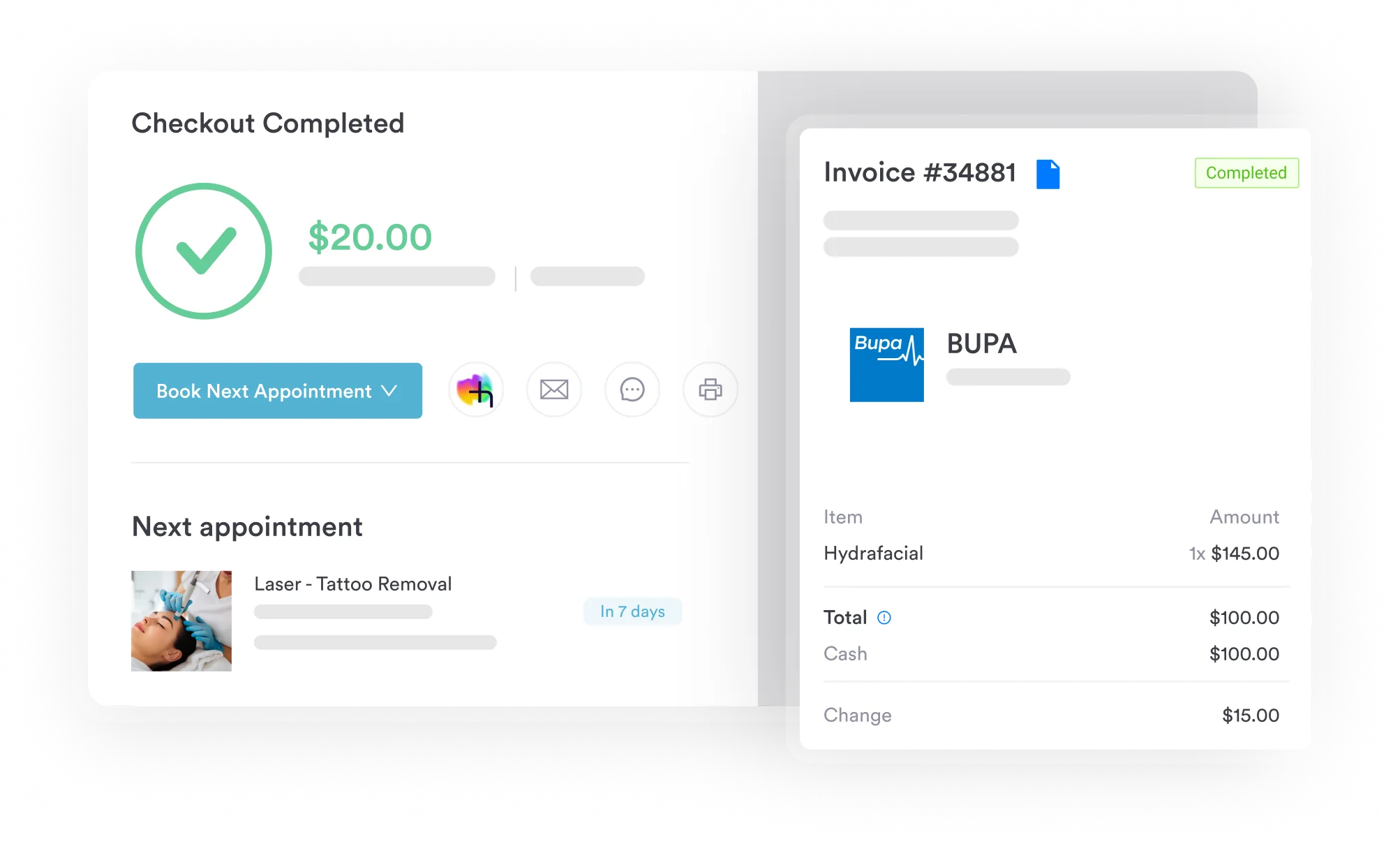
Most of these are process failures rather than clinical ones, and the denial codes you get back say so. Tying the order, the wound note, and the delivery record together in one place removes the manual handoffs where they usually appear. Digital intake forms handle the front end of that chain.
Run a monthly report of every K0744 and K0745 line you billed, and check each one against the wound measurement in the note. Size mismatches are the easiest error to find after the fact. They are also the hardest to defend, because the note contradicts the claim in writing.
There is no covered diagnosis list to match against for K0744. The Suction Pumps policy article publishes ICD-10 codes only for the tracheostomy catheters in the same policy. For every other code in it, including K0744, the covered list is simply not specified.
That changes what the diagnosis code is doing on the claim. Rather than unlocking coverage from a list, it describes the wound a reviewer will read about in the note. The two need to say the same thing.
The codes below are the wound types that most often sit behind a home suction claim. Diabetic and lower-limb ulcers dominate that list, so podiatry practices meet these codes often. Choose the one your documentation supports, and use the more specific stage and laterality codes wherever the chart gives you them.
Four clinical findings work against a suction claim rather than for it. The NPWT policy treats them as reasons to deny wound suction therapy outright, and a reviewer reading your notes will apply the same logic.
If one of these is documented and then resolved, say so explicitly in the note. Silence reads as the finding still being present. Keeping the client record and the claim in one system makes that easy to check before you submit.
In most small practices the K0744 file is not a file at all. The order arrives by fax and the wound measurement lives in a paper note. The ABN sits in a folder at the front desk, and the delivery slip is with the driver.
Practice management software like Pabau puts those four things on one client record. The order and the ABN are captured as digital forms and signed on the spot. Wound measurements and photos attach to the treatment note. The delivery confirmation lands on the same record.
So when a documentation request arrives months later, you open one record instead of chasing four people. That matters more on a code like this one, where a denial is the expected outcome. The appeal, or the patient bill, is the part you have to get right.

Pabau keeps orders, consent and ABN forms, wound measurements, and delivery confirmations on one client record. So when a DME MAC asks for documentation on a K0744 claim, you send it the same day instead of rebuilding it.

Treat K0744 as a self-pay item that happens to carry a Medicare claim. The Suction Pumps LCD denies the pump these dressings work with, and the dressings follow the pump. The costly mistake is budgeting for a payment you are unlikely to receive.
That makes two habits worth building. Have the cost conversation with the patient before delivery and get the ABN signed. Then check whether the wound would qualify for negative pressure wound therapy under L33821. That route does have a covered pump and a published rate.
Everything else is documentation discipline, and that is a system problem rather than a coding one. The same habits carry through the rest of your billing compliance work.
Pabau keeps orders, forms, and delivery records against the client file they belong to. Book a demo to see how that shortens your response to a documentation request.

Coding a prostate cancer screening visit? ICD-10 code Z12.5 is the correct starting diagnosis code for a PSA encounter, avoiding denials and audit risk.
Coding a Nexplanon removal visit? ICD-10 code Z30.46 documents Nexplanon removal encounters, whether routine, early, or complication-driven.
Supplying equipment that needs approval first? The prior authorization process sets out the steps for getting coverage confirmed before delivery.
Coding an allergy immunotherapy visit? ICD-10 code Z51.6 is the right diagnosis code for an allergen desensitization encounter, helping avoid claim denials.
Curious what the claim file itself contains? The 837 claim file explains the electronic format DME MACs receive.
K0744 is an absorptive wound dressing for use with a suction pump, home model, portable, with a pad size of 16 square inches or less. CMS added it on July 1, 2011. One unit represents a single complete dressing change, including the non-adherent porous dressing, the drainage tubing, and the occlusive dressing that seals the wound.
In practice, no. The Suction Pumps LCD (L33612) denies the partner pump, K0743, as not reasonable and necessary, because a non-covered disposable alternative coded A9272 exists. The same LCD states that supplies used with equipment denied as not reasonable and necessary are denied on the same basis. Issue an advance beneficiary notice before delivery and append modifier GA so the charge can be billed to the patient.
Only the pad size. K0744 covers a pad of 16 square inches or less. K0745 covers more than 16 up to 48 square inches, and K0746 covers anything larger. Choose the smallest set that covers the wound. Where several wounds sit close together and fit under one larger pad, bill the single larger set rather than several small ones.
No. Negative pressure wound therapy uses an electrical pump (E2402), a separate collection canister (A7000), and a wound care set (A6550). It is governed by its own LCD, L33821. A K0743 wound suction system has no canister, so exudate stays in the dressing instead. The two sit under different policies, and only the negative pressure pathway has published fee schedule rates behind it.
The equipment modifiers RR, NU, and UE do not apply, because K0744 is a supply rather than rented or purchased equipment. Use GA when a signed advance beneficiary notice is on file and you expect the line to deny. Use GZ only when no notice was obtained, which means you cannot bill the patient. The Suction Pumps policy article sets no modifier requirements, so there is no KX attestation to add.
There is no published rate. K0744 does not appear in the CY 2026 DMEPOS fee schedule file, and neither do K0743, K0745, or K0746. CMS assigns the code pricing indicator 34 and coverage code C, meaning carrier judgment. Any allowance is set by the DME MAC rather than by a national fee. Price the item as self-pay and back it with a signed advance beneficiary notice.