CPT Code 62284: Injection procedure for myelography
CPT Code 62284: official descriptor and procedure overview The American Medical ...

Last Updated: Oct 19, 2026

CCSD Code 0019B is the UK private healthcare billing code for the Alpha Subunit (ASU) test, used mainly to help detect and monitor pituitary adenomas, including non-functioning adenomas and rarer gonadotropin- or thyrotropin-secreting tumors.
0019B is a diagnostic service-charge code, not a procedural code – it is billed alongside the relevant consultation or procedure code rather than submitted as a standalone claim.
The alpha subunit is the glycoprotein chain shared by FSH, LH, TSH and hCG, so ASU results are interpreted alongside these hormones rather than read on their own.
Pabau’s claims management software helps UK private practices submit CCSD diagnostic codes accurately and keep supporting documentation audit-ready.
CCSD Code 0019B is the UK private healthcare billing code for the Alpha Subunit (ASU) test, a blood test that measures the glycoprotein hormone alpha chain shared by follicle-stimulating hormone (FSH), luteinizing hormone (LH), thyroid-stimulating hormone (TSH), and human chorionic gonadotropin (hCG).
Clinicians order it mainly to investigate suspected pituitary adenomas and to help explain anomalous thyroid or gonadotropin results. This guide covers what the test measures, how the code fits into insurer billing, and the documentation each claim needs.
FSH, LH, TSH, and hCG are each built from two protein chains: a common alpha subunit and a hormone-specific beta subunit. The alpha subunit is structurally identical across all four hormones. Only the beta subunit differs, and it is the beta subunit that gives each hormone its distinct biological activity. Neither subunit is biologically active alone.
Measuring free alpha subunit in serum helps detect and monitor pituitary adenomas, including clinically non-functioning adenomas and the rarer gonadotropin-secreting or thyrotropin-secreting tumors. Some of these tumors raise alpha subunit even when they do not raise the intact hormone itself, which makes ASU a useful marker when FSH, LH, or TSH results alone are inconclusive.
The test also helps differentiate a TSH-secreting pituitary adenoma from thyroid hormone resistance when thyroid function tests are anomalous, such as a raised TSH alongside a high free T4. Alongside pituitary disease, ASU can be elevated in primary hypogonadism, renal failure, and primary thyroid disease, so results are read alongside LH, FSH, TSH, and renal function rather than in isolation.
Patients often reach this point through private GP referral pathways, when routine thyroid or fertility bloodwork flags a result that needs specialist follow-up. ASU is measured on a serum sample, and at many UK laboratories it is a referred, send-away test, with turnaround measured in weeks rather than days.
Because hCG shares the same alpha subunit, results are markedly elevated in pregnancy, so pregnancy status should be considered before the test is ordered or interpreted.
Reference ranges for ASU vary between laboratories and assay platforms. There is no single cut-off to quote here: a result should be read against the range published by the reporting laboratory, alongside the accompanying LH, FSH, and TSH values.
The CCSD schedule operates two separate frameworks: the Procedural Schedule for clinical interventions and the Diagnostic Schedule for diagnostic services such as blood tests. CCSD Code 0019B sits in the Diagnostic Schedule, alongside other pathology and biochemistry service-charge codes. It is not a surgical or consultant-procedure code, and it should not be billed as one.
For consultants moving into private practice, understanding which schedule a code sits in avoids early billing mistakes: a diagnostic code billed like a procedure, or vice versa, is a frequent source of claim queries.
UK private healthcare providers must maintain clinical records that support every code billed. For CCSD Code 0019B, the patient file should show why the ASU test was clinically indicated, along with the result and how it was interpreted. Incomplete records are a common reason a claim is queried after submission.
Using digital forms for structured test requests reduces the risk of missing fields and keeps each data point captured at the time of referral. Pabau’s overview of medical forms for healthcare practices covers how structured forms reduce these documentation errors more broadly.
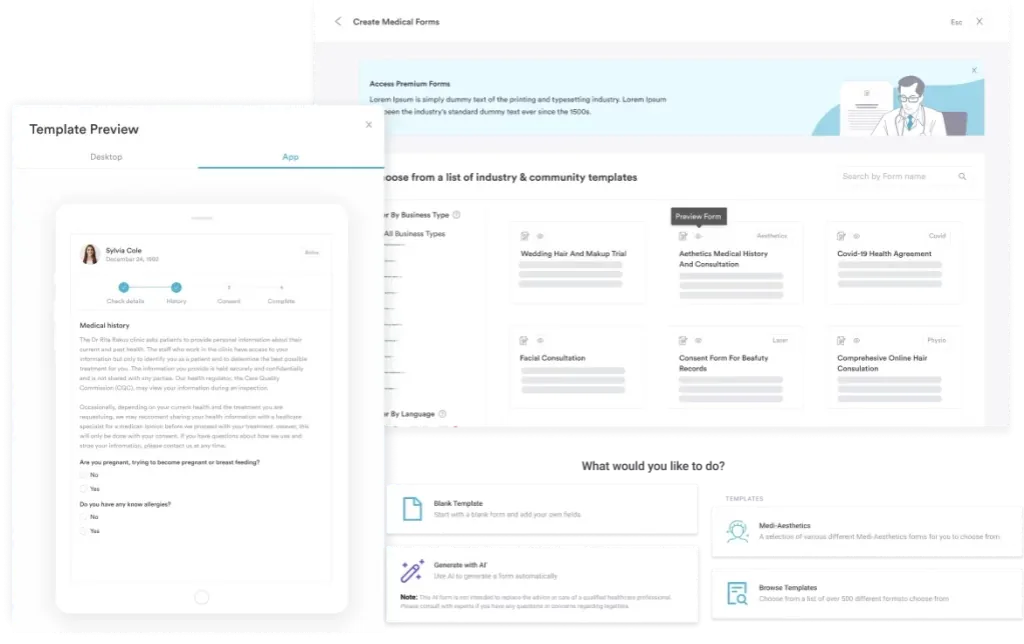
The minimum documentation set for a 0019B claim should include:
The CQC’s oversight of clinical record standards in England means a weak diagnostic record can create compliance exposure beyond the insurance claim itself.
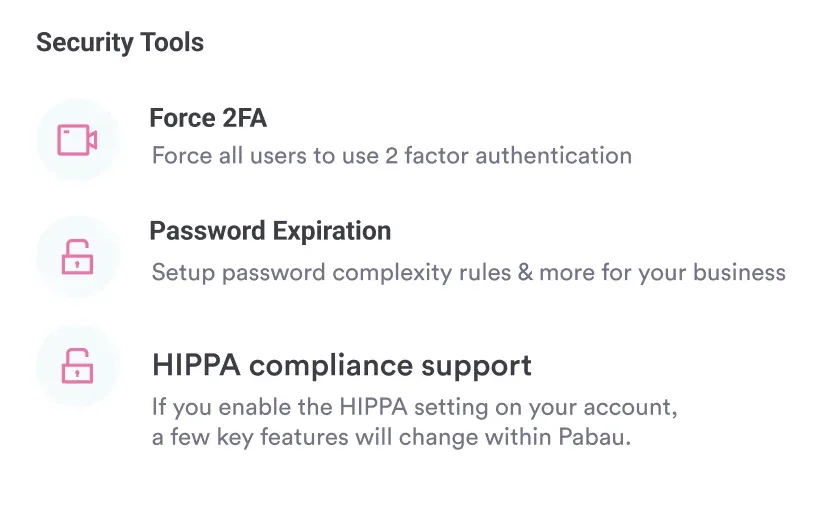
Pituitary and hormone test results are sensitive clinical data. Records created for CCSD billing must meet the same UK GDPR and Data Protection Act 2018 standards as any other patient record, covering consent, access controls, and retention. Meeting compliance requirements for private practices more broadly means these standards apply to every clinical record, not just the ones submitted with a claim.
Flag the pre-authorization requirement before the sample is taken. Most PMIs require prior approval for referred, send-away diagnostic tests including the ASU test. A claim submitted without pre-authorization, even for a correctly coded and well-documented test, is likely to be rejected. Check with the specific insurer before the appointment.
All major UK private medical insurers use the CCSD coding framework as the industry standard for private healthcare claims. CCSD Code 0019B, as a code within the official CCSD Diagnostic Schedule, is recognized across the PMI market. Recognition does not mean automatic reimbursement at a fixed rate: each insurer maintains its own fee schedule.
For practices that see patients across several insurers. The table below summarizes where to check current rates for diagnostic codes including 0019B:
Never assume a published fee applies to every patient. Policy type, excess level, and whether the test was pre-authorized all affect reimbursement. Confirm the applicable rate before invoicing the insurer. The Bupa procedure codes fee schedule guide on the Pabau site tracks related updates relevant to UK private practice billing.
For practices scaling beyond a single site, including those opening a second location, building insurer-specific workflows from the outset prevents the common problem of applying one insurer’s rules to another’s claims.

Pabau helps UK private practices manage CCSD code submissions, patient records, and insurer billing from one platform, cutting down on rejected claims and admin.

Most UK private healthcare claims are submitted electronically through Healthcode, the industry clearinghouse for PMI claims. If your practice submits via Healthcode, the workflow for CCSD Code 0019B follows the same path as any other diagnostic code submission.
Good claims management software builds these steps into the workflow so nothing is missed before submission. The submission sequence for 0019B looks like this:
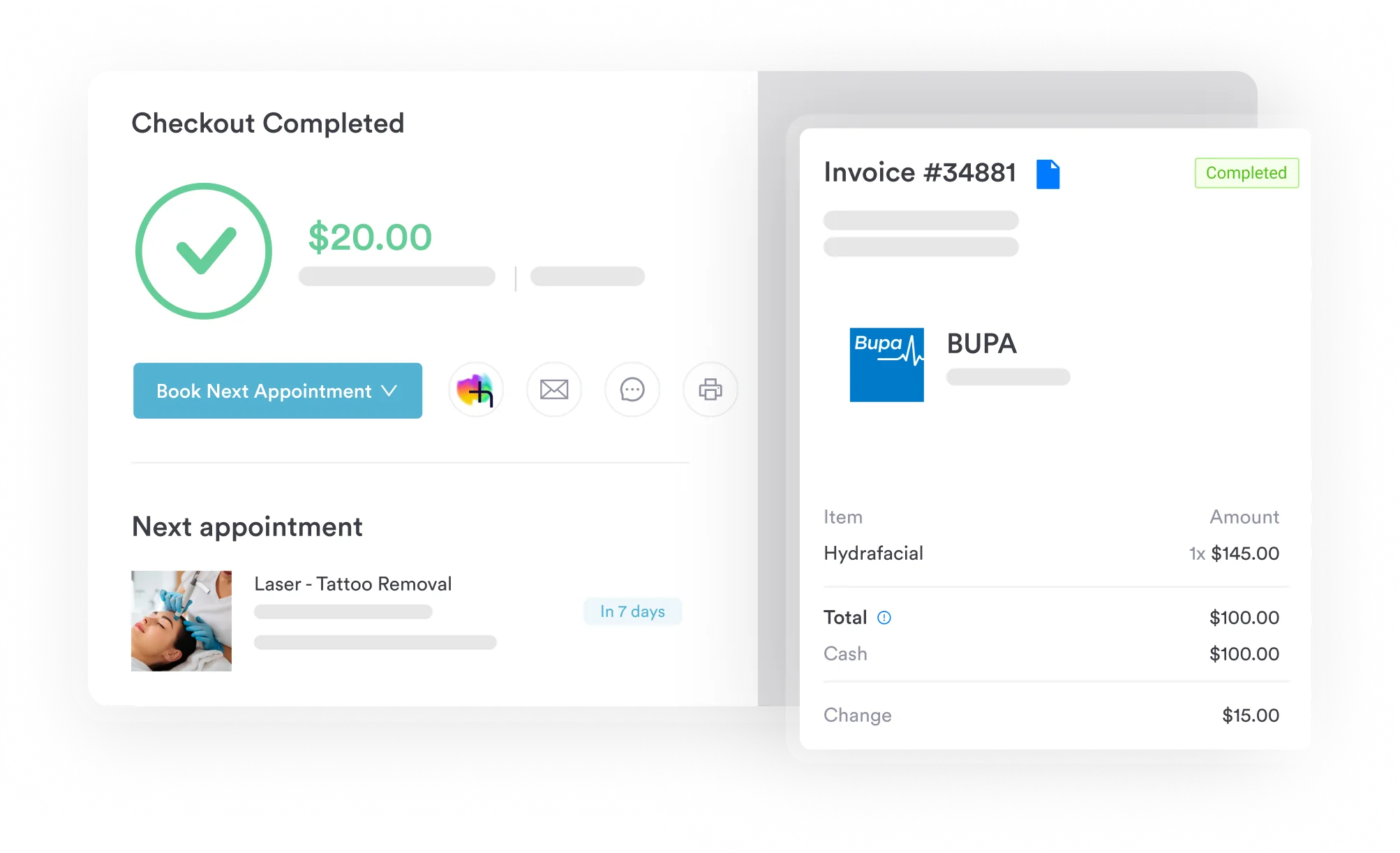
Practices building these steps into a consistent billing workflow benefit most from billing software that removes manual steps from the claims process rather than adding complexity. Effective private practice management depends on catching these issues before submission, not after.
Claims for diagnostic codes like 0019B fail for predictable reasons, and most are avoidable with a consistent pre-submission check. Here are the frequent mistakes billing teams make with this code:
Build a pre-submission checklist for diagnostic code claims. Before filing any CCSD 0019B claim, verify: pre-authorization reference present, correct consultation code added, insurer-specific fee confirmed, and correlating LH, FSH, and TSH results documented. A five-point check at submission saves hours of rework per rejected claim.
Endocrinology and reproductive health practices often use several diagnostic codes alongside 0019B. Knowing the adjacent codes reduces the risk of miscoding a similar test. For a worked example of another pituitary-axis diagnostic code, see Pabau’s guide to CCSD Code 0014B, covering the Acromegaly Tolerance Test.
CCSD Code 0019B is a diagnostic service-charge code, not a procedure, and that distinction shapes how it is submitted, what documentation must accompany the claim, and how the fee is set. Because it measures a hormone chain shared across FSH, LH, TSH, and hCG, the result only means something when read alongside those other values and the reporting laboratory’s reference range.
For UK private practices handling endocrinology and reproductive health billing. Book a demo to see how Pabau supports private practice billing workflows from coding to claim submission.

Need a complete guide to Bupa CCSD billing? Pabau’s Bupa CCSD codes guide covers how to find, verify, and submit codes to Bupa’s system.
Want to streamline your insurer submissions? Claims management software from Pabau helps reduce errors and speed up payment cycles.
Handling reproductive or endocrine diagnostics? CCSD Code 0014B: Acromegaly Tolerance Test guide explains how a related pituitary-axis diagnostic code is billed.
CCSD Code 0019B is the UK private healthcare billing code for the Alpha Subunit (ASU) test, a blood test used to help detect and monitor pituitary adenomas and to help distinguish a TSH-secreting pituitary adenoma from thyroid hormone resistance. It belongs to the CCSD Diagnostic Schedule, not the Procedural Schedule.
It measures the alpha subunit, the protein chain common to FSH, LH, TSH, and hCG. Because the alpha subunit is identical across all four hormones, it is interpreted alongside LH, FSH, and TSH results rather than on its own, and it is markedly elevated in pregnancy due to hCG cross-reactivity.
In most cases, yes. Most UK private medical insurers require prior authorization before referred, send-away diagnostic tests including the ASU test. Submit a pre-authorization request before the sample is taken and record the reference number in the patient file before invoicing.
No. CCSD Code 0019B is a diagnostic service-charge code and must be submitted alongside a relevant consultation or procedure code reflecting the clinical encounter. A standalone submission without a supporting code is likely to be queried or rejected.
No. Reference ranges vary between laboratories and assay platforms, so results should always be checked against the range published by the reporting laboratory rather than a fixed figure, and read alongside LH, FSH, and TSH.