

ICD-10 code S61.201A: Open wound of left index finger without nail damage
ICD-10 code S61.201A covers a left index finger wound of unstated type ICD-10 co...

Last Updated: Oct 16, 2026
Billable Code Specific Code
A94 is the billable ICD-10-CM code for unspecified arthropod-borne viral fever.
Let Pabau's smart automation suggest the right codes, reduce claim denials, and keep your practice compliant—effortlessly.
Automate repetitive tasks and focus on what matters most—your patients.
Reduce coding errors and ensure compliance with the latest regulations.
Clean claims, fewer denials, and faster reimbursements.
Powerful insights and reporting to help your practice thrive.
HIPAA compliant SOC 2 certified GDPR-compliant Trusted by 4,000+ clinics worldwide

ICD-10 Code A94 describes unspecified arthropod-borne viral fever, used when the specific arboviral pathogen cannot be identified.
A94 is a valid, billable ICD-10-CM code for fiscal year 2026, with inclusion terms covering arboviral fever NOS and arbovirus infection NOS.
Before assigning A94, coders must rule out more specific codes in the A90-A93 range; A94 is a last-resort code when the pathogen is genuinely unknown.
Practice management software like Pabau supports accurate arboviral diagnosis coding workflows, reducing documentation errors and claim denials.
ICD-10 Code A94 is the official WHO ICD-10 classification for “Unspecified arthropod-borne viral fever.” It’s the arboviral fever ICD-10 code. It sits within Chapter I (Certain infectious and parasitic diseases, A00-B99), specifically the A90-A99 block covering arthropod-borne viral fevers and viral hemorrhagic fevers. The A94 ICD-10 code is billable and valid for FY2026 under ICD-10-CM. The Medicare Benefits Schedule sets its own item structure, so a US code has no direct Australian counterpart.
Two inclusion terms apply to A94. Coders may use this code when the documentation supports either designation.
The NOS designation is the key signal. It means the provider documented an arboviral etiology but lacked the specificity to assign dengue (A90/A91), West Nile fever (A92.3), or another named arboviral code. The same logic governs other unspecified presentations across ICD-10-CM.
Understanding where A94 sits in the ICD-10-CM structure helps coders apply it correctly and avoid sequencing errors.
A94 has no subclassifications. It is a terminal code with no further specificity available within ICD-10-CM.
According to the CMS ICD-10 codes page, A94 maps to DRG 865 (Viral illness with major complication or comorbidity) or DRG 866 (Viral illness without MCC). This mapping falls under the CMS ICD-10-CM/PCS MS-DRG v43.0 Definitions Manual for FY2026, with v43.1 applying to discharges on or after April 1, 2026.
The A90-A99 block is tightly defined. Each code in the range targets a specific arboviral pathogen or clinical syndrome. Coders must exhaust the more specific codes before assigning A94.
The distinction between A94 and A99 trips up many coders. A94 applies to febrile arboviral illness without hemorrhagic features. A99 applies when hemorrhagic manifestations are present but the specific causative virus is unknown. When the clinical picture includes both fever and bleeding, review the documentation carefully before selecting between these two unspecified codes.
Good clinical documentation practices require providers to capture hemorrhagic features explicitly so coders don’t have to guess.
Run the A90-A93 codes before assigning A94. If a patient returned from a dengue-endemic region with positive NS1 antigen or IgM serology, A90 is correct regardless of the severity level. A94 applies only when serology and PCR results are genuinely inconclusive or pending at the time of claim submission.
The right software for primary care practices handles the surge of infection-related visits without documentation falling behind.
Claim denials for A94 most often trace back to insufficient documentation. Payers expect the medical record to support both the arboviral etiology and the unspecified nature of the pathogen.
Structured patient record documentation in a clinical system that supports SOAP-style notes makes capturing these elements far more consistent across providers. Without a structured template, travel history in particular gets buried in free-text fields and becomes invisible to coders.
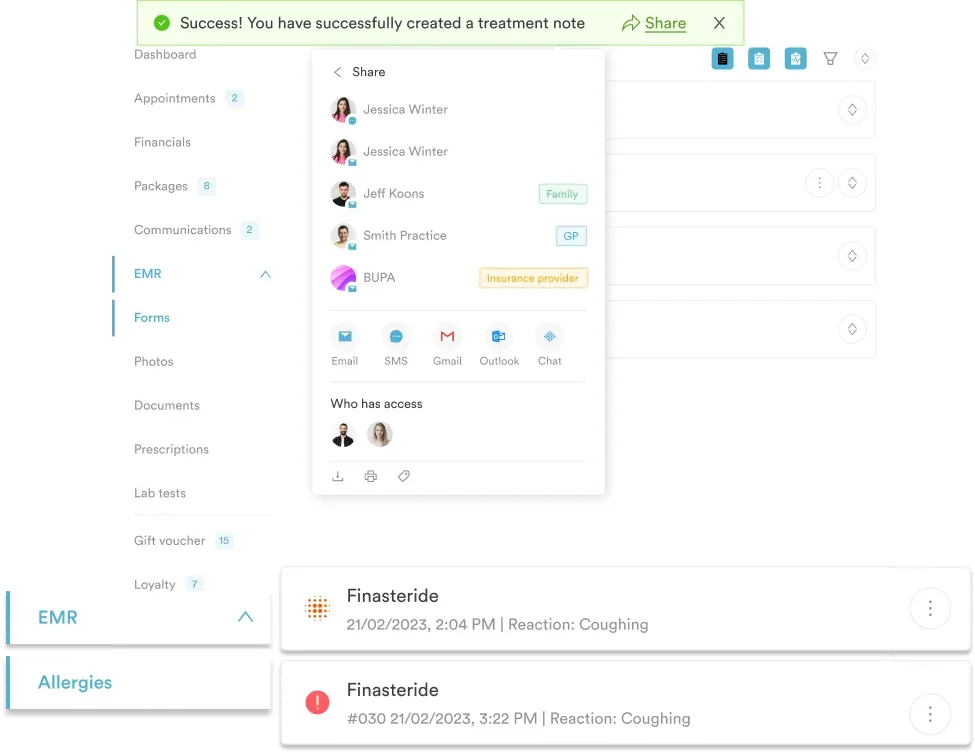
A94 may be assigned at the time of the encounter even when lab results are pending, provided the clinician documents a working diagnosis of arboviral fever NOS. If subsequent results confirm a specific pathogen, the code should be updated before final claim submission. Retrospective code changes must follow your facility’s query and amendment policies.
The CDC/NCHS ICD-10-CM web tool confirms that A94 carries no instructional notes requiring a code-first or use-additional-code convention. It stands as a standalone principal or secondary diagnosis code without mandatory paired coding.

Pabau’s claims management tools help clinical teams document arboviral encounters accurately from the first visit, so coders get the right information to assign A94 or a more specific code without chasing missing lab notes.

A94 has no mandatory sequencing notes in the ICD-10-CM tabular list.
When unspecified arboviral fever is the condition chiefly responsible for the admission or outpatient encounter, A94 sequences first. This is the common scenario in travel medicine clinics, infectious disease consultations, and urgent care settings where the patient presents with fever of recent onset following travel.
When the patient is admitted primarily for another condition and arboviral fever is identified as a comorbidity or complication, A94 sequences as a secondary code. Document the clinical relationship between A94 and the principal diagnosis clearly in the provider note to support medical necessity.
Symptoms integral to A94 (fever, myalgia, arthralgia, headache) are not coded separately per ICD-10-CM conventions. Code additional manifestations only when they are not routinely associated with the arboviral fever syndrome, or when they are clinically significant enough to affect patient management independently.
Maintaining compliance management workflows across your coding team helps ensure these sequencing decisions are applied consistently, particularly when multiple coders handle infectious disease encounters.
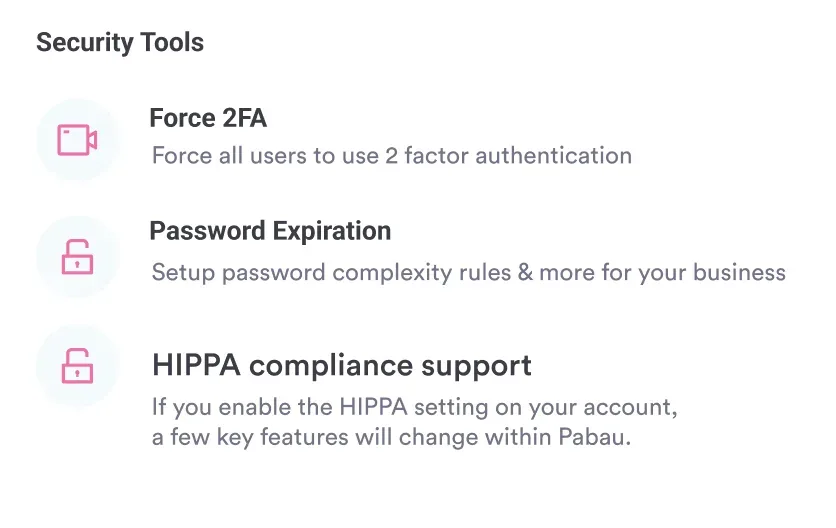
When a patient with A94 develops thrombocytopenia during the encounter, code the thrombocytopenia separately (D69.6 or the most specific subcode) only if it is clinically managed as a distinct problem. If it resolves with the arboviral fever and required no separate intervention, it is integral to A94 and should not be separately coded.
Arboviral fever encounters cluster in specific clinical settings: travel medicine, urgent care, infectious disease, and emergency departments. Each setting carries slightly different payer expectations for supporting documentation.
For outpatient encounters. If the provider wrote “rule out arboviral fever” or “suspected arbovirus,” code the presenting signs and symptoms instead (fever, myalgia, etc.) per outpatient coding guidelines.
Reserve A94 for encounters where the provider states a definitive or working diagnosis of arboviral illness.
Inpatient guidelines allow coders to assign A94 based on a working or probable diagnosis documented at discharge. The UHDDS definition of principal diagnosis applies: the condition established after study to be chiefly responsible for the admission. If the patient was admitted with “probable arboviral fever” and discharged with that diagnosis unchanged, A94 is appropriate as the principal code.
Some payers may require prior authorization for infectious disease hospitalizations. A94 alone rarely triggers a coverage issue, but supporting documentation should demonstrate the clinical rationale for the level of care provided. The AAPC Codify ICD-10-CM lookup notes no specific coverage restrictions for A94 at a national level, though local coverage determinations (LCDs) vary by MAC jurisdiction.
Practices using claims management software with built-in code validation can flag A94 claims for documentation completeness before submission, reducing the likelihood of a payer query or denial on the basis of insufficient specificity.

Arboviral fevers are reportable conditions in most US states and many international jurisdictions. When A94 is assigned, clinical teams should confirm whether local or state public health reporting requirements apply, regardless of the billing code used.
Travel medicine clinics frequently encounter patients who return from endemic regions with febrile illness before a specific arboviral diagnosis can be confirmed. In these encounters, A94 serves a dual function: it enables billing for the clinical encounter while the laboratory workup proceeds, and it flags the case in administrative data systems used for surveillance.
Using digital intake forms that capture travel history, recent arthropod exposure, and vaccination status at registration gives providers the clinical context they need to document arboviral exposure properly before the encounter begins. This reduces the chance that A94 is assigned when a more specific code would have been appropriate with better upfront data collection.

Maintaining HIPAA-compliant documentation practices is also relevant here. Arboviral illness records often feed into public health surveillance systems, and the exchange of coded encounter data between providers and health departments must follow applicable data privacy rules. Practices should verify that their EHR data-sharing agreements cover public health reporting workflows.
For coders managing high volumes of travel medicine encounters, staying current with your facility’s coding department, AAPC membership updates. The patient intake documentation process is the first link in the coding chain, and strengthening it has a direct impact on code specificity downstream.
Coders regularly assign A94 when arboviral exposure is clear but the specific pathogen is not. The risk is under-specificity: reaching for A94 before exhausting dengue fever (A90), Chikungunya, Zika, and the other named codes in A90-A93. When documentation supports a named arbovirus, the more specific code always takes precedence.
Pabau’s claims management software helps infectious disease and travel medicine practices structure their documentation workflows so the right clinical detail reaches the coder at submission time. This reduces A94 over-use and supports accurate ICD-10 coding across arboviral encounters. To see how Pabau handles this, book a demo.

Need to compare A94 with its neighboring hemorrhagic fever code? A99 covers unspecified presentations with hemorrhagic features, helping you distinguish between the two unspecified codes in the A90-A99 block.
Coding an intercostal vessel injury sequela? intercostal vessel injury sequela code is billable for FY2026 and valid only for sequela encounters, not active treatment.
Coding a healing abdominal wound? right flank abdominal wound code applies at a follow-up visit once trauma care is complete and the wound is healing.
ICD-10 Code A94 is a billable diagnosis code for “Unspecified arthropod-borne viral fever,” used when a patient has a fever linked to an arboviral infection but the specific pathogen cannot be identified from clinical documentation or laboratory results. It includes the inclusion terms arboviral fever NOS and arbovirus infection NOS.
Yes. A94 is a valid, billable ICD-10-CM diagnosis code for fiscal year 2026. It has been a valid billable code continuously since at least 2016 and remains active in the current tabular list maintained by CDC/NCHS.
Use A94 only when serology, PCR, and clinical findings cannot confirm a specific arbovirus. If dengue serology is positive, assign A90 or A91. If Chikungunya, Zika, or West Nile is confirmed, assign the appropriate A92 subcode. A94 is a last-resort code when the pathogen genuinely cannot be determined at the time of coding.
A94 maps to DRG 865 (Viral illness with major complication or comorbidity) or DRG 866 (Viral illness without MCC) under the CMS ICD-10-CM/PCS MS-DRG v43.0 Definitions Manual for FY2026 (v43.1 applies for discharges on or after April 1, 2026). The specific DRG assignment depends on the presence or absence of a qualifying MCC in the rest of the claim.
For inpatient encounters, yes. Inpatient coding guidelines permit assignment of A94 based on a probable or working diagnosis documented at discharge. For outpatient encounters, code the presenting signs and symptoms instead unless the provider explicitly states a confirmed or definitive diagnosis of arboviral fever.



