Massage Gift Card Template
A massage gift card template is a fill-in-the-blank certificate you customize wi...

21
Last Updated: Sep 11, 2026

The EHR selection process has five stages: requirements gathering, criteria scoring, vendor demos, due diligence, and implementation planning.
Aesthetic and wellness practices need EHR-specific criteria beyond generic checklists: consent workflows, before-and-after photo storage, and treatment-room scheduling.
Compliance fit matters as much as feature fit: verify HIPAA (US) or GDPR (UK/EU) alignment before shortlisting any vendor.
Pabau combines EHR, scheduling, digital forms, and automated workflows in one platform built for private aesthetic and wellness practices.
The average practice spends 6 to 18 months recovering from a bad EHR selection decision. Data migration, retraining, contract exit costs, and lost productivity add up fast. Getting the EHR selection right the first time ranks among the most important operational decisions a practice makes, well beyond a simple IT purchase.
Yet most guides treat EHR selection like a feature checklist exercise. Pick the tool with the most boxes ticked, negotiate on price, and go live. That approach ignores the workflow reality of practices with small teams, multi-room scheduling, aesthetic treatment protocols, and complex patient consent requirements.
This guide covers the five-stage process used by experienced practice managers: requirements gathering, scoring criteria, structured vendor demos, compliance due diligence, and implementation planning — in short, how to choose an EHR system that fits a private aesthetic or wellness practice, not just a hospital. Each stage includes the questions that surface problems before contracts are signed.
The most common EHR selection mistake happens before a single vendor is contacted. Practices begin evaluating software before they have documented what the software needs to do. Requirements gathering is the foundation. Without it, demo sessions become product tours rather than structured evaluations.
Understanding the difference between a PMS and an EMR is a useful starting point, and the same clarity applies to EHR vs EMR. Many practices confuse the terms. A practice management system handles scheduling, billing, and patient communication (see practice management software explained for the full picture). An EMR or EHR handles clinical documentation, treatment records, and clinical notes. Some platforms, like Pabau, combine both. Others specialize in one. Knowing which you need shapes the entire evaluation.
Start requirements gathering with these four categories:
Involve every role that will use the system, not just the person signing the contract. A workable EHR selection committee for a private aesthetic or wellness practice usually comes down to four seats, each checking the system against a different part of the job:
Naming these four seats before demos start surfaces conflicting priorities in the requirements phase, rather than mid-implementation. A clinic management software checklist can structure this conversation and ensure no workflow is overlooked.
Once requirements are documented, convert them into scored criteria. The AMA STEPS Forward toolkit recommends weighting these vendor selection criteria by business impact, not just feature presence. A capability that matters to one administrator should not carry the same weight as a clinical documentation requirement that affects every patient visit.
A practical scoring framework groups criteria into four tiers:
| Criteria tier | Examples | Scoring weight |
|---|---|---|
| Must-have (dealbreakers) | HIPAA/GDPR compliance, core scheduling, clinical notes | Pass/fail gate |
| High-value | Automated reminders, digital consent forms, billing integration | 30 points each |
| Nice-to-have | Before-and-after photo storage, injection plotting, loyalty features | 10 points each |
| Vendor factors | Implementation support, training, contract flexibility, uptime SLA | 20 points each |
Aesthetic and wellness practices need criteria beyond what most generic EHR checklists include. Consider these specialty-specific requirements when building your scoring matrix:
For practices operating in the UK, GDPR compliance requirements should be a pass/fail gate, not a preference. Data residency, consent documentation, and right-to-erasure workflows are non-negotiable under UK and EU law. Building them into the scoring framework forces vendors to demonstrate specific technical compliance rather than making marketing-level assurances.
With scored criteria in place, the EHR selection shortlisting phase begins. The goal is to reduce a long market to three to five vendors who pass your must-have gates and score competitively on high-value criteria. An EHR vendor selection checklist — one page listing your must-have gates, high-value criteria, and the questions each vendor must answer — keeps this stage from turning into an unstructured back-and-forth.
Several resources support vendor discovery. The ONC Health IT Playbook provides a six-step module for EHR selection including guidance on matching vendor capability to practice size. The LeadingAge CAST EHR Selection Tool offers an interactive matrix for long-term and specialty care settings. For private and aesthetic practices, peer review platforms like Capterra surface verified user feedback across scheduling, clinical documentation, and support quality.
Turn your documented requirements into a short request for proposal (RFP) and send it to each shortlisted vendor before you book a demo. The RFP forces written answers on compliance, data portability, and pricing that a live call can gloss over.
When evaluating shortlisted vendors, structured demos outperform product tours. A product tour shows the vendor’s best features in ideal conditions. A structured demo tests the vendor against your documented workflows. This is where the EHR vendor selection process is won or lost: send scenarios in advance, such as “Show us how a patient books online, completes a digital intake form before arrival, and has their consent captured at check-in.” That workflow test shows real capability gaps faster than any feature matrix.
For practices evaluating multiple platforms, our guide to the best EHR for private practice covers how leading options compare on the features most relevant to small and mid-size practices. Pay attention to EHR integration options during demos: a platform that cannot connect to your accounting software or payment processor creates manual admin work that compounds every day.
During vendor demos, ask to see the audit log for a patient record. A well-designed EHR makes it easy to see who accessed which record, when, and what they changed. If the vendor cannot show this clearly within two minutes, data governance and compliance reporting will be problems down the line.
Shortlist scores narrow the field. Due diligence eliminates the risks that scoring matrices do not capture: financial stability, data security posture, contract lock-in, and real implementation timelines.
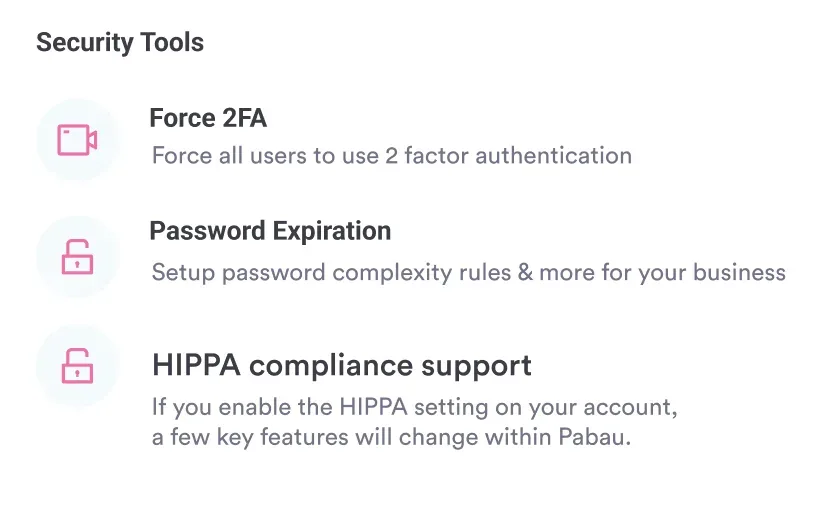
EHR compliance verification is non-negotiable at this stage. For US-based practices, confirm the vendor has a signed Business Associate Agreement (BAA) process and review their HIPAA compliance requirements documentation in detail. Regulatory compliance is not a marketing claim. It requires specific technical safeguards around encryption, access controls, and audit logging. Ask vendors for their most recent security audit results or SOC 2 certification.
For EHR platforms specifically, also ask whether the vendor holds current ONC Health IT Certification (the 2015 Edition Cures Update). It’s closer to independent proof of interoperability and security testing than a page of marketing claims, and it’s worth checking even for cash-pay aesthetic and wellness practices that never touch a Promoting Interoperability program.
Contract review should cover these points specifically:
Built-in compliance management tools reduce the manual governance burden significantly. Platforms that automate audit trails, consent version tracking, and access logs give compliance teams documentary evidence without requiring manual processes. This matters increasingly as regulators in the UK (CQC) and US (ONC, CMS) raise documentation standards for private practices.
Reference checks with current customers are underused in EHR due diligence. Ask vendors for references from practices of similar size, specialty, and complexity. The questions that surface the most useful information: “What did the implementation take longer than you expected?” and “What would you do differently in the vendor selection process?”
A successful EHR selection process does not end at contract signing. The EHR implementation process determines whether the chosen system actually delivers its promised benefits in the first six months of operation.
A written EHR implementation plan — the concrete EHR implementation steps, owners, and dates for each one — keeps that six-month window from slipping.
Data migration is the highest-risk phase. Most practices underestimate the time needed to clean, map, and validate historical patient records before importing them into the new system. Build a parallel-running period (typically two to four weeks) into the implementation timeline where both the old and new systems operate simultaneously. This catches migration errors before they affect patient care.
Staff training structure matters as much as content, and change management is what makes it stick. Role-based training (front desk vs. clinical staff vs. practice manager) is significantly more effective than all-hands generic training. Each role should be trained only on the workflows they will actually use, tested against real scenarios, and given access to reference materials before go-live. The HITEQ Center’s EHR selection resources include practical guidance on change management and staff adoption that applies across practice types.
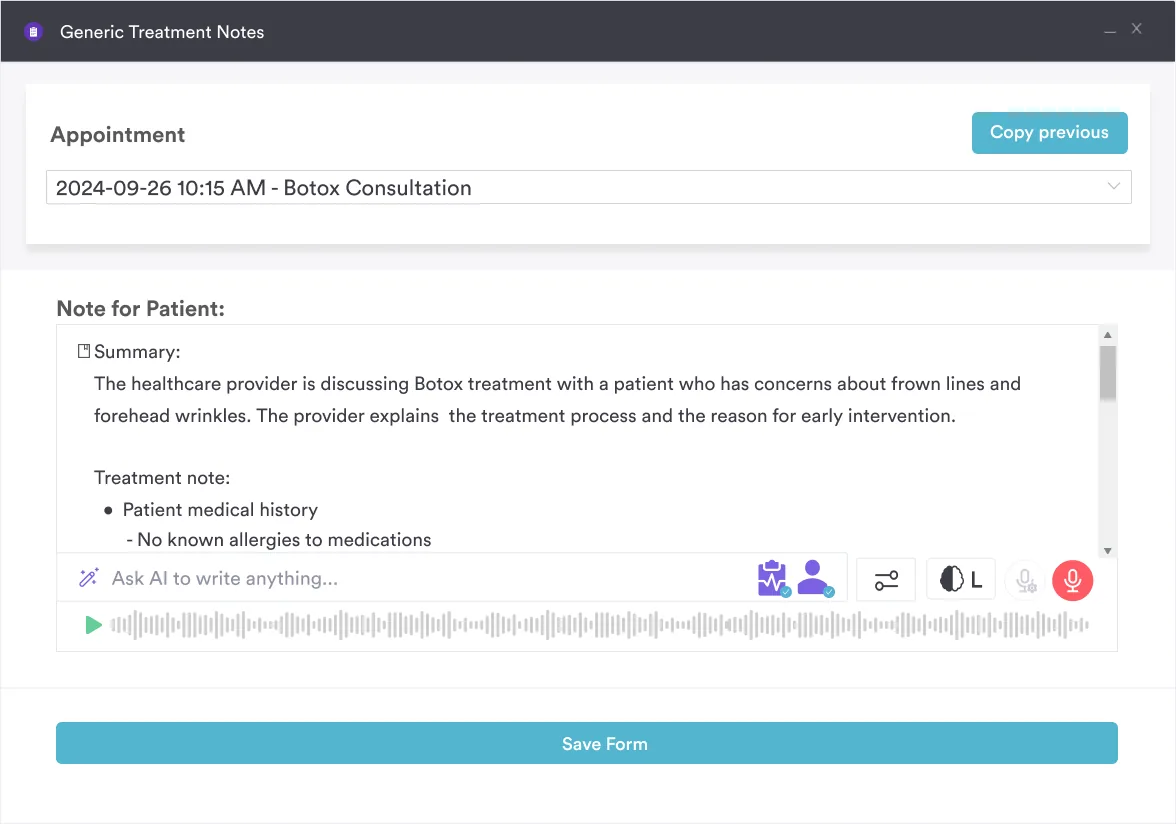
Post-go-live metrics should be defined before launch, not after. Useful early-stage KPIs include: appointment booking time, clinical note completion rate (notes completed same-day vs. backlogged), patient form completion rate prior to appointment, and billing submission cycle time. These measure whether the EHR is actually improving workflows, not just replacing paper. Practices using automated workflow tools often see faster improvements in these metrics because reminders, form delivery, and follow-up communications run without manual intervention.
Set a 90-day review meeting before go-live with your vendor’s customer success team. Use it to review adoption metrics, identify workflow gaps, and confirm all integrations are functioning correctly. Most implementation problems are fixable within the first 90 days if they are identified early.
Most EHR systems were designed for GP or hospital settings. Aesthetic and wellness practices run different workflows: same-day consent capture, before-and-after photography, treatment room allocation, and prescription management for injectable treatments. Generic EHR platforms require customization or workarounds for these requirements. Purpose-built medical spa software handles them out of the box.
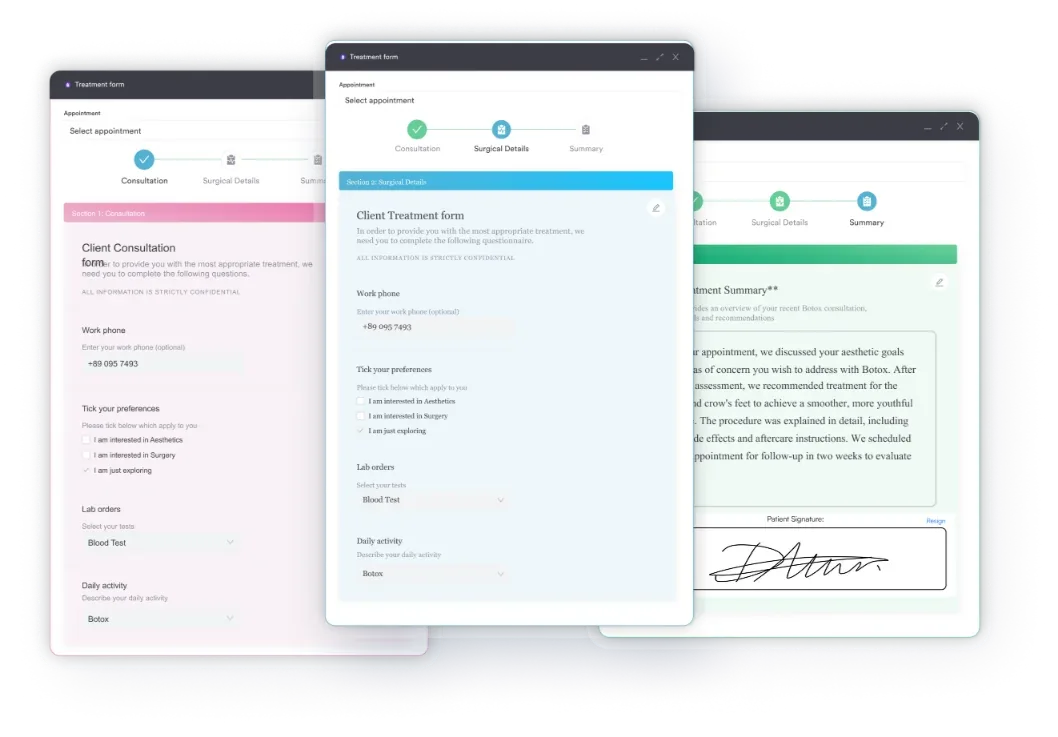
Pabau combines EHR functionality with practice management in a single platform. Digital intake forms are sent automatically before appointments and captured with digital signatures on arrival. Medical spa EMR software requirements like injection plotting, before-and-after photo management, and treatment plan documentation are built in rather than bolted on.
For the EHR selection criteria that matter most to multi-location aesthetic practices, Pabau covers centralized patient records across sites, per-location scheduling and reporting, and role-based access controls. The platform is used by aesthetic practices, wellness centers, IV therapy providers, and private GP practices across the UK, US, Australia, and South Africa. Pricing starts from $65 per month, with every subscription including every feature regardless of tier.

Book a demo to see digital forms, automated reminders, clinical notes, before-and-after photos, and multi-location scheduling in a single walkthrough built around your practice type.

The EHR selection process is not a procurement exercise. It is a workflow design decision made under commercial pressure, with long-term operational consequences. Practices that invest in structured requirements gathering, weighted scoring, and compliance-first due diligence consistently make better selections than those that shortcut to vendor demos.
For aesthetic and wellness practices with specific documentation, consent, and scheduling requirements, a purpose-built platform reduces the gap between what the software promises and what it actually delivers from day one. Book a demo with Pabau to see how the platform maps to your practice’s specific EHR selection criteria before you finalize your vendor shortlist.

Need to understand what your EHR must cover beyond basic scheduling? Practice management software features breaks down the core capabilities practices rely on day-to-day.
Comparing medical software before you switch? Best medical software guide reviews the top EMR platforms and the problems that push practices to switch.
The EHR selection process is a structured sequence of stages a practice uses to evaluate, compare, and choose an electronic health record system. It covers five phases: requirements gathering, scoring criteria, vendor demos, compliance due diligence, and implementation planning.
For a private aesthetic or wellness practice, four seats cover it: the practice owner or manager, a lead practitioner, a front-desk or client coordinator, and a billing or office manager. Each one tests the system against a different part of the job, so selection isn’t driven by a single stakeholder’s priorities.
Requirements gathering comes first, before any vendor is contacted. Document clinical, administrative, compliance, and integration needs across every role that will use the system, then convert them into weighted selection criteria. Skipping this step turns vendor demos into product tours instead of structured evaluations.
Document your workflow requirements, build a weighted scoring matrix, run structured scenario-based demos, verify compliance, and check references from similar practices. Due diligence on data portability and contract terms separates vendors who demo well from those who deliver after go-live.
Group criteria into four tiers: must-have compliance and clinical documentation requirements, high-value workflow features, nice-to-have specialty features, and vendor factors like support and contract flexibility. Aesthetic practices should also include consent workflows, before-and-after photo storage, and treatment room scheduling.
Five steps: (1) define requirements; (2) build a weighted scoring matrix; (3) shortlist vendors and run structured demos; (4) complete compliance and contract due diligence; (5) plan implementation with migration, training, and a 90-day post-go-live review.
An electronic medical record is the clinical chart for one practice: treatment notes, diagnoses, and history. An electronic health record is built to share that record across providers, so it adds interoperability and patient-facing access. In day-to-day practice software the terms overlap, and many platforms label the same clinical documentation either way.
Most private practices reach go-live in one to three months, with data migration and role-based training driving the timeline. Budget a two-to-four-week parallel-running period and a 90-day review, since a rushed rollout is what turns a good selection into the 6-to-18-month recovery practices want to avoid.