Anja Dodevska

Values exploration worksheet
Download your free values exploration worksheet A two-page printable form that o...

1
Last Updated: Nov 6, 2026
Free PDF 3 pages, print-ready Clinician-reviewed
A relationship expectations worksheet is a guided self-reflection form where each partner writes down what they want, need and won't accept. This three-page version has six sections with three prompts each, covering self-reflection, communication, expectations, conflict resolution, quality time and future planning. Partners fill it in separately, so the therapist starts the session with two written sets of answers to compare. This guide covers what each section asks, how to run the debrief in couples or individual therapy, and how to keep it from turning defensive.
A three-page worksheet with a personal information block and six sections of three prompts each. It covers self-reflection, communication, expectations, conflict resolution, quality time and future planning.
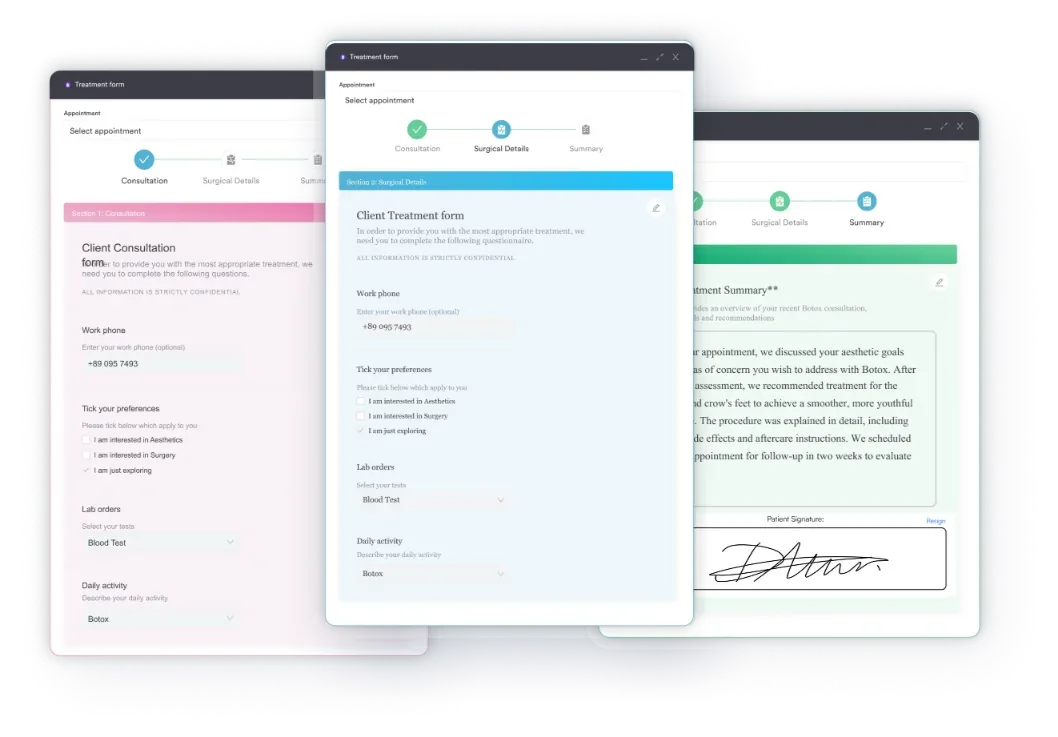
Start from scratch, or upload this PDF or any form you already use, and Pabau's AI Form rebuilds it with tick boxes, text fields and a signature. Attach it to the treatment once, and every patient gets it on time.
AI Form rebuilds the consent, history and aftercare forms you already use. You review each one, then publish.
Patients complete forms on their phone before they arrive, so the front desk stops retyping paper.
Every signed form is versioned and attached to the treatment record, ready when you need it.
Set how long a consent stays valid. Returning patients skip forms they have already signed.
Supports HIPAA and GDPR compliance AES-256 encryption 4.8 on G2 4.7 on Capterra Trusted by 4,000+ practices worldwide

A relationship expectations worksheet is a guided self-reflection tool that helps each partner put their expectations of a relationship into words before a session.
The worksheet has six sections with three prompts each: self-reflection, communication, expectations, conflict resolution, quality time, and future planning.
Written answers give the therapist specifics to work with, such as each partner’s dealbreakers and the behaviors they won’t tolerate in conflict.
Pabau, the practice software we build, sends the worksheet to each partner separately and files each completed copy in that partner’s own record.
The relationship expectations worksheet opens with a short personal information block for name, age, and date. Six numbered sections follow, each with three open prompts and space to write. The whole form fits on three pages.
The first two sections ask about each person before the partnership comes into it. Defining love, naming core values, and listing personal goals gives the rest of the form a reference point. A partner who lists career growth as a goal, for example, may answer the future-planning prompts very differently from one who lists starting a family.
The communication prompts then ask how each partner expresses love, how they prefer to communicate, and where they expect trouble. A partner who shows love through practical help may read a partner who prefers words as distant. Seeing both answers side by side often explains a complaint the couple has struggled to name.
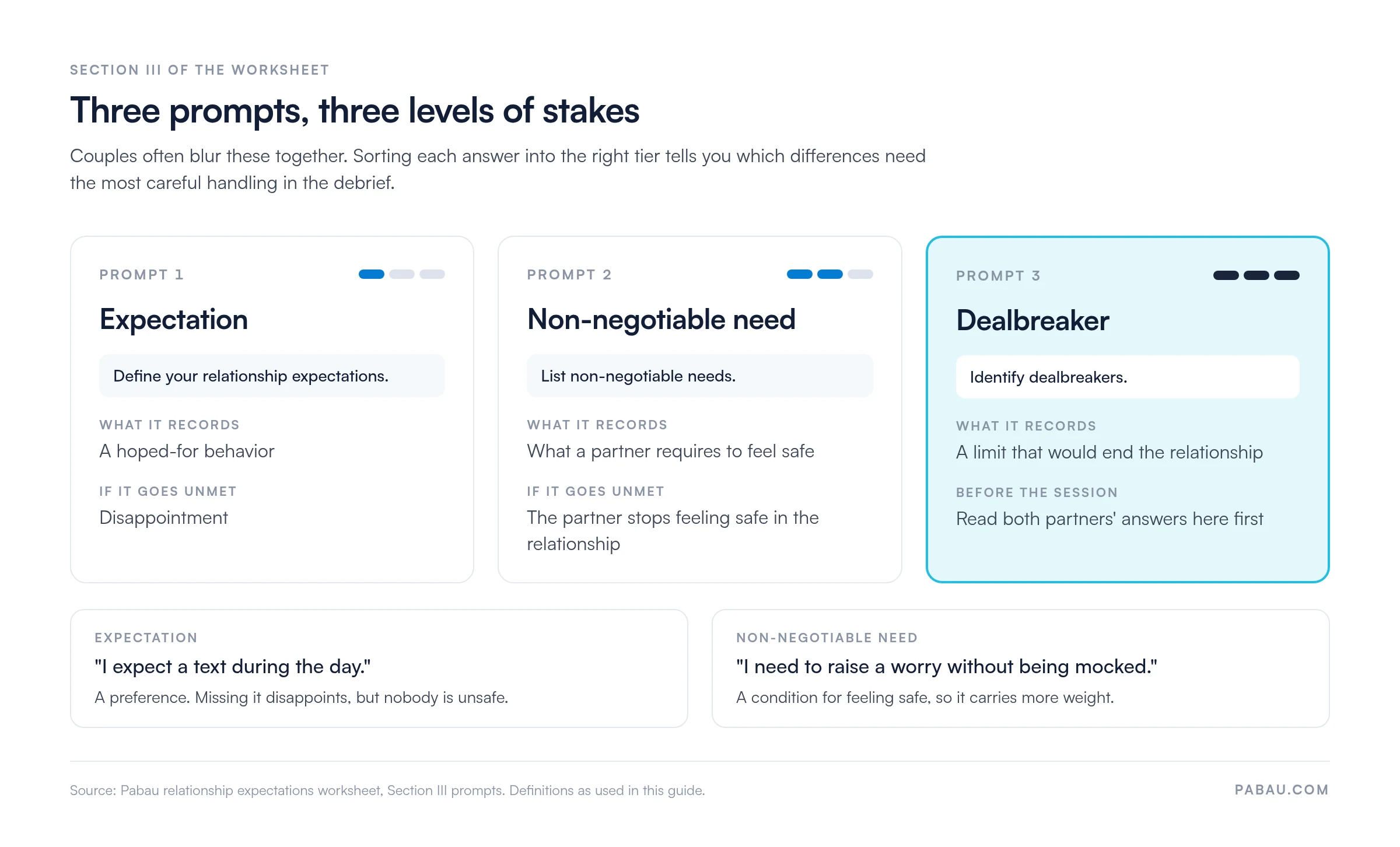
Section III separates three things couples often blur together. The first prompt asks for relationship expectations in general. The second asks for non-negotiable needs, and the third asks for dealbreakers.
That order matters in the debrief. An expectation is a hoped-for behavior, and an unmet one causes disappointment. A non-negotiable need is something the partner requires to feel safe in the relationship.
A dealbreaker is a limit that would end it. “I expect a text during the day” describes a preference, while “I need to raise a worry without being mocked” describes a need.
The three prompts carry rising stakes, and the debrief goes better when each answer sits in the right tier. Where a couple needs more than three lines on needs, a relationship needs checklist gives them a longer list to work through.
The last three sections move from attitudes to behavior. Section IV asks how each partner handles conflict, how they prefer to resolve it, and what they won’t tolerate in an argument. That last prompt often surfaces limits a couple has never stated, such as raised voices or leaving mid-conversation.
Section V is the most concrete part of the form. An ideal number of date nights and a list of favorite shared activities are answers partners can compare directly.
Section VI closes on long-term goals, relationship milestones, and each partner’s picture of the future. Differences here tend to matter most for couples deciding whether to commit.
The worksheet works best in two phases. Each partner completes it alone before the session, and you run a facilitated debrief in the session itself. Five steps cover both phases.
The worksheet adapts well for individual patients. Some are single and reflecting on past relationships or preparing for a new one, and others attend therapy alone while in a relationship. In solo work, the focus shifts from comparison between partners to self-awareness within the individual.
Ask the individual to complete the worksheet, then work through each section as a self-reflection exercise rather than a comparison. The self-reflection section fits solo work without any change. The non-negotiable needs and dealbreakers prompts in Section III are particularly useful too. Patients working alone often find it clarifying to name what they won’t compromise on without a specific partner in mind.
The relationship expectations worksheet is not only a first-session tool. Revisiting it every six to twelve months helps couples notice how their expectations and needs have shifted. Relationships change as life circumstances change, and expectations that were realistic at one stage may become a source of friction later.
Frame the check-in version as a maintenance exercise, not a sign that something has gone wrong. Couples who normalize periodic reviews tend to surface smaller disconnections before they escalate. Between full reviews, a shorter relationship check-in keeps the conversation going.
The worksheet helps couples therapists, individual therapists, coaches and group practices, at any stage of a relationship. It isn’t only for couples in crisis. Couples who are doing well can use it to spot differences before they turn into problems.
The benefits show up before, during and after the session.
Reduces session time spent on vague problem descriptions. Couples who arrive with the worksheet completed have already answered 18 specific prompts, from communication challenges to the things they won’t tolerate in conflict. The therapist can start from those answers instead of spending the opening of the session drawing out the problem.
Creates a written baseline for tracking change. Completed worksheets become part of the clinical record. Reviewing a couple’s initial responses six months into therapy shows, concretely, what has shifted. That evidence is motivating for patients and useful for clinical supervision.
Gives quieter partners a voice before the session begins. In many couples, one partner tends to dominate verbal communication in the room. A written format levels the field. Both partners get equal space to set out their expectations without being interrupted or talked over.
Before the session, read both partners’ answers to “Identify dealbreakers” in Section III. Do the same for “List things you won’t tolerate in conflicts” in Section IV. Those two prompts are where hard limits show up. Knowing them in advance tells you which differences need the most careful handling in the debrief.
Even a well-structured worksheet can trigger defensive reactions if the debrief is handled carelessly. These facilitation principles keep the discussion constructive.
Couples work brings a records problem that individual caseloads don’t. Two patients share one relationship, and each partner’s answers still need to stay confidential. Paper worksheets and a shared folder make that hard to manage.
In Pabau, you build the worksheet once as a digital form and send it to each partner separately. Each completed form is stored on that partner’s own client card, so one partner’s answers never show up in the other’s record. For UK practices, Relate’s page on relationship counselling is a useful link to share with couples before their first session.
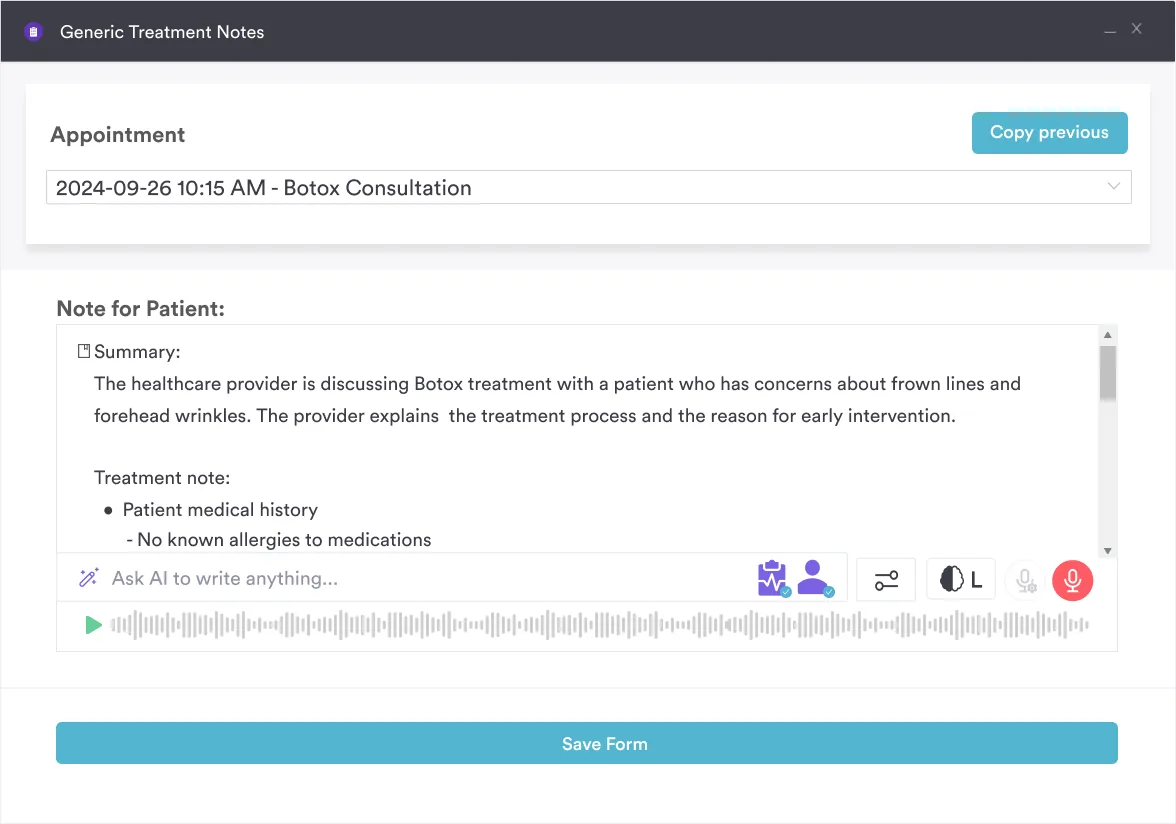
Pabau Scribe, our AI medical scribe, drafts structured session notes from the debrief conversation. You stay present in the room instead of writing while you listen. You review and edit each draft before it’s saved, so clinical judgment stays with you.
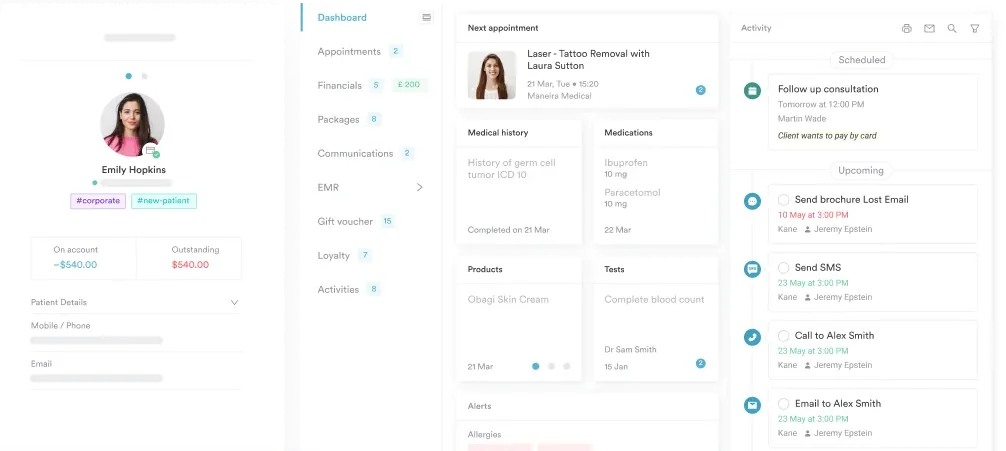
Pabau’s Client records keep completed worksheets, session notes and care plans together. In mental health practices with several clinicians, everyone works from one record instead of separate systems.

Send worksheets digitally, collect completed forms before sessions begin, and store each partner’s answers in their own record. Book a demo to see how Pabau supports therapists delivering relationship work.

The worksheet works because of its order. It starts with who each partner is, moves through how they talk and argue, and ends with where they want the relationship to go. By the time a couple reaches dealbreakers and future plans, both have already written about calmer topics. That makes the harder answers easier to discuss in the room.
Send it before the first session, read the dealbreakers first, and keep each copy to compare against six months later. Book a demo to see how Pabau sends the worksheet to each partner and files their answers separately.

Planning a full course of couples work? Couples therapy worksheet pairs session exercises with guidance on using them across a treatment plan.
Moving from expectations to shared goals? Relationship goals checklist helps partners agree on what they’re working toward together.
Need questions for the first joint session? Marriage counseling questions gives you prompts for opening up topics the worksheet surfaces.
Want a between-session exercise? Relationship journaling prompts offers 30 questions couples can write about at home.
A relationship expectations worksheet is a structured self-reflection tool used in couples therapy and individual counseling. It helps each person put into words what they expect from a romantic relationship, what they need, and what they won’t accept. This worksheet covers six sections: self-reflection, communication, expectations, conflict resolution, quality time, and future planning.
A useful worksheet covers how each partner thinks, communicates, argues, and plans. This one has six sections with three prompts each. Self-reflection asks how you define love, your core values, and your personal goals. Communication asks how you express love, your preferred style, and likely challenges. Expectations asks for relationship expectations, non-negotiable needs, and dealbreakers. Conflict resolution, quality time, and future planning complete the form. Each partner should fill it in alone before any shared discussion.
Therapists usually send the worksheet to each partner separately before the session. Each partner completes it without discussing their answers first. The in-session debrief then explores where the two sets of answers align and where they diverge. That comparison surfaces assumptions partners have rarely said out loud. It gives the therapist concrete material instead of memories of emotionally charged events.
Yes. The worksheet adapts well for individual patients by shifting the focus from partner comparison to personal self-awareness. Patients working alone use the self-reflection section to clarify their values and goals before entering a new partnership. The non-negotiable needs and dealbreakers prompts are particularly productive for individuals who have historically over-compromised in relationships.
Needs are non-negotiable requirements for a person’s psychological safety and emotional wellbeing. Expectations are hoped-for behaviors that cause disappointment when unmet, but not necessarily harm. Treating an expectation as a need inflates its importance. Treating a need as a mere preference can leave a patient feeling invalidated. The worksheet’s expectations section asks for each one separately, along with dealbreakers.
Revisiting the relationship expectations worksheet every six to twelve months helps couples notice how their needs and expectations have shifted with changing life circumstances. Major transitions, such as having children, career changes, or relocating, often alter expectations significantly. Periodic review normalizes the idea that expectations evolve, reducing conflict when they change and one partner has not noticed.