Massage Gift Card Template
A massage gift card template is a fill-in-the-blank certificate you customize wi...

23
Last Updated: Sep 11, 2026

The headache disability index is a 25-item self-report questionnaire measuring functional and emotional impact of headaches on daily life.
HDI scores range 0-100; higher scores indicate greater disability; clinically meaningful change is approximately 10 points or more.
The tool captures two key subscales: functional (11 items) and emotional (14 items) domains, essential for comprehensive headache assessment.
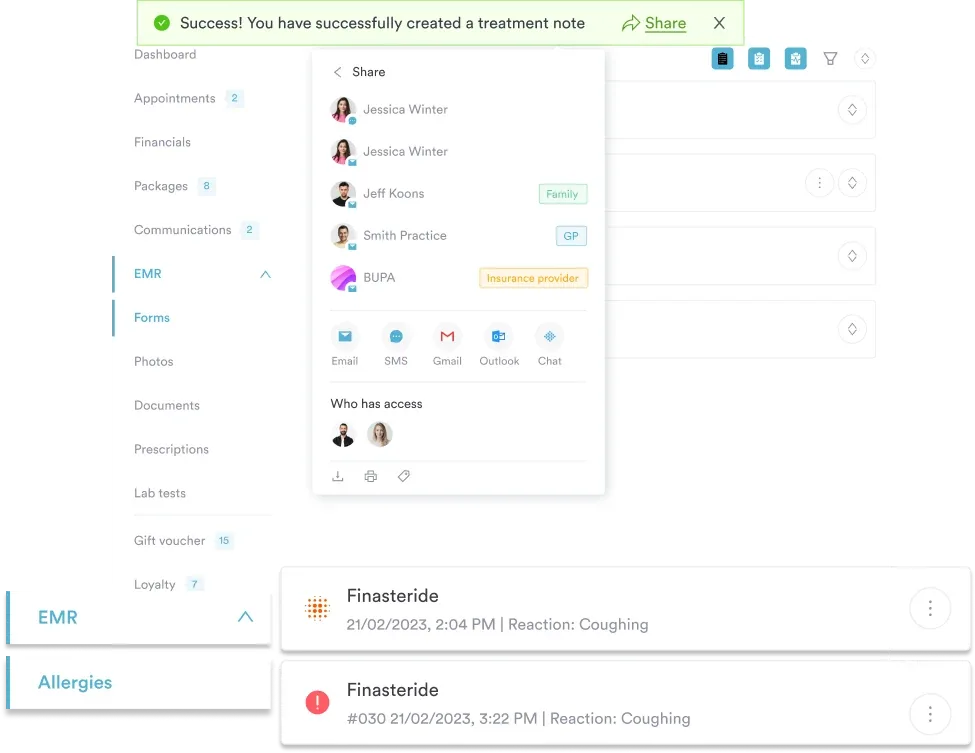
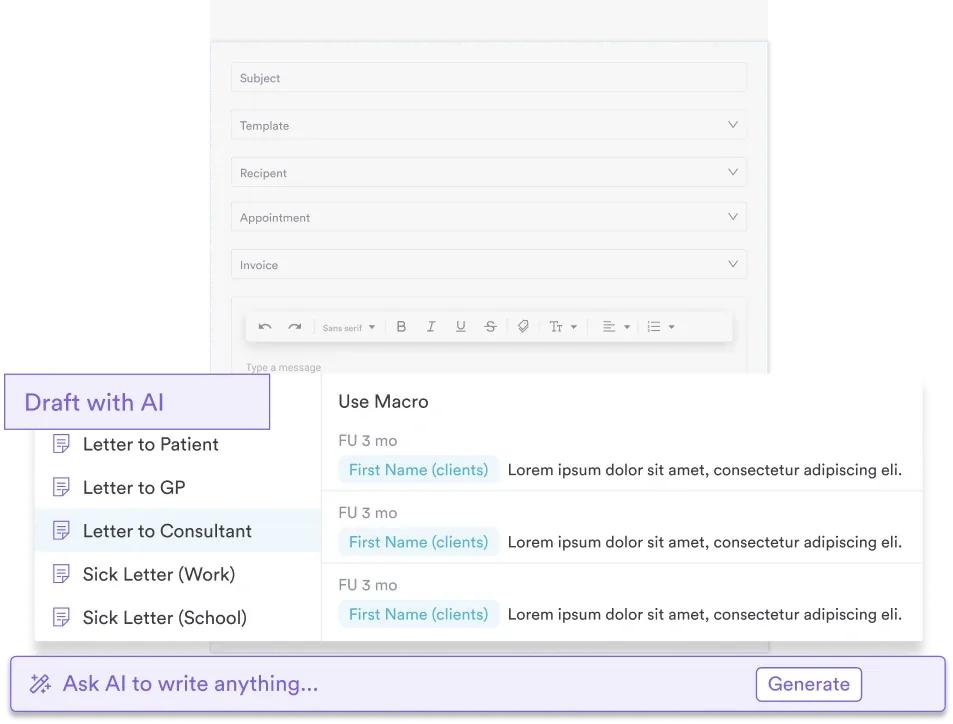
Pabau’s digital forms and clinical documentation features streamline HDI administration, scoring, and outcome tracking over time.
A standardised 25-item questionnaire measuring how headaches affect your patients’ daily functioning, work capacity, social engagement, and emotional wellbeing. Includes functional and emotional subscales with scoring guidance.
Download templateThe headache disability index measures the impact of headaches on daily living. This validated, 25-item questionnaire has become a widely used assessment tool across physical therapy, chiropractic, occupational health, and neurology practices worldwide.
The Headache Disability Index (HDI), developed at Henry Ford Hospital. The tool consists of 25 items organized into two subscales: functional (11 items covering work, social, and physical activities) and emotional (14 items addressing frustration, worry, and relationship stress).
Each item uses a simple response format: “Yes” (4 points), “Sometimes” (2 points), or “No” (0 points). Total scores range from 0 to 100, where higher scores indicate greater disability. The HDI has been shown to be reliable and valid across multiple clinical populations.
Adding the HDI to your clinic workflow needs clear steps and consistent scoring. Follow these steps to integrate the tool smoothly:
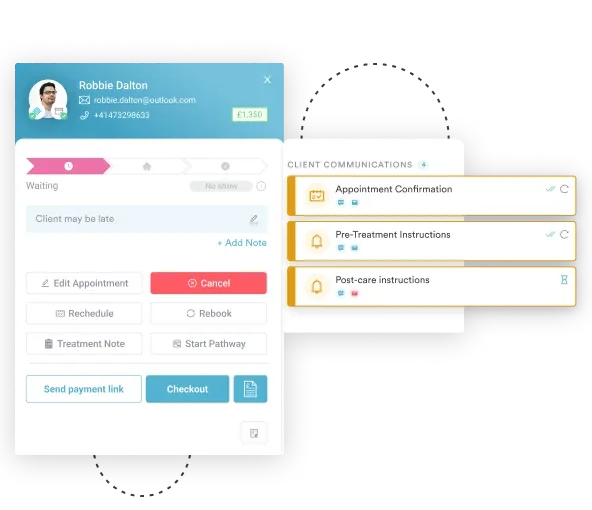
Book a demo to see how Pabau streamlines patient outcome measurement and generates clinical reports directly from assessment data.
Occupational therapists often score assessments like this directly inside occupational therapy software, keeping results attached to the treatment plan.

See how Pabau’s digital forms and reporting tools simplify outcome measurement and clinical decision-making.

The HDI is relevant across multiple clinical disciplines wherever headache assessment and outcome tracking are priorities.
Occupational health professionals, neurologists, and sports medicine clinicians similarly rely on the HDI for objective functional impact measurement. Rehabilitation facilities, primary care practices, and integrative medicine clinics add the HDI to their standard intake battery to establish comprehensive baseline functional status.
Objective functional measurement: The HDI quantifies disability in two domains (functional and emotional), moving assessment beyond subjective pain ratings. A patient reporting “5/10 pain” may have 0-100 points of documented disability impact-far more clinically actionable data.
Treatment progress tracking: Re-administering the HDI at standard intervals (4-week, 8-week, discharge) creates a longitudinal outcomes trail. Change scores reveal whether treatment is working or needs adjustment.
Communication with patients and payers: HDI scores translate clinical benefit into clear, standard language. “Your score improved from 58 to 38” resonates more than “Your headaches are getting better.” Payers increasingly value documented outcome measures when justifying treatment.
Evidence-based clinical decision-making: Structured documentation ensures no patient outcome data is overlooked.
Audit readiness and compliance: Standard, documented outcome measures show accountability to regulatory bodies (e.g., CQC in England, state licensing boards in the US). The HDI’s published measurement quality provides evidence-based support for its clinical use.
Document not just the total HDI score, but also each subscale score (functional and emotional separately). A patient with high emotional subscale scores but low functional scores may benefit from cognitive-behavioural or psychological interventions in addition to physical treatment.
Accurate scoring depends on carefully adding up each item and clearly interpreting the thresholds. The headache disability index scoring structure is as follows:
Interpretation thresholds typically follow this pattern: 0-28 = mild disability (patient reports minimal functional or emotional impact); 29-60 = moderate disability (patient experiences noticeable limitation in activities or mood); 61-100 = severe disability (headaches significantly restrict daily functioning and cause marked emotional distress).
A clinically meaningful change score is approximately 10 points or greater on the total HDI, though research in specific populations (e.g., post-concussion headache) may adjust this threshold.
Clinicians often encounter multiple headache assessment tools. The Migraine Disability Assessment (MIDAS) is broader, capturing frequency and severity of migraine days over a 3-month window. The Headache Impact Test (HIT-6) uses only 6 items, making it quicker but less granular than the 25-item HDI. The Neck Disability Index (NDI) focuses on neck-specific functional impact and is commonly paired with the HDI in structured rehabilitation assessment tools when cervicogenic headache is suspected.
The HDI’s dual subscale structure (functional and emotional) offers clear advantages for treatment planning. A patient with high emotional scores may benefit from stress management or thought-retraining techniques. A patient with high functional scores but low emotional scores might require posture or workstation changes. This specificity informs targeted, individualised treatment strategies.
The headache disability index is a practical, evidence-based tool for quantifying headache impact on daily functioning. Its dual subscale structure supports clinical decision-making across multiple disciplines. Whether you’re managing cervicogenic headache in a chiropractic setting, post-concussion headache in physical therapy, or tension-type headache in primary care, the HDI provides actionable baseline and progress data. Download the free template today and integrate standardized outcome measurement into your clinic workflow. See how Pabau’s digital forms and outcome tracking features streamline administration and clinical reporting.

Chasing lateral midfoot pain with a clear X-ray? Cuboid syndrome test checks for the calcaneocuboid shift behind lasting lateral midfoot pain.
Classifying an ankle fracture from the X-ray? Danis-Weber classification guide gives a fast, radiograph-based framework for fibular fracture types.
Testing for wrist pain on the thumb side? Eichhoff’s test guide covers the procedure, interpretation, and how it differs from Finkelstein’s test.
The headache disability index quantifies how headaches affect a patient’s daily functioning and emotional wellbeing. Clinicians use it to establish baseline disability, track treatment progress, and make evidence-based decisions about treatment adjustments. The two subscales (functional and emotional) help identify whether headache impact is primarily related to activity limitation or emotional distress.
Add responses across all 25 items (Yes=4 points, Sometimes=2 points, No=0 points). The functional subscale (11 items) ranges 0-44; the emotional subscale (14 items) ranges 0-56. Total HDI score is 0-100, where higher scores indicate greater disability.
A change of 10 points or greater on the total HDI score is generally considered clinically meaningful. Some research suggests lower thresholds (5-8 points) in specific populations, but 10 points is the standard benchmark for treatment efficacy evaluation.
The Headache Disability Index was developed at Henry Ford Hospital. The original validation study (Jacobson et al., 1994) established its psychometric properties, including test-retest reliability and construct validity across clinical populations.
Yes, the HDI is frequently used in post-concussion rehabilitation settings to quantify headache-related disability. However, population-specific validation studies are limited, so clinicians should combine HDI results with additional concussion-specific measures (e.g., Impact Concussion Scale, graded return-to-activity protocols) for comprehensive assessment.