HD Brows consultation form: Free template and guide
HD Brows is a seven-step brow treatment that combines consultation, tinting, wax...

2
Last Updated: Oct 13, 2026

Biotin (vitamin B7) injections require structured aftercare instructions to manage injection-site reactions, minimize bruising, and optimize treatment outcomes.
Post-injection care includes hydration, rest, avoiding alcohol for 24 hours, and avoiding strenuous exercise if the injection site feels tender.
Allergic reactions to injectable biotin products are documented, and as with any injection, anaphylaxis is a rare but possible emergency staff must be ready to manage. Biotin’s interference with laboratory tests must also be covered in every patient’s aftercare guidance.
Practice management software like Pabau automates aftercare workflows, helping practices deliver consistent, compliance-aligned instructions via patient portal or SMS.
A ready-to-use aftercare instruction form for aesthetic and wellness practices to distribute following biotin vitamin B7 injections. Covers immediate post-injection care, bruising and swelling management, activity restrictions, hydration guidance, medication interactions, and clear escalation pathways for complications.
Download templateAftercare instructions for biotin injections turn a quick “rest and hydrate” chat into a documented step every patient leaves with. Whether you call them biotin injections or biotin shots, a standardized form keeps the advice consistent across practitioners and gives you an audit-ready record. Kept digitally, that record sits in the patient’s chart, one of the clinical areas our comparison of the best med spa software covers.
This template goes beyond patient-facing tips to the practice workflow behind them: the FDA lab-test warning that belongs on every biotin aftercare sheet, and how intramuscular and subcutaneous aftercare differ.
An aftercare instructions form for biotin injections is a patient-facing document that outlines post-treatment care, expected reactions, activity restrictions, and escalation guidance following a vitamin B7 injection appointment. These forms serve multiple functions: they set clear expectations, reduce patient anxiety, minimize preventable complications, and create a documented record that protects both the practice and the patient.
A biotin intramuscular injection (IM) is typically given in the upper arm or buttock, while a biotin subcutaneous injection goes into the fatty tissue of the abdomen or thigh. The route and injection site affect the type of aftercare advice needed.
A comprehensive aftercare form addresses both routes and helps patients understand which mild reactions are normal and when to seek medical advice.
In the US, most states require injectable treatments to be performed under a licensed prescriber or medical director, and thorough aftercare documentation supports that oversight. In the UK, aesthetic practices and wellness practitioners offering injectable vitamin therapies are subject to Care Quality Commission (CQC) oversight if registered as independent healthcare providers.
Providing structured digital forms and aftercare guidance demonstrates compliance with these expectations for patient safety documentation. A standardized template also ensures consistency across all patients and reduces reliance on verbal-only instructions that patients may forget.

Implementing an aftercare instructions form involves five key operational steps that integrate the form into your practice’s patient journey:
Aftercare instructions for biotin injections are essential for any medical spa, aesthetic practice, wellness center, longevity practice, or functional medicine practice offering injectable vitamin therapies. This includes:
Any practice administering biotin injections must provide written aftercare guidance, regardless of whether injections are the primary service or a supplementary treatment. This is both a legal best practice (supporting CQC/GPhC compliance in the UK, or state licensing requirements in the US) and a clinical best practice that improves patient outcomes and satisfaction.
Medical records software keeps every version of a completed form audit-ready.
Implementing a structured aftercare instructions template delivers multiple operational and clinical benefits:
Store a master copy of your aftercare instructions form in your patient management system so every practitioner has access. Update it annually to reflect any changes in your practice’s contact details, emergency protocols, or safety guidelines. If using compounded biotin from a pharmacy, ask the pharmacy for their recommended aftercare language and integrate it into your practice’s template for consistency.
Aftercare instructions must address the most common biotin injection side effects so patients know what to expect and when to escalate. Most reactions are mild and resolve within 24-48 hours:
Injection-site bruising and swelling: Mild bruising at the injection site is normal and may take one to two weeks to resolve completely. Patients can apply ice in the first 24 hours to reduce swelling, then switch to heat if desired.
Acetaminophen (paracetamol) is safe to take for mild pain, though ibuprofen may slightly increase bruising risk. Patients should avoid direct pressure on the injection site and skip makeup until any visible swelling subsides.
Redness and itching at the injection site: Mild redness or itching is common in the hours after injection and typically resolves within 24 hours. Advise patients to keep the area clean and dry, avoid scratching, and skip makeup or tight clothing over the site.
If itching persists beyond 48 hours or spreads beyond the immediate injection area, patients should contact the practice to rule out delayed hypersensitivity.
Gastrointestinal upset: Some patients experience mild nausea or stomach discomfort after biotin injection, likely related to the injection experience itself rather than biotin specifically. Recommend small, frequent meals and avoid rich or spicy foods for 24 hours. Dehydration can worsen symptoms, so maintaining hydration is important.
Rare allergic reactions: Allergic reactions to injectable biotin products, such as rash, itching, or localized swelling, are documented. As with any injection, anaphylaxis is a rare but possible emergency that staff must be prepared to manage.
Aftercare instructions must clearly state that patients should seek emergency medical attention immediately if they experience difficulty breathing, throat tightness, severe facial swelling, hives covering a large body area, or a rapid heartbeat. Most practices keep epinephrine (adrenaline) auto-injectors on-site, and patients should know the practice’s emergency protocol.
Aftercare instructions must include a contraindications checklist to ensure patients understand absolute and relative risks:
Absolute contraindications (do not administer biotin injections): Known allergy to biotin or any component of the product.
Relative contraindications (use with caution and medical supervision): These conditions don’t rule out treatment, but they call for the prescriber’s sign-off first:
Laboratory test interference: The FDA has issued warnings that biotin can interfere with certain laboratory tests, particularly high-sensitivity troponin assays (falsely lowering results, potentially masking heart disease) and thyroid function tests.
Patients undergoing scheduled labs in the days following biotin injection should tell their laboratory that they’ve had biotin therapy. This is a critical safety detail that aftercare forms must emphasize.
Alcohol, aspirin, and medication interactions: Advise patients to avoid alcohol for at least 24 hours before and after the injection, since alcohol thins the blood and increases bruising risk.
During the first 24 to 48 hours of healing, recommend acetaminophen (paracetamol) over aspirin or NSAIDs for any discomfort, since these increase bruising risk while the injection site is still healing. For their next biotin injection, patients can ask their prescriber whether it’s safe to hold aspirin or other blood-thinning medications beforehand.
Biotin does not have major drug interactions, but patients should disclose all medications to the prescribing practitioner.
Clear escalation pathways are essential. Aftercare instructions should explicitly state when patients should contact the practice or seek emergency care:
Contact the practice within 24 hours if:
Seek emergency medical attention immediately if:
Provide your practice phone number, emergency after-hours contact, and clear instructions for accessing emergency care (nearest emergency room or urgent care center) directly on the aftercare form. This removes ambiguity and ensures patients know how to reach you if they need guidance.
Using digital forms and automated documentation tools in your practice management system ensures every aftercare instruction is timestamped, linked to the patient record, and retrievable for audits or complaints.
In the UK, CQC inspectors expect this evidence on file. In the US, state medical boards hold practices to a similar standard for injectable treatments.
Document the following in the patient’s record:
This documentation protects the practice in the event of a complication and demonstrates to regulators that safety protocols were followed. Pabau’s practice management software, with built-in compliance tracking, makes this process streamlined and auditable.

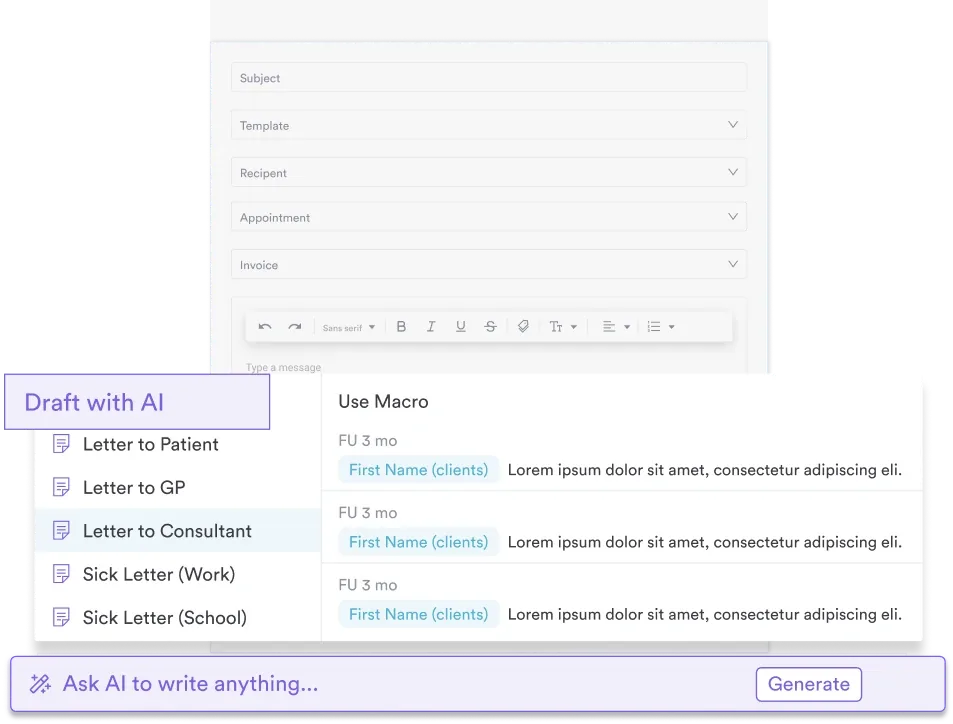
Pabau’s digital forms and automated workflow tools help practices provide consistent, compliance-aligned aftercare instructions via patient portal or SMS, with no manual printing and no missed steps.

A well-designed aftercare form is clear, scannable, and addresses the most important information first. Use headings and bullet points to break up text. Include your practice logo and contact details prominently.
Keep the language plain and non-technical. Patients may be anxious or distracted after treatment, so straightforward guidance matters most.
Structure your form in this order:
Consider adding a tear-off section so patients can keep a copy at home while the original stays in the patient file.
Aftercare instructions for biotin injections are a non-negotiable part of safe, professional aesthetic and wellness practice. They set clear expectations, reduce anxiety, minimize preventable complications, and demonstrate regulatory compliance.
A standardized, clinically sound aftercare form, whether printed or delivered digitally, signals professionalism, builds patient trust, and protects your practice legally. Use the downloadable template above to get started today.

Documenting anti-wrinkle treatments too? Anti-wrinkle treatment note template covers contraindication screening, injection site mapping, and aftercare instructions.
Offering Bellast dermal filler treatments? Bellast dermal filler consent template covers the treatment, risks, and post-procedure care for patients.
Offering CoolSculpting treatments too? CoolSculpting treatment form template covers what a CoolSculpting treatment form should include for compliance and care.
Also treating dermal filler patients? Our Belotero aftercare instructions template gives your team a matching protocol for filler patients.
Pairing biotin with a post-procedure skincare routine? The Alastin skincare aftercare instructions template covers product sequencing for recovering skin.
Aftercare instructions for biotin injections are written or digital guidance provided to patients immediately following their vitamin B7 injection appointment. They outline expected post-injection reactions, activity restrictions, when to seek medical advice, and medication interactions, helping patients understand normal recovery versus warning signs.
Patients should avoid strenuous exercise for at least 24 hours after the injection, particularly if the injection site feels tender. Light activity is acceptable. The goal is to prevent increased blood flow to the injection site during the first 24 hours, which can increase bruising.
Yes, acetaminophen (paracetamol) is safe and commonly recommended for mild post-injection pain or discomfort. Ibuprofen is also generally safe but may slightly increase bruising risk. Patients should always disclose all medications to the practitioner before injection.
While biotin is generally considered safe, injectable biotin during pregnancy and breastfeeding should only be administered under the supervision of a healthcare provider familiar with the patient’s medical history. Practitioners must document this decision and obtain explicit informed consent.
The FDA has issued warnings that biotin can interfere with certain laboratory tests, particularly high-sensitivity troponin and thyroid function tests. Patients undergoing scheduled labs within days of biotin injection should inform their laboratory to ensure accurate test results.
IM (intramuscular) injections are typically given in the upper arm or buttock and may cause more initial discomfort. Subcutaneous injections go into fatty tissue (abdomen or thigh) and often cause less bruising. Both routes require the same general aftercare (rest, hydration, avoiding alcohol for 24 hours), but aftercare forms should clarify which route the patient received so they understand expected reactions.
There is no universal schedule. Frequency depends on the patient’s biotin levels, goals, and any deficiency, so the prescriber sets a personalized plan, often weekly at first and then tapering to once or twice a month. Record the agreed interval on the aftercare form so the patient knows when to rebook.
Biotin itself has low toxicity, and the body excretes most of any excess in urine. The bigger risk from high doses is skewed lab work: biotin can distort thyroid function tests and troponin assays, potentially masking a heart problem. Patients should tell any lab they have had a biotin injection, and practices should avoid stacking multiple biotin-containing products.