Sulcus Test: Shoulder Instability Assessment
The sulcus test is an orthopedic special test that checks for inferior glenohume...

1
Last Updated: Oct 22, 2026
A GI medication list is a clinical reference that groups gastrointestinal drugs by class, with brand names, typical doses, and indications for each. Gastroenterology practices and nursing teams use it when treating GERD, IBD, dysmotility, and other digestive disorders.
This one covers seven classes, from proton pump inhibitors (PPIs) and H2 blockers to laxatives, immunosuppressants, and pancreatic enzymes. It closes with the GI side effects of GLP-1 drugs, which gastroenterologists now meet in patients presenting with nausea.
Keeping the list current cuts prescribing and documentation errors, and it supports digital forms and clinical audits. Download the free PDF below and customize it for your formulary.
A printable fill-in list with the patient’s name, date of birth, and MRN at the top, plus tick-box rows for each item, quantity, and confirmation. Use the blank rows to record the GI drugs and doses from this guide that apply to your patient.
Download template
A GI medication list organizes gastrointestinal drugs by class, with doses and indications, so the whole team prescribes from one reference.
Proton pump inhibitors (omeprazole, pantoprazole, esomeprazole) are first-line for GERD and peptic ulcer disease. H2 blockers such as famotidine suit selected patients.
Antiemetics span several classes: 5-HT3 antagonists (ondansetron), dopamine blockers (metoclopramide), and anticholinergics (hyoscine), each with its own indications and safety profile.
Pabau’s AI medical scribe and clinical record management help practices document medication lists and treatment notes for compliance.
The list is a curated reference for the drugs most often prescribed or given in gastroenterology and digestive health settings. It documents generic names, brand names, typical dosing ranges, and clinical indications, creating a single source of truth for practice teams.
Gastroenterologists, nurse practitioners, physician assistants, registered nurses, and practice managers rely on medication lists to:
A shared list also means a new hire or covering clinician doses from the same reference as the lead gastroenterologist.
Five steps take the PDF from download to a reference your team relies on.
Train new staff on the list during onboarding, and keep a version log that records each change and its approval date.
Proton pump inhibitors suppress gastric acid production and are the first-line treatment for gastroesophageal reflux disease (GERD), peptic ulcer disease, and acid-related gastrointestinal disorders.
Long-term PPI therapy requires monitoring for potential adverse effects, including bone loss and vitamin B12 deficiency. According to American College of Gastroenterology guidance, reassess the need for continued PPI therapy periodically.
H2 blockers (H2 receptor antagonists) reduce gastric acid by a different mechanism than PPIs and may be preferred for certain patients or conditions. Famotidine is now the primary H2 blocker following ranitidine’s 2020 FDA withdrawal.
PPIs are more potent and provide more sustained acid suppression than H2 blockers, making them the preferred first-line for erosive GERD and peptic ulcer disease. H2 blockers remain useful for patients who cannot tolerate PPIs or require less aggressive acid suppression.
Either choice belongs on the patient’s current medication list, where it can be checked against the rest of the regimen. If a patient also takes antiretrovirals, a dedicated HIV medication list keeps that regimen, its doses and review dates in one place.
Nausea and vomiting are frequent complaints in gastroenterology practice. Anti-nausea medication selection depends on the underlying mechanism (chemoreceptor trigger zone, vestibular, GI motility) and patient factors.
Ondansetron is widely used in GI practice for post-procedure nausea and chemotherapy-induced emesis. Metoclopramide offers both antiemetic and prokinetic effects but carries a black-box warning for tardive dyskinesia with long-term use.
Anticholinergic drugs reduce GI smooth muscle spasm and are commonly prescribed for irritable bowel syndrome, functional dyspepsia, and painful bowel conditions. These medications block acetylcholine receptors to decrease motility and spasm.
Anticholinergic medications carry anticholinergic side effects (dry mouth, blurred vision, urinary retention), so baseline patient assessment and symptom monitoring are essential.
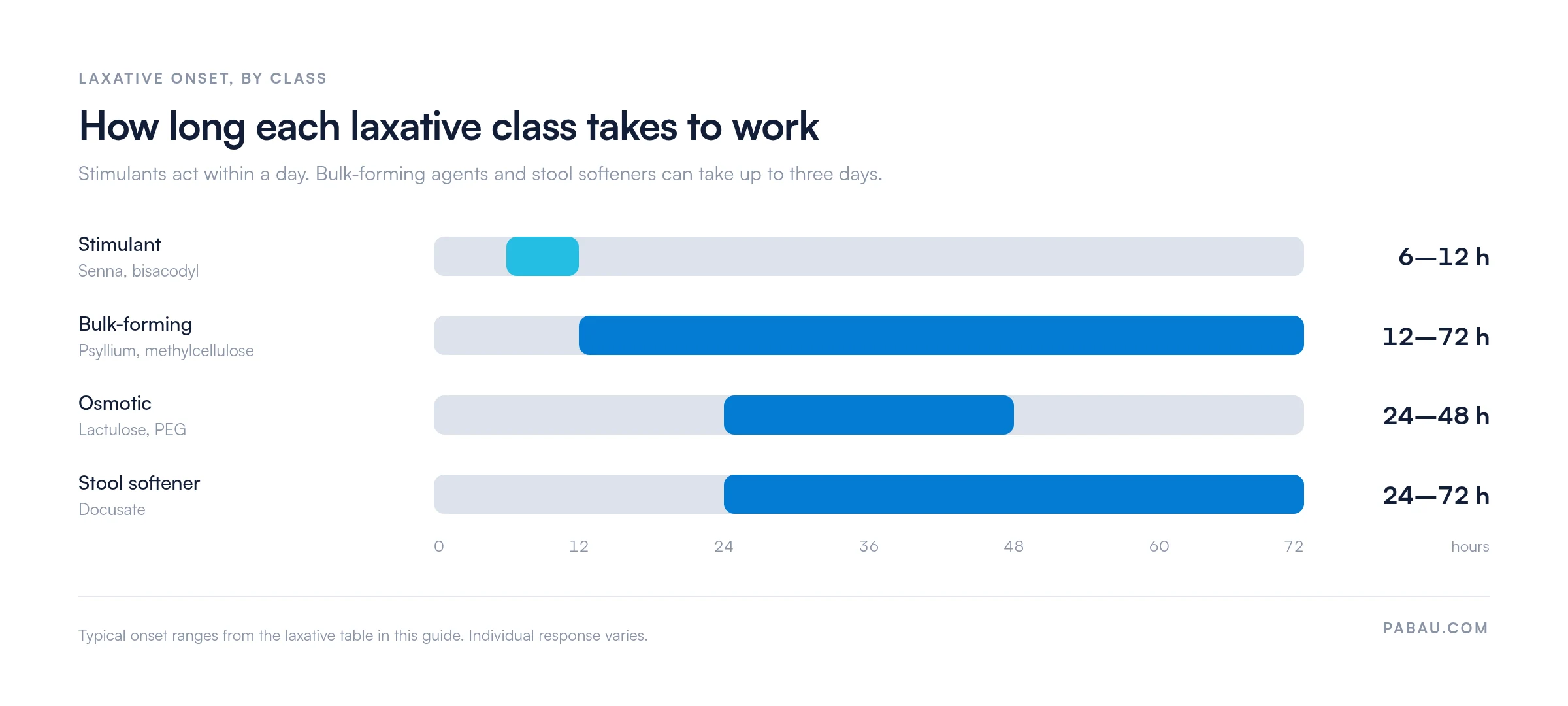
Constipation management in GI practice requires categorizing laxatives by mechanism. Each class has distinct onset times, patient acceptability, and long-term safety profiles.
Osmotic laxatives (PEG solutions) are preferred for acute constipation and bowel prep. Stimulant laxatives carry a risk of dependence and should be reserved for short-term use. Bulk agents require adequate hydration and are contraindicated in bowel obstruction.
Onset is often what decides the choice. Stimulants work overnight, while bulk agents and stool softeners can take up to three days.
Inflammatory bowel disease (Crohn’s disease and ulcerative colitis) frequently requires immunosuppressive therapy when conventional treatments fail. Immunosuppressant selection depends on disease severity, prior responses, and patient comorbidities.
All immunosuppressants require baseline TB screening, hepatitis serology, and regular CBC monitoring. Counsel patients on infection risk and malignancy screening per your institution’s protocols.
Infliximab and vedolizumab are high-cost specialty drugs, so most plans require prior authorization before the first infusion is scheduled. Start that paperwork as soon as the treatment is agreed, so an approval delay does not cost the infusion slot.
For a condition-specific breakdown of these agents, our Crohn’s disease medication list covers each IBD drug class in more depth.
Pancreatic enzyme replacement is essential for managing exocrine pancreatic insufficiency (EPI) caused by chronic pancreatitis, cystic fibrosis, or pancreatic surgery. Dosing must account for meal fat content and individual enzyme activity.
Pancreatic enzymes must be taken with food and are best given as enteric-coated formulations to protect enzyme activity in the stomach. Acid-suppressive therapy (PPIs) may enhance absorption in selected patients. Labeled dosing is weight-based, so treat the fixed adult range as a starting point and individualize it to symptoms and stool fat.
GLP-1 receptor agonists (semaglutide, liraglutide) and the dual GIP/GLP-1 agonist tirzepatide are increasingly prescribed for weight loss and diabetes. Gastroenterologists need to recognize delayed gastric emptying and gastroparesis risk in patients presenting with nausea or vomiting. Many of these patients are prescribed by practices running software for weight-loss clinics, so ask for their titration history at referral.
Refer to FDA prescribing information and the latest FDA drug safety updates for current guidance on GLP-1 agonist adverse events. For brand-by-brand dosing, see our GLP-1 medication list.
A printed list by the nurses’ station works until someone updates the PDF and the laminated copy stays as it was. The fix is to keep the reference where clinicians already document.
Pabau’s patient records hold each patient’s medication history next to their consultation notes. Pabau Scribe, our AI medical scribe, drafts the note from the conversation, so the drug and dose discussed land in the record without retyping.

Store the GI medication list in Pabau as a linked resource in consultation forms. Clinicians can then check dosing during the appointment without switching systems.
Automated workflow reminders can flag the quarterly list review and each patient’s medication review date, so neither one slips.
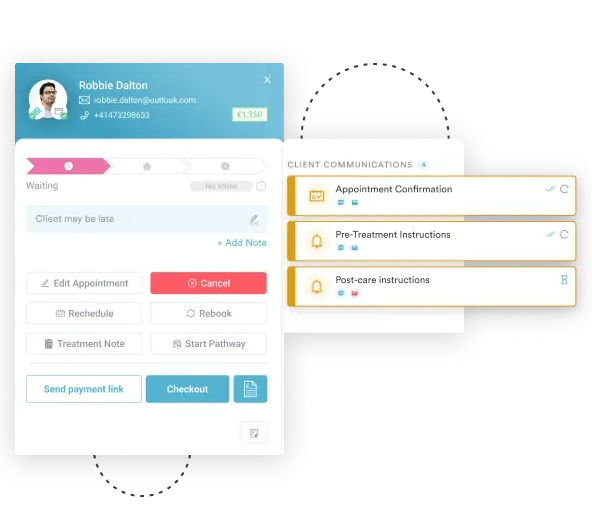

Pabau links your medication reference to patient records and consultation notes, and automates review reminders. Your team documents GI prescribing faster, with fewer transcription errors.

A GI medication list only protects patients if the team trusts it, so ownership matters more than format. Name one clinician to own the quarterly review, and log every change with a date.
Trim the PDF to the drugs on your own formulary first. A list that matches local prescribing is quicker to scan mid-consultation, and stale entries stand out when they do creep in.
The next step is moving the list into the record your clinicians already write in. Book a demo to see how Pabau keeps GI medication histories and review reminders in one place.

Treating ulcerative colitis specifically? Ulcerative colitis medication list sorts aminosalicylates, steroids, and biologics by disease severity.
Managing acute diarrhea? Antidiarrheal medication list covers loperamide, bismuth, and the other agents that sit opposite the laxatives above.
Pairing PPIs with diet advice? 7-day GERD diet plan gives reflux patients a week of meals to follow alongside acid suppression.
Supporting patients after a GI flare? Gastrointestinal soft diet food list lists gentle foods for recovery after procedures or flares.
Working up IBS symptoms? FODMAP food list helps patients trial a low-FODMAP diet before you add antispasmodics.
A GI medication list is a clinical reference that groups gastrointestinal drugs by class, such as PPIs, H2 blockers, antiemetics, laxatives, and immunosuppressants. For each drug it records generic and brand names, typical dosing, and indications.
Proton pump inhibitors (PPIs) such as omeprazole are among the most frequently prescribed GI medications. They are first-line for GERD, peptic ulcer disease, and other acid-related disorders.
H2 blockers like famotidine are preferred for mild reflux symptoms, patients intolerant to PPIs, or situations requiring less aggressive acid suppression. PPIs remain first-line for erosive GERD and peptic ulcers due to superior efficacy.
Ondansetron (5-HT3 antagonist) is widely considered safe and effective for post-procedure nausea. Metoclopramide provides prokinetic benefit but carries a black-box warning for long-term use. Reserve it for short-term acute indications.
Download the template above and customize it for your prescribers’ formulary and local guidelines. Print copies for clinical areas, and link a digital version in your practice management system. Schedule quarterly reviews to check for withdrawn agents and update dosing guidance.