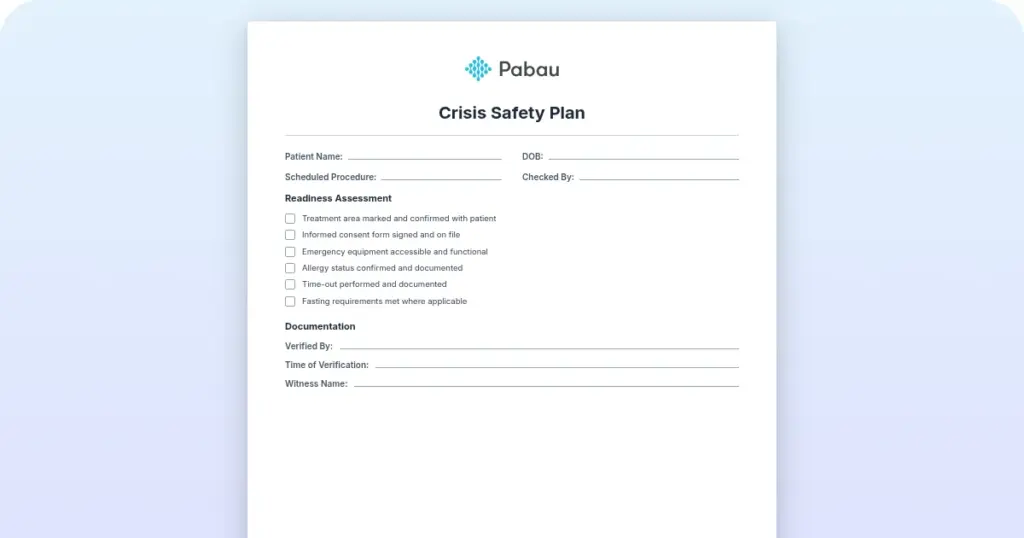
Crisis safety plan template
A crisis safety plan is a short, personalized written plan that a patient and cl...

1
Last Updated: Oct 19, 2026

A behavioral experiment worksheet is a structured CBT tool that guides clients through testing unhelpful thoughts and beliefs in real-world situations.
The worksheet follows five core steps: identify the belief, make a prediction, plan the experiment, execute it, and evaluate the outcome, each one measurable and clinically grounded.
Unlike exposure therapy, behavioral experiments focus on hypothesis testing rather than habituation, making them suitable for anxiety, OCD, depression, and social anxiety.
Practice management software like Pabau lets you embed the worksheet in a client’s record, linking outcomes to session notes so you can track belief change over time.
A ready-to-use PDF worksheet covering belief identification, prediction setting, experiment planning, outcome measurement, and reflection on learning. Ideal for CBT interventions across anxiety, OCD, depression, and social anxiety presentations.
Download templateA behavioral experiment worksheet turns a client’s anxious prediction into a test they can run and measure, rather than a belief you argue about in the room. Below you’ll find the five-step worksheet to download, worked examples for social anxiety, OCD, and depression, and a practical way to file each completed experiment against the client record so belief change is tracked from one session to the next. It’s written for CBT therapists, counselors, and coaches who want their documentation to double as clinical evidence. Comparing a result against earlier sessions is quicker when software for psychology practices holds the history.
A behavioral experiment worksheet is a structured therapeutic tool used in cognitive behavioral therapy (CBT) to help clients systematically test and challenge unhelpful thoughts or beliefs. It provides a framework for moving from abstract worry or prediction into concrete, observable action.
The worksheet operationalizes the core CBT principle: that our thoughts influence our feelings and behaviors, and that testing those thoughts through lived experience creates lasting change. Rather than debating beliefs in the therapy room, clients design real-world experiments to gather evidence for or against their assumptions.
Clinical governance bodies including the National Institute for Health and Care Excellence (NICE) and the British Association for Behavioural and Cognitive Psychotherapies (BABCP) recognize behavioral experiments as a cornerstone technique within evidence-based CBT. The worksheet ensures consistent, replicable documentation of each experiment’s design and outcomes.
The behavioral experiment worksheet follows a structured five-step process that mirrors the clinical workflow in session:
This step-by-step structure transforms a vague anxiety or worry into a measurable, manageable experiment. Each element builds on the previous one, creating a clear audit trail of the client’s belief change over time.
Here is how the five steps look for a client with social anxiety who believes that speaking up in meetings will lead to visible judgment.
The same structure adapts to other presentations. An OCD client might test whether leaving the door unchecked leads to the feared consequence. A client with depression might test the prediction that a short walk will feel pointless. Each experiment isolates one belief and one measurable prediction.
Platforms differ widely in how they handle clinical worksheets; comparing Carepatron competitors shows the gaps quickly.
The behavioral experiment worksheet is a flexible tool suited to multiple mental health specialties and client populations:
Anxiety work often starts before the experiment itself, with the worst-case thought written down and rated. A catastrophizing worksheet covers that step, scoring how likely the feared outcome is and what coping resources already exist.
The worksheet’s structured format is particularly valuable in time-limited therapy or session-based coaching where clear documentation of progress matters for both clinical governance and client motivation.
Structured clinical documentation: The worksheet creates a time-stamped record of the client’s belief, prediction, and outcome. This supports longitudinal tracking of belief change and evidences the efficacy of your treatment approach to payers, regulators, and insurance providers.
Active client engagement: Behavioral experiments move therapy from talk-based to action-based. Clients feel agency because they design and run the experiment themselves rather than passively receiving advice. This ownership accelerates change and reduces dropout.
Objective evidence gathering: The worksheet pushes clients to gather real evidence rather than relying on emotion or intuition. A client who predicts “everyone will laugh” and then discovers only neutral responses has disconfirming evidence no therapist can argue away.
Measurement of treatment progress: By comparing belief-strength ratings pre- and post-experiment across multiple worksheets, you and your client see quantified progress. This is motivating, especially when emotional improvements feel slow.
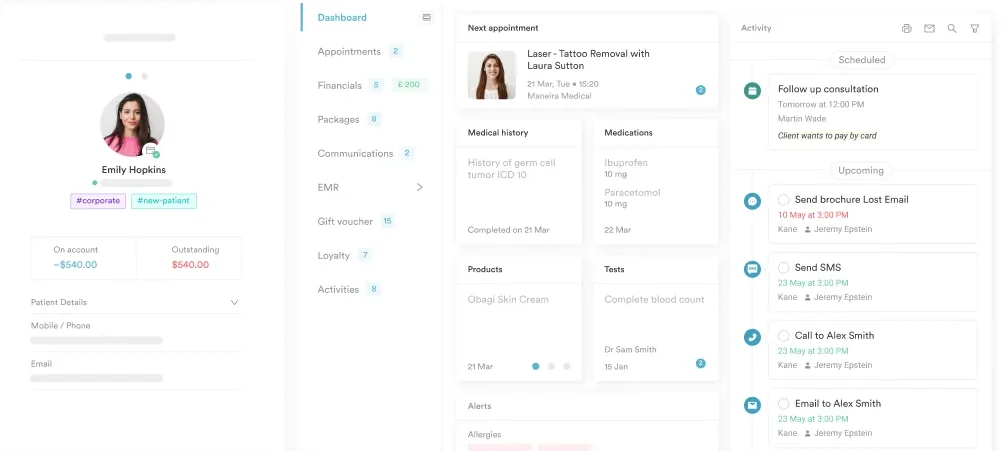
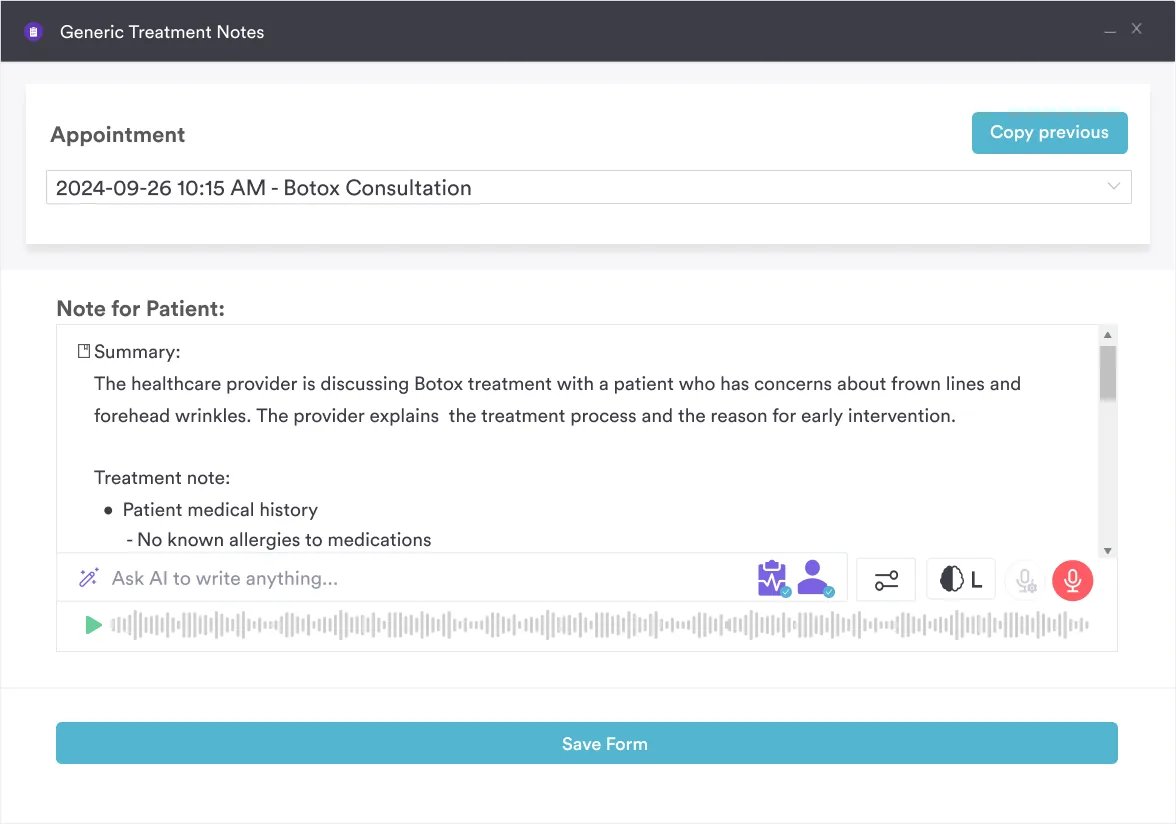
Workflow integration: Store the completed worksheet alongside session notes in Pabau’s digital forms and client records, and it becomes part of a complete patient narrative rather than a separate PDF filed away.

A common misconception is that behavioral experiments and exposure therapy are interchangeable. They’re not. Understanding the distinction helps you select the right technique for each client.
Exposure therapy (used in anxiety and PTSD work) aims for habituation: the client repeatedly faces the feared stimulus until their fear response decreases through repeated contact. A client afraid of flying sits through multiple flights; a client with social anxiety attends many social gatherings. The goal is for the amygdala to “learn” the stimulus is safe through repetition.
Behavioral experiments, by contrast, focus on hypothesis testing. The client designs a single, time-limited action to test a specific belief or prediction. A client predicts, “If I speak up in the meeting, my boss will think I’m stupid.” The experiment isn’t repeated exposure; it’s one targeted test: “I will ask one question in tomorrow’s meeting and observe my boss’s response.” The goal is cognitive change: updating the belief based on evidence rather than habituation.
Behavioral experiments often require less total time commitment than exposure protocols and work well for clients with limited therapy windows or those who find repeated exposure psychologically intolerable. They’re also suitable for OCD and health anxiety, where exposure alone may activate compulsions.
Best practice is to store completed behavioral experiment worksheets within your clinical record system, linked to the session notes where you planned the experiment. This ensures:
Vague predictions: A prediction like “things will be better” is unmeasurable. Push for specificity: “What exactly will happen? What will you notice? What will your boss say or do?” Measurable predictions allow clear comparison to actual outcomes.
Hidden safety behaviors: If your client plans the experiment but secretly uses a safety behavior (e.g., “I’ll speak up, but I’ll hold a script so I don’t freeze”), the test is compromised. The true belief isn’t being tested. Explore and name these before the experiment runs.
Skipping reflection: The experiment only works if you review it. A client who conducts an experiment but doesn’t process the results in session misses the cognitive shift. Always schedule debrief time in your next session.
Overestimating difficulty: First experiments should be low-risk, winnable tests. A client afraid of speaking up shouldn’t start with a confrontation; they should start by asking a safe question in a low-stakes meeting. Build confidence and evidence gradually.
Want to deepen your knowledge? The Oxford Centre for Anxiety Disorders and Trauma (OxCADAT) Resources site (home to free CBT worksheets for PTSD, anxiety, and social anxiety) publishes evidence-based behavioral experiment record sheets and practitioner guidance.
Consider exploring safer clinical note-taking practices that ensure your documented experiments maintain confidentiality and meet HIPAA (if US-based) or GDPR (if UK/EU-based) standards.
Ready to embed behavioral experiment worksheets and other clinical templates directly into your practice management system? Book a demo with Pabau to see how digital forms, client records, and automated workflows can integrate your clinical tools into one unified platform.
A behavioral experiment is a structured technique where a client designs and conducts a real-world test of an unhelpful belief or prediction. Unlike exposure therapy, it focuses on hypothesis testing: the client gathers evidence to challenge or modify the belief, not to habituate to anxiety. It’s measurable, time-limited, and integrated into the therapy narrative.
Follow the five-step process: (1) Identify and rate the belief. (2) Plan the experiment with your client. (3) Set a clear, measurable prediction. (4) Execute the experiment in their real life. (5) Review the outcome in the next session and update the belief rating based on evidence gathered.
Anxiety disorders (social anxiety, generalized anxiety, specific phobias), OCD, depression, PTSD, health anxiety, and coaching applications. They’re especially useful when clients have time-limited therapy or when exposure therapy alone feels too distressing. Perinatal, adolescent, and adult presentations all benefit.
No. The experiment is homework-work done between sessions. The magic happens during the debrief in the following session, when you help the client integrate what they learned and adjust their beliefs. Session time is where the cognitive shift occurs.
Store them within your clinical record system (not as loose PDFs) so they’re linked to session notes and subject to the same access controls and encryption as the rest of your client records. This ensures HIPAA/GDPR compliance and makes retrieval and audit easier. Digital practice management platforms with built-in forms handle this automatically.
Thought challenging happens in session: the therapist and client debate a belief logically. A behavioral experiment puts the belief to the empirical test in real life. Real-world evidence is often more persuasive to clients than logical argument, especially for anxious or entrenched beliefs.
A socially anxious client might ask one question in a meeting to test the prediction that colleagues will judge them. An OCD client might resist checking the door to test a feared consequence. A client with depression might test whether a short walk feels as pointless as predicted. Each experiment isolates one belief and one measurable prediction.
The free printable is at the top of this page: a five-step template you can hand to a client or complete together in session. For record-keeping, save the finished copy inside your practice management system rather than as a loose file, so it sits with the session notes under the same access controls and encryption as the rest of the client record.
They test a specific catastrophic prediction instead of avoiding the situation. A client who believes “if I ask a question in a meeting, people will think I’m incompetent” asks one prepared question with no safety behaviors, then records how colleagues actually responded. Comparing the prediction to the outcome usually lowers the belief rating, and that recorded evidence is what shifts the thinking.