Journal prompts for mental health
Journal prompts for mental health are guided questions that help people process ...

2
Last Updated: Oct 13, 2026

The best possible self worksheet is an evidence-based positive psychology tool that helps clients imagine and write about their ideal future across multiple life domains.
Research by Laura King (2001) and the Greater Good Science Center shows the exercise increases optimism, motivation, and positive affect — key outcomes for mental health practice.
The worksheet covers relationships, career, health, finances, and personal growth, giving clients a holistic framework for goal setting and vision planning.
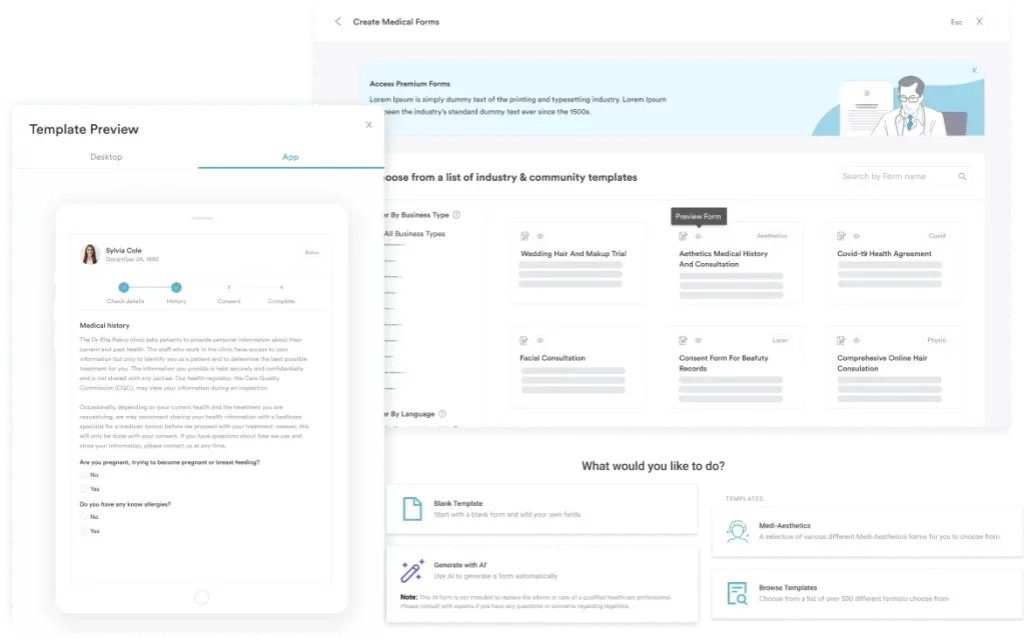
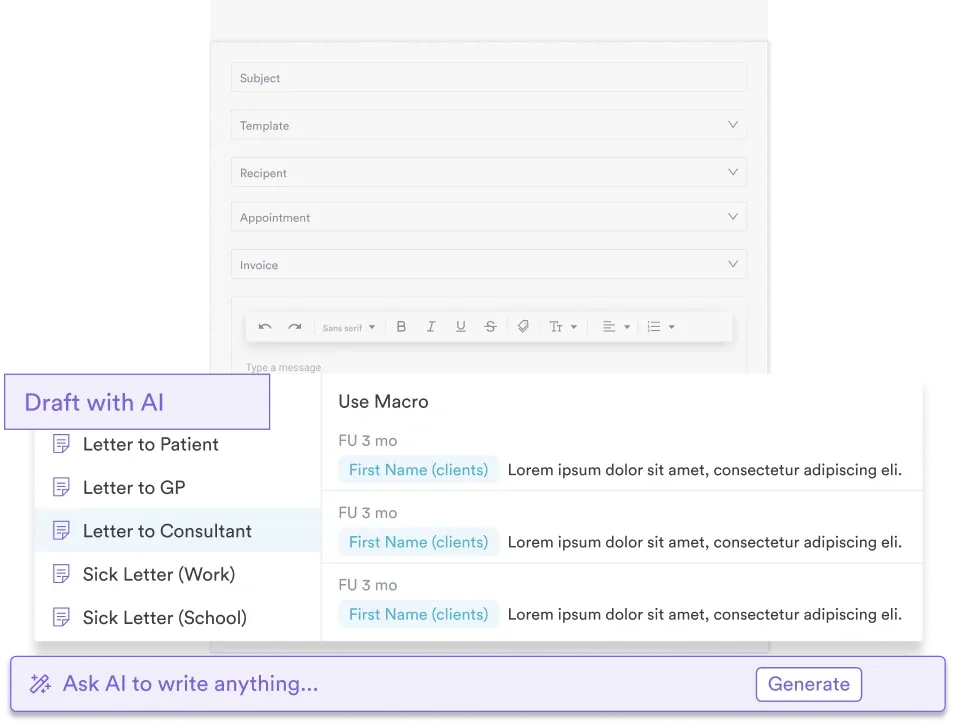
Pabau enables clinicians to store, send, and track best possible self worksheet completion directly within patient records, integrating the tool into your clinical workflow.
A structured therapeutic tool that guides clients through visualisation and reflective writing across key life domains. Includes session preparation, client instructions, life-domain exploration prompts, and goal-setting reflection questions.
Download templateThe best possible self worksheet is a therapy tool grounded in positive psychology — a branch of psychology focused on building resilience and wellbeing rather than treating pathology alone. This evidence-based resource helps clinicians guide clients through a structured visualization and writing exercise where they imagine their ideal future and set meaningful goals across key life domains.
The best possible self worksheet is a positive psychology intervention designed to help clients clarify their values and aspirations. During the exercise, clients spend 15-20 minutes writing a detailed description of their ideal future self — what their life looks like when everything goes as well as possible.
Unlike traditional goal-setting forms, this worksheet emphasizes visualization and reflective writing before action planning. Clients explore their “best possible self” across multiple life domains, creating a holistic vision that informs both immediate goals and long-term direction.
Therapists use this tool in three main contexts:
The best possible self exercise originates in research by Laura King (2001), published in Personality and Social Psychology Bulletin. King found that participants who wrote about their best possible self showed significant increases in optimism and positive affect compared to control groups. Subsequent studies have replicated these findings across diverse populations.
The Greater Good Science Center at UC Berkeley (an authority on evidence-based wellbeing practices) endorses the best possible self practice and includes it in their practice library. This peer-reviewed study confirms that the exercise:
The best possible self worksheet structures client reflection across five core life domains. This multi-domain approach prevents narrow goal-setting and helps clients see how different life areas interconnect.
Asking clients to envision their best self across all five areas prevents “tunnel vision” goal-setting and uncovers hidden connections. For example, a client may realize that career progress feels meaningless without deeper relationships, or that health improvements require financial investment.
Practices running virtual sessions through a telehealth platform can share and review worksheets on screen.
Therapists introduce the worksheet in session with clear framing. The exercise works best after the client is emotionally regulated and has expressed some motivation toward change.
The best possible self worksheet extends beyond visualization — it bridges vision to action. After clients imagine their ideal future, the natural next step is goal-setting grounded in that vision.
Prompt the goal-setting conversation with these questions:
This structured goal-setting ensures the exercise translates into behavioral change and sustained motivation, turning insight into action clients can actually take.
When the vision centers on health and daily wellbeing, a seven-area self-care plan is where those weekly practices get written down.
Research confirms multiple benefits of the best possible self practice for mental health outcomes.
Therapists report reduced burnout when they regularly guide clients through exercises that produce measurable positive outcomes.
Standalone PDF worksheets require manual file management — you email, print, file, and chase follow-ups.
This integration removes administrative friction and keeps the focus on the therapeutic work itself — your clients feel supported, and you maintain a complete audit trail for compliance and clinical excellence. A private practice seeing clients weekly needs the last note available before the next appointment starts.

Store, send, and track therapy worksheets and clinical forms — all integrated into one secure practice platform.

The best possible self worksheet is one of the most evidence-backed positive psychology tools available to therapists. It helps clients shift from problem-focused thinking to vision-focused planning — a crucial psychological shift that fuels sustainable change.
Using Pabau’s integrated template system, you can deliver the worksheet, track completion, link it to goal-setting, and archive everything in your patient record without manual file management, keeping your daily workflow simpler for the whole team.

Working with clients managing bipolar disorder? A bipolar treatment plan gives you a structured framework for tracking mood episodes alongside therapy goals.
Treating younger clients affected by bullying? A bullying worksheet helps kids and teens process experiences and build coping strategies in session.
Helping clients work through difficult emotions? A shame and guilt worksheet offers another structured reflection exercise that pairs well with visualization-based work.
It’s a therapy tool based on positive psychology research where clients write about their ideal future across key life domains (relationships, career, health, finances, personal growth). The exercise increases optimism and clarifies values, helping therapists guide clients toward meaningful goals.
Therapists introduce the worksheet in session, guiding clients through a structured visualization and writing exercise across five life domains. Clients spend 15-20 minutes describing their ideal future, then therapists bridge that vision to concrete, achievable goals.
Laura King’s 2001 research (published in Personality and Social Psychology Bulletin) found that participants who completed the exercise showed significant increases in optimism and positive affect. The Greater Good Science Center at UC Berkeley has replicated these findings and endorses the practice.
Yes. While rooted in positive psychology, the best possible self exercise is compatible with CBT approaches and works well alongside cognitive restructuring and behavioral activation. It complements CBT by combining forward-focused thinking with action planning.
The core exercise typically takes 15-20 minutes in session. If clients are writing at home beforehand, allow 20-30 minutes. The follow-up goal-setting conversation adds another 10-15 minutes depending on depth and the number of domains explored.
Research-supported benefits include increased optimism, clarified personal values, improved intrinsic motivation, reduced rumination, enhanced self-efficacy, and stronger therapeutic alliance. Clients report feeling more hopeful and capable of achieving meaningful change.