Journal prompts for mental health
Journal prompts for mental health are guided questions that help people process ...

2
Last Updated: Oct 13, 2026

A behavior intervention plan (BIP) is a formal written framework that documents the causes of problem behavior and outlines specific, evidence-based intervention strategies.
Effective BIPs require functional assessment of behavior, identification of antecedents and consequences, and targeted interventions grounded in cognitive-behavioral or applied behavior analysis principles.
Clinical documentation of behavior, causes, and interventions supports treatment planning, team coordination, and measurable progress tracking across sessions.
Pabau’s digital forms and client record features enable clinicians to document structured behavioral assessments and intervention plans directly within their clinical workflow.
A structured clinical assessment tool that guides clinicians through systematic documentation of behavioral patterns, underlying causes, and evidence-based intervention strategies tailored to individual client needs.
Download templateBehavior intervention planning is a cornerstone of evidence-based mental health practice. A mental health practice management system that supports structured evaluation templates moves clinicians beyond reactive crisis response into proactive, systematic assessment. As a result, the behavior, causes & interventions framework transforms how clinicians document behavioral patterns and develop targeted treatment strategies.
Specifically, this guide covers the clinical foundations of behavior assessment, the evidence-based framework for understanding causes of problem behavior, and how to implement intervention strategies that address root causes rather than symptoms alone.
A behavior intervention plan (BIP) template is a structured clinical tool that systematically documents behavioral patterns, underlying causes, and intervention strategies. Unlike symptom checklists, a BIP template guides clinicians through a functional assessment framework. In particular, it identifies when and why problem behavior occurs, what triggers it, and which evidence-based interventions address the root causes.
The template serves three primary functions: clinical assessment (documenting observed behavior and frequency), functional analysis (understanding the purpose the behavior serves), and treatment planning (specifying which interventions target the identified causes). Furthermore, this structured approach is legally defensible, supports multi-disciplinary team coordination, and creates an auditable trail of clinical reasoning.
In mental health, ADHD, and therapy settings, behavior intervention plans fulfill both clinical and administrative purposes. In addition, they demonstrate informed assessment, guide decision-making, and provide measurable targets for tracking intervention effectiveness.
Using a behavior intervention plan template requires a structured five-step workflow. Together, these steps transform initial observation into actionable clinical strategy.
Clinicians often skip functional assessment and jump straight to interventions. As a result, this leads to mismatched treatments that miss root causes. Therefore, a BIP template enforces assessment before intervention.
Behavior intervention plan templates are essential for mental health clinicians working across multiple settings and client populations. For example, the following groups all rely on structured BIP documentation.
In short.
Clinical effectiveness: Structured assessment prevents clinician bias and matches interventions to root causes. As a result, research shows behavior change interventions grounded in functional assessment produce better outcomes than generic strategies.
Documentation clarity: A completed BIP creates a clear record of clinical reasoning: what you observed, why the behavior is occurring, and what you are doing about it. Consequently, this protects clinicians in peer review, audits, and licensing investigations.
Treatment coordination: When a client is seen by multiple clinicians, a shared BIP ensures consistency. All team members work from the same functional assessment and intervention plan.
Measurable progress tracking: The template includes baseline frequency and success criteria so clinicians can track whether treatment is working. Moreover.
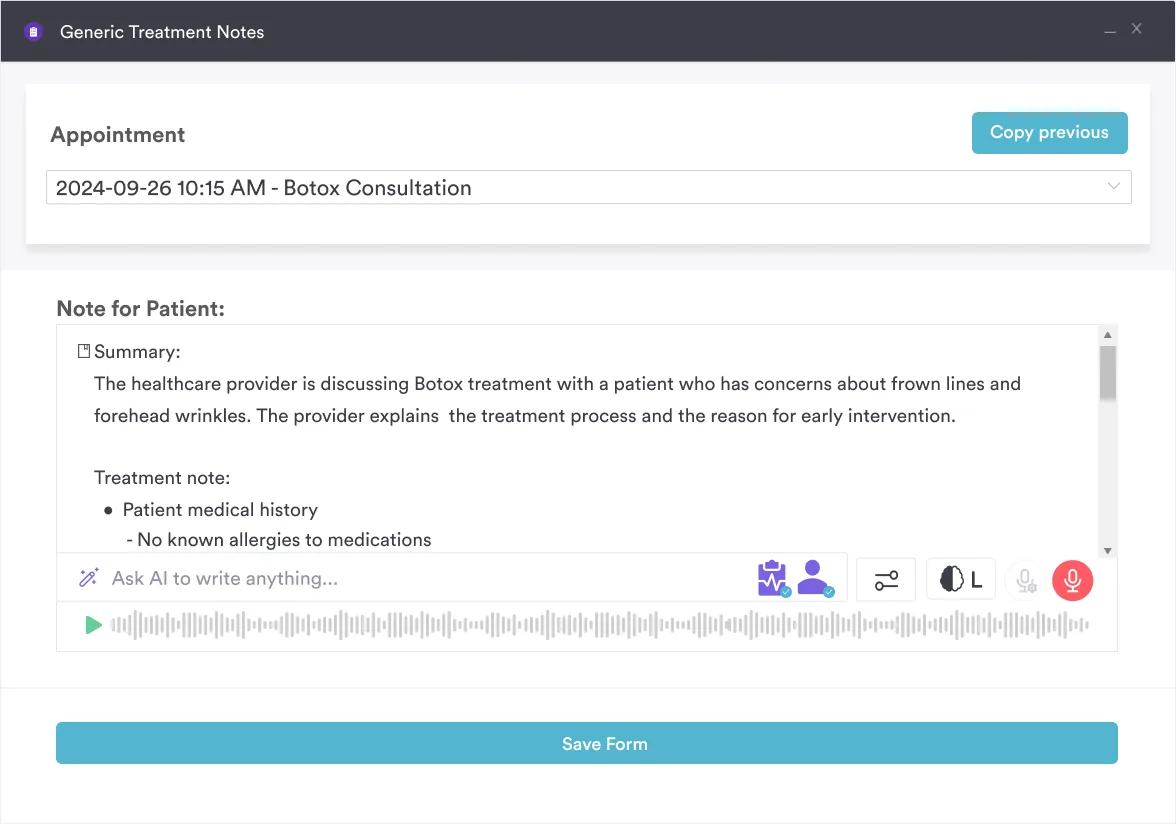
Problem behavior always serves a function. Therefore, understanding what the behavior accomplishes for the client is the foundation of effective intervention.
Escape or avoidance: The client uses behavior to end or avoid an aversive situation. For example, a teenager refuses school to avoid peer conflict; a child throws a tantrum to escape a difficult task. As a result, interventions teach alternatives — asking for a break, communicating discomfort — so the client meets the same need without problem behavior.
Attention-seeking: The behavior generates attention the client craves. For instance, a young adult with ADHD interrupts repeatedly because interrupting produces a response. Therefore, interventions redirect attention-seeking toward appropriate channels — scheduled one-on-one time, praise for positive engagement — so the need is met prosocially.
Sensory regulation: The behavior provides or reduces sensory input. For example, a child rocks or hums as a self-regulation strategy, while an adolescent avoids bright lights that trigger migraines. In response, interventions provide alternative sensory input (fidget tools, movement breaks) or modify the environment to reduce stimulation.
Tangible access or control: The behavior results in access to something desired or gives the client control over their environment. For instance, a child demands a specific food; refusing results in parent capitulation. Therefore, interventions establish clear rules about access and teach negotiation skills so the client can request what they want directly.
Trauma history sits behind some of these functions, since past harm shapes how a person reads demands and authority. SAMHSA’s trauma-informed care principles give clinicians a framework for responding without re-triggering distress.
Effective behavior interventions rest on three pillars: antecedent modification (adjusting triggers), replacement skills training (teaching alternatives), and consequence adjustment (ensuring outcomes no longer reinforce problem behavior). Together, these pillars address behavior from every angle.
Antecedent modification: Antecedent-focused strategies prevent problem behavior by adjusting environmental triggers. A client with ADHD benefits from shorter task chunks. A dysregulated adolescent benefits from a predictable routine. A client with sensory sensitivities benefits from a quieter workspace.
Skills training: Once you understand what the client is trying to accomplish, teach them how to do it appropriately. Teach a frustrated client to ask for help. Teach a child who throws tantrums to use words or a feelings chart. Teach an avoidant student to use self-talk or request breaks.
Consequence restructuring: Stop inadvertently rewarding problem behavior. For example, if a child’s tantrum results in getting the desired item, the tantrum is reinforced. Therefore, consequences must be consistent, proportionate, and never accidentally rewarding. Nevertheless, behavioral counseling interventions remain underutilized despite strong evidence — because effective consequence design requires clinical skill and consistency.
Positive Behavioral Interventions and Supports (PBIS) is a research-based framework that uses evidence-based practices to improve behavioral, social, emotional, and academic outcomes across systems — schools, clinics, and residential settings. In other words, it provides a universal structure for teaching and reinforcing positive behavior.
PBIS operates on the principle that behavior can be taught, shaped, and reinforced. Specifically, positive reinforcement of desired behavior is more effective than punishment. As a result, clinicians explicitly teach what good behavior looks like, provide practice opportunities, and reinforce frequently early on. Over time, the client internalizes the behavior with less external reinforcement.
Key PBIS components: clear behavior expectations; explicit teaching and practice; frequent reinforcement; consistent monitoring; and data-driven decision-making. However, PBIS must be developmentally tailored — what works with a 7-year-old differs from what works with a 15-year-old.
Clinical documentation of behavioral interventions must answer five questions: What behavior is targeted? Why is it occurring? What intervention is being delivered? How will progress be measured? And finally, what is the evidence for this intervention?
For example, poor documentation reads: “Discussed coping strategies. Client agreed to practice.” In contrast, good documentation reads: “Client struggles with anger when frustrated by academic tasks. Function: escape/avoidance. Taught three-step coping sequence: (1) recognize frustration signs, (2) use self-talk (‘this is hard but I can do it’), (3) request a 5-minute break. Practiced using a recent trigger. Client executed the sequence with 80% accuracy. Plan: use at home during challenging tasks; parent praises use. Success measure: client uses strategy unprompted on 4 of 5 days.”
The second example shows the functional assessment (escape), the intervention (coping sequence), the implementation plan, and the success measure. As a result.
The Antecedent-Behavior-Consequence (ABC) framework is the most practical tool for functional behavior assessment. Specifically, it requires three observations: what happened before the behavior (antecedent), the behavior itself, and what happened after (consequence).
Recording multiple ABC instances reveals patterns. For example: “When asked to complete math homework, client refuses and shuts down, then gets a break.” In this case, the function is avoidance. Therefore, your intervention must make the task more manageable, teach a better way to request a break, or stop the break from automatically following refusal.
Furthermore, ABC analysis supports informed consent because clients can understand the logic: “When you feel overwhelmed, instead of shutting down, you’ll use the coping plan — and keep working instead of escaping.”
A BIP is only useful if you measure whether the intervention is working. Therefore, measurement must be specific, observable, and tied directly to the target behavior.
Review progress data at regular intervals — weekly, bi-weekly, or monthly. If data shows improvement, continue the plan. However, if there is no change after 2–3 weeks, modify: adjust antecedents, try a different replacement skill, or re-assess the function.
As a result.
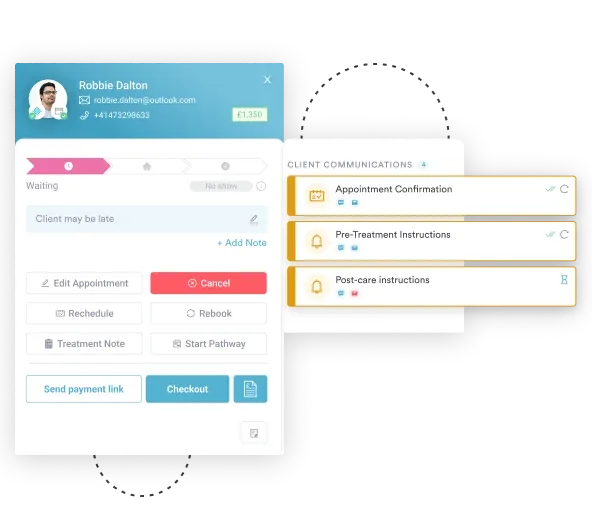
Behavior change is fastest when the client experiences consistent responses across settings. For example, a child whose tantrum succeeds at home but not at school will show slower, inconsistent progress.
Therefore, effective implementation requires caregiver training, clear written guides, regular check-ins to problem-solve barriers, and celebrating early wins to build momentum.
In practice, many clinics fail at implementation because clients and caregivers don’t understand or buy into the plan. A 15-minute session is insufficient for complex behavioral strategies. Instead, clinicians should allow time to: explain the behavior’s function plainly, demonstrate the replacement skill, have the client practice, address concerns, and provide written take-home materials.
Ultimately, the most common error is treating behavior intervention planning as a checkbox exercise rather than an ongoing, data-driven process.
Behavior assessment and intervention planning takes time. Clinicians using integrated automated workflow management reduce admin burden and focus more on direct client work. See how Pabau’s structured forms and progress dashboards support behavioral intervention planning across your team.
A well-constructed behavior intervention plan is not a generic worksheet. Instead, it is a clinical tool grounded in functional assessment, evidence-based interventions, and ongoing measurement. Clinicians who understand the causes of behavior, teach replacement skills, and track progress create durable change. Ultimately, the template provides the structure; clinical skill provides the results.
See how Pabau supports behavioral health documentation workflows so your team can focus on clinical care rather than paperwork.

How can you track behavior change across multiple settings? ADHD-specific clinical software with centralized progress dashboards enables parents, teachers, and clinicians to input data from their respective settings into one shared record.
Screening for binge eating behaviors? Binge Eating Scale is a validated 16-item questionnaire measuring the behavioral, cognitive, and emotional symptoms of binge eating.
Helping a client separate self-worth from appearance? body neutrality worksheet uses guided prompts to move clients from focusing on appearance to what their body does.
A behavior intervention plan is a formal, written clinical document that identifies a target behavior, its underlying causes or functions, and specifies evidence-based interventions to address those causes and teach replacement skills.
A behavior contract sets rules and consequences; a behavior intervention plan goes deeper by requiring functional assessment of why the behavior occurs and matching evidence-based interventions to those causes.
The client (when developmentally appropriate), caregivers, and the primary clinician. For school-based plans, teachers and educational staff should be included to ensure consistency across settings.
Some clients show measurable progress in 1–2 weeks of consistent intervention; others require 4–6 weeks, depending on behavior intensity and how consistently the plan is implemented across settings.
Check your data first, then revisit the functional assessment to confirm you’ve identified the correct function. Adjust antecedents, try a different replacement skill, or re-teach the strategy — if there’s no change after 3–4 weeks, reassess whether a different underlying cause is at play.
Yes — adults with ADHD, mood disorders, or trauma histories benefit from the same framework: assess the function, teach replacement skills, and track progress.