Reflection questions: 14 examples and a free template
Reflection questions are open-ended prompts that guide a person through structur...

1
Last Updated: Oct 16, 2026

The adult hope scale is a 12-item self-report measure developed by Snyder et al. (1991) to assess hope through two subscales: agency (goal-directed motivation) and pathways (planning ability).
Scoring uses an 8-point Likert scale (Definitely False to Definitely True). The agency and pathways subscales draw on four specific items each. Four distractor items are not scored.
The AHS is reliable, valid, and widely used across mental health, therapy, counseling, and research settings. A 2025 validation study confirmed its validity in older adults (aged 55+).
Practice management software like Pabau streamlines administration, scoring, and clinical note-taking when you use the AHS in therapy workflows.
A 12-item self-report questionnaire measuring hope through agency (goal-directed energy) and pathways (goal-planning ability) subscales. Includes scoring instructions, interpretation guidelines, and clinical administration guidance for therapy, counseling, and mental health research.
Download templateThe adult hope scale (also known as Snyder’s Trait Hope Scale) is a validated psychological assessment tool that clinicians, therapists, and researchers use to measure a person’s capacity for hopeful thinking. It measures two distinct cognitive dimensions: your ability to map out routes toward your goals (pathways) and your motivation to pursue them (agency). This guide covers its structure, scoring, interpretation, and clinical applications, and you can download a free PDF version above.
The adult hope scale is a 12-item self-report questionnaire developed by psychologist C.R. Snyder and colleagues (Snyder et al., 1991) to measure hope as a stable trait in adults (ages 15+). Hope, in Snyder’s cognitive model of hope, is defined as “a positive motivational state based on an interactively derived sense of successful (a) agency (goal-directed energy), and (b) pathways (planning to meet goals)”.
The scale operates on the principle that hopeful thinking involves two equally important components. Agency is the motivational energy needed to pursue goals — the internal drive and determination. Pathways is the planning and problem-solving ability to find routes toward those goals. Together, these subscales create a comprehensive picture of an individual’s hopeful thinking patterns, which directly influences psychological well-being, resilience, treatment engagement, and life satisfaction.
The current standard version uses an 8-point Likert-type scale ranging from “Definitely False” (1) to “Definitely True” (8), producing total scores from 8 to 64. Earlier administrations sometimes used a 4-point response format. The instrument has become a standard measure in positive psychology research, clinical outcome monitoring, and therapeutic goal-setting across mental health settings.
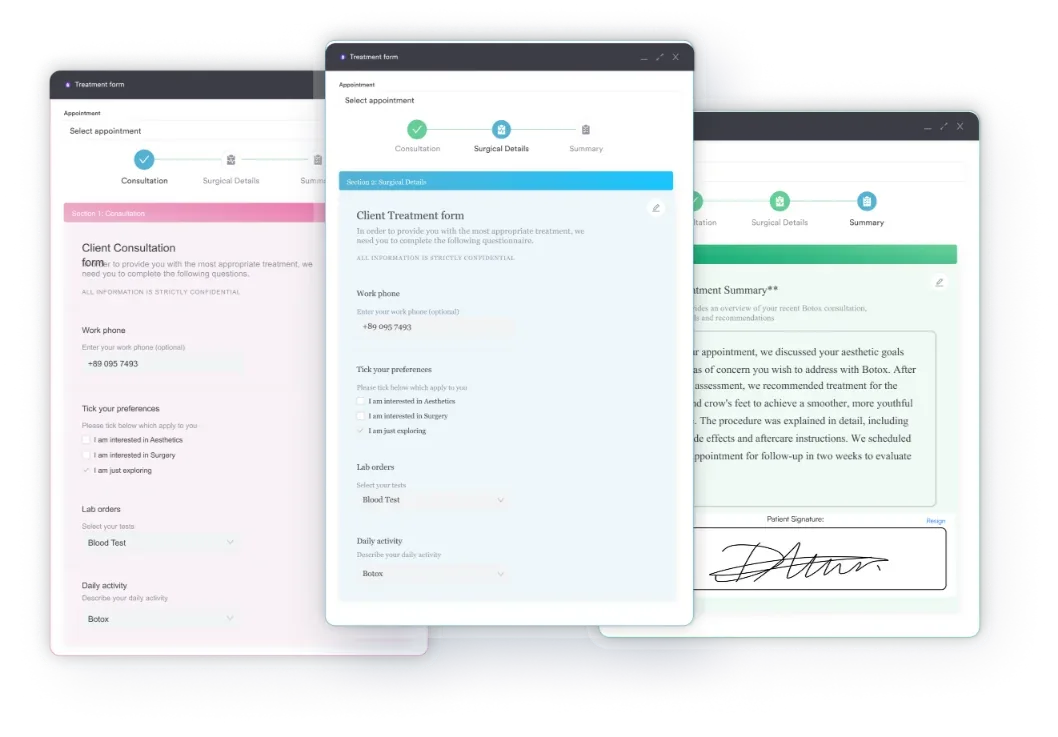
Clinicians implementing digital intake forms in their psychology practice management workflows can embed it as a pre-session or outcome measurement tool, automating scoring and tracking hope trajectories across therapy episodes.
The adult hope scale contains 12 items divided into three categories: four agency items, four pathways items, and four filler/distractor items. Only the eight scored items (agency + pathways) contribute to the hope score; distractor items are included to reduce response bias and obscure the instrument’s focus.
For example, item 1 (“I can think of many ways to get out of a jam”) is a pathways item, while item 2 (“I energetically pursue my goals”) measures agency. This structure reflects Snyder’s theoretical framework: agency alone (motivation without planning) and pathways alone (planning without motivation) are insufficient for hope. Both must be present and interacting. The distractor items are constructed to be face-valid but thematically unrelated to goal-directed thinking, preventing respondents from guessing the instrument’s purpose and responding with response set bias.
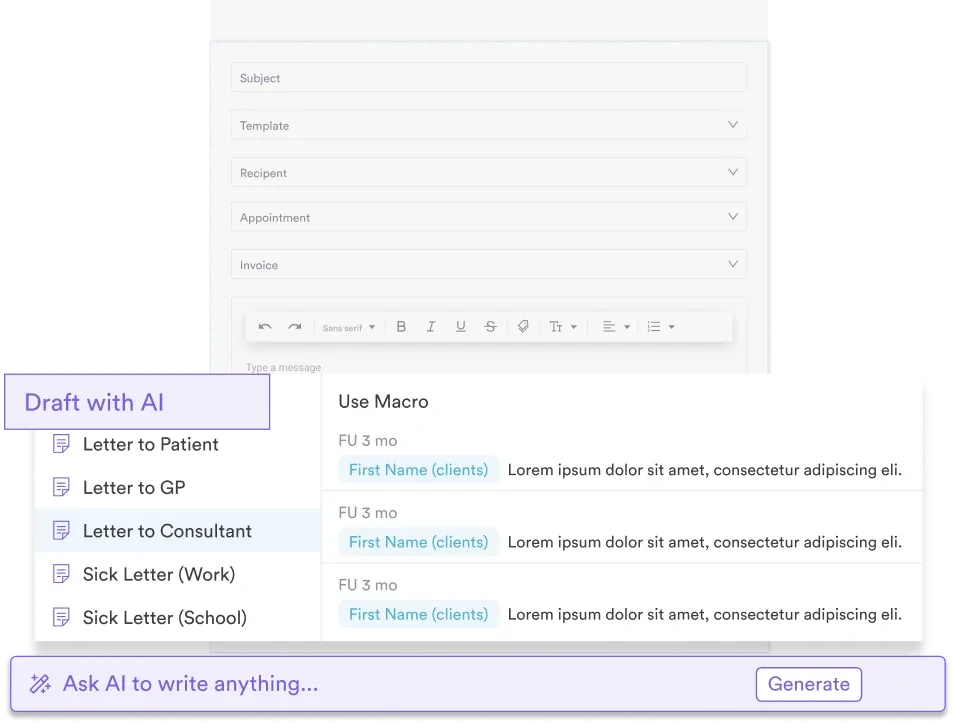
A 2025 validation study in older adults (aged 55+) supported the scale’s reliability and validity, though it found that the items load primarily on a single general hope factor in this population rather than two clearly separable subscales. Therapists using AI-powered clinical documentation can capture hope-related detail in session notes alongside each administration, so the qualitative picture sits next to the score.
Administration is straightforward and takes 5-10 minutes in a clinical setting. Clinicians provide clients with the questionnaire in paper or digital format with these standard directions: “Using the scale shown below, please select the number that best describes how you think about yourself. There are no right or wrong answers.”
Scoring follows these steps:
Higher scores indicate greater hopeful thinking. Snyder set no official clinical cut-offs, but non-clinical adult samples typically average in the high 40s to mid 50s. A low total score may warrant further assessment or a structured psychology treatment plan targeting goal-setting or problem-solving skills (see the interpretation guide below).
Implementing clinical documentation best practices helps clinicians record baseline and longitudinal scores in structured clinical note-taking formats, enabling outcome tracking and progress monitoring across treatment episodes.
Turning this scale into a digital form with form capture software removes double entry and keeps every score legible.
The scale is appropriate for use across a wide range of healthcare and research settings, particularly in mental health, therapy, counseling, and positive psychology contexts.
It is also used in mental health EMR platforms and therapy practice workflows to automate outcome measurement and generate reports for session-to-session progress tracking and treatment planning.
Incorporating the scale into clinical workflows offers multiple evidence-based benefits:
Practices implementing the scale can leverage therapist well-being strategies focused on supporting clinician resilience and hope — recognizing that clinicians with higher personal hope model hopeful thinking for clients.
Interpreting scores means weighing population context, clinical presentation, and change over time rather than leaning on a single number. Snyder never published official clinical cut-offs, but the bands below are widely used to read a total score (range 8 to 64):
Longitudinal score tracking reveals the hope trajectory. A rising score across therapy indicates positive therapeutic movement; a declining score signals treatment stagnation or worsening clinical status requiring plan adjustment.
Practices using analytics dashboards can visualize aggregate hope data across client populations to identify high-need groups and program-level trends.
Document baseline and follow-up AHS scores in clinical notes using consistent language (e.g., ‘AHS total: 48, Agency: 24, Pathways: 24’). This enables quick visual comparison across sessions and supports outcome reporting to referral sources, insurance, and accreditation bodies.
Hope measurement supports clinical decision-making and evidence-based practice. When hope scores are consistently low despite standard interventions, clinicians may consider psychopharmacological consultation, a higher level of care, or specialized treatment modalities.
The scale has demonstrated robust psychometric properties across decades of research. Snyder’s original 1991 validation study (Snyder et al., 1991) established internal consistency (Cronbach’s alpha .74-.84 across samples) and test-retest reliability (r = .73-.80 over 10 weeks).
Recent peer-reviewed validation studies continue to support the scale’s reliability and validity, reflecting its acceptance as a core outcome measure across clinical and research settings.
A 2025 study published in the Australian Journal of Psychology examined the scale’s validity in older adults (aged 55+) and supported its reliability, while finding that the items are best modeled as a single general hope factor in this group rather than two separate subscales — extending the instrument’s evidence base in geriatric mental health settings.
The scale shows significant associations with clinical outcomes including treatment engagement, symptom reduction in depression and anxiety, and subjective well-being. Hope measured this way has also been linked to academic achievement, career success, physical health outcomes, and life satisfaction across non-clinical populations.
Modern mental health and therapy practices integrate the scale into digital workflows to reduce administrative burden and improve outcome tracking. Here is a practical workflow:
Practice management software like Pabau lets clinicians embed it as a reusable digital form, auto-score it on submission, and generate trend reports. AI-assisted documentation helps you capture the qualitative, hope-related detail in session notes alongside the quantitative scores, so the narrative and the numbers stay together.
While the scale is widely used and validated, clinicians should be aware of several nuances:
For assessment in non-English speaking clients or those with cognitive concerns, clinicians should verify that translated or modified versions maintain validity and psychometric integrity.

Automate adult hope scale administration, scoring, and outcome tracking within your therapy practice. Digital forms, progress reports, and integrated clinical documentation.

The adult hope scale is a straightforward, evidence-based tool for measuring hopeful thinking in clinical, counseling, and research settings. Its two-factor structure (agency and pathways) provides actionable clinical information that directly informs treatment planning and outcome monitoring. Whether you are a therapist tracking client progress, a researcher validating an intervention, or a mental health program monitoring population-level hope trends, it offers reliable, valid measurement.
Implementing the scale within a modern therapy practice management system reduces administrative overhead and enables seamless outcome tracking. Start by administering it at intake, monitor it periodically throughout treatment, and use the data to guide clinical decisions. Higher hope scores correlate with better treatment outcomes, greater resilience, and improved quality of life — making this simple 12-item questionnaire a powerful ally in promoting client well-being.

Assessing how a client relates to their body? Objectified Body Consciousness Scale gives you all 24 items grouped into surveillance, body shame, and control subscales, each with its own score box.
Working with parents in a high-conflict custody case? Parallel parenting plan covers custody schedules, communication methods, decision-making domains, and a step-by-step dispute resolution process.
Treating a minor and need documented consent? Parental consent form authorizes treatment for minors and creates a documented record of consent that protects your practice.
The adult hope scale is a 12-item self-report questionnaire measuring Snyder’s cognitive model of hope through two subscales: agency (goal-directed motivation) and pathways (planning ability). It uses an 8-point Likert scale and takes 5-10 minutes to complete.
Sum agency items (2, 9, 10, 12) for one score, pathways items (1, 4, 6, 8) for another, and add them for the total (range 8-64). Higher scores indicate greater hopeful thinking. Ignore distractor items (3, 5, 7, 11).
Scores in the lowest band (roughly 8 to 16) suggest reduced hopeful thinking and warrant clinical assessment. There are no official clinical cut-offs, so explore whether low agency (motivation), low pathways (planning), or both are driving the score to tailor interventions.
There is no official cut-off, but a widely used guide reads 56-64 as high hope, 40-55 as moderate, 17-39 as slight, and 8-16 as low. Most non-clinical adults score in the moderate to high range.
Yes. A 2025 study confirmed the scale’s reliability and validity in older adults (aged 55+), supporting its use in geriatric mental health settings, though it found the items behave as a single general hope factor in this group rather than two distinct subscales.
Psychologist C.R. Snyder and colleagues developed it in 1991 (Snyder et al.), based on Snyder’s cognitive model of hope, which emphasizes goal-directed motivation (agency) and planning ability (pathways).
Yes. Administering it at baseline, mid-treatment, and discharge tracks therapeutic progress. Rising scores indicate positive treatment response; stable or declining scores signal treatment stagnation.