Journal prompts for mental health
Journal prompts for mental health are guided questions that help people process ...

2
Last Updated: Oct 13, 2026

Step 9 is ‘Made direct amends to such people wherever possible, except when to do so would injure them or others.’ It is a cornerstone of AA recovery, focused on repairing past harm.
Three amends types exist: direct (face-to-face), indirect (through others or actions), and living amends (ongoing changed behavior), each with different timing and impact.
The worksheet carries Step 8 (listing harms) into Step 9 (taking action), giving structure for accountability while protecting you and others from harm.
Pabau’s digital forms and client records help therapists track amends progress, sponsor connections, and therapy milestones in one integrated record.
A structured worksheet for individuals and their therapists, covering direct and indirect amends, living amends strategies, exceptions to amends, and sponsor collaboration within the 12-step recovery framework.
Download templateAn AA Step 9 worksheet guides individuals through one of the most challenging steps in Alcoholics Anonymous recovery: making amends for past harm. It means facing the people you’ve harmed while avoiding further damage to them. This free downloadable template provides the structure therapists and sponsors use to help clients navigate this milestone.
For addiction counselors, it doubles as a clinical tool. Practice management software like Pabau lets you document progress and track amends conversations inside the mental health EMR, so each step stays on record alongside sponsor guidance and therapeutic support. Step 8 lists the harms, Step 9 turns that list into action, and the worksheet takes a client from one to the other.
An AA Step 9 worksheet is a therapeutic tool designed to structure the amends process, the ninth of the 12 steps in Alcoholics Anonymous. Step 9 states: “Made direct amends to such people wherever possible, except when to do so would injure them or others.”
The worksheet helps individuals document three key elements. First, it lists people harmed (derived from the Step 8 inventory). Second, it categorizes the type of amend needed: direct (in-person conversation), indirect (through a third party or restitution), or living amends (changed behavior over time). Third, it flags exceptions. These are situations where direct amends would cause additional harm and should be deferred or avoided entirely.
In a clinical setting, therapists use the worksheet to ensure clients approach amends safely. The worksheet creates accountability while protecting both the client and those they’ve harmed.
The worksheet follows a five-step operational workflow that therapists and sponsors guide clients through. Each step builds on the previous, ensuring thorough and safe amends completion.
The worksheet prevents rushing. Step 9 is not about getting through a checklist quickly but rather genuine repair and accountability. Therapists using this tool emphasize that some amends take months or years, and that’s normal.
Therapy practices working with clients in 12-step recovery benefit from integrated tools that track amends progress, sponsor connections, and treatment milestones. Book a demo with Pabau to see how automated workflows and secure client portals streamline recovery documentation while maintaining complete confidentiality.
Practices running virtual sessions through a telehealth platform can share and review worksheets on screen.
The worksheet works for several people around a client’s recovery. Individuals working a 12-step program use it for personal accountability and clarity. Sponsors use it to guide their sponsees through amends safely. Therapists and addiction counselors use it to monitor clinical progress and keep expectations realistic.
The integrated patient care workflows in therapy practices help clinicians track Step 9 completion as a recovery milestone. For group therapy settings, the worksheet informs group discussions about amends. Peers share experiences, normalize the difficulty, and celebrate progress. For alumni and support services, tracking amends completion helps identify clients who may need additional one-on-one coaching or relapse prevention.
Working Step 9 in a structured way eases the shame that often drives relapse, and it gives clients a concrete way to repair relationships instead of sitting with regret. Many counselors read steady progress through amends as a sign a client is ready for the recovery work that follows.
The worksheet prevents avoidance and impulsive amends. Without structure, clients either procrastinate indefinitely or rush into unsafe conversations. The framework creates accountability: naming specific people, deciding on approach, and documenting results transforms vague intention into concrete action. Automated follow-up workflows let therapists remind clients about upcoming amends conversations and check in afterward.
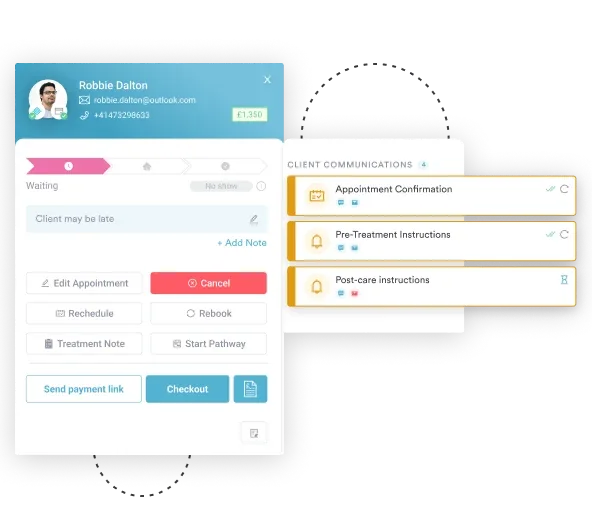
For practices managing several clients at different step stages, structured documentation keeps every client’s progress visible.
Encourage clients to start amends with people they feel most confident approaching. Early successes build momentum and emotional resilience for harder conversations. Working backwards from easier amends to more difficult ones mirrors how many clients naturally progress through Step 9.
Step 8 and Step 9 form a paired sequence in AA recovery. Step 8 says: “Made a list of all persons we had harmed, and became willing to make amends to them all.” This is an inventory of people, institutions, and the nature of the harm. It requires emotional honesty but no action yet.
Step 9 moves from inventory to action: “Made direct amends to such people wherever possible, except when to do so would injure them or others.” The Step 8 list becomes the raw material for Step 9 work. Clients review the list, categorize each person, plan approach, and document results.
Many therapists pair this work with a psychiatric evaluation template when working through both steps in integrated therapy sessions. The worksheet helps clients see the logical flow: inventory, then action, then reflection and continued personal growth in Step 10.
Different situations call for different amend approaches. Understanding the distinctions helps clients choose the right path and therapists support informed decision-making.
Direct amends involve a face-to-face conversation where the client acknowledges specific harm, apologizes sincerely, and commits to changed behavior. This happens when the person is accessible, emotionally stable, and willing to listen.
A simple structure keeps a direct amends conversation honest and short:
A client who stole from a friend, damaged a family relationship, or broke promises often begins with direct amends. The conversation is difficult but allows immediate accountability and possible relationship repair.
Indirect amends suit situations where direct contact is unsafe or impossible. A client may write a letter to someone who has moved away, arrange restitution through an accountant, or ask a trusted family member to convey an apology.
This honors the amends obligation without risking re-traumatization or harm to the other person. Many clients use indirect amends toward estranged parents still struggling with addiction, or toward employers who have already been repaid.
Living amends represent ongoing changed behavior that demonstrates sincere recovery. A parent in recovery makes living amends through consistent presence, reliability, and emotional stability with their children. A professional in recovery makes living amends by performing excellent work, maintaining integrity, and being a trusted colleague. Living amends never replace direct or indirect amends where possible. They supplement them and sustain repair over time.
Step 9 includes a critical exception: “Except when to do so would injure them or others.” This phrase protects vulnerable people and maintains ethical boundaries. Therapists must help clients identify amends that should be deferred or avoided entirely.
Some amends should never be made directly:
The worksheet helps clients and sponsors discuss these exceptions carefully. Therapy provides space to explore whether an amend is truly unsafe or whether the client is simply avoiding discomfort. Supported by a trained sponsor and therapist, this discernment keeps Step 9 focused on genuine repair rather than a performative apology or avoidance.
An AA Step 9 worksheet turns amends from an overwhelming moral obligation into structured, therapeutic work. By naming the people harmed, choosing an approach, planning with sponsor support, and recording results, clients move from guilt and shame into genuine accountability and relationship repair. For therapists supporting recovery, it links the Step 8 inventory to the continued growth of Step 10. Download the template and give your practice the structure this step demands.

Need tools for integrated addiction counseling? Telehealth for therapy practices helps therapists conduct sponsor check-ins and Step 9 reviews remotely.
Working with couples in session? appreciating your partner ACT worksheet This free worksheet guides couples through appreciation exercises and values clarification.
Screening for restrictive eating patterns? ARFID screening checklist This free checklist screens for avoidant and restrictive food intake symptoms in children and adults.
An AA Step 9 worksheet is a therapeutic tool that structures the amends process, helping individuals identify people harmed, decide on the type of amend (direct, indirect, or living), and document results while protecting both the client and others from harm.
Step 8 is an inventory that lists the people you’ve harmed. Step 9 is the action of making amends to them. The Step 8 list forms the foundation; Step 9 worksheet transforms that list into concrete amends conversations.
Direct amends involve face-to-face apology and commitment to change. Indirect amends use letters, intermediaries, or restitution when direct contact is unsafe. Living amends represent ongoing changed behavior that demonstrates sincere recovery.
Defer or avoid direct amends when contact would injure the other person (e.g., someone still in active addiction) or cause harm to others. Work with a sponsor and therapist to identify these exceptions and plan indirect or living amends instead.
Step 9 varies widely. Some amends take weeks, others take months or years. The focus is on quality and safety, not speed. Working with a sponsor ensures realistic pacing that supports both your recovery and others’ well-being.
Keep it short and direct. Name the specific harm without excuses, acknowledge how it affected the other person, say what you are doing differently, and ask what you can do to make it right. Avoid explaining your addiction or asking the person to forgive you.