GLP-1 diet plan
A GLP-1 diet plan is a structured eating framework for patients taking semagluti...

2
Last Updated: Oct 13, 2026

An 8-week group counseling plan structures therapeutic group sessions with clear weekly objectives, evidence-based interventions, and cohesion-building activities.
Group therapy programs typically run 6-8 weeks with 60-90 minute sessions, creating natural momentum and accountability for participants.
Closed groups (where members commit to all eight weeks) show stronger therapeutic alliance and group cohesion than open groups.
Pabau’s group scheduling and progress notes features let you automate reminders, document multi-client sessions, and track group outcomes within one system.
A ready-to-use template with session-by-session goals, therapeutic modalities (CBT, psychoeducation, skill-building), group information fields, participant consent, and progress note documentation sections for eight structured weeks of group therapy.
Download templateRunning group therapy sessions without a structured plan leads to inconsistent outcomes and documentation gaps. An effective mental health practice management system supports group delivery by automating scheduling and tracking, but first you need a solid clinical framework. This is where an 8-week group counseling plan becomes essential.
An 8-week group counseling plan is a structured curriculum that guides mental health professionals through eight sessions of group therapy, each with defined therapeutic goals, activities, and session milestones.
The plan maps out a logical therapeutic arc: early sessions build group cohesion and trust, middle sessions deepen skill-building and peer support, and final sessions consolidate gains and plan for sustained change. Each session includes specific objectives (what participants will learn or practice), therapeutic techniques aligned to evidence-based modalities (CBT, psychoeducation, acceptance-based approaches), and space for documenting attendance, engagement, and progress.
The template serves both clinical and administrative purposes. Clinically, it ensures your group follows a coherent treatment pathway aligned to your therapeutic approach. Administratively, it provides documentation that demonstrates HIPAA compliance, treatment planning rigor, and outcome tracking – all of which protect your practice during audits and support billing for group sessions. Understanding group therapy informed consent requirements is equally critical to safe group work.
A structured approach to implementation ensures your group stays aligned with the plan while remaining responsive to participants’ needs.
Digital forms and automated intake processes reduce administrative burden on facilitators, freeing time for clinical focus during group sessions.
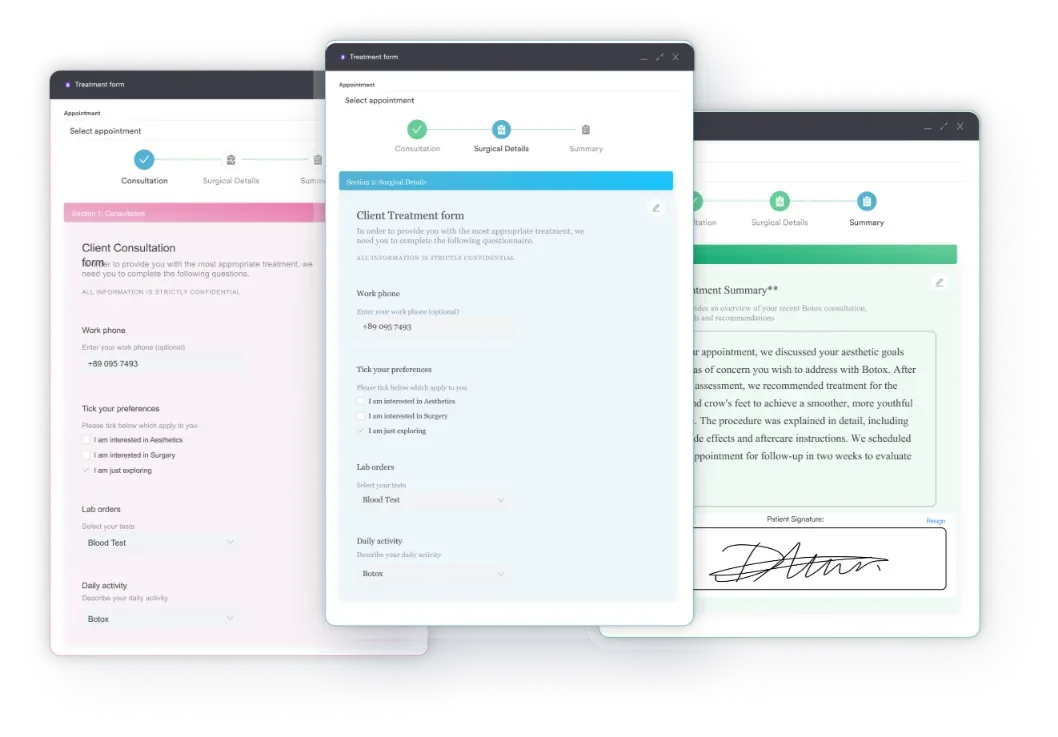
Mental health professionals across multiple settings use structured 8-week group plans to deliver consistent, evidence-based treatment.
If your current platform cannot handle digital worksheets, compare Carepatron alternatives before committing.
Clinical consistency: A structured plan ensures every facilitator delivers aligned content and milestones, even if co-facilitators rotate or cover absences. Consistency strengthens therapeutic alliance and group cohesion.
Documentation and compliance: The template provides a framework for documenting group attendance, individual progress, consent status, and session content. This satisfies licensing board requirements, supports HIPAA compliance audits, and protects your practice in liability scenarios.
Outcome tracking: With session objectives spelled out, you can measure whether participants achieved each milestone and adjust future groups based on what worked.
Reduced preparation time: Facilitators arrive ready to deliver instead of improvising. A plan cuts planning time in half and lets clinicians focus on responding to group dynamics rather than scripting activities.
When group plans are centralized in a shared system like a practice management platform, supervisors can monitor group progress, ensure quality, and coach facilitators on missed milestones or disruptive dynamics.
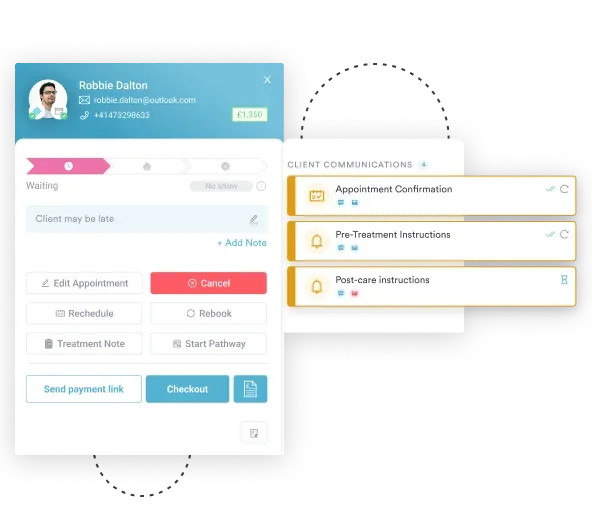
Group cohesion – the sense of belonging and mutual support among members – is one of the strongest predictors of therapeutic outcome in group therapy. Research shows groups with 6-8 members achieve optimal cohesion. Larger groups (10+) often fragment into subgroups; smaller groups (3-4) may lack enough peer diversity.
Your 8-week plan should explicitly address cohesion milestones: Week 1-2 focuses on orientation and trust-building (icebreakers, group agreements, confidentiality commitment). Weeks 3-5 deepen connection through sharing and peer feedback. Weeks 6-8 consolidate bonds and prepare members for group closure, which is critical for group members who rely on the weekly structure.
Closed groups (where members commit to all eight weeks before anyone joins) build stronger cohesion than open groups (where members can drop in anytime). If you run closed groups, plan intake and screening carefully before Week 1 starts. Establish clear inclusion/exclusion criteria (e.g., active substance use, untreated psychosis, homicidal ideation exclusions for some groups). Document these decisions in the group plan template.
The downloadable template includes CBT and psychoeducational frameworks as defaults. If you practice from an engagement-focused perspective, adapt the language and homework to your modality.
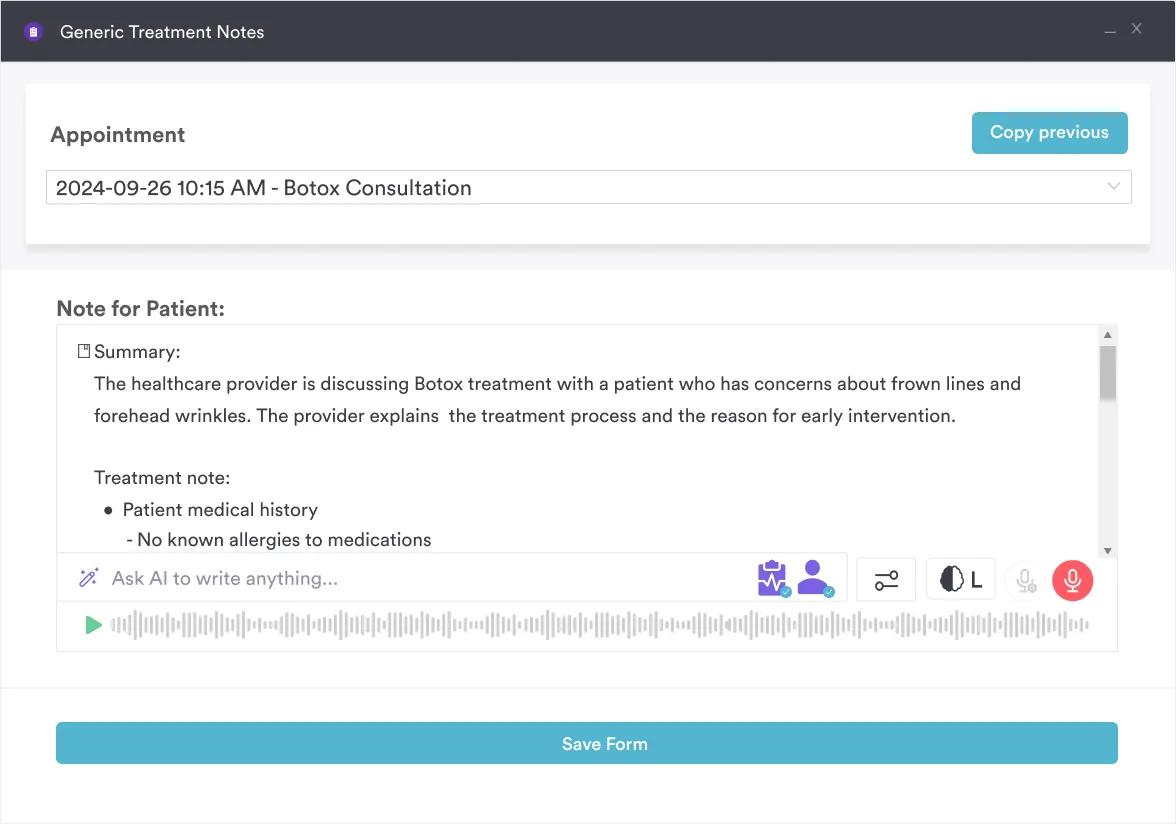

See how Pabau’s group scheduling, multi-client progress notes, and automated reminders support structured group therapy delivery.

Every group session requires notes that capture attendance, topics discussed, individual progress, and any incidents. Your 8-week group counseling plan template includes dedicated sections for session notes. Use consistent fields: date, attendees, session focus, key interventions, individual observations per participant, and facilitator reflections on group dynamics.
Progress notes serve multiple audiences: supervisors reviewing quality, insurers validating medical necessity for billing, and your own case formulation for adjusting treatment. Notes should be timely (ideally completed within 24 hours), specific (name the interventions and participant responses, not just “group went well”), and defensible (document how you addressed any safety concerns or group conflicts).
Schedule a mid-program check-in (Week 4 or 5) to ask the group: ‘What’s working? What do you want more or less of?’ This feedback ensures your remaining sessions remain responsive to actual group needs rather than adhering rigidly to the plan.
An 8-week group counseling plan transforms group therapy from improvisation into a structured, evidence-based, and clinically defensible intervention. Whether you’re launching your first group or scaling to multiple cohorts, this template provides the roadmap your facilitators need and the documentation your practice requires.
The template’s session-by-session breakdown, therapeutic modality options, and progress note structure let you deliver consistent outcomes while freeing facilitators to focus on responding to group dynamics rather than planning on the fly. Book a demo to see how Pabau’s group scheduling and documentation features support your group delivery at scale.

Assessing psychological flexibility in clients? ACT Hexaflex template This visual tool evaluates six core ACT processes across a client’s presentation.
Working with families affected by addiction? family roles in addiction worksheet This free template helps clinicians evaluate family dynamics and roles around addiction.
Setting expectations for group sessions? group therapy informed consent This guide covers what to include, from confidentiality limits to group rules and boundaries.
A group counseling plan includes session-by-session objectives, therapeutic modality, group agreements, participant consent, progress note templates, and attendance tracking. It serves as both a clinical roadmap and a compliance record.
Most programs run 6-8 weeks with weekly sessions of 60-90 minutes — enough time to build cohesion, deliver core content, and consolidate learning without member fatigue.
Closed groups require all members to commit before Week 1 and no new members join mid-program, building stronger cohesion. Open groups allow drop-ins, offering flexibility but typically weaker therapeutic alliance.
Use a progress note template capturing date, attendees, session focus, interventions used, individual observations, and group dynamics. Complete notes within 24 hours and store them securely to maintain HIPAA compliance.
Yes — once tested, the plan becomes a reusable template for future cohorts with the same focus. Make minor adjustments for group composition (age, severity) but keep the core structure intact.