CPT code 93503: Swan-Ganz catheter billing and modifiers
CPT code 93503: Official descriptor and procedure overview In the AMA CPT code s...

Last Updated: Oct 23, 2026
E0185 is the HCPCS Level II code for gel or gel-like pressure pad for mattress, standard mattress length and width.
It's also one of the most frequently audited DME items in Medicare billing. Claims get denied when documentation is incomplete, the wrong modifier is used, or the supporting diagnosis codes don't establish medical necessity.
Let Pabau's smart automation suggest the right codes, reduce claim denials, and keep your practice compliant—effortlessly.
Automate repetitive tasks and focus on what matters most—your patients.
Reduce coding errors and ensure compliance with the latest regulations.
Clean claims, fewer denials, and faster reimbursements.
Powerful insights and reporting to help your practice thrive.
HIPAA compliant SOC 2 certified GDPR-compliant Trusted by 4,000+ clinics worldwide

HCPCS Code E0185 describes a gel or gel-like pressure pad for a standard-size mattress, classified as a Group 1 pressure-reducing support surface under Medicare LCD L33830.
Coverage requires documented medical necessity: the patient must have a condition that creates significant pressure ulcer risk, supported by a physician order and clinical notes.
The KX modifier is required when coverage criteria are met; missing it is one of the most common causes of claim denial for E0185 submissions.
Pabau’s claims management tools and digital forms help DME suppliers and practice teams maintain the documentation trail Medicare requires for compliant E0185 billing.
HCPCS Code E0185 has the following official CMS description: Gel or gel-like pressure pad for mattress, standard mattress length and width. It is a Level II HCPCS code in the E-series, which covers durable medical equipment (DME) items billed to Medicare Part B and most commercial payers.
The product is a pad placed on top of a standard hospital or home mattress to redistribute pressure across the patient’s body surface. It does not replace the mattress itself. That distinction matters for coding: E0185 is a pad, not a complete mattress system (those fall under different HCPCS codes and higher-level support surface groups).
Under the HCPCS Level II system, E0185 sits within the Pressure Reducing Support Surfaces Group 1 category alongside E0184, E0196, E0197, E0198, and E0199. Group 1 surfaces are the entry-level tier: they are non-powered overlays that reduce pressure through material properties (gel, air, water, or foam) rather than through active alternating pressure mechanisms.
Medicare covers HCPCS Code E0185 under Part B as durable medical equipment when coverage criteria in LCD L33830 are satisfied. The LCD is titled “Pressure Reducing Support Surfaces” and is administered by Medicare Administrative Contractors (MACs) across their respective jurisdictions.
Coverage rules are consistent at the federal LCD level, but MAC-specific billing articles may contain additional local guidance on documentation or prior authorization.
LCD L33830 covers Group 1 support surfaces for patients who meet clinical risk thresholds for pressure injury development. E0185 specifically applies when a gel or gel-like pad overlay (not a complete mattress) is the appropriate product. When the patient’s condition requires a powered alternating pressure system or a Group 2/3 surface, a different code applies entirely.
Suppliers should also be aware that Medicare may require an Advance Beneficiary Notice (ABN) when there is reason to believe the claim may not be covered. Issuing an ABN allows the patient to choose whether to proceed with the understanding they may bear the cost.
Medical necessity is the most common denial trigger for E0185. “At risk for pressure injury” is not sufficient on its own. LCD L33830 requires specific clinical conditions to be documented.
To establish medical necessity, the patient’s record must reflect that they have one or more of the following conditions, as documented by the treating physician or qualified non-physician practitioner:
The physician’s order must specify the product type (gel pressure pad) and confirm medical necessity. A generic order for “pressure pad” without clinical context is not sufficient for audit purposes.
Individual MAC determination applies, and criteria can evolve with LCD revisions. Always verify against the current version of LCD L33830 in the AAPC HCPCS reference or the CMS Medicare Coverage Database.
A patient management system reminds you when issued equipment is due for review, replacement, or return.
The diagnosis codes submitted with an E0185 claim must establish the clinical rationale for the gel pressure pad. Pressure injury staging codes and mobility-limiting conditions are the primary categories. The following ICD-10-CM codes are commonly used to support medical necessity, though the complete covered-diagnosis list is governed by LCD L33830 and should be verified against the current CMS-published appendix. Secondary payers often allow a shorter window than the primary, so the filing deadline differs by claim.
Verify each diagnosis code against the current CMS fee schedule database before submission. The L89 pressure injury series (staging codes L89.001 through L89.959) is the most directly relevant group.
Where a patient has an existing injury, code the specific anatomical site and stage, and note that wound dressing supplies such as A6196 bill separately from the pressure-reducing surface itself. Where the claim is for prevention, a mobility or circulatory diagnosis must carry the medical necessity argument.
HCPCS Code E0185 is reimbursed under the Medicare DMEPOS (Durable Medical Equipment, Prosthetics, Orthotics, and Supplies) fee schedule. Rates are set nationally and adjusted by geographic locality using CMS payment adjustment factors.
Because DMEPOS fee schedule amounts are updated annually and vary by MAC jurisdiction, billing teams should pull current rates directly from the CMS DMEPOS fee schedule rather than relying on third-party aggregators, which may reflect prior-year figures. The following table shows the general billing structure for E0185.
Always confirm the current allowed amount through the CMS fee schedule tool or your MAC’s published rates. Using a prior-year rate as the basis for calculating patient cost-sharing creates billing inaccuracies that can trigger post-payment audits.
Pull your E0185 fee schedule rate each January 1 directly from the CMS DMEPOS fee schedule tool. Set a calendar reminder for your billing team: rates change annually, and using an outdated figure is a leading cause of incorrect patient cost-sharing calculations and post-payment adjustments.
Incomplete documentation is responsible for a disproportionate share of E0185 claim denials. Medicare auditors specifically look for four document types, all of which must be in the supplier’s file before the item is delivered.
Pabau’s digital intake forms and detailed client records help practices maintain the clinical documentation trail that DME audits require, reducing the risk of denial on post-payment review. Using paperless, HIPAA-compliant records also makes it easier to retrieve and submit supporting documentation quickly when a MAC requests it.
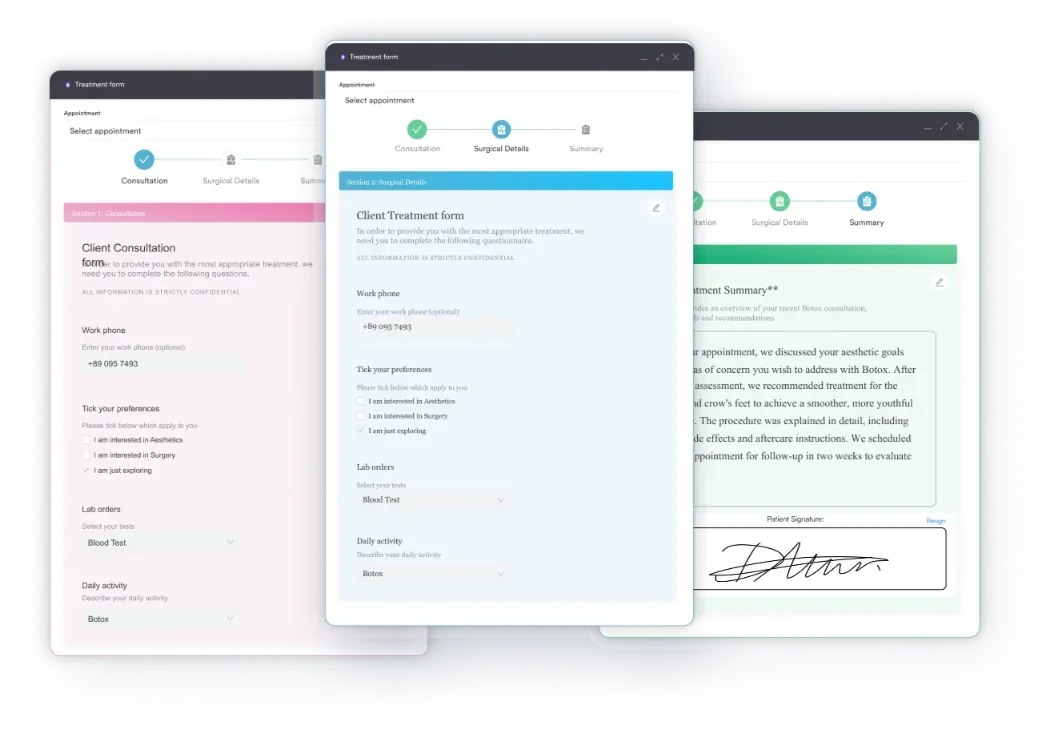
Using structured medical forms for documentation intake helps ensure nothing is missing before submission. For teams managing multiple DME items. All documentation must be retained for a minimum of seven years from the date of service, or longer if state law requires it.

Pabau helps practice and DME teams maintain compliant patient records, digital forms, and billing workflows in one place. See how it simplifies the documentation side of HCPCS billing.

Even when a claim is clinically justified, billing errors can trigger denial or post-payment recovery. The following issues appear repeatedly in Medicare E0185 audits.
Using compliance management tools that flag incomplete fields before claim submission reduces the rate of avoidable denials. Many billing teams also find that a pre-submission checklist, mirroring the documentation requirements above, cuts first-pass denial rates significantly.
Suppliers treating Stage 3 or Stage 4 injuries should also confirm whether advanced wound care products such as Q4101 apply. These carry separate coverage rules from Group 1 support surfaces and are more commonly billed by regenerative medicine practices managing chronic, non-healing wounds.
HCPCS Code E0185 is one of six Group 1 pressure-reducing surface codes. Selecting the wrong code is a coding error, not just a billing preference. The choice depends on the product material and format the physician has ordered.
The key differentiator between E0185 and E0196 trips up many billers. E0185 is a pad placed on top of an existing mattress. E0196 is a complete gel mattress that replaces the existing one. The physician order must specify which product is clinically indicated.
Suppliers billing other DME categories should apply the same scrutiny at the code level. The wrong code carries the same audit risk as mixing up E0185 and E0196.
Check the physician’s order carefully before selecting between E0185 and E0196. ‘Gel pressure mattress’ in the order could describe either a pad overlay or a full mattress replacement. Call the prescribing provider to clarify if the order is ambiguous. Coding the wrong product type is a coding error, not a billing dispute.
DME billing compliance depends on clean documentation from clinical assessment through proof of delivery. Most denial patterns for HCPCS Code E0185 come from missing or incomplete records in that chain.
Pabau’s claims management software helps billing teams track HCPCS code submissions, flag incomplete fields before submission, and maintain audit-ready records within a single platform. For practices that handle both clinical care and DME supply, this means the physician order, clinical notes, and delivery confirmation are stored together and retrievable within seconds if a MAC requests them.
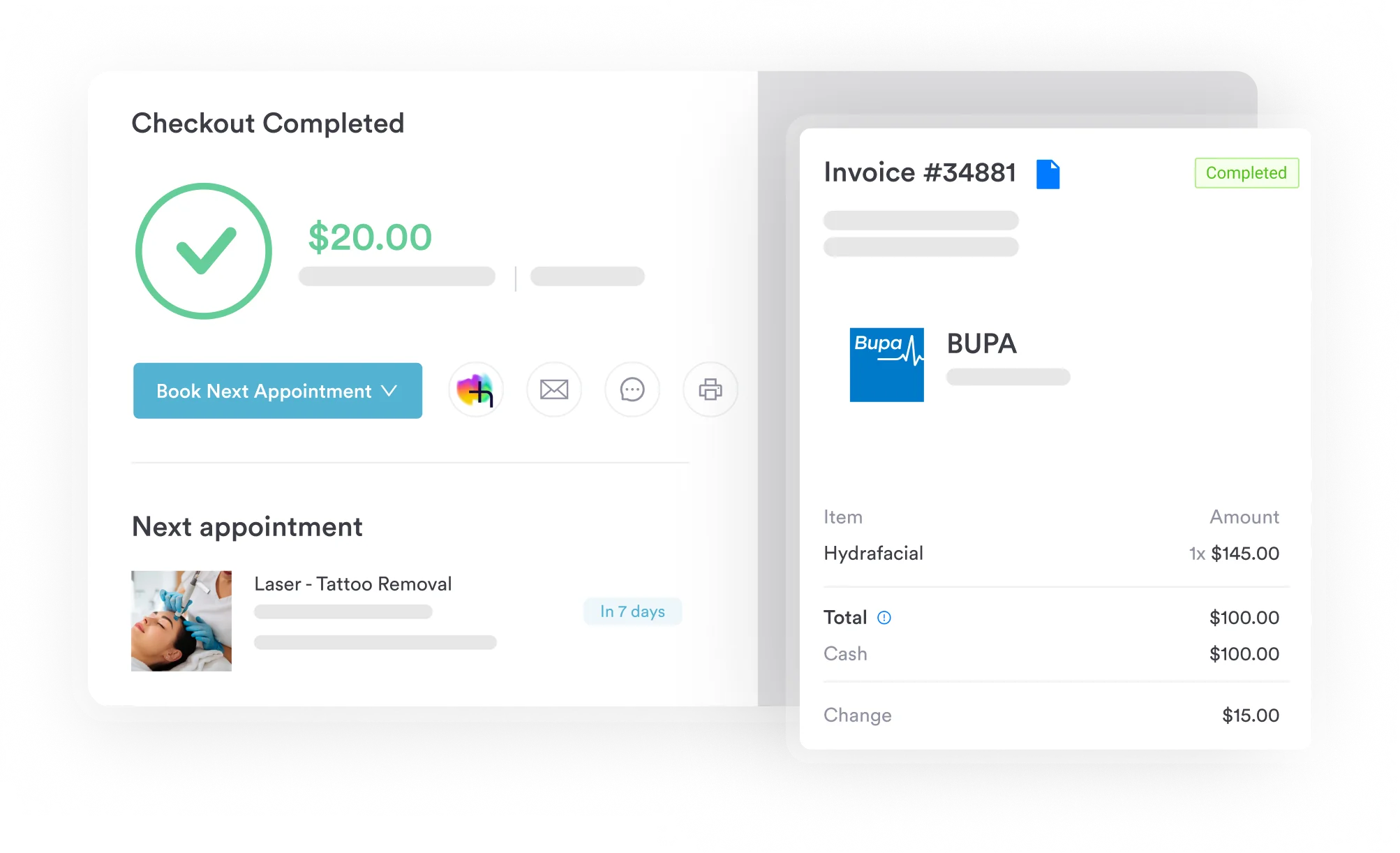
Pabau also supports the intake side of the documentation workflow. Using EMR software that connects clinical documentation to billing workflows reduces the manual re-entry errors that create claim mismatches.
Teams managing multiple DME product lines also benefit from Pabau’s reporting tools, which surface denial patterns by code. This lets billing staff address recurring denial causes before they turn into post-payment recovery events.
HCPCS Code E0185 is a straightforward code with a high denial rate. The gel or gel-like pressure pad it describes is a covered Group 1 DME item under Medicare LCD L33830, but coverage depends entirely on documented medical necessity, the KX modifier, and a complete pre-delivery documentation file.
The billing errors that generate the most denials are preventable: missing modifiers, incomplete physician orders, mismatched diagnosis codes, and documentation retrieved after the fact rather than assembled before delivery.
Pabau’s compliance management tools help DME billing teams build the documentation workflow that keeps E0185 claims clean from the first touchpoint. To see how Pabau handles this end to end, book a demo.

Billing for a related DME category? Our guide to A4349 walks through the same documentation and modifier requirements for external catheter claims.
Supplying respiratory DME too? A7005 billing follows a similar coverage and documentation pattern to Group 1 support surfaces.
Coding a related skin condition? L59.9 is another diagnosis code worth knowing alongside the L89 pressure injury series.
HCPCS Code E0185 is used to bill Medicare Part B and most commercial payers for a gel or gel-like pressure pad placed on a standard-size mattress. It is a Group 1 pressure-reducing support surface used in the care of patients at risk for pressure injuries due to immobility, compromised circulation, or existing skin breakdown.
Yes, Medicare Part B covers HCPCS Code E0185 when coverage criteria under LCD L33830 are met. The patient must have a documented medical condition creating significant pressure injury risk, a physician order specifying a gel pressure pad, and supporting clinical documentation. The KX modifier is required on the claim when all criteria are satisfied.
Reimbursement rates for E0185 are set annually under the DMEPOS fee schedule and vary by geographic locality. Because rates change each January 1, billing teams should pull current figures directly from the CMS fee schedule tool rather than relying on third-party aggregators. Medicare covers 80% of the allowed amount after the Part B deductible; the patient owes the remaining 20%.
LCD L33830 is the Medicare Local Coverage Determination titled “Pressure Reducing Support Surfaces.” It governs which patients qualify for Medicare coverage of Group 1 pressure-reducing surfaces, including E0185. The LCD outlines the specific clinical conditions, documentation requirements, and modifier rules that suppliers must satisfy for the claim to be covered. It is administered by Medicare Administrative Contractors and applies nationally with potential MAC-specific billing article supplements.
The most common E0185 billing errors are: omitting the KX modifier when coverage criteria are met, billing E0185 and another Group 1 code (E0184, E0196, E0197, E0198, E0199) simultaneously for the same patient, submitting diagnosis codes that don’t match the clinical documentation, billing before the item has been delivered and a delivery receipt signed, and failing to have a complete documentation file assembled before delivery.
A physician or qualified non-physician practitioner (such as a nurse practitioner or physician assistant, depending on MAC policy) can issue the order for a product billed under E0185. The order must include the patient’s diagnosis, a clinical justification for the gel pressure pad, and confirmation of medical necessity. The supplier cannot substitute a different product type or material from what the order specifies.
E0185 is a gel pad placed on top of an existing standard mattress, while E0184 describes a full dry (foam) pressure mattress that replaces the mattress entirely rather than sitting on top of it. Both are Group 1 pressure-reducing support surfaces, so the choice depends on whether the physician has ordered an overlay pad or a complete mattress replacement. A powered overlay is coded separately under E0181, not E0185 or E0184.