



HCPCS code E0198: Water pressure pad billing guide
HCPCS code E0198 is a water pad for a standard mattress HCPCS code E0198 is the ...

Last Updated: Oct 13, 2026

CPT code 92610 describes evaluation of oral and pharyngeal swallowing function, typically performed by a speech-language pathologist (SLP) at bedside or in an outpatient setting.
The 2026 Medicare non-facility reimbursement rate for 92610 is approximately $78 to $95, depending on geographic payment locality.
Modifier GN (SLP plan of care) is the primary modifier for CPT code 92610; modifier GP applies only when an SLP bills under a physical therapy plan of care. Modifier 59 may be needed when 92610 is reported alongside other procedure codes on the same date.
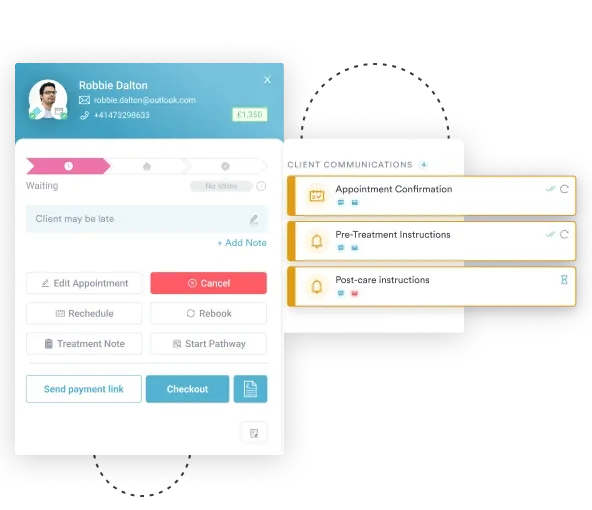
Pabau’s practice management software lets SLP practices attach CPT code 92610 directly to clinical notes and track denials in one workflow, reducing manual transfer errors.
Most swallowing evaluation denials don’t come from the wrong code. They come from documentation that doesn’t clearly support medical necessity, or from billing the evaluation alongside a treatment code without the right modifier. According to the American Speech-Language-Hearing Association (ASHA), swallowing evaluation and treatment codes are among the most frequently questioned SLP billing codes by Medicare contractors. CPT code 92610 is the code at the center of most of those questions. An out-of-network claim rests on the paperwork the practice hands over, so what a superbill includes matters.
This guide covers the complete billing picture for CPT code 92610: the official code description, 2026 Medicare rates and RVUs, applicable modifiers, ICD-10 crosswalk, documentation requirements, bundling rules, and how it differs from CPT 92611.
CPT code 92610, as defined by the American Medical Association (AMA) CPT code set, describes the evaluation of oral and pharyngeal swallowing function. The procedure captures a clinical assessment of how a patient moves food or liquid from the mouth through the pharynx, without the use of fluoroscopic imaging.
This is a bedside or outpatient clinical evaluation. The SLP observes swallowing mechanics directly, assesses oral and pharyngeal phase function, and documents findings to establish whether dysphagia is present and to what degree.
The evaluation must be clinically indicated. A patient presenting with post-stroke dysphagia, aspiration risk following head and neck surgery, or neurological conditions affecting swallow function would meet the medical necessity threshold for 92610.
Eligible provider types for CPT code 92610 vary by payer and state. For practices using speech therapy software to manage billing, it’s worth confirming your specific payer contract before submitting. Generally, the following providers may bill 92610:
Medicare supervision rules apply when an SLP works within a therapy department. Direct supervision is typically required for outpatient services under the Medicare Physician Fee Schedule. State licensing requirements also govern scope of practice for swallowing evaluations, so always check both the payer policy and your state board rules before billing independently.
Reimbursement for CPT code 92610 under Medicare is set annually through the Medicare Physician Fee Schedule (MPFS). Use the CMS Physician Fee Schedule lookup tool to confirm the exact rate for your geographic payment locality, as rates vary by region.
These figures are estimates based on reported 2026 MPFS data. Verify current rates against the official CMS fee schedule for your payment locality before submitting claims.
RVUs determine how CMS calculates the Medicare payment amount. The values below reflect the 2026 Medicare Physician Fee Schedule as published by CMS, cross-referenced against the ASHA Medicare Fee Schedule for SLPs. Use the CMS Physician Fee Schedule lookup tool to confirm current values by locality and practice setting.
Non-facility and facility total RVUs are the same for CPT code 92610. Medicare pays outpatient SLP services at the non-facility rate regardless of setting, so the practice expense component doesn’t shrink when the evaluation happens in a hospital or SNF. At the 2026 conversion factor of $33.40, a total RVU of 2.54 works out to a national payment of $84.84 before geographic adjustment.
A DPC practice platform lets you record vaccines, infusions, and tests as care delivered, not claims filed.
Poor documentation is the leading cause of 92610 denials. Maintaining HIPAA-compliant clinical documentation practices is not optional for SLP practices billing under Medicare. Each claim for CPT code 92610 must be supported by a clinical note that addresses the following elements:
SLP practices should review clinical documentation software options built for allied health practices to ensure clinical notes meet payer audit standards. A note that is clinically complete but fails to document the medical necessity rationale in plain language will still generate a denial upon review.
Run a quarterly audit of 92610 notes before billing. Pull 10 random claims and check each against your documentation checklist. If any note lacks a direct medical necessity statement, update your SOAP note template to prompt for it before the clinician signs.
Modifiers adjust how CPT code 92610 is interpreted by the payer. Using the wrong modifier, or omitting one when required, triggers NCCI edit denials or manual review. The following modifiers are most commonly applied:
For SLP practices, modifier GN is the most common modifier applied to CPT code 92610. Modifier GP applies when an SLP is billing under a physical therapy plan of care, which is less typical but does occur in certain facility settings. Always confirm modifier requirements with your specific Medicare Administrative Contractor (MAC), as local coverage policies vary.
The ICD-10 diagnosis code drives medical necessity for 92610. Payer LCD policies dictate which diagnosis codes support coverage, so confirm against your MAC’s local coverage determination before submitting. The most frequently paired codes are listed below. For additional crosswalk lookups, the AAPC CPT-to-ICD-10 crosswalk tool provides a useful reference.
Avoid using overly general codes when a more specific dysphagia subcategory is documented in the clinical note. Payers may flag R13.10 on repeat claims when the evaluation findings consistently identify a specific phase. Using the most specific code supported by your documentation reduces audit risk. Other ENT-related diagnoses can trigger a swallowing evaluation referral too: a patient recovering from peritonsillar abscess.
The most common source of confusion in SLP billing is when to use CPT code 92610 versus CPT 92611. The procedures address the same clinical problem – swallowing dysfunction – but differ fundamentally in technique and equipment.
Billing both 92610 and 92611 on the same date of service for the same patient typically triggers an NCCI edit. If both a bedside evaluation and a fluoroscopic study are genuinely performed on the same day, modifier 59 or XP may apply, but the clinical record must clearly support why two separate and distinct evaluations were medically necessary.
CPT code 92610 rarely stands alone in an SLP billing workflow. The codes below are frequently billed alongside it or in the same treatment episode. Practice management software like Pabau’s procedure code library covers multiple therapy specialties.
The National Correct Coding Initiative (NCCI) maintains a set of procedure-to-procedure (PTP) edits that determine which code combinations Medicare will pay on the same date of service. SLP practices using automated billing workflows can flag potential NCCI conflicts before claims are submitted.
Key bundling considerations for CPT code 92610:
NCCI edits are updated quarterly by CMS. Always check the current edit table at cms.gov before billing code combinations you haven’t recently verified.
Medicare is the primary payer for many SLP swallowing evaluation claims, but commercial coverage policies vary significantly. Practices also billing commercial plans through a physical therapy EMR or allied health platform should confirm payer-specific rules before each claim cycle. Practices billing across multiple allied health disciplines.
Prior authorization is increasingly required by commercial payers for repeated evaluations. If a patient has had a previous 92610 claim paid within the plan year, a PA request should include the clinical rationale for a repeat evaluation and any change in the patient’s condition since the last assessment.

Pabau connects clinical documentation, CPT code assignment, and denial tracking in one workflow. No manual transfer between systems. See how SLP practices use Pabau to reduce 92610 denials and track billing performance by code.

Managing CPT code 92610 billing involves more than entering the right code on a claim. Documentation must be captured correctly before billing can proceed, modifiers must be applied accurately, and denials need to be tracked back to their source. Pabau’s practice management platform connects those steps in a single workflow.
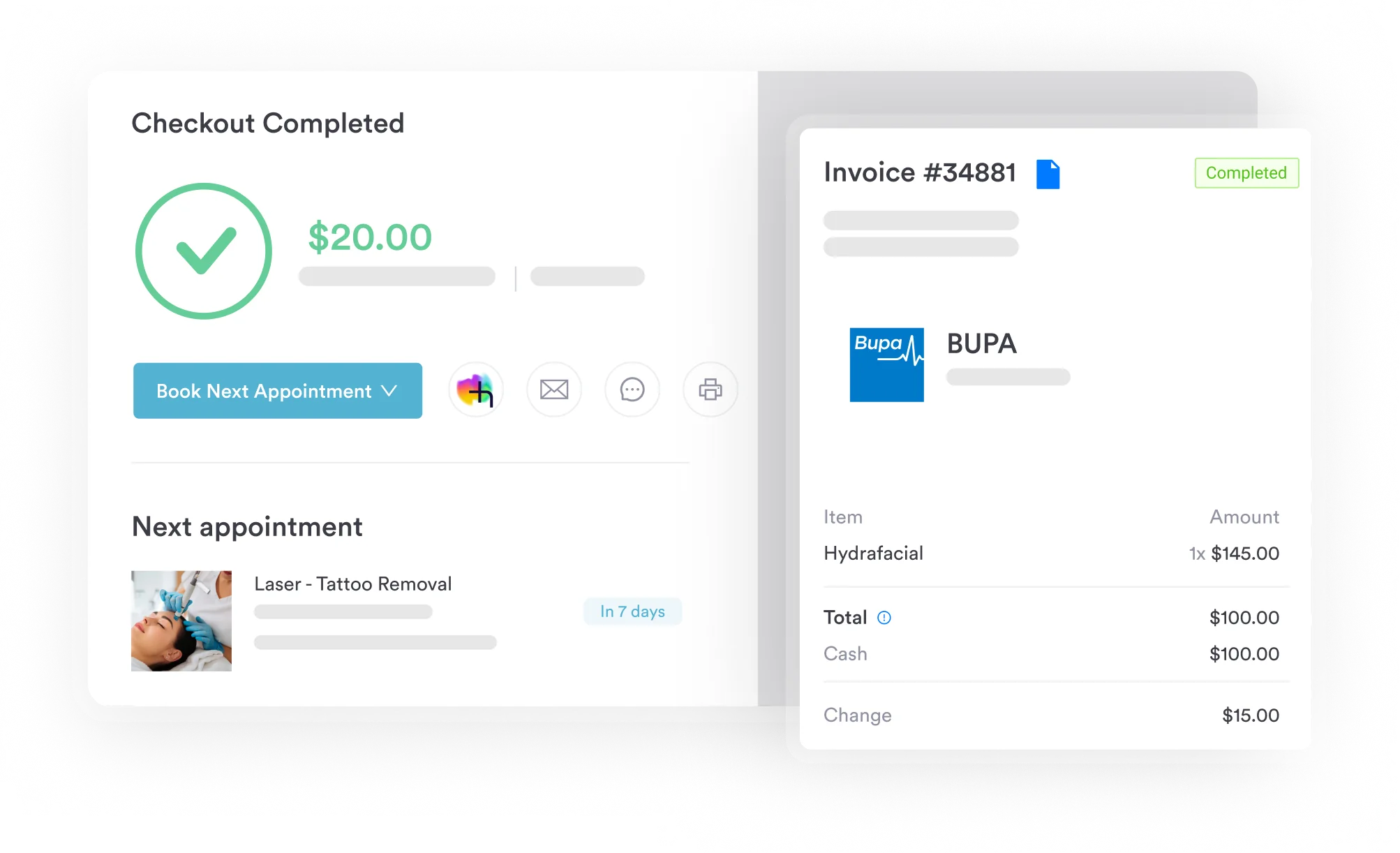
For multi-specialty clinics where SLPs work alongside other allied health providers, this cross-code visibility is particularly useful. Practice managers can compare 92610 billing performance against other SLP codes without needing to export data between systems.
Build a 92610 documentation checklist directly into your SOAP note template. Include fields for: medical necessity statement, oral phase findings, pharyngeal phase findings, aspiration or penetration observations, clinician NPI, and ICD-10 code. When the template prompts for these fields before sign-off, missing documentation drops significantly.
CPT code 92610 is a straightforward evaluation code in principle, but its billing requirements create complexity in practice. Incomplete documentation, missing modifiers, and incorrect NCCI edit handling are the three most common reasons claims fail. Each of these is solvable at the workflow level, not just the coding level.
Pabau’s integrated billing and documentation tools help SLP practices attach CPT code 92610 to clinical notes, apply the right modifiers, and track denial patterns across the team. To see how it works in a live SLP workflow, book a demo with the Pabau team.

Coding for hand and wrist conditions in an allied health practice? M65.4 covers radial styloid tenosynovitis, a common referral alongside other therapy evaluations.
Billing for neurosurgical anesthesia cases? 00218 outlines anesthesia for intracranial procedures performed in the sitting position.
Billing group adaptive behavior sessions? Group behavior treatment billing guide covers CPT code 97158 for group treatment delivered to two to eight patients in 15-minute units.
CPT code 92610 covers the clinical evaluation of oral and pharyngeal swallowing function, performed at bedside or in an outpatient setting without fluoroscopic imaging.
The 2026 Medicare non-facility rate is approximately $78 to $95, depending on geographic payment locality. Confirm your exact rate using the CMS Physician Fee Schedule lookup tool.
Modifier GN applies under an SLP plan of care; modifier GP applies under a physical therapy plan of care. Modifier 59 or XP may be needed when 92610 is billed alongside another procedure on the same date.
CPT 92610 is a clinical bedside evaluation with no imaging; CPT 92611 is a videofluoroscopic evaluation requiring fluoroscopic equipment. They cannot typically be billed on the same date without modifier justification.
This depends on the current NCCI edit table, which updates quarterly. Verify against CMS NCCI edits before submitting, and document that the evaluation and treatment were distinct services if using a modifier.
Speech-language pathologists are the primary billers. Physicians and other qualified healthcare professionals may also bill this code within their scope of practice, subject to state licensure and payer contract terms.



