

HCPCS code E0198: Water pressure pad billing guide
HCPCS code E0198 is a water pad for a standard mattress HCPCS code E0198 is the ...

Last Updated: Oct 13, 2026
H0003 is the HCPCS Level II code for alcohol and/or drug screening; laboratory analysis of specimens for presence of alcohol and/or drugs.
Unlike CPT drug testing codes (80305, 80306, 80307), H0003 is a Medicaid-specific code. It covers the laboratory analysis component of a substance screening, not point-of-care testing or clinical assessment. The code is active for 2026; verify the current status against the annual CMS HCPCS release before billing.
Let Pabau's smart automation suggest the right codes, reduce claim denials, and keep your practice compliant—effortlessly.
Automate repetitive tasks and focus on what matters most—your patients.
Reduce coding errors and ensure compliance with the latest regulations.
Clean claims, fewer denials, and faster reimbursements.
Powerful insights and reporting to help your practice thrive.
HIPAA compliant SOC 2 certified GDPR-compliant Trusted by 4,000+ clinics worldwide

HCPCS code H0003 describes laboratory analysis of specimens for the presence of alcohol and/or drugs, billed primarily to Medicaid programs.
H0003 is a Medicaid-specific code – Medicare generally does not cover it. State Medicaid rates vary significantly and should be verified annually.
Missing documentation (lab order, chain of custody, specimen collection record) is the top denial reason for H0003 claims.
Pabau’s claims management software helps behavioral health and substance abuse practices track H0003 billing requirements, modifiers, and documentation in one place.
H0003 covers the laboratory analysis portion of a substance screening. Specifically, it applies when a qualified laboratory tests a biological specimen for the presence of alcohol and/or drugs. This is distinct from point-of-care testing performed in a clinical setting using immunoassay strips or cups.
Specimens that may be analyzed under this code include urine (the most common), blood, saliva, and hair. The code captures the analytical work performed by a certified laboratory, not specimen collection or clinical interpretation. Within a SBIRT (Screening, Brief Intervention, and Referral to Treatment) workflow, H0003 specifically covers the lab component after specimen collection has occurred.
Eligible provider types vary by state Medicaid program. Avoid assuming a single universal list applies across all jurisdictions. The provider types most commonly authorized to bill this code include substance abuse treatment facilities, behavioral health clinics, and certified addiction treatment programs. Managing psychiatry and behavioral health practice management requirements alongside Medicaid billing rules is where most eligibility issues arise. A rejected electronic claim never reaches adjudication, so it does not appear in denial reporting. Denial codes in medical billing group the reasons a payer refuses, and the group decides the fix.
Provider enrollment in the state Medicaid program is a prerequisite for billing. Check your state Medicaid billing manual for the specific National Provider Identifier (NPI) and taxonomy code requirements that apply to H0003.
Miscellaneous codes are easy to mishandle, and medical practice management software keeps their documentation attached and auditable.
Payer coverage for H0003 follows a clear hierarchy: Medicaid is the primary payer, Medicare typically does not cover this code, and commercial insurer coverage varies by plan. Submitting H0003 to Medicare is one of the most common billing mistakes for this code. Understanding HIPAA-compliant billing workflows for mixed-payer practices helps prevent claims landing with the wrong insurer.
Reimbursement for H0003 is set by each state Medicaid program, so there is no single national rate. Rates change annually and can differ substantially from one state to another. Use the CMS Physician Fee Schedule lookup as a starting point, then cross-reference your state Medicaid fee schedule for the current allowed amount.
General benchmarks as reported by commercial fee schedule data sources:
Because Medicaid rate updates take effect annually (typically October 1 for Medicaid and January 1 for other updates), confirm rates at the start of each fiscal year. Use the AAPC HCPCS code lookup to verify current code attributes alongside your state Medicaid portal.
Billing H0003 correctly requires attention to payer, place of service, diagnosis pairing, and modifier requirements. Using purpose-built claims management software helps practices track these variables and reduce manual errors on HCPCS submissions.
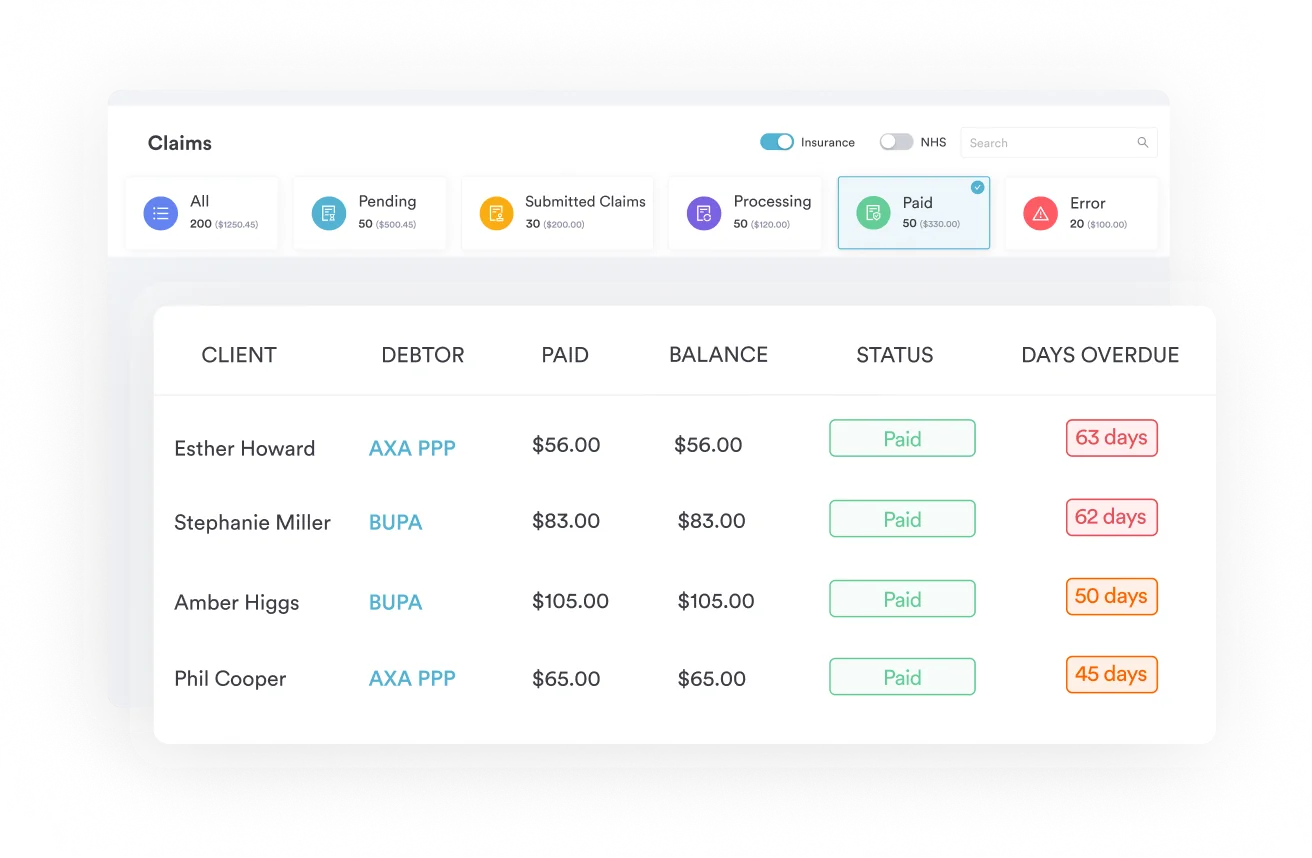

Track H0003 modifiers, documentation requirements, and Medicaid claim submissions in one place. See how Pabau supports substance abuse and behavioral health practices.

Modifier requirements for HCPCS code H0003 vary by state Medicaid program. A modifier that is required in one state may be optional or prohibited in another. Always verify against your state Medicaid billing manual before applying modifiers to H0003 claims.
Always check your state Medicaid H0003 billing manual before applying modifiers. U-series modifier meanings differ by state – applying the wrong U modifier is a common denial trigger that requires resubmission.
Inadequate documentation is the leading cause of post-payment audits and claim recoupment for H0003. Medicaid programs conduct routine reviews of substance abuse laboratory billing, and missing records can trigger full repayment demands. Maintaining medical forms and documentation workflows that capture every required element at the point of service is far less costly than responding to a post-payment audit.
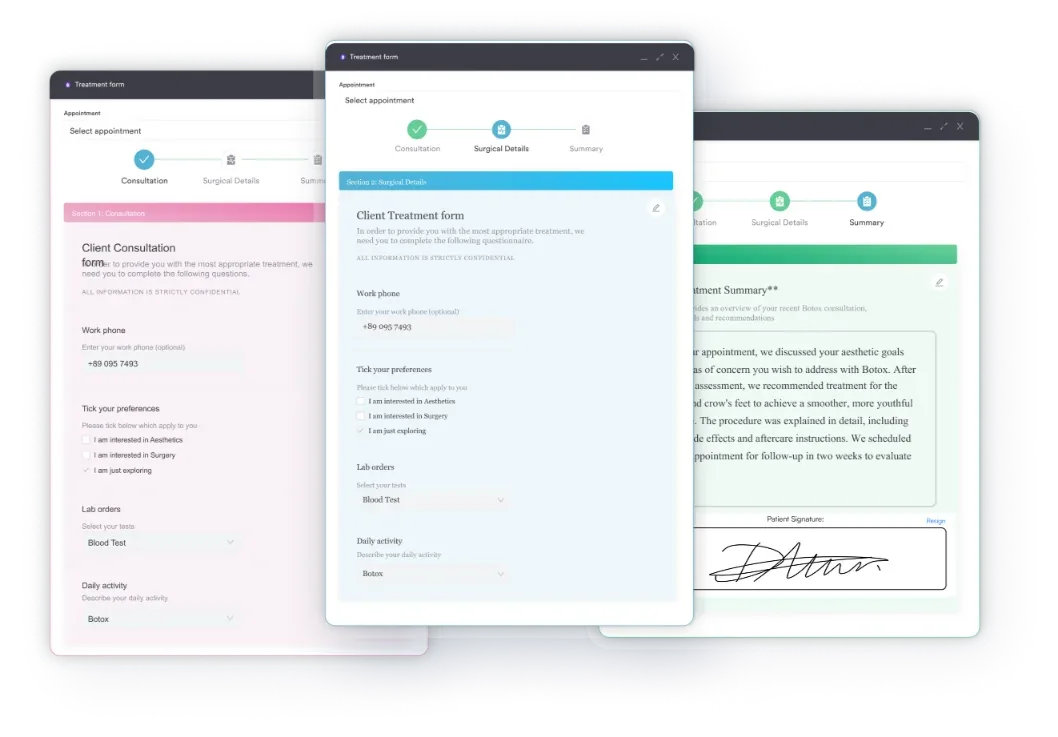
Using digital intake forms that capture specimen collection data, consent, and chain-of-custody signatures at the point of service reduces the documentation gaps that lead to denials. Keeping these records organized alongside patient compliance documentation in a single clinical record streamlines audit response times significantly.
H0003 sits within the H0001-H0005 code cluster, which covers the core components of a substance abuse assessment and screening workflow. Choosing the wrong code from this series is a common billing error, particularly for new billing staff. Understanding compliance workflows for behavioral health practices that span multiple H-series codes helps reduce miscoding denials.
The most consequential coding decision for substance abuse billing staff is whether to use HCPCS code H0003 or a CPT drug testing code. The choice is driven almost entirely by payer – and using the wrong code for the wrong payer triggers automatic denial. The HCPCS lookup tool from PGM Billing can help verify code attributes before submission.
Billing both H0003 and a CPT drug testing code for the same specimen on the same date of service constitutes duplicate billing. Payer edits will typically catch this, but it can also trigger a compliance audit if the pattern appears repeatedly. Review your state’s Medicaid billing manual alongside the CMS HCPCS overview documentation to confirm which code is appropriate for each payer and service type.
Denial rates for H0003 are higher than for most behavioral health codes because the billing requirements touch multiple departments: clinical staff collecting specimens, lab technicians running analysis, and billing staff submitting claims. Keeping HIPAA-compliant clinical documentation standards consistent across all three groups reduces the gap that leads to denials.
Run a monthly denial analysis on your H0003 claims. The top denial reason each month tells you exactly where your billing workflow needs a fix – whether that is documentation, modifiers, or payer routing.
HCPCS code H0003 is deceptively simple in description but genuinely complex in billing practice. The Medicaid-only payer restriction, state-variable modifier requirements, and strict documentation standards mean that billing staff at substance abuse treatment facilities need a reliable system for tracking every component of each claim.
Pabau’s claims management software helps behavioral health and SUD practices manage these requirements without juggling multiple disconnected tools, so fewer H0003 claims come back as denials. To see how Pabau handles behavioral health billing workflows, book a demo with the team.

Coding nasopharyngeal cancer by location? ICD-10 code C11.1 covers malignant neoplasm of the posterior wall of the nasopharynx, including sequencing rules.
Coding a different nasopharynx tumor site? ICD-10 code C11.3 covers malignant neoplasm of the anterior wall of the nasopharynx, including the choana.
Coding a hypopharyngeal tumor location? ICD-10 code C13.0 covers malignant neoplasm of the postcricoid region, a hypopharynx subsite behind the cricoid cartilage.
HCPCS code H0003 is used to bill laboratory analysis of biological specimens (typically urine, blood, or saliva) for the presence of alcohol and/or drugs. It is primarily submitted to state Medicaid programs and covers the analytical component of substance use disorder screening, not point-of-care testing or clinical assessment services.
No. Medicare generally does not cover H0003 because it is a Medicaid-specific HCPCS H-series code. For patients who are dually eligible for Medicare and Medicaid, submit the claim to Medicaid. Submitting H0003 to Medicare will typically result in an automatic denial.
Eligible providers include substance abuse treatment facilities, behavioral health clinics, opioid treatment programs (OTPs), and CLIA-certified clinical laboratories. Eligibility varies by state Medicaid program, so confirm that your organization’s NPI and taxonomy code are enrolled correctly before submitting H0003 claims in your state.
Modifier requirements vary by state Medicaid program. Common modifiers include HF (substance abuse program), HH (home health agency), HN, HO, and HP (education-level qualifiers for the rendering provider), and U-series modifiers (U1-U9) with state-specific meanings. Always check your state Medicaid billing manual before applying modifiers, as using the wrong modifier is a leading denial cause.
H0003 is a Medicaid-specific HCPCS code used for substance abuse laboratory analysis billed to state Medicaid programs. CPT drug testing codes (80305, 80306, 80307) and HCPCS G0480-G0483 are used for Medicare and commercial insurer claims with tiered drug testing methodology. Never bill H0003 alongside a CPT drug testing code for the same specimen on the same date of service, as this constitutes duplicate billing.
H0003 is covered by Medicaid programs across most states, but coverage terms, eligible provider types, required modifiers, and reimbursement rates differ significantly by state. Some state programs may require prior authorization or limit billing to specific provider categories. Always verify with your state Medicaid fee schedule and billing manual before submitting claims.



