CCSD code G5100: Bypass of duodenum billing guide
CCSD code G5100 bills a bypass that leaves the duodenum in place CCSD code G5100...

Last Updated: Oct 16, 2026
E2510 is the HCPCS Level II code for speech generating device, synthesized speech, permitting multiple methods of message formulation and multiple methods of device access.
Because E2510 is the broadest code in the SGD family, correct billing depends on matching the device's speech output, message formulation, and access methods to the right code, and on meeting Medicare's coverage and documentation rules under LCD L33739.
Let Pabau's smart automation suggest the right codes, reduce claim denials, and keep your practice compliant—effortlessly.
Automate repetitive tasks and focus on what matters most—your patients.
Reduce coding errors and ensure compliance with the latest regulations.
Clean claims, fewer denials, and faster reimbursements.
Powerful insights and reporting to help your practice thrive.
HIPAA compliant SOC 2 certified GDPR-compliant Trusted by 4,000+ clinics worldwide

HCPCS code E2510 describes a speech generating device (SGD) using synthesized speech with multiple methods of message formulation and device access – it is an electronic DME item, not a non-electronic device.
E2510 falls under Medicare LCD L33739; a patient must meet all seven SGD coverage criteria, and claims for more than one SGD are automatically denied as not reasonable and necessary.
Synthesized speech (E2508, E2510) differs critically from digitized speech (E2500-E2506) – synthesized speech is generated in real time, while digitized speech uses pre-recorded messages. Selecting the wrong code is a common cause of claim denials.
Claim lines for E2510 must carry a KX, GA, or GZ modifier, or they are rejected as missing information – KX signals that all LCD coverage criteria are met and documented.
The official description for HCPCS code E2510 is: Speech generating device, synthesized speech, permitting multiple methods of message formulation and multiple methods of device access. Its short descriptor on the Palmetto GBA DMECS system is “SGD w multi methods msg/accs.” The code has been valid since January 1, 1996, and remains active for 2026 billing.
E2510 sits within the Durable Medical Equipment (DME) category and is used by speech therapy practices and DME suppliers billing for high-complexity AAC devices. The code covers the device itself, any applicable software, and batteries.
According to CMS Policy Article A52469, digitized speech codes (E2500, E2502, E2504, E2506) use words or phrases recorded by someone other than the SGD user for playback on command. Synthesized speech codes (E2508, E2510), by contrast, generate speech output in real time.
That distinction directly determines which code applies. A patient using a device that plays back pre-recorded messages needs a digitized code. A patient using a device that generates novel spoken output from typed or symbol-selected input needs a synthesized code.
E2510 specifically applies when the synthesized-speech device also supports multiple methods of message formulation (For example, spelling, symbol selection, and pre-programmed phrases) and multiple methods of device access (For example, touch, switch, or eye gaze).
Flag E2510 claims for internal documentation review before submission. Because E2510 is the broadest synthesized-speech code in the SGD family, payers scrutinize whether the patient genuinely requires multiple message formulation methods and multiple access methods. Document each method used in the SLP evaluation, not just the primary access mode.
Medicare coverage for all SGD codes, including E2510, is governed by Local Coverage Determination L33739. The LCD states that an SGD will be covered only when all seven criteria are met.
LCD L33739 also makes clear that codes E2500, E2502, E2504, E2506, E2508, and E2510 all perform the same essential function of speech generation. Because of this, claims for more than one SGD will be denied as not reasonable and necessary. A practice billing E2510 and any other SGD code for the same patient in the same coverage period will trigger an automatic denial.
Beyond meeting the LCD criteria, the specific device billed under E2510 must appear on the Pricing, Data Analysis, and Coding (PDAC) contractor’s verified product list. The PDAC has conducted coding verification reviews for E2510 products, and only reviewed, listed devices are eligible for reimbursement under this code.
Billing E2510 for a device not on the PDAC list results in denial regardless of clinical justification. Verify product eligibility through the Palmetto GBA DMECS product classification tool before submitting a claim.
Medicare LCD L33739 applies to Medicare fee-for-service. State Medicaid programs set their own coverage policies for AAC devices and SGDs, and coverage criteria, prior authorization thresholds, and fee schedule rates vary significantly by state.
For patients covered under Medicaid, confirm the applicable state policy before billing E2510. Private insurers typically follow Medicare coverage logic but may apply different documentation standards or require separate prior authorization.
DME suppliers billing E2510 under Medicare must apply the correct modifiers to show that coverage criteria are met and to indicate purchase vs. rental status. Incorrect or missing modifiers are among the most common reasons for E2510 claim rejections. The CARC denial code list explains those rejection reasons, and most rework traces back to a handful of recurring entries.
| Modifier | Description | When to use |
|---|---|---|
| KX | Requirements specified in the medical policy have been met | Required once all LCD L33739 coverage criteria are met and documented |
| GA | Waiver of liability statement issued (ABN on file) | When an ABN is on file because criteria may not be met |
| GZ | Item expected to be denied as not reasonable and necessary | When criteria are not met and no ABN is on file |
| NU | New equipment | Purchase of a new SGD |
| RR | Rental | When the device is rented rather than purchased |
| UE | Used durable medical equipment | Purchase of a used SGD |
The KX modifier is the one that most directly affects payment. Under LCD L33739, claim lines for E2510 submitted without a KX, GA, or GZ modifier are rejected as missing information, so at least one of these must appear on every claim. Verify current modifier requirements against the applicable DME MAC’s billing guidelines, since requirements can vary by jurisdiction.
For related coding reference, see our coaching CPT codes guide, our HCPCS code E0100 (cane) billing guide.
A patient management system reminds you when issued equipment is due for review, replacement, or return.
Billing E2510 involves more pre-submission steps than most DME codes. The prior authorization and documentation requirements are substantial, and skipping any step creates denial risk.
Practices using claims management software can automate modifier validation, track prior authorization status, and flag incomplete documentation before claims reach the payer, which reduces the denial rate on complex DME codes like E2510.
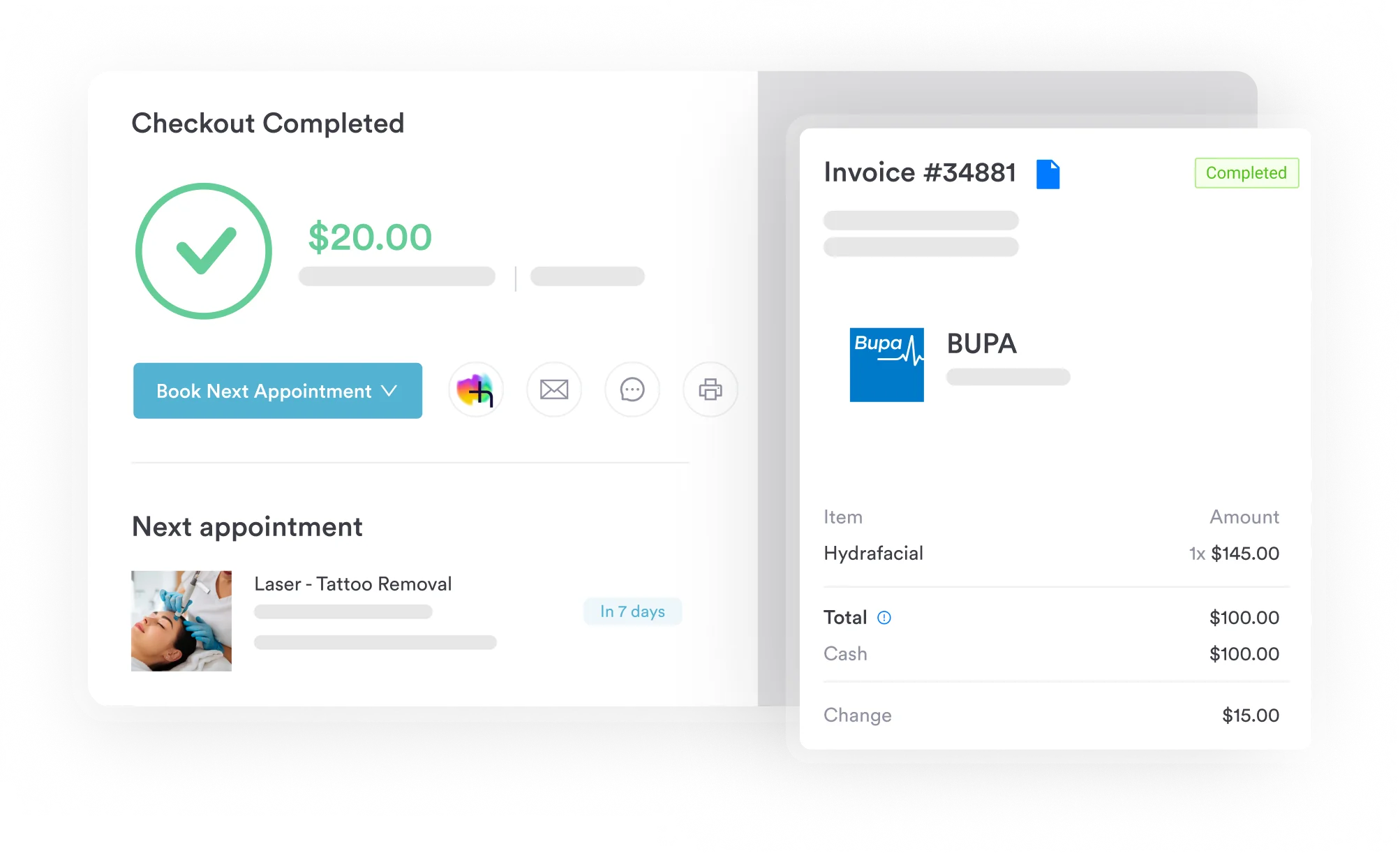

Pabau’s claims management tools help DME suppliers and SLP practices track prior authorization, documentation checklists, and claim submission for complex DMEPOS codes including E2510.

Insufficient documentation is the leading cause of post-payment audit recoupment for SGD claims. Under LCD L33739, the following records must be present in the patient file and available upon payer request.
Using digital intake forms and standardized notes such as a speech therapy SOAP note template to collect and store structured documentation at each stage of the SGD workflow reduces the risk of missing records at audit. For practices managing HIPAA compliance across patient records and billing data, a centralized system that links clinical documentation to claim records is particularly important for high-audit DME codes.
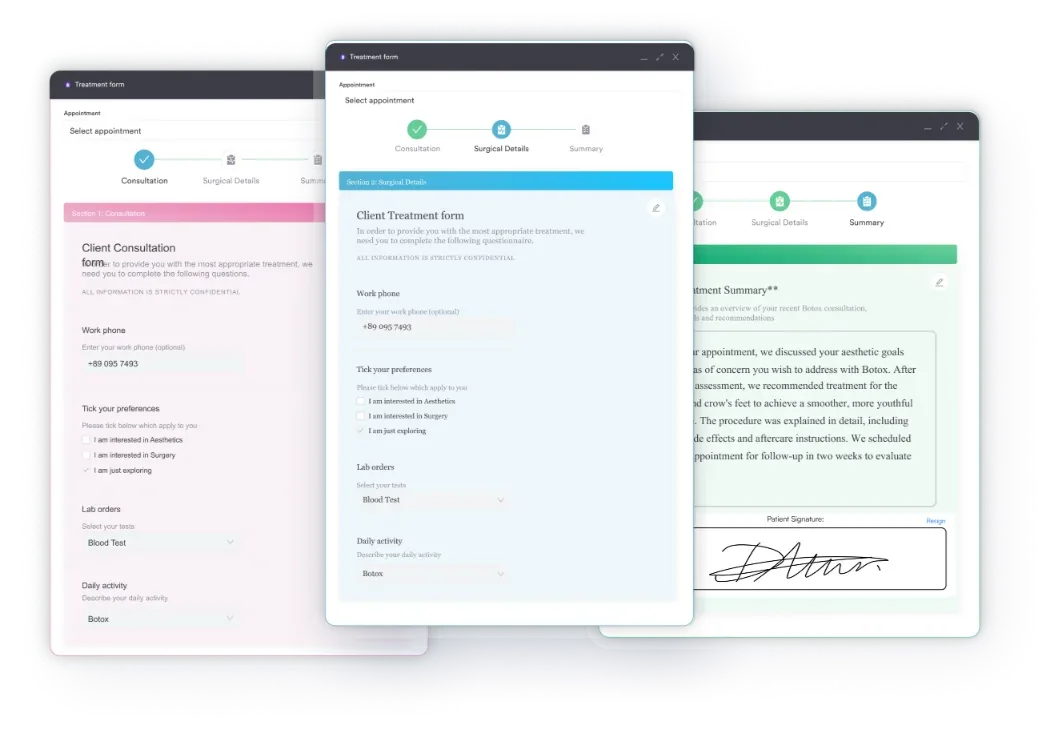
Storing documentation in a structured patient record management system, rather than scattered across paper files and email threads, is the single most practical step a practice can take to reduce recoupment exposure on E2510 claims.
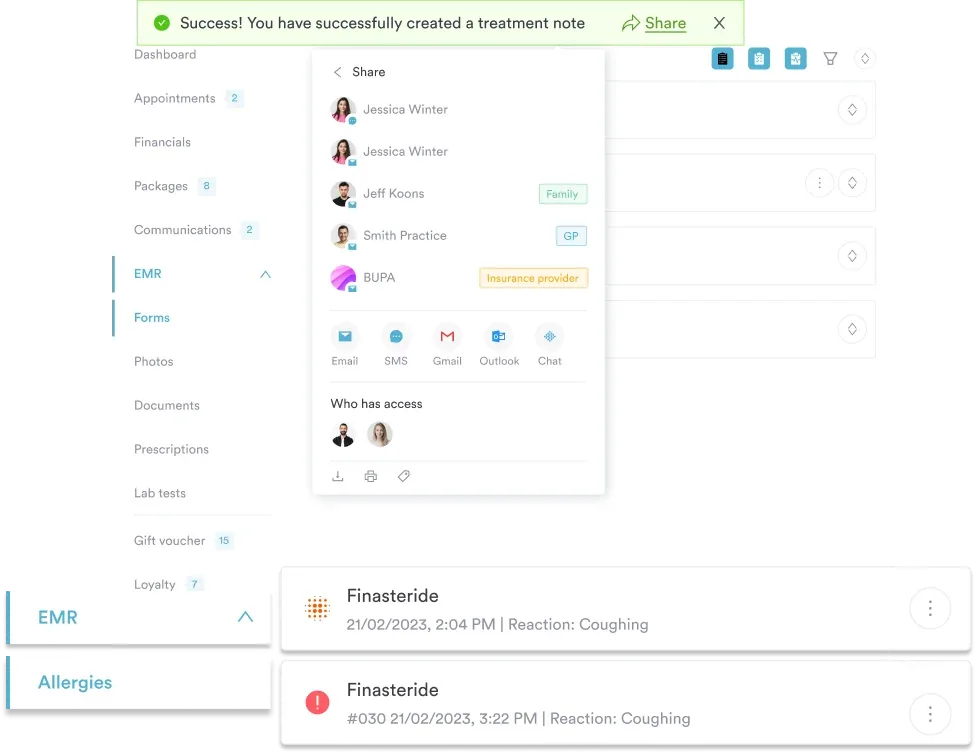
Build a pre-submission documentation checklist specific to E2510 and attach it to every claim file. Include: SLP evaluation date, PDAC verification status, prior auth number, delivery confirmation, and training completion note. Auditors reviewing SGD claims look for all six items. A single missing document can trigger full recoupment of the claim.
E2510 is one of eight codes covering speech generating devices, software, and accessories. Selecting the right code depends on the device’s speech output type (Digitized vs. synthesized) and, for synthesized devices, the message formulation and device access methods it supports. The table below shows how E2510 compares to the most closely related codes.
E2510 vs. E2508 is the comparison that catches practices most often. Both are synthesized-speech codes. E2508 applies when the device uses spelling as the only message formulation method and requires physical contact for access.
E2510 applies when the device supports multiple message formulation methods (For example, spelling plus symbol selection) and multiple access methods (For example, touch plus switch scanning). A device that supports only one formulation method or only one access method does not qualify for E2510.
E2511 is a different kind of code entirely: It describes a speech generating software program installed on a personal computer or PDA, not a dedicated device. It should not be used to bill software delivered with an E2510 device, since that software is already included in the device allowance. The SLP’s evaluation must document speech output type, formulation methods, and access methods explicitly to support whichever code is selected.
For SLP practices working with complex communication populations.
E2510 reimbursement rates are set through the DMEPOS fee schedule, not the physician fee schedule. Fee schedule amounts are published at the national level and adjusted by geographic pricing locality, and they are subject to annual update.
Because the Steve Gleason Act removed SGDs from Medicare’s capped rental category, E2510 is treated as a routinely purchased item: Beneficiaries can purchase the device outright rather than being limited to a monthly rental that converts to ownership only after a capped period. Current purchase and any rental amounts are published in the DMEPOS fee schedule updates. What a superbill includes decides whether the patient’s reimbursement request for an outright purchase is processed or rejected.
Once the beneficiary owns the device, a later repair or modification bills under V5336 rather than the device code. That code covers repair and modification of an augmentative communication system.
For the most current verified rate applicable to a specific billing jurisdiction, use the official CMS DMEPOS fee schedule files rather than third-party publications, which are frequently outdated. For practices tracking claim-level reimbursement data and HIPAA-compliant practice software workflows, maintaining current fee schedule references within the billing system prevents undercoding and overbilling errors.
Allied-health billing teams applying similar Medicare rules may also find our physical therapy billing guide useful for units, modifiers, and coverage logic.
HCPCS code E2510 carries higher documentation and prior authorization requirements than almost any other DME code. Getting it right means confirming synthesized speech, multiple message formulation methods, and multiple access methods in the SLP evaluation, verifying PDAC product listing status, applying the KX modifier, and maintaining a complete documentation trail through delivery and training.
Pabau helps speech therapy practices and DME suppliers manage the full documentation and submission workflow for complex DMEPOS codes. To see how Pabau handles DME claim tracking, prior authorization documentation, and audit-ready record keeping, book a demo.

Coding anesthesia for abdominal surgery? CPT code 00840 covers anesthesia for intraperitoneal procedures in the lower abdomen.
Billing anesthesia for a TURP procedure? CPT code 00914 is the anesthesia billing code for transurethral resection of the prostate.
Documenting allied-health evaluations? CPT code 97165 explains evaluation documentation and complexity levels relevant to therapy assessments.
HCPCS code E2510 is used to bill for a speech generating device (SGD) that uses synthesized speech and supports multiple methods of message formulation (Such as spelling, symbol selection, or pre-programmed phrases) and multiple methods of device access (Such as touch, switch scanning, or eye gaze). It is a Durable Medical Equipment code used by DME suppliers and speech-language pathology practices billing for high-complexity AAC devices.
Both E2508 and E2510 describe synthesized-speech SGDs, but E2508 applies when the device uses spelling as the only message formulation method and requires physical contact for access. E2510 applies when the device supports multiple message formulation methods and multiple access methods. Billing E2510 for a device that only supports one formulation method or one access method is a coding error that will trigger denial or audit.
The KX modifier (Requirements specified in the medical policy have been met) must appear on E2510 claims once all LCD L33739 coverage criteria are documented; claim lines submitted without a KX, GA, or GZ modifier are rejected as missing information. Add NU for a new-equipment purchase, UE for used equipment, or RR when the device is rented.
Under LCD L33739, Medicare covers SGDs when the patient has a severe expressive communication impairment, an SLP has confirmed medical necessity through face-to-face evaluation, a less complex device would not meet the patient’s needs, the device is used solely for speech generation, and the patient has the physical and cognitive profile to use the device successfully. All criteria must be met; failing any one results in denial.
Prior authorization requirements for E2510 vary by DME MAC jurisdiction (Noridian, Palmetto GBA, CGS, or WPS). Many MACs require prior authorization for SGDs given the high cost and audit-sensitive nature of the code. Always verify the requirement with the applicable MAC before delivering the device, since submitting without required authorization results in automatic denial regardless of clinical justification.
Required documentation includes the SLP evaluation report, the written physician or NP order, PDAC product verification confirmation, prior authorization approval (Where required), signed delivery documentation, and training completion records. The SLP evaluation must specifically document why lower-complexity SGD codes (E2500-E2508) are insufficient for the patient’s needs. Missing any of these documents creates recoupment exposure on audit.