
CCSD Code Q0750: Subtotal abdominal hysterectomy
CCSD Code Q0750: definition and official descriptor CCSD Code Q0750 covers ̶...

Last Updated: Nov 10, 2026
36251 is the CPT code for selective catheter placement (first-order), main renal artery and any accessory renal artery(s) for renal angiography, including arterial puncture and catheter placement(s), fluoroscopy, contrast injection(s), image postprocessing, permanent recording of images, and radiological supervision and interpretation.
Most denials on this code come not from missing the code itself, but from three specific mistakes: billing it twice on the same date instead of upgrading to CPT 36252 for bilateral procedures, failing to document that the catheter tip reached the renal artery ostium, and incorrectly bundling or separately billing aortography (CPT 75625).
Let Pabau's smart automation suggest the right codes, reduce claim denials, and keep your practice compliant—effortlessly.
Automate repetitive tasks and focus on what matters most—your patients.
Reduce coding errors and ensure compliance with the latest regulations.
Clean claims, fewer denials, and faster reimbursements.
Powerful insights and reporting to help your practice thrive.
HIPAA compliant SOC 2 certified GDPR-compliant Trusted by 4,000+ clinics worldwide

CPT code 36251 covers unilateral selective renal angiography, including arterial puncture, catheter placement, fluoroscopy, contrast supervision, and image interpretation for one renal artery.
36251 is unilateral. When both renal arteries are selectively catheterized in the same session, report CPT 36252, not 36251 twice.
Documentation must explicitly confirm the catheter tip position in the renal artery ostium. Without that confirmation, payers downcode to CPT 36200.
Pabau’s claims management software integrates with Claim.MD to validate renal angiography claims before submission, reducing denials from billing errors.
CPT code 36251 describes selective catheter placement (first-order) of the main renal artery and any accessory renal artery(s) for renal angiography, including arterial puncture and catheter placement(s), fluoroscopy, contrast injection(s), image postprocessing, permanent recording of images, and radiological supervision and interpretation.
Per the American Medical Association (AMA), which owns and publishes the CPT code set, that descriptor means every technical and professional component of the selective renal imaging encounter is bundled into a single code.
The procedure is primarily performed in interventional radiology (IR) suites. Common clinical indications include suspected renal artery stenosis (RAS), renovascular hypertension, renal vascular malformations, and pre-operative planning for renal transplant donors.
CPT code 36251 covers one renal artery; CPT 36252 covers both renal arteries selectively catheterized in the same session. This distinction is where the most expensive billing errors happen.
When an interventional radiologist selectively catheterizes both the right and left renal arteries during a single encounter, the correct code is 36252, not 36251 billed twice. CPT Assistant (August 2012) confirms this: Bilateral same-session selective renal angiography is reported with 36252 alone.
Billing 36251 × 2 on the same date of service triggers an NCCI edit and results in automatic denial of the second unit. That denial cannot be appealed the way a laterality-modifier error can, because the two codes are not interchangeable; they describe fundamentally different procedures.
Catheter placement codes are assigned based on how selectively the catheter is advanced into the vascular tree. CPT 36251 is a first-order selective code, meaning the catheter tip is placed directly in a named branch vessel arising from the aorta.
Upcoding the catheter order is an OIG audit focus area. The operative report must explicitly state where the catheter tip was positioned. If documentation says the catheter was advanced to the aorta only, CPT 36200 applies, not CPT code 36251, regardless of what the procedure was intended to accomplish.
CPT 75625 describes abdominal aortography with supervision and interpretation. When aortography is performed in the same session as selective renal angiography, coders frequently debate whether 75625 can be separately billed. The answer is: Yes, under specific conditions.
The key distinction is clinical purpose. If the aortogram was performed as a distinct diagnostic study, with its own indication documented separately from the renal angiography, 75625 may be reported alongside CPT code 36251. If the aortogram was simply a scout image or roadmap obtained to guide catheter advancement to the renal artery, it is considered part of the fluoroscopic guidance already bundled into 36251 and should not be separately billed.
Before billing CPT 75625 alongside CPT code 36251, check the operative report for a documented clinical question that required the aortogram independently. If the radiologist did not write a separate indication, the aortogram is not separately payable. NCCI edits update quarterly, so verify the current pairing status before each claim cycle.
CPT code 36251 is a unilateral code for a paired organ, so laterality modifiers are required by Medicare and most commercial payers.
CMS policy requires RT or LT on CPT 36251 claims. Missing the modifier is one of the most common reasons for claim rejection on this code. The modifier must match the operative documentation: If the report says “left renal artery,” the claim must carry modifier LT.
A complete operative or procedure report for CPT code 36251 must contain each of the following for the claim to withstand audit. Missing even one element is enough for a MAC to downcode or deny the claim on post-payment review.
Ensuring clean claim submission starts with the procedure report. Coders who receive incomplete reports should send them back to the physician for addenda before billing, not interpret ambiguous language in the practice’s favor.
CPT code 36251 is assigned RVUs and a Medicare payment rate under the CMS Physician Fee Schedule (MPFS). Rates are updated annually each January and vary by geographic pricing locality. The figures below reflect general national payment parameters; use the CMS Physician Fee Schedule lookup tool for the current year’s rate in your specific locality.
Use the FastRVU 2026 RVU lookup to retrieve the current wRVU, total RVU, and national payment amount for CPT code 36251 without needing a CMS data file subscription. Facility and non-facility rates differ significantly because the MPFS pays the physician’s professional work; the hospital or surgery center bills technical costs separately via UB-04.
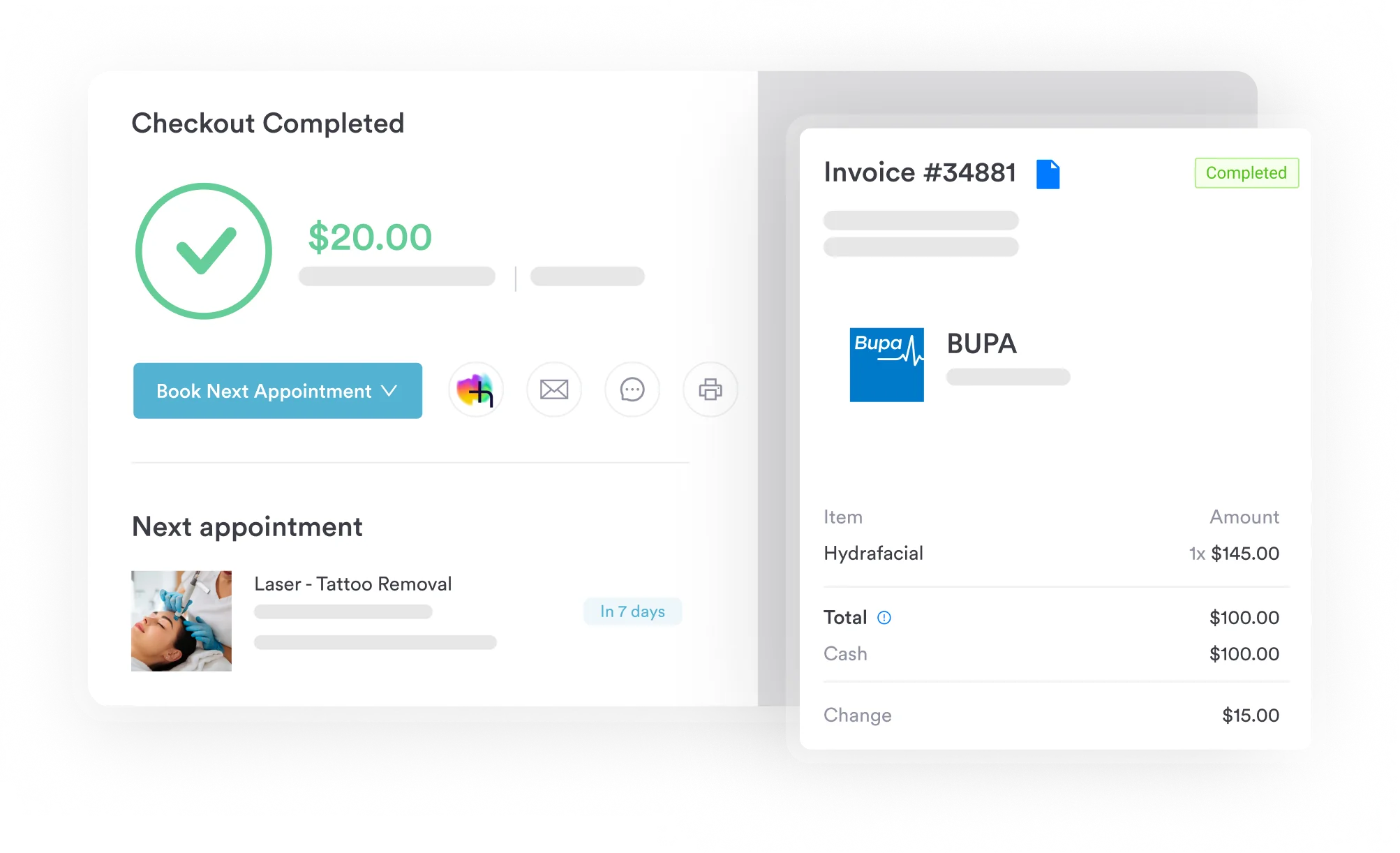
Pabau’s claims management software integrates with the Claim.MD clearinghouse integration, enabling practices to submit CMS-1500 and 837P claims for renal angiography procedures with real-time eligibility checks and ERA receipt. This reduces payment delays from rejected claims on CPT code 36251.
Medicare coverage for CPT code 36251 is governed by Local Coverage Determinations (LCDs) issued by Medicare Administrative Contractors (MACs). The covered indications vary by MAC jurisdiction, so billers should check the LCD for their specific contractor (Novitas, CGS, Palmetto GBA, etc.).
Understanding medical billing requirements for high-value imaging procedures like renal angiography means knowing which diagnosis codes satisfy medical necessity criteria before the claim is submitted. Common covered ICD-10-CM diagnoses paired with CPT code 36251 include:
These are examples only. Each MAC’s LCD defines the authoritative covered diagnosis list. Prior authorization is required by most commercial payers for elective renal angiography and by some Medicare Advantage plans. Confirm authorization before scheduling when payer policy requires it.
CPT code 36251 denial patterns are predictable. The same documentation and coding errors account for the majority of rejections across payers.

Pabau integrates with Claim.MD to validate CPT codes, run real-time eligibility checks, and submit 837P claims electronically. Catch billing errors before they become denials.

A strong denial management workflow for IR practices tracks each of these denial reasons by code and payer. Patterns that surface across multiple claims signal a documentation or workflow problem, not an isolated billing error.
CPT code 36251 sits within a family of catheter placement and angiography codes. Knowing the adjacent codes prevents both under-coding and over-coding.
For the full CPT code set definitions and crosswalk data, the AAPC Codify CPT lookup provides searchable access to code descriptors, guidelines, and add-on code relationships. The AMA’s CPT coding resources page includes the official CPT Assistant archive, which is the authoritative source for 36251 bilateral coding guidance.
CPT code 36251 is a comprehensively bundled code: Arterial access, selective catheter placement, fluoroscopy, contrast supervision, and radiological interpretation are all included for the unilateral renal artery encounter. The two errors that drive the most revenue loss on this code are billing it twice for bilateral procedures instead of using 36252, and submitting claims without documentation that explicitly names the renal artery ostium as the catheter tip position.
Pabau’s Claim.MD clearinghouse connection handles 837P submission, real-time eligibility, and ERA remittance for CPT code 36251 claims, so denials surface before payment is delayed.
Book a demo to see how the claims workflow applies to interventional radiology billing.

Need a full overview of medical billing fundamentals? What is medical billing explains the end-to-end process from encounter to payment posting.
Confused about the 837 file format for electronic claim submission? 837 file overview breaks down the standard EDI transaction structure used for CPT claims.
Looking for denial code explanations? Denial codes in medical billing covers CARC and RARC codes that appear on remittances for renal angiography claims.
CPT code 36251 covers selective catheter placement of the main renal artery and any accessory renal arteries for renal angiography, including arterial puncture, catheter placement, fluoroscopy, contrast injection, image postprocessing, permanent recording of images, and radiological supervision and interpretation, all bundled into a single code for one renal artery.
CPT 36251 covers unilateral selective renal angiography (one renal artery); CPT 36252 covers bilateral selective renal angiography (both renal arteries) performed in the same session. When both sides are catheterized selectively in a single encounter, report 36252 alone, not 36251 twice.
No. Billing CPT 36251 twice on the same date of service for bilateral renal angiography triggers an NCCI edit and denial. CPT 36252 is the correct code for bilateral same-session selective renal angiography, per CPT Assistant August 2012 guidance.
Modifier RT (right side) or LT (left side) is required to indicate laterality on CPT 36251 claims. Modifier 59 or XS may be appended when reporting alongside a separate catheter code on the same date to identify distinct vascular territories. The laterality modifier must match the operative report documentation.
Yes, when the aortography (75625) was performed for a clinically distinct diagnostic purpose documented separately from the renal angiography. If the aortogram was obtained only as a scout image or catheter-positioning guide, it is bundled into CPT 36251 and cannot be separately billed. Verify current NCCI edits before submitting both codes.
The procedure report must confirm: Arterial access site and puncture, explicit catheter tip position in the renal artery ostium, clinical indication aligned with a covered ICD-10-CM diagnosis, contrast injection into the renal artery, fluoroscopy performed, images acquired and permanently recorded, a written radiological interpretation with findings, and the laterality (right or left) of the procedure.